
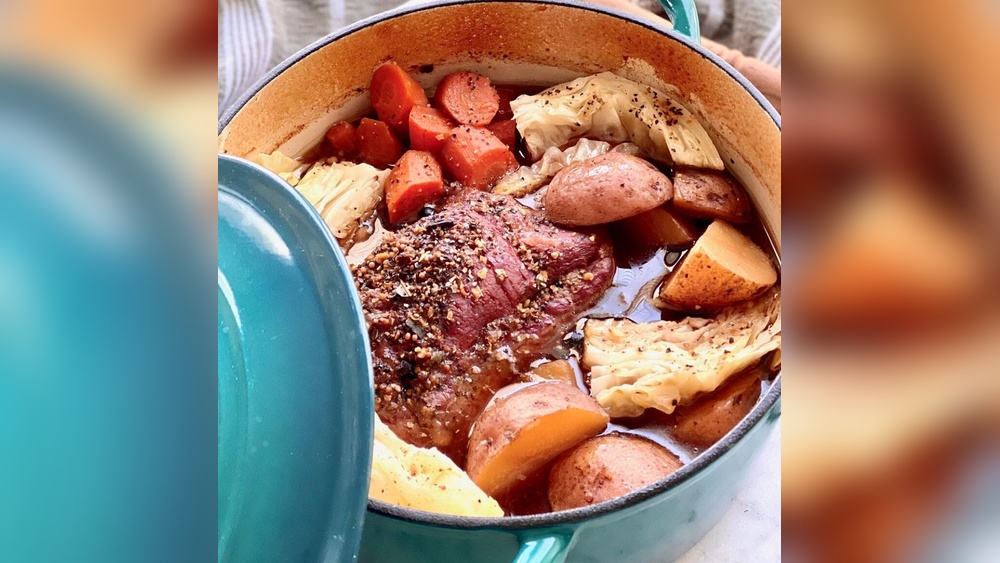
Have you ever wondered if you can cook a tender, flavorful corned beef right in your Dutch oven? If you’re looking for a simple, one-pot way to prepare this classic dish, the Dutch oven might just become your new best friend.
It locks in moisture and evenly distributes heat, making it perfect for slow-cooking that melt-in-your-mouth corned beef you crave. You’ll discover exactly how to make the most of your Dutch oven to cook corned beef to perfection, along with tips to avoid common mistakes.
Ready to impress your family or friends with a hearty meal that’s as easy as it is delicious? Keep reading to unlock the secret to Dutch oven corned beef success!
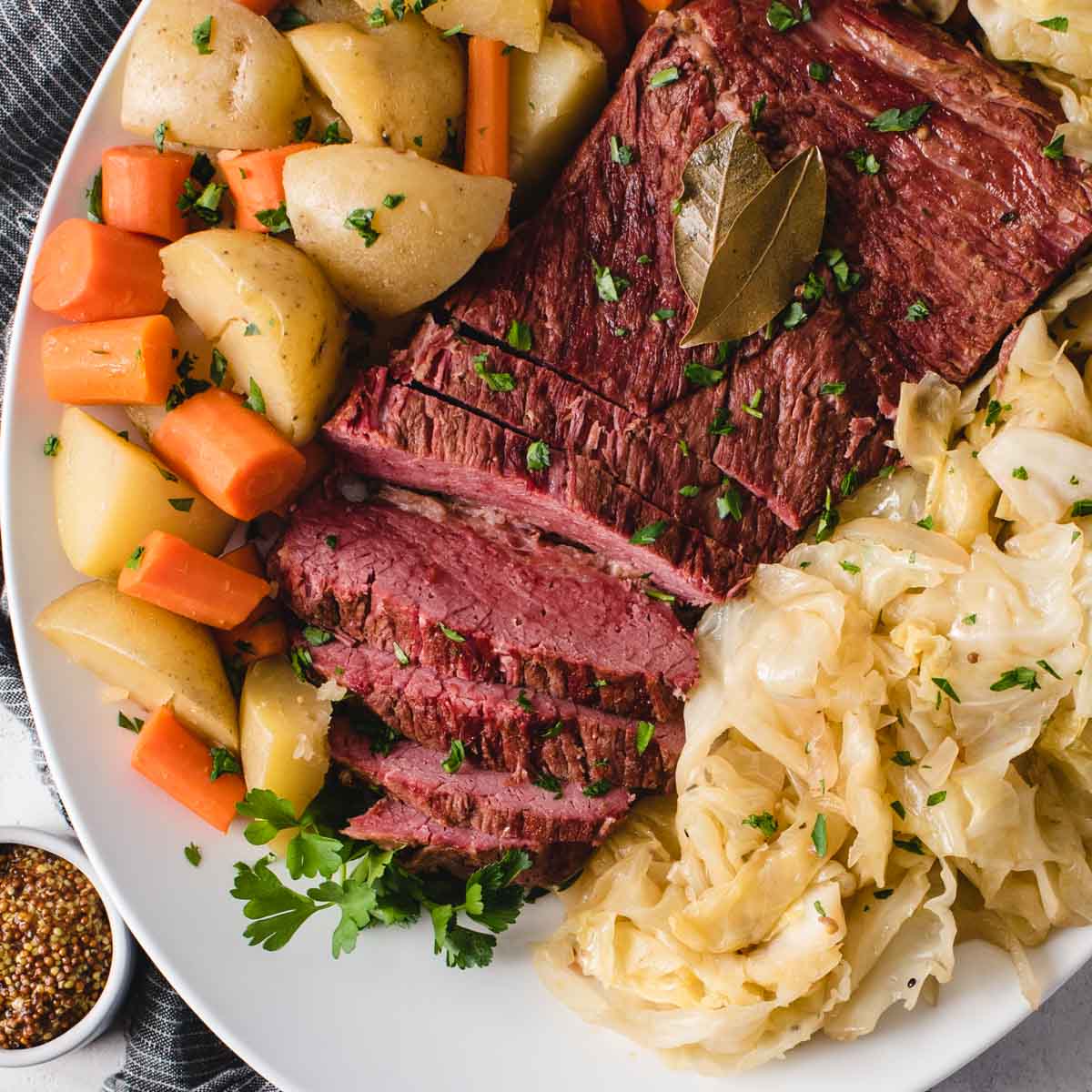
Credit: feastingnotfasting.com
Dutch Oven Benefits
Cooking corned beef in a Dutch oven offers many benefits. This heavy pot improves the cooking process and enhances flavors. Its design helps maintain heat and cook food evenly. The Dutch oven also supports various cooking styles and dishes. It makes meal preparation simpler and more enjoyable. These advantages make it a great choice for cooking corned beef.
Heat Retention And Even Cooking
The Dutch oven holds heat very well. Its thick walls keep the temperature steady. This steady heat cooks corned beef evenly from all sides. The pot traps steam, which helps tenderize the meat. Slow cooking in a Dutch oven makes the beef soft and juicy. You avoid hot spots that burn or dry out food. This pot creates perfect conditions for a tasty corned beef.
Versatility For One-pot Meals
The Dutch oven works for many recipes beyond corned beef. You can add vegetables like potatoes and carrots directly to it. The pot lets you cook meat and sides together in one dish. This saves time and reduces cleanup. It can go on the stove or in the oven. The Dutch oven is a flexible tool for simple and hearty meals.
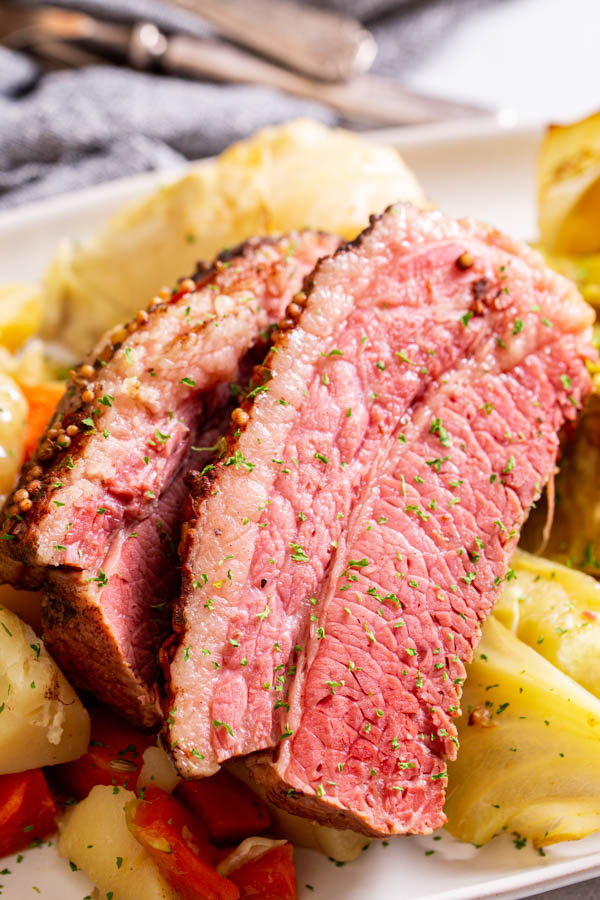
Credit: castironrecipes.com
Choosing Corned Beef
Choosing the right corned beef is key to a tasty Dutch oven meal. The cut and quality affect the final flavor and texture. Understanding the types of corned beef cuts helps pick the best one. Quality meat ensures a tender and juicy dish. Let’s explore the options for your next cooking adventure.
Types Of Corned Beef Cuts
Corned beef usually comes from the brisket, a tough but flavorful cut. It has two parts: flat and point. The flat cut is lean and slices neatly. The point cut has more fat, adding richness. Some recipes use brisket tips or round cuts, but brisket is most common. Each cut suits different tastes and cooking times.
Selecting Quality Meat
Freshness matters when buying corned beef. Look for bright red or pink color with no gray spots. The meat should feel firm and moist, not slimy. Check the packaging date and avoid old packages. Choose cuts with some marbling for flavor and tenderness. Good quality meat makes cooking easier and results better.
Preparing Corned Beef
Preparing corned beef correctly sets the stage for a tender and flavorful meal. The process starts with handling the meat properly. Simple steps like rinsing and seasoning make a big difference. These steps help remove excess salt and add extra taste.
Using a Dutch oven to cook corned beef requires some preparation. This ensures the meat cooks evenly and absorbs the flavors well. Follow the steps below for the best results.
Rinsing And Patting Dry
Begin by rinsing the corned beef under cold running water. This removes the brine and excess salt from the surface. Rinse gently but thoroughly to avoid losing the meat’s flavor inside.
After rinsing, use paper towels to pat the beef dry. Removing moisture helps the seasoning stick better. It also prevents steaming during cooking, which can affect texture.
Seasoning And Dry Rubs
Next, apply seasoning to the meat for added flavor. A simple dry rub works well on corned beef. Common spices include black pepper, mustard seeds, and garlic powder.
Sprinkle the dry rub evenly over all sides of the beef. Press it lightly to help the spices adhere. This layer of seasoning complements the natural taste of the corned beef.
Essential Ingredients
Cooking corned beef in a Dutch oven requires some basic ingredients to bring out the best flavors. Choosing the right vegetables, liquids, and spices makes a big difference. These essential ingredients create a rich, tender, and tasty meal.
Onions And Vegetables
Onions add sweetness and depth to the dish. Cut them into wedges or slices for even cooking. Carrots and potatoes are classic vegetables that absorb the flavors well. Use baby red potatoes for a tender bite. Cabbage is a popular choice to serve alongside corned beef, but add it near the end to avoid overcooking.
Liquid Options: Beer, Stock, Or Water
Liquids keep the meat moist and tender during cooking. Beef stock adds a deep, savory flavor to the corned beef. Dark beer brings a rich, slightly bitter taste that pairs well with the meat. Water works too but lacks the extra flavor that stock or beer provides. Use enough liquid to cover the meat halfway in the Dutch oven.
Spices And Herbs
Spices bring warmth and complexity to corned beef. A traditional pickling spice mix usually contains mustard seeds, peppercorns, and bay leaves. Fresh herbs like thyme or rosemary enhance the aroma. Sprinkle a dry rub or steak seasoning on the meat for extra flavor. These simple additions make the meal more inviting and tasty.
Cooking Process
Cooking corned beef in a Dutch oven creates tender, flavorful meat. The process involves layering ingredients, controlling temperature, and allowing slow cooking. This method helps the beef absorb spices and stay juicy.
Each step matters to get the perfect texture and taste. Understanding how to layer, set the temperature, and cook slowly improves the final dish.
Layering Ingredients In The Dutch Oven
Start by placing aromatic vegetables like onions or garlic at the bottom. This adds flavor and keeps the meat from sticking. Next, rinse the corned beef and pat it dry to remove excess brine. Lay the brisket on top of the vegetables.
Sprinkle seasoning or dry rub evenly over the meat. Add root vegetables such as carrots or potatoes around the beef. Pour liquid like beef broth or beer until it covers half of the meat. This helps keep it moist during cooking.
Cooking Temperature And Time
Set the oven temperature between 275°F and 300°F (135°C to 150°C). This range is ideal for slow cooking corned beef in a Dutch oven. Avoid high heat to prevent drying out the meat.
Cooking time varies by size but plan for 3 to 4 hours. The meat should become tender and easy to slice. Use a fork to check tenderness near the end of cooking.
Low And Slow Method
Low and slow means cooking at low heat for a long time. This breaks down tough fibers in corned beef. The result is juicy, soft meat that melts in your mouth.
Keep the Dutch oven covered to trap moisture and heat. Check occasionally to make sure the liquid hasn’t evaporated. Add more broth or water if needed. Patience is key for best results.
Adding Vegetables
Adding vegetables to corned beef in a Dutch oven enhances flavor and texture. Vegetables absorb the rich broth and add natural sweetness. They complete the meal with nutrients and vibrant colors. Choose vegetables that cook evenly with the brisket for the best results.
Choosing Potatoes And Carrots
Potatoes and carrots are classic choices for corned beef. Use waxy potatoes like red or Yukon gold. They hold shape and soak up flavors without falling apart. Cut potatoes into medium-sized chunks for even cooking.
Carrots add a touch of sweetness and color. Peel and cut them into thick slices or sticks. Add potatoes and carrots about halfway through cooking. This timing ensures they become tender but not mushy.
Incorporating Cabbage
Cabbage is a traditional vegetable with corned beef. It cooks quickly and adds a mild, slightly sweet taste. Use green or Savoy cabbage. Remove tough outer leaves and cut into wedges.
Place cabbage wedges on top of the meat near the end of cooking. This prevents overcooking and keeps the cabbage crisp. The cabbage will soak up the savory broth, enhancing its flavor.
Common Mistakes To Avoid
Cooking corned beef in a Dutch oven can be simple and rewarding. Avoiding common mistakes improves your final dish’s taste and texture. Small errors can make the meat tough or dry. Knowing what to avoid helps you cook corned beef perfectly every time.
Here are some common mistakes to avoid when cooking corned beef in a Dutch oven.
High Heat Cooking Issues
Cooking corned beef at high heat can cause it to become tough. The meat needs slow, gentle cooking to break down fibers. High heat dries out the brisket and makes it chewy. Keep the temperature low and cook for several hours. This allows the meat to stay tender and juicy.
Insufficient Liquid
Not adding enough liquid can cause the corned beef to burn or cook unevenly. The Dutch oven needs enough broth or water to cover the meat partially. Liquid helps transfer heat evenly and keeps the meat moist. Check the liquid level during cooking and add more if needed. This step prevents dryness and enhances flavor.
Skipping Meat Preparation
Some skip rinsing or patting dry the corned beef before cooking. Rinsing removes excess salt and brine, which can be too strong. Patting the meat dry helps the seasoning stick better. Preparing the meat properly improves taste and texture. Take time to rinse and dry the brisket before placing it in the Dutch oven.
Serving Suggestions
Serving corned beef cooked in a Dutch oven is an opportunity to enjoy a hearty and satisfying meal. The rich flavors of the meat pair beautifully with both traditional and unique sides. Presenting your dish with thoughtful accompaniments enhances every bite and creates a memorable dining experience.
Traditional Sides
Classic sides complement the savory taste of corned beef perfectly. Boiled potatoes, cooked until tender, absorb the meat’s juices well. Steamed cabbage adds a mild crunch and balances the richness. Carrots, either roasted or boiled, provide a subtle sweetness. Horseradish sauce offers a spicy kick that cuts through the fattiness. Rye bread or soda bread serves as a hearty base to complete the plate.
Creative Pairings
Try fresh twists to surprise your palate alongside corned beef. Roasted Brussels sprouts with a touch of balsamic glaze add a tangy depth. A creamy mustard-dill sauce brightens the dish with herbaceous notes. Sweet potato mash introduces a smooth, earthy contrast. Pickled vegetables bring a sharp, acidic bite to refresh the taste buds. Grain salads with quinoa or barley add texture and a nutty flavor that pairs well with the meat.
Dutch Oven Care Tips
Taking good care of your Dutch oven keeps it ready for many delicious meals. After cooking corned beef, proper care protects the pot’s surface and seasoning. It also helps maintain the oven’s durability and cooking performance. Follow simple care tips to enjoy your Dutch oven for years.
Cleaning After Cooking Corned Beef
Let the Dutch oven cool before cleaning. Avoid using soap on cast iron; it can remove seasoning. Use warm water and a soft brush or sponge instead. For stuck-on food, soak the pot in warm water for a few minutes. Dry the Dutch oven completely to prevent rust. Apply a thin layer of oil to keep the surface smooth and protected.
Avoiding Acidic Foods
Avoid cooking acidic foods like tomatoes or vinegar in your Dutch oven for long times. Acid can damage the seasoning and cause a metallic taste. If you cook acidic dishes, do it briefly or use an enameled Dutch oven. Keeping acidic foods away helps preserve the pot’s seasoning and flavor quality.

Credit: quichemygrits.com
Frequently Asked Questions
What Temperature To Cook Corned Beef In A Dutch Oven?
Cook corned beef in a Dutch oven at 300°F (150°C) for 3 to 4 hours until tender. Use low heat for best results.
What Cooking Method Is Best For Corned Beef?
The best method for cooking corned beef is slow simmering or braising. Use a Dutch oven with liquid for tender, flavorful results. Cook low and slow until the meat is fork-tender, usually 3-4 hours. This method enhances moisture and taste perfectly.
What Should Not Be Cooked In A Cast Iron Dutch Oven?
Avoid cooking highly acidic foods like tomatoes and vinegar, delicate fish, eggs, sticky foods, dairy, and sweets in a cast iron Dutch oven. These can damage the seasoning or cause food to stick and develop off-flavors.
What Not To Do When Cooking Corned Beef?
Avoid cooking corned beef at high heat and never skip rinsing it before cooking. Do not underfill the pot or cook too briefly. Slice the meat against the grain for tenderness. Avoid cutting corned beef incorrectly to maintain texture and flavor.
Conclusion
Cooking corned beef in a Dutch oven works very well. The pot keeps heat steady and cooks meat evenly. You get tender, flavorful corned beef every time. Adding vegetables like potatoes and carrots makes a full meal. Just use low heat and enough liquid to avoid drying out.
This method suits both beginners and experienced cooks. Give it a try for a simple, tasty dinner. Dutch ovens bring out the best in corned beef without fuss. Enjoy hearty meals with this classic, easy cooking style.