

Are you wondering if your trusty cast iron skillet can work on your sleek induction cooktop? You’re not alone.
Many home cooks love cast iron for its durability and excellent heat retention but hesitate when it comes to using it on induction stoves. The good news is that cast iron is actually one of the best companions for induction cooking—if you know how to use it right.
You’ll discover why cast iron is a perfect match for induction cooktops, what to watch out for, and simple tips to get the best results every time you cook. Keep reading to unlock the secrets of mastering cast iron on your induction stove.
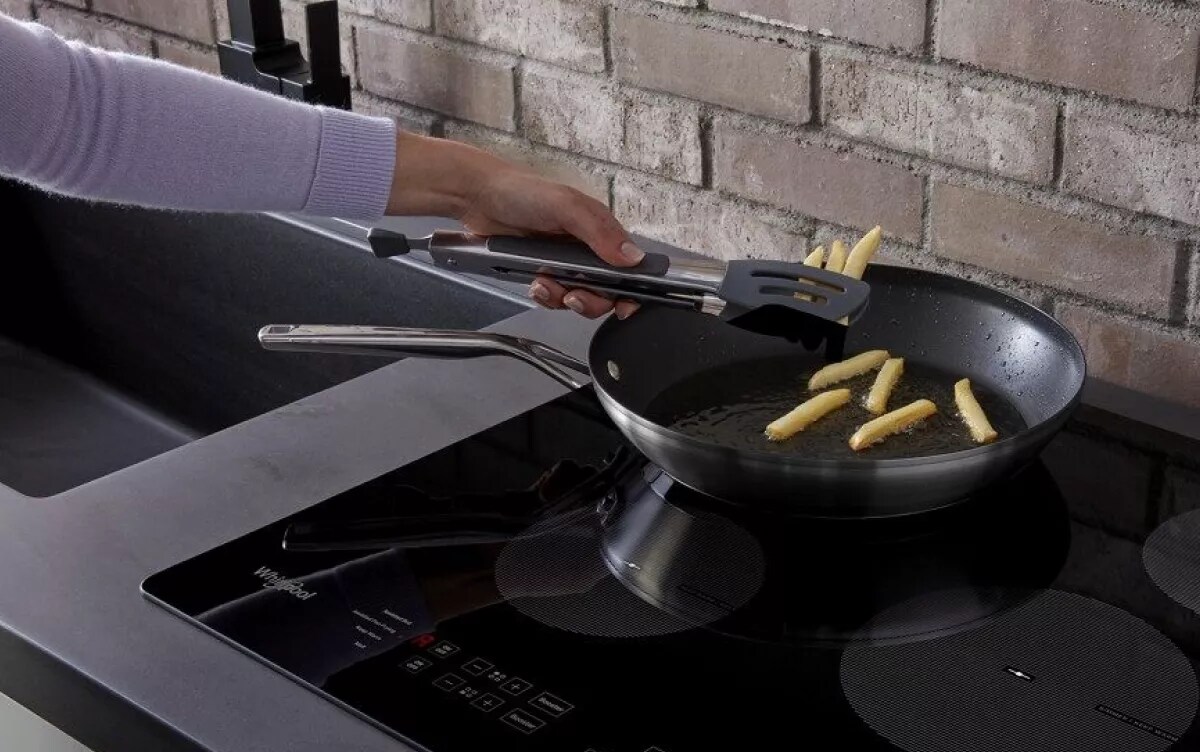
Credit: www.whirlpool.com
Cast Iron And Induction Compatibility
Cast iron is a popular choice for many cooks. Its durability and heat retention make it ideal for various recipes. Using cast iron on an induction cooktop is possible and effective. Understanding why cast iron works well with induction technology helps you use it better.
Induction cooktops need specific properties in cookware to function. Cast iron meets these requirements due to its magnetic nature. This section explains how cast iron interacts with induction cooktops.
Magnetic Properties Of Cast Iron
Cast iron contains iron, a ferrous metal. Ferrous metals have strong magnetic properties. A magnet sticks firmly to cast iron cookware. This magnetic quality allows induction cooktops to detect the pan. Without magnetism, the cooktop cannot generate heat.
The magnetic field created by the cooktop passes through the cookware. Cast iron converts this field into heat. The heat then cooks the food evenly. This process makes cast iron one of the best options for induction cooking.
How Induction Cooktops Work With Ferrous Metals
Induction cooktops use electromagnetic fields to heat pans. These fields only work with ferrous metals like cast iron. When a pan is placed on the cooktop, the field induces electric currents in the metal.
These currents create heat inside the cookware, not on the cooktop surface. This method heats food quickly and efficiently. Cast iron’s ferrous nature ensures strong interaction with the cooktop.
Flat-bottomed cast iron pans provide better contact with the cooktop. This contact improves heat transfer. It prevents damage to the cooktop and ensures even cooking.
Using Cast Iron On Induction
Using cast iron on an induction cooktop offers many benefits. Cast iron heats evenly and retains heat well. Its magnetic properties allow it to work perfectly with induction technology. Proper use ensures your pan lasts longer and cooks food better. Understanding how to use cast iron safely on induction is key.
Checking Pan Flatness And Magnetism
Check the pan’s bottom before using it on induction. The surface must be flat to touch the cooktop fully. Warped or uneven bottoms reduce heat transfer and can scratch the surface. Test magnetism by placing a magnet on the bottom. It should stick firmly. If the magnet does not hold, the pan won’t work well on induction.
Matching Pan Size To Burner
Choose a pan size that matches the burner size. A pan too large or small will heat unevenly. Using the right size helps save energy and improves cooking results. Center the pan on the burner to get the best heat distribution.
Starting With Low Heat
Always begin cooking with low heat. Cast iron takes time to warm up and spreads heat slowly. Starting on high heat can cause the pan to warp or crack. Slowly increasing heat helps the pan last longer and cooks food more evenly.
Handling Weight And Surface Care
Cast iron pans are heavy. Lift them carefully to avoid injury or damage. Avoid sliding the pan on the cooktop to prevent scratches. Use a soft cloth or sponge to clean the surface after cooking. Proper care keeps your induction cooktop and cast iron pan in good shape.
Benefits Of Cast Iron On Induction
Cast iron cookware offers many benefits on induction cooktops. Its magnetic nature works perfectly with induction technology. This combination delivers excellent cooking results and enhances the overall experience. Cast iron suits induction cooking well, making it a popular choice.
Efficient Heat Transfer
Cast iron heats evenly and holds heat for a long time. This quality helps cook food uniformly. The pan’s thick base spreads heat across the surface. It reduces hot spots and prevents burning. Induction cooktops quickly transfer energy to cast iron. This makes cooking faster and more efficient.
Durability And Longevity
Cast iron is strong and lasts for many years. It resists scratches and dents better than many other materials. The sturdy build stands up well to induction heat. Proper care keeps cast iron functional for decades. It is a reliable investment for any kitchen.
Versatility In Cooking
Cast iron works well for various cooking methods. You can use it for frying, baking, roasting, and more. It adapts to different heat levels on the induction cooktop. The pan’s design supports both stovetop and oven use. Its versatility makes it a valuable kitchen tool.
Potential Challenges
Using cast iron on an induction cooktop offers many benefits but also presents some challenges. Understanding these potential issues helps protect your cookware and cooktop. It ensures a safer cooking experience.
Risk Of Warping With High Heat
Cast iron can warp if exposed to sudden high heat. Heating an empty pan quickly causes uneven expansion. This damages the pan’s flat surface. Warping affects how well the pan contacts the cooktop. It reduces cooking efficiency and may scratch the surface. Always start with low heat and increase gradually.
Care For Glass Cooktop Surfaces
Induction cooktops have smooth glass surfaces that are delicate. Cast iron is heavy and rough underneath. Sliding or dropping the pan can cause cracks or scratches. Lift the pan instead of sliding it. Clean the cooktop regularly to avoid grit buildup. Use a soft cloth and gentle cleaner to maintain the surface.
Weight Considerations
Cast iron pans are heavier than other cookware. The cooktop’s glass can break under too much pressure. Avoid dropping the pan or placing it forcefully. Use both hands to lift and move the pan safely. Consider the pan’s weight when cooking to protect your cooktop.
Popular Cast Iron Brands For Induction
Cast iron cookware is a popular choice for induction cooktops. Many brands offer cast iron products that work well on induction surfaces. Choosing the right brand ensures durability and good heat distribution. Below are some popular cast iron brands compatible with induction cooktops.
Lodge Cast Iron Overview
Lodge is a well-known American brand with over 100 years of experience. Their cast iron pans are highly magnetic, making them perfect for induction. Lodge products feature smooth, flat bottoms that help maintain good contact with the cooktop. The brand offers a wide range of skillets, Dutch ovens, and griddles at affordable prices. Lodge cast iron is pre-seasoned, which means it has a natural non-stick coating. Many home cooks trust Lodge for reliable, long-lasting cookware.
Other Recommended Brands
Le Creuset is famous for its enameled cast iron cookware. Its smooth base works well on induction cooktops. The enamel coating also prevents rust and makes cleaning easy. Staub is another great brand known for high-quality enameled cast iron. It offers excellent heat retention and even cooking. Both brands provide stylish designs and vibrant colors. Camp Chef makes heavy-duty cast iron with flat bottoms. Their skillets and Dutch ovens suit outdoor and indoor cooking. These brands deliver excellent performance and suit different budgets.

Credit: www.reddit.com
Maintenance Tips
Proper maintenance keeps your cast iron cookware in top shape for induction cooktops. Careful cleaning, seasoning, and storage extend its life and performance. Follow these simple tips to protect your investment and enjoy cooking with cast iron.
Cleaning After Induction Use
Allow the pan to cool slightly before cleaning. Avoid sudden temperature changes to prevent cracking. Use warm water and a soft sponge to clean the surface. Skip harsh detergents or steel wool that can damage the seasoning. For stuck food, scrub gently with coarse salt and a little water. Dry the pan completely to stop moisture from causing rust.
Seasoning And Rust Prevention
Season cast iron regularly to maintain its non-stick surface. Apply a thin layer of cooking oil after each wash. Heat the pan on low for a few minutes to absorb the oil. This process fills pores and protects against rust. If rust appears, scrub it off and re-season the pan. Proper seasoning keeps food from sticking and improves heat distribution.
Storage Recommendations
Store cast iron in a dry place to avoid moisture buildup. Place a paper towel inside the pan to absorb humidity. Avoid stacking with other cookware directly to prevent scratches. If stacking is necessary, use cloth or paper between pans. Keep the lid slightly ajar or off to allow air circulation. Proper storage preserves the seasoning and prevents rust formation.
Alternatives To Cast Iron On Induction
Cast iron is popular for induction cooktops, but some cooks want other options. Alternatives offer different benefits like lighter weight or easier cleaning. Many materials work well on induction if they have magnetic properties. These options can suit various cooking styles and needs.
Stainless Steel Options
Stainless steel pans often work on induction if they have a magnetic base. Look for labels that say “induction compatible.” Stainless steel heats quickly and is easy to clean. It is lighter than cast iron and less prone to rust. High-quality stainless steel cookware lasts long and cooks evenly.
Enameled Cast Iron
Enameled cast iron offers the same magnetic benefits as regular cast iron. It has a smooth enamel coating that prevents rust and eliminates seasoning. This type is easier to clean and comes in many colors. The enamel layer can chip if dropped, so handle with care.
Other Magnetic Cookware
Cookware made from magnetic stainless steel or carbon steel works on induction. Carbon steel is lighter than cast iron but still very durable. It heats quickly and is great for searing and frying. Magnetic bases on non-stick pans also work well. Always test with a magnet before buying.
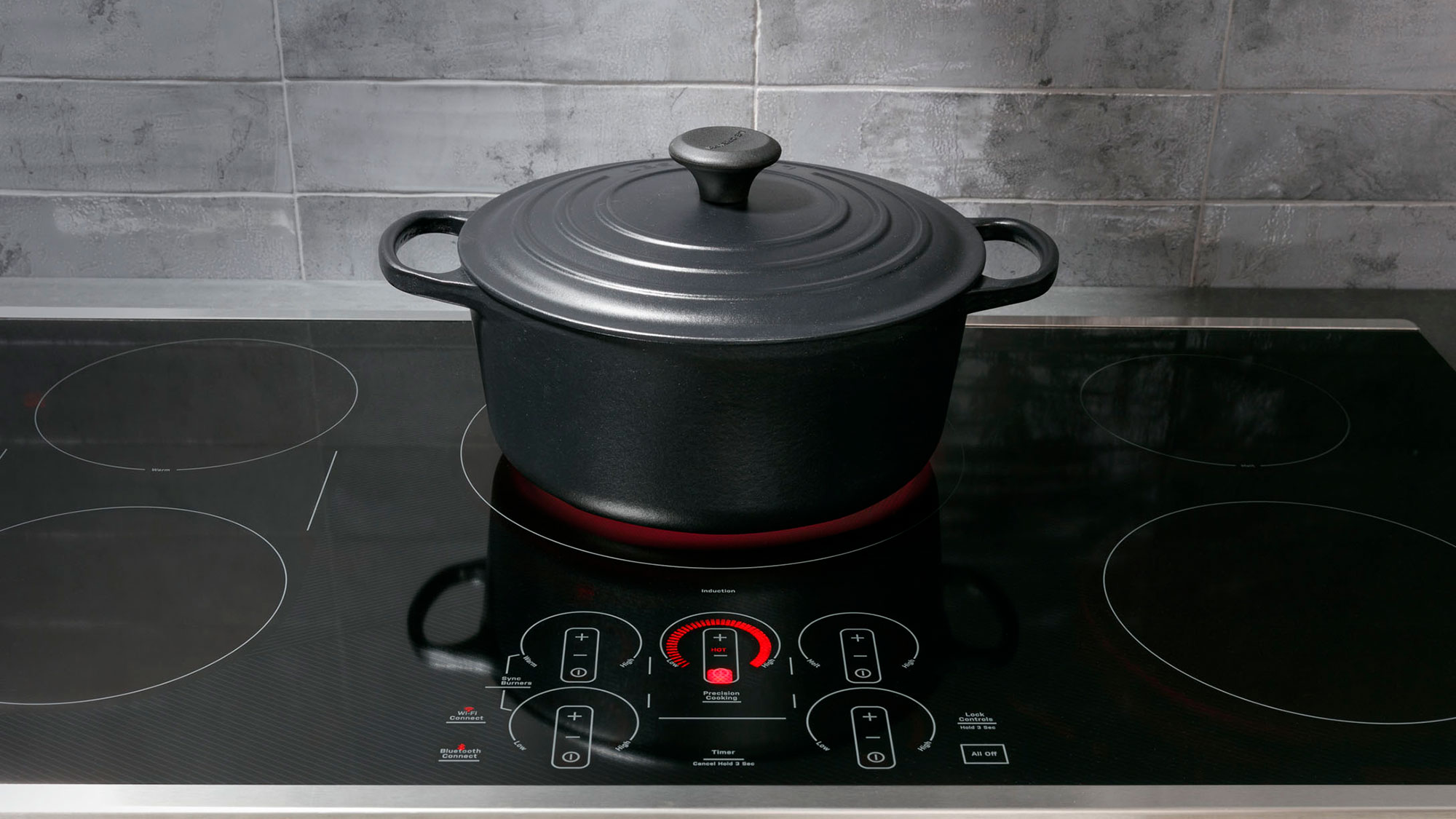
Credit: www.tomsguide.com
Frequently Asked Questions
Is It Okay To Use Cast Iron On An Induction Cooktop?
Yes, cast iron works well on induction cooktops due to its magnetic properties. Use pans with flat bottoms and heat slowly to avoid warping. Always lift heavy cast iron to protect the cooktop surface.
What Cannot Be Cooked On Induction?
Glass, copper, aluminum, and non-magnetic cookware cannot be cooked on induction cooktops. Induction requires magnetic, flat-bottomed pans.
Does Cast Iron Scratch An Induction Cooktop?
Cast iron can scratch induction cooktops due to its rough, heavy bottom. Always lift, don’t slide, to protect the surface.
Is Cast Iron Too Heavy For An Induction Cooktop?
Cast iron is heavy but safe for induction cooktops. Always lift pans to avoid scratching or cracking the glass surface.
Conclusion
Cast iron works well on induction cooktops due to its magnetic nature. Use pans with flat bottoms for best contact and heat transfer. Start cooking on low heat to avoid damaging the pan. Always lift the heavy cast iron to protect your cooktop surface.
With proper care, cast iron offers great cooking performance on induction stoves. It’s a durable and reliable choice for many kitchens.