

Have you ever found yourself confused when reaching for kitchen tools like a colander or a strainer? You’re not alone.
Both are essential for draining and filtering, but they serve very different purposes. Knowing the difference can save you time, improve your cooking results, and even make cleanup easier. You’ll discover exactly what sets a colander apart from a strainer, when to use each one, and why having the right tool matters for your kitchen tasks.
Keep reading—you’ll never look at these everyday utensils the same way again!

Credit: www.fall-line.co.uk
Colander Basics
A colander is a common kitchen tool used to drain liquids from food. It is essential for many cooking tasks. Understanding its basics helps you choose the right tool for your needs.
Colanders are simple but effective. They help separate water or other liquids from solid foods quickly. Their design makes them easy to use and clean.
Design And Features
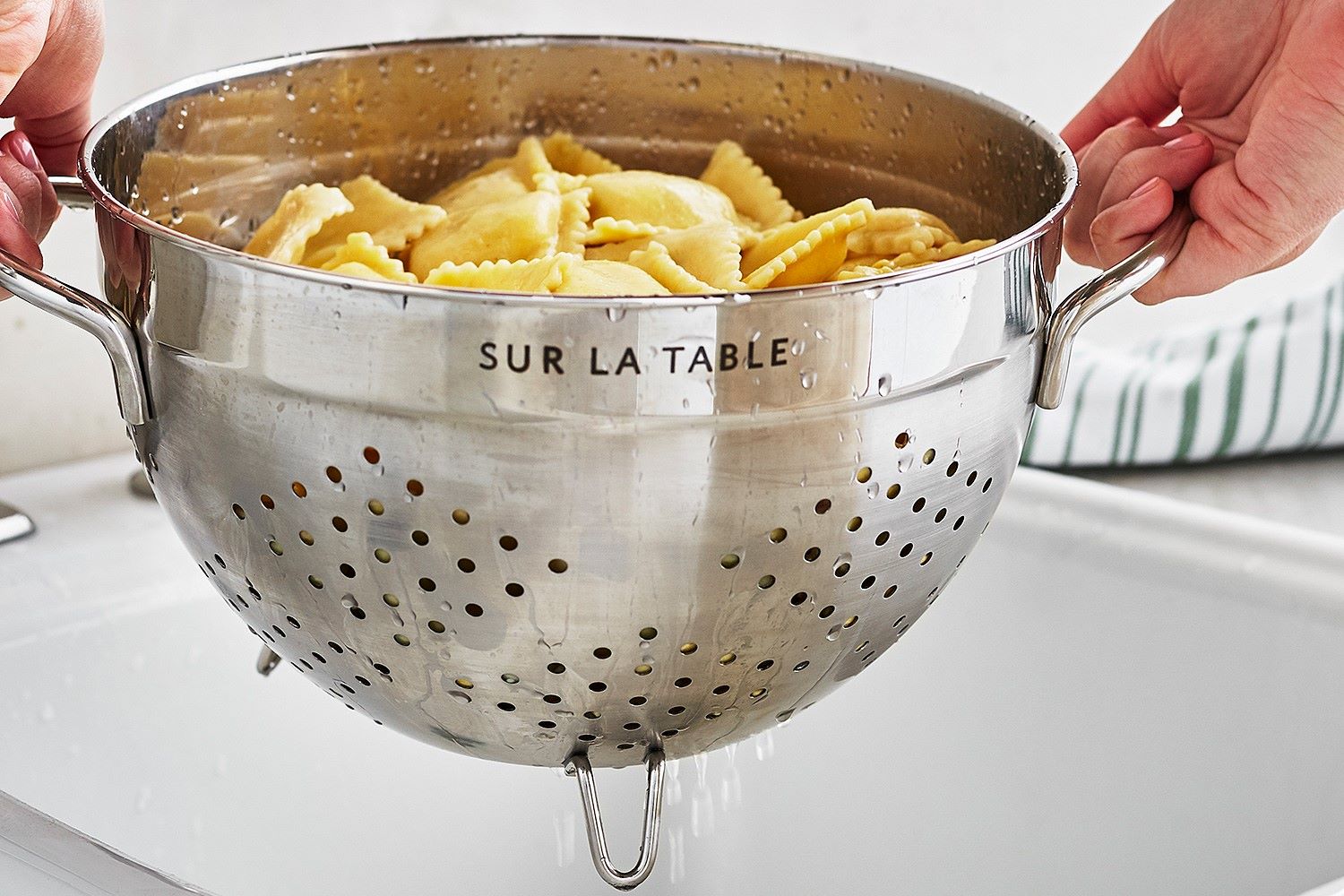
A colander usually has a bowl shape with many large holes. These holes allow water to drain fast. It often has two handles on the sides for easy grip.
Most colanders are made from metal, plastic, or silicone. Their size varies from small to large. Some have a base or feet to keep them stable in the sink.
Typical Uses
Colanders are perfect for rinsing and draining bulky foods. They handle pasta, vegetables, and fruits well. You can wash salad leaves or drain boiled potatoes with a colander.
The large holes mean colanders are not good for tiny foods. Small grains like rice may slip through. Colanders work best with bigger food items that need quick draining.
Strainer Essentials
Strainers play a key role in many kitchen tasks. They help separate liquids from solids or filter out small particles. Understanding their basics helps you choose the right tool for your cooking needs.
Strainers come in different shapes and sizes, each designed for specific uses. They can handle delicate tasks that require precision filtering. Their design focuses on fine mesh or perforations to catch tiny bits.
Construction And Materials
Strainers usually have a fine mesh made from stainless steel or nylon. Stainless steel mesh is strong and resists rust. Nylon mesh is gentle and flexible, ideal for delicate foods.
The frame and handle are often metal or plastic. Metal frames provide durability and heat resistance. Plastic handles offer comfort and stay cool during use. Some strainers have a hook or resting edge for stability on pots or bowls.
Common Applications
Strainers remove seeds from juices and pulp from sauces. They help create smooth soups and purees by filtering out unwanted particles. Sieves, a type of strainer, sift flour and powdered sugar to avoid lumps.
Tea leaves and herbs get separated from brewed drinks with strainers. They also rinse small grains like rice without losing any through holes. In cooking, strainer baskets lower food into hot water and lift it out safely.
Bars use fine-mesh strainers to filter ice and herbs from cocktails. This ensures a clean, smooth drink. Overall, strainers handle precise, delicate filtering tasks better than colanders.
Key Functional Differences
Understanding the key functional differences between a colander and a strainer helps in choosing the right tool. Both are used in the kitchen to separate solids from liquids. Yet, their design and purpose differ significantly. These differences affect their filtering capabilities and size variations.
Filtering Capabilities
A colander has larger holes designed to drain water quickly. It is perfect for rinsing vegetables or draining pasta. The holes allow water to pass while keeping larger solids inside.
A strainer uses a fine mesh that can catch small particles. It filters out seeds, pulp, or fine debris from liquids. This makes it ideal for straining sauces, tea, or juice.
Size And Mesh Variations
Colanders are generally larger and bowl-shaped. They hold bigger amounts of food for draining or rinsing. The holes vary but are always wide enough for water to flow freely.
Strainers come in various sizes, from small handheld to large baskets. Their mesh can be very fine or medium, depending on use. This variety allows precision in filtering different food types.
Credit: learn.surlatable.com
When To Use A Colander
A colander is a kitchen tool with large holes made to drain liquids quickly. It works best with bigger food items that do not slip through the holes. Knowing when to use a colander helps make cooking easier and cleaner. It is perfect for tasks that need fast draining or rinsing of large amounts of food.
Draining Pasta And Vegetables
Use a colander to drain pasta after boiling. The large holes let water pass through fast. It also works well for washing vegetables. You can rinse lettuce, broccoli, or potatoes without losing any pieces. The wide shape holds food securely while draining.
Rinsing Bulk Foods
A colander is great for rinsing bulk foods like beans or fruits. The big holes let water flow freely and remove dirt or debris. It handles large amounts easily without clogging. This tool saves time and keeps food clean before cooking or eating.
When To Choose A Strainer
Choosing a strainer depends on the task’s precision and the size of particles to remove. Strainers have fine mesh that filters small solids from liquids or sifts dry ingredients. They work well for delicate kitchen jobs that require smooth textures or clear liquids. Using a strainer ensures better control and cleaner results than a colander.
Removing Seeds And Pulp
Strainers remove seeds and pulp from fresh juices easily. Pour juice through the fine mesh to catch seeds and thick bits. This process makes drinks smoother and more enjoyable. Strainers work better than colanders for this because their mesh is much finer.
Straining Sauces And Broths
Use strainers to remove small solids from sauces and broths. They help create smooth textures by catching herbs, spices, or tiny food pieces. This step improves the flavor and appearance of your dishes. Strainers give a clear liquid without large chunks.
Sifting Dry Ingredients
Strainers help sift flour, powdered sugar, or cocoa powder. The fine mesh breaks up lumps and aerates dry ingredients. This makes baking ingredients lighter and easier to mix. Sifting with a strainer ensures even texture and better baking results.
:max_bytes(150000):strip_icc()/Colander-vs-Strainer-4x3-b2303f550eb0420d9faf1d96dc7a6567.jpg)
Credit: www.allrecipes.com
Specialized Strainers
Specialized strainers serve unique purposes beyond the basic tasks of draining and rinsing. They help achieve precision in cooking and beverage preparation. These strainers come in various designs, each tailored for specific kitchen needs. Understanding their uses helps improve your cooking results and efficiency.
Fine-mesh Strainers
Fine-mesh strainers have very small holes. They catch tiny particles like seeds, pulp, and small bits. These strainers are perfect for making smooth sauces and clear broths. You can also use them to sift flour or powdered sugar. Their delicate mesh ensures no unwanted solids pass through.
Steamer Baskets And Blanching Tools
Steamer baskets are a type of strainer designed for cooking. They hold food above boiling water to steam it gently. Blanching tools, often basket-shaped, allow quick cooking in boiling water. Both tools lift food out easily, avoiding spills. They help preserve texture and color in vegetables.
Bar And Cocktail Strainers
Bar strainers remove ice and herbs from mixed drinks. These strainers fit over shaker tops or glasses. They keep drinks smooth and free of unwanted bits. Using a cocktail strainer improves the presentation and taste of beverages. Bartenders rely on them for clean, professional pours.
Overlap And Substitutions
The lines between a colander and a strainer often blur in everyday kitchen tasks. Both tools help separate solids from liquids, but their designs suit different jobs. Understanding their overlap and how one can substitute for the other can simplify cooking and reduce clutter.
Using A Colander As A Strainer
A colander can act as a strainer in many cases. It handles large food items like pasta or vegetables with ease. Its wide holes allow water to drain quickly. This makes it good for rinsing fruits or washing leafy greens.
For coarse straining needs, a colander works well. It can remove big particles from liquids, such as draining canned beans or rinsing quinoa. Many cooks use colanders when no fine mesh strainer is available. It is a handy tool for basic draining and rinsing tasks.
Limitations And Considerations
Colanders do not catch fine particles. Small seeds, pulp, or grains can slip through its holes. This limits its use for delicate straining, like filtering fruit juice or sifting flour. Strainers with fine mesh are better for those tasks.
Colanders also do not work well for thick sauces or broths. They cannot hold back tiny solids or impurities. Using a colander in these cases may result in unwanted chunks in your final dish. Choosing the right tool depends on the texture and size of the food being strained.
Maintenance And Care
Proper maintenance and care extend the life of your colander and strainer. These kitchen tools face frequent contact with food and water. Regular cleaning and mindful handling keep them safe and effective. Understanding the right care methods helps you avoid damage and preserve their quality.
Cleaning Tips
Rinse your colander or strainer immediately after use. This prevents food particles from drying and sticking. Use warm water and mild dish soap for washing. A soft brush can clear stuck bits from mesh strainers. Avoid abrasive sponges that may scratch surfaces. Dry thoroughly to stop rust or mold growth. Dishwasher-safe models save time but check manufacturer instructions first.
Material Durability
Colanders and strainers come in various materials like stainless steel, plastic, and silicone. Stainless steel resists rust and handles heat well. Plastic models are lightweight but can stain or crack over time. Silicone offers flexibility and heat resistance but may wear out faster. Choose material based on your cooking needs and cleaning habits. Proper care helps maintain durability regardless of material.
Frequently Asked Questions
When Should You Use A Colander Instead Of A Strainer?
Use a colander to drain large quantities like pasta or vegetables quickly. Choose a strainer for finer tasks like removing seeds, sifting flour, or straining liquids.
What Is A Strainer Used For?
A strainer separates liquids from solids or filters finer particles. It removes seeds, pulp, tea leaves, and rinses small foods like rice.
Can A Colander Be Used As A Strainer?
A colander can act as a strainer for large items but cannot filter fine particles. Use strainers for finer tasks.
What Do Americans Call A Strainer?
Americans call a strainer a “strainer” or sometimes a “sieve” for fine mesh versions. It filters liquids from solids.
Conclusion
A colander and a strainer both help in the kitchen, but serve different purposes. Colanders handle large tasks like draining pasta or washing vegetables. Strainers work best for finer jobs, such as removing seeds or sifting dry ingredients. Choosing the right tool makes cooking easier and more efficient.
Now, you can pick the one that fits your cooking needs perfectly. Simple tools, clear uses.