
Have you ever pulled your baking sheet out of the oven only to find it warped and misshapen? It’s frustrating when your perfectly prepared dough or cookies don’t bake evenly because of a bent pan.
You might wonder why this happens and how you can stop it from ruining your baking. Understanding why your baking sheet warps in the oven can save you time, money, and disappointment. Keep reading to discover the simple reasons behind this common problem and easy tips to keep your baking sheets flat and ready for your next delicious creation.
Common Causes Of Warping
Baking sheets can warp for several reasons. Warping happens when the metal bends or twists during cooking. Understanding the common causes helps keep your baking sheets flat and long-lasting.
Material Quality And Thickness
Thin baking sheets warp more easily than thick ones. Low-quality metals can’t handle heat well. Cheaper materials expand unevenly when hot. This causes the sheet to bend or twist. Choosing thicker, better-quality sheets reduces warping.
Rapid Temperature Changes
Sudden temperature changes cause metal to warp fast. Taking a hot sheet from the oven and placing it on a cold surface is risky. The metal contracts quickly and bends. Let baking sheets cool gradually to avoid warping.
Uneven Heat Distribution
Ovens don’t always heat evenly. Hot spots make parts of the sheet hotter than others. This uneven heat causes metal to expand unevenly. The result is a warped baking sheet. Rotate sheets during baking to reduce this effect.
Improper Use And Maintenance
Using the wrong tools can damage your baking sheet. Scraping with sharp metal utensils can weaken the surface. Not cleaning properly leaves residue that heats unevenly. Follow care instructions carefully to keep sheets flat and strong.

Credit: prudentreviews.com
Effects Of Warping On Baking
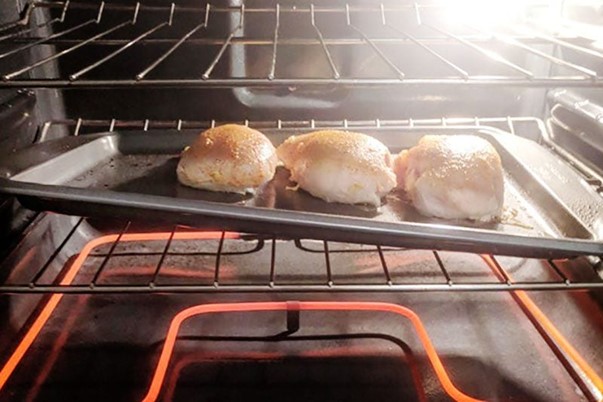
Warping of baking sheets affects your baking results in several ways. It changes how heat spreads across the surface. This can make your baked goods cook unevenly. Warped sheets also wear out faster. They may even cause safety issues in your kitchen.
Uneven Cooking Results
Warped baking sheets create hot and cold spots. Some parts cook faster than others. This leads to burnt edges and raw centers. Cookies may spread oddly or cakes might rise unevenly. Baking times become unpredictable and frustrating.
Reduced Lifespan Of The Sheet
Warping weakens the metal structure of the sheet. This can cause cracks or further bending. The sheet may lose its flat shape permanently. It becomes less useful for baking tasks. You might need to replace it sooner than expected.
Safety Concerns
Warped sheets can be unstable on oven racks. They may slide or tip when placing or removing food. Hot food or sheets can spill, causing burns. Handling a bent sheet requires more care. This raises the risk of kitchen accidents.
How To Prevent Warping
Preventing your baking sheet from warping helps keep it flat and useful for longer. Warping happens due to heat changes and metal quality. Simple steps can reduce the risk and keep your baking sheet in good shape.
Choosing The Right Baking Sheet
Select baking sheets made of heavy-gauge metal. Thicker metal resists warping better than thin sheets. Look for materials like aluminized steel or stainless steel. Avoid cheap, thin aluminum sheets. These bend easily under heat.
Preheating Techniques
Place your baking sheet in the oven while it heats up. Avoid putting a cold sheet into a hot oven. This sudden temperature change can cause warping. Let the sheet warm slowly with the oven. It helps the metal expand evenly.
Avoiding Sudden Temperature Shocks
Do not put a hot baking sheet on a cold surface. Avoid rinsing a hot sheet with cold water. Both cause quick temperature shifts and metal stress. Use a cooling rack or wooden board instead. Let the sheet cool down naturally before cleaning.
Proper Cleaning And Storage
Wash baking sheets with warm water and mild soap. Avoid harsh scrubbing tools that can damage the surface. Dry the sheet completely to prevent rust. Store baking sheets flat or hang them to keep their shape. Avoid stacking heavy items on top.

Credit: www.americastestkitchen.com
Fixing A Warped Baking Sheet
A warped baking sheet can cause uneven cooking and spills. Fixing it is possible with some simple steps. You can try manual methods or seek professional help. Knowing when to replace your sheet saves time and effort.
Manual Straightening Methods
Start by cooling the baking sheet completely. Place it on a flat, sturdy surface. Use a rubber mallet or rolling pin to gently tap the raised edges. Work slowly and check progress often. Avoid using too much force to prevent further damage.
Another way is to apply heat carefully. Warm the baking sheet slightly in the oven. Remove it and quickly press the warped part flat with a heavy object. Let it cool down while weighted. This may help the metal relax back into shape.
Professional Repair Options
Some metal repair shops offer baking sheet straightening. They use specialized tools for precise flattening. This option works well for expensive or favorite sheets. It costs more but can extend the sheet’s life. Search locally for metal or kitchenware repair services.
When To Replace Your Baking Sheet
Replace the sheet if warping is severe or cracks appear. Deep dents or rust reduce cooking quality and safety. Also consider replacement if repairs do not hold. A flat, sturdy baking sheet ensures even heat and better baking results.
Credit: www.dvo.com
Frequently Asked Questions
Why Does My Baking Sheet Warp In The Oven?
Baking sheets warp due to rapid temperature changes causing metal expansion. Thin metal heats unevenly, leading to bending and warping during baking.
Can Warping Affect Baking Performance?
Yes, warping causes uneven heat distribution. This results in inconsistent cooking and may burn or undercook your food.
How Can I Prevent My Baking Sheet From Warping?
Avoid sudden temperature changes and preheat the oven fully. Use heavier, high-quality baking sheets that resist warping.
Is Warping Common With All Baking Sheets?
Warping is more common in thin, low-quality sheets. Thick, heavy-duty sheets are less likely to warp during normal use.
Conclusion
Baking sheets warp because of quick temperature changes or thin metal. Warping can affect how your food cooks. To avoid this, use heavy, high-quality sheets. Let your baking sheet warm slowly in the oven. Cool it down gradually after use.
Taking these steps helps keep your sheet flat. This means better baking results every time. Understanding why warping happens saves you time and money. Keep your baking tools in good shape for tasty meals. Simple care goes a long way in the kitchen.