

Craving a pizza that tastes like it’s fresh from an authentic pizzeria? You can achieve that perfect, crispy crust and melty cheese right at home by using a pizza stone.
It’s easier than you think, and once you learn the steps, your homemade pizza will impress everyone. Ready to discover the secret to restaurant-quality pizza? Keep reading, because your kitchen is about to become your new favorite pizza place.
Choosing The Right Pizza Stone
Choosing the right pizza stone makes a big difference in your pizza’s taste and texture. The stone holds heat and cooks the crust evenly. Picking the best stone depends on what material you prefer, the size, and how you will take care of it.
Material Options
Pizza stones come in different materials like ceramic, cordierite, and steel. Ceramic stones heat evenly but can crack if hot and cold mix. Cordierite is strong and handles heat changes well. Steel stones heat very fast and give a crispy crust. Choose material based on your cooking style and durability needs.
Size And Thickness
Size matters for fitting your oven and pizza size. A stone too big may not fit well. Too small limits pizza size. Thickness affects heat retention. Thicker stones hold heat longer but take more time to heat. Thin stones heat fast but cool quickly. Pick size and thickness to match your oven and pizza habits.
Maintenance And Care
Proper care keeps the stone working well for years. Avoid soap when cleaning; it can absorb and affect taste. Use a brush or scraper to remove leftover food. Let the stone cool completely before cleaning. Store it in a dry place to avoid cracks. Following care tips helps keep your stone ready for every pizza night.
Preparing The Pizza Stone
Preparing the pizza stone correctly sets the base for a perfect pizza crust. A hot, well-prepared stone absorbs moisture from the dough. This makes the crust crisp and evenly cooked.
Taking care of the stone before baking helps avoid cracks and damage. Follow simple steps to get the best results from your pizza stone.
Preheating Techniques
Place the pizza stone in a cold oven before turning it on. Set the oven to the highest temperature, usually between 450°F and 500°F. Let the stone heat for at least 30 minutes. This process ensures the stone becomes evenly hot. Avoid placing the stone in a preheated oven to prevent cracking.
Avoiding Thermal Shock
Thermal shock happens when the stone changes temperature too fast. This can cause the stone to crack or break. Do not put a cold stone into a hot oven. Avoid pouring cold water on a hot stone. Let the stone cool slowly inside the oven after use. Following these steps protects your pizza stone for many uses.
Proper Placement In Oven
Place the pizza stone on the middle rack of the oven. This position allows even heat circulation around the stone. Avoid placing the stone too close to the heating element. Give enough space for air to flow. Proper placement helps cook the pizza evenly and creates a crispy crust.
Making The Dough
Making the dough is the first and most important step in baking pizza on a pizza stone. The dough affects the pizza’s texture and taste. A good dough is soft, stretchy, and easy to shape. It needs the right ingredients, proper kneading, and enough time to rest and rise.
Essential Ingredients
To make pizza dough, use simple and fresh ingredients. You need flour, water, yeast, salt, and a little olive oil. Use bread flour for a chewier crust. Warm water helps activate the yeast. Salt adds flavor and controls yeast activity. Olive oil gives the dough a smooth texture.
Kneading Tips
Kneading develops gluten, which makes the dough stretchy. Use your hands or a stand mixer with a dough hook. Knead for about 8 to 10 minutes until the dough is smooth and elastic. Avoid adding too much flour; the dough should be slightly sticky but manageable. Rest the dough if it feels too tight.
Resting And Proofing
Resting lets the gluten relax, making the dough easier to shape. Cover the dough with a damp cloth or plastic wrap. Let it rest for at least 30 minutes at room temperature. Proofing is the rising phase. Leave the dough in a warm place for 1 to 2 hours until it doubles in size. Proper proofing improves flavor and texture.

Credit: www.napoleon.com
Shaping And Topping The Pizza
Shaping and topping the pizza is an important step to get a perfect pie. It affects the pizza’s texture and flavor. A good shape helps the pizza cook evenly on the stone. The right toppings add taste and keep the dough from getting soggy.
Stretching The Dough
Start with room temperature dough. Press it gently with your fingers to flatten. Use your hands to stretch the dough evenly. Avoid using a rolling pin to keep air bubbles inside. Stretch until the dough is about 12 inches wide. Keep the edges a little thicker for a crust.
Choosing The Right Sauce
Pick a sauce that matches your taste. Tomato sauce is classic and fresh. Use a thin layer to avoid sogginess. You can try pesto or olive oil for variety. Spread the sauce evenly, leaving space at the edges. This helps the crust stay crispy.
Selecting Toppings
Choose toppings that cook well on a pizza stone. Thin slices of vegetables and meats work best. Avoid too many wet toppings, which can make dough soggy. Use cheese that melts nicely, like mozzarella. Less is more for balanced flavors and good baking.
Transferring Pizza To The Stone
Transferring pizza onto a hot pizza stone is a key step. It can be tricky without the right tools and methods. The goal is to move the pizza quickly and safely before it sticks or loses shape. This process helps achieve a crispy crust and even cooking.
Using A Pizza Peel
A pizza peel is a flat, wide tool. It looks like a large paddle. Place your dough on the peel before adding toppings. The peel slides the pizza onto the stone. Use a quick, confident motion to avoid dropping the pizza.
Choose a peel made of wood or metal. Wooden peels prevent dough from sticking. Metal peels are thinner and slide easily under the dough. Dust the peel with flour or cornmeal to help the pizza move smoothly.
Preventing Dough Sticking
Sprinkle a layer of flour or cornmeal on the peel. This stops the dough from sticking. Use just enough to cover the surface. Too much can burn in the oven and taste bitter.
Stretch the dough gently and keep it thin in the center. Thick dough sticks more easily. Toss the dough lightly on the peel to loosen it before moving.
Handling Techniques
Hold the peel steady and level. Shake it gently to check if the pizza slides freely. If it sticks, lift the stuck part and add more flour.
Slide the peel quickly under the pizza, then push forward with a quick jerk. This motion transfers the pizza onto the hot stone. Avoid slow or hesitant moves. They can cause the dough to tear or fold.
Credit: www.tasteofhome.com
Baking For A Crispy Crust
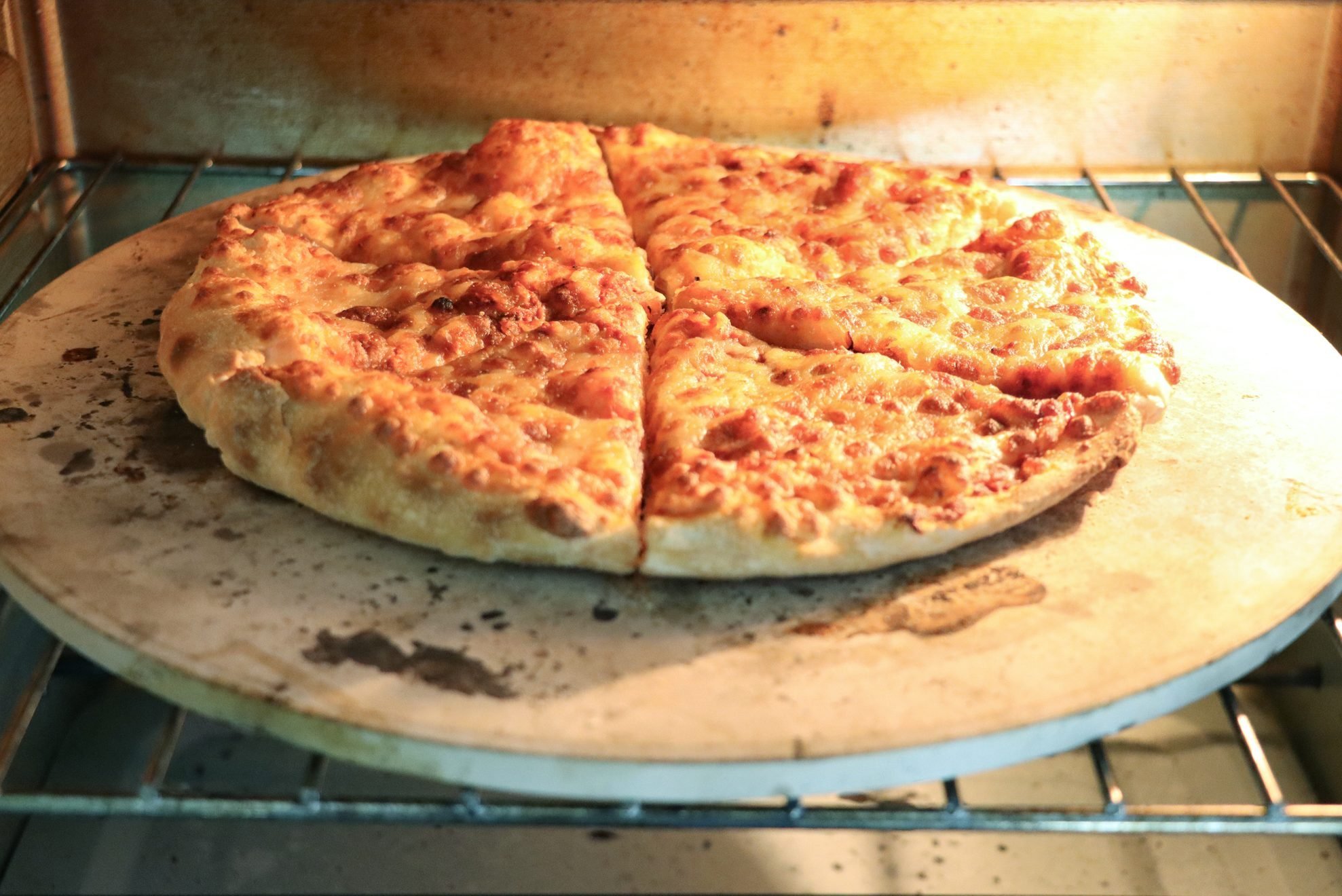
Baking pizza on a pizza stone helps create a crispy crust that tastes great. The stone absorbs heat and spreads it evenly. This process makes the bottom of the pizza cook faster and more evenly. The result is a crust that is crunchy outside and soft inside.
To get the best crust, the oven temperature and baking time need careful attention. Watching the pizza while baking also helps prevent burning and ensures perfect cooking.
Optimal Oven Temperature
Set the oven temperature between 475°F and 500°F. This high heat makes the pizza stone very hot. The hot stone cooks the dough quickly. It helps form a crispy base without drying the toppings. Avoid lower temperatures as they may make the crust soggy.
Baking Time Tips
Bake the pizza for 8 to 12 minutes. Keep an eye on the crust color. A golden brown crust means it is done. Baking too long can burn the crust. Shorter times may leave the dough undercooked. Adjust time based on your oven’s strength and pizza size.
Monitoring Pizza While Baking
Check the pizza often through the oven window. Look for bubbling cheese and browning crust. Rotate the pizza halfway through baking for even cooking. Use a peel or oven mitts carefully. Quick checks stop the pizza from burning or staying raw.
Post-baking Care
Taking care of your pizza stone after baking is very important. Proper care keeps the stone in good shape for many pizzas. This helps the stone last longer and keeps your pizza cooking evenly. Follow these simple steps for post-baking care.
Removing Pizza Safely
Use a wide spatula or pizza peel to lift the pizza. Slide the tool gently under the pizza crust. Avoid scraping hard against the stone to prevent damage. Lift the pizza slowly and keep it balanced. Place the pizza on a cutting board or plate immediately.
Cooling And Serving
Let the pizza stone cool in the oven after baking. Do not take it out while it is very hot. Sudden temperature changes can crack the stone. Once cooled, remove the stone carefully. Serve the pizza fresh and hot for best taste.
Cleaning The Pizza Stone
Wait until the stone is completely cool before cleaning. Avoid using soap or detergent on the stone. Use a damp cloth or brush to remove leftover crumbs. For tough stains, gently scrub with a paste of baking soda and water. Rinse with clean water and dry thoroughly before storing.

Credit: www.youtube.com
Frequently Asked Questions
How Do I Prepare A Pizza Stone Before Baking?
To prepare a pizza stone, preheat it in the oven for 30-45 minutes at 500°F. Avoid using soap; just scrape off residue after use.
What Dough Works Best For Pizza On A Stone?
Use a high-hydration dough with flour, water, yeast, salt, and a bit of olive oil. This creates a crispy, chewy crust.
Can I Use A Pizza Stone In A Home Oven?
Yes, a pizza stone works well in home ovens. It evenly distributes heat for a crispy crust.
How Long Should I Bake Pizza On A Stone?
Bake the pizza for 8-12 minutes at 475-500°F until the crust is golden and cheese bubbles.
Conclusion
Making pizza on a pizza stone brings great taste and crisp crust. Preheat the stone well for the best results. Use fresh ingredients and spread toppings evenly. Slide your pizza carefully onto the hot stone. Watch it bake quickly for a golden finish.
Enjoy the smell and flavor of homemade pizza. Try different toppings to find your favorite. Practice makes perfect, so keep baking often. Your kitchen can feel like a pizzeria. Simple steps lead to delicious homemade pizza every time.