

When you step into your kitchen, choosing the right pan can make all the difference in how your meal turns out. You might have wondered: are a skillet and a frying pan the same thing, or do they serve different purposes?
Understanding the subtle differences between these two common cookware pieces can help you cook more efficiently and get better results. You’ll discover what sets a skillet apart from a frying pan, how their designs affect cooking, and when to use each one.
By the end, you’ll know exactly which pan to reach for to make your next dish a success. Ready to unlock your kitchen’s full potential? Let’s dive in!
Skillet Design
The design of a skillet plays a big role in how it cooks food. Skillets often have specific features that set them apart from regular frying pans. These features help in different cooking methods like searing, frying, or braising. Understanding skillet design helps you choose the right pan for your kitchen needs.
Depth And Side Shape
Skillets are usually deeper than frying pans. Their sides are higher and gently sloped. This shape holds liquids better. It also helps with stirring food without spilling. Frying pans tend to have lower, more flared sides. This design allows easy access for flipping food quickly.
Common Materials
Skillets come in many materials. Cast iron is a popular choice because it heats evenly and holds heat well. Stainless steel skillets are durable and easy to clean. Some skillets have non-stick coatings for easy cooking and cleanup. The material affects heat distribution and maintenance needs.
Handle Features
Skillet handles are long to keep hands away from heat. Many skillets also have a small helper handle on the opposite side. This makes lifting heavy skillets easier. Handles are often made from metal or heat-resistant materials. This helps with safe handling during cooking.
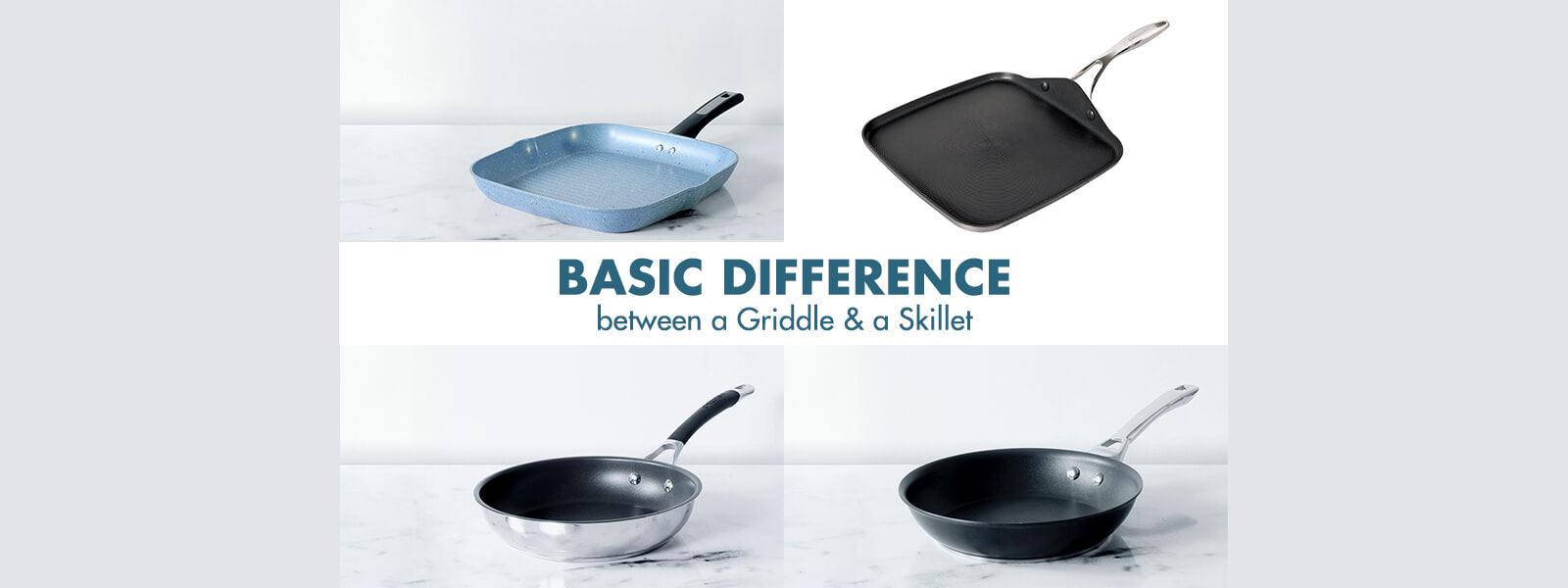
Credit: www.potsandpans.in
Frying Pan Design
The frying pan has a unique design that suits fast cooking. It is built for quick tasks like frying eggs or making pancakes. The shape and materials help heat spread evenly. This makes food cook faster and more evenly. Its design makes it easy to flip or stir food without much effort.
This pan usually has a wide, flat base and sides that slope up sharply. This shape helps keep food from spilling while giving easy access to the food inside. The frying pan’s design focuses on speed and ease during cooking.
Shallower With Pronounced Sides
Frying pans are generally shallower than skillets. Their sides are more angled and pronounced. This design helps cooks slide spatulas under food easily. It also allows steam to escape quickly. This keeps food crisp and prevents sogginess. The shallow depth is ideal for fast cooking and quick flips.
Typical Materials
Frying pans come in several common materials. Non-stick coatings are popular for easy cleaning and cooking. Stainless steel pans offer durability and even heating. Cast iron frying pans hold heat well but require more care. Aluminum pans heat quickly but may warp if thin. Each material affects cooking style and maintenance.
Handle Style
Frying pans usually have long handles. These handles stay cool and make it easy to move the pan. Some handles have a slight curve for better grip. Others feature heat-resistant covers to protect hands. The handle style supports quick and safe cooking. It also helps toss or flip food with control.
Cooking Uses Of Skillet
The skillet is a versatile tool in the kitchen. Its design allows for many cooking techniques. The higher sides and even heat distribution make it ideal for various dishes. This section explores the main cooking uses of a skillet.
Searing And Stir-frying
Skillets excel at searing meat and vegetables. The wide surface heats evenly, creating a nice crust. Stir-frying works well due to the skillet’s depth. It holds ingredients while allowing quick tossing and stirring. This makes it perfect for fast, high-heat cooking.
Braising And Liquid Cooking
The skillet’s higher sides hold liquids better than shallow pans. This makes it great for braising meats and vegetables. You can simmer sauces and stews without spills. The even heat helps cook food slowly and thoroughly. It combines frying and simmering in one pan.
Multi-step Dishes
Skillets handle complex recipes with several steps. You can brown food, add liquids, and finish cooking in the same pan. This saves time and reduces cleanup. Dishes like chicken with sauce or skillet casseroles benefit from this. The skillet adapts well to recipes needing frequent stirring and flipping.
:max_bytes(150000):strip_icc()/__opt__aboutcom__coeus__resources__content_migration__serious_eats__seriouseats.com__images__2017__09__20170928-skillet-saute-pan-2-0336ff924e8f4012af277aaa7da3d42a.jpg)
Credit: www.seriouseats.com
Cooking Uses Of Frying Pan
The frying pan is a key tool in many kitchens. It suits quick and simple cooking tasks well. Its design allows easy access to food for turning or stirring. This makes it a popular choice for daily meals. Below are common cooking uses of a frying pan.
Quick Flipping Tasks
The frying pan’s shallow sides help with fast flipping. Foods like stir-fried vegetables or small cuts of meat move easily. The wide surface helps spread heat evenly. This speeds up cooking and prevents burning. The pan’s shape lets you toss food with a flick of the wrist.
Eggs And Pancakes
Eggs and pancakes cook best in a frying pan. The flat bottom offers a perfect surface for even heat. The sloped sides make sliding eggs or pancakes onto a plate simple. This pan helps achieve golden, crispy edges without sticking. It is the top choice for breakfast dishes.
Speed And Agility In Cooking
Frying pans heat up quickly and respond fast to temperature changes. This makes them ideal for meals that require fast cooking. Their lightweight design helps you handle them easily. You can move food around the pan with speed and precision. This agility supports cooking with control and care.
Choosing Between Skillet And Frying Pan
Choosing between a skillet and a frying pan can affect how well your dishes turn out. Both tools look similar but serve different cooking needs. Understanding when to use each helps improve your cooking experience. Also, knowing their benefits guides you in selecting the right pan for your kitchen.
When To Use A Skillet
Use a skillet for dishes needing more space and depth. It works well for searing meats and stir-frying vegetables. The higher sides keep liquids in, making it good for braising. Skillets handle multi-step recipes that require frequent stirring. They are perfect for cooking that needs steady heat and control.
When To Use A Frying Pan
Choose a frying pan for quick cooking tasks. Its shallow design allows easy flipping of foods like eggs and pancakes. The wide, flat bottom heats food evenly and fast. It suits recipes needing speed and agility. The sloped sides provide simple access to turn or move food.
Benefits Of Owning Both
Having both a skillet and frying pan adds versatility to your kitchen. You can handle a wide range of recipes and cooking styles. The skillet is great for deep cooking and slow heat. The frying pan excels at fast, simple tasks. Together, they cover almost all your cooking needs.
Skillet Vs Frying Pan Key Differences
Understanding the key differences between a skillet and a frying pan helps you choose the right tool for cooking. Both pans share similarities but have unique features that affect their use. These differences impact cooking style, food texture, and meal preparation. Let’s explore the main distinctions clearly.
Shape And Size Comparison
Skillets usually have deeper sides and a wider base. Their sides often slope gently upward, creating more volume inside. Frying pans tend to be shallower with flared, sloping sides. This shape allows easy access to the food for flipping and stirring. Skillets can hold more food and liquids compared to frying pans. Frying pans are generally lighter and easier to handle due to their smaller size.
Cooking Versatility
Skillets suit a variety of cooking methods like searing, sautéing, and braising. Their depth allows for cooking with sauces or liquids. Frying pans are perfect for quick tasks such as frying eggs or pancakes. They provide better control for fast flipping and turning. Skillets handle multi-step recipes better because of their size and shape. Frying pans focus on speed and simplicity during cooking.
Heat Distribution
Both skillets and frying pans offer good heat distribution, but skillets excel in retaining heat evenly. Their thicker walls and base help maintain stable temperatures. Frying pans heat up quickly, which suits fast cooking but may cause uneven spots. Skillets provide consistent heat, ideal for slow cooking or searing meat. Choosing between them depends on your cooking style and heat needs.
Materials And Maintenance
Materials and maintenance play a big role in choosing between a skillet and a frying pan. Different materials affect how the pan cooks and how easy it is to clean. Some pans need special care, while others are simpler to maintain. Knowing the types of materials helps in picking the right pan for your kitchen.
Cast Iron Skillets
Cast iron skillets are very strong and last a long time. They hold heat well, making them perfect for slow cooking. These skillets need seasoning to stay nonstick. Seasoning means coating the pan with oil and heating it. Avoid soap when cleaning; use hot water and a brush instead. Dry it well to stop rust. Cast iron skillets improve with use over time.
Stainless Steel Options
Stainless steel pans are shiny and durable. They do not react with food, so they keep flavors pure. These pans work well for browning and searing. Cleaning is easy with soap and water. Sometimes food sticks, but soaking helps. Stainless steel pans do not need special care. They are good for everyday cooking and dishwasher safe.
Nonstick Frying Pans
Nonstick frying pans have a coating that stops food from sticking. They need less oil, which is good for healthy cooking. Use soft utensils like wood or silicone to avoid scratches. Hand wash with mild soap to protect the coating. Avoid high heat to keep the nonstick surface safe. These pans are easy to clean but may wear out faster than others.

Credit: deliciouslyrushed.com
Frequently Asked Questions
Are Skillet And Frying Pan The Same?
A skillet and frying pan are similar, both have flat bottoms and long handles. Skillets are deeper with higher sides, ideal for searing and braising. Frying pans are shallower, best for quick cooking and flipping foods like eggs or pancakes.
What Is Considered A Skillet?
A skillet is a flat-bottomed pan with a long handle and sloped sides. It suits frying, searing, and sautéing. Made from cast iron, stainless steel, or aluminum, skillets offer versatility for stovetop and oven cooking. Their sloped sides help with easy stirring and flipping.
Can You Use A Skillet To Fry Food?
Yes, you can use a skillet to fry food. Its flat bottom and sloped sides make frying easy and efficient. Skillets distribute heat evenly, perfect for frying meats, vegetables, and eggs. Choose a skillet for versatile frying tasks requiring good heat control and easy food flipping.
What Cannot Be Cooked In A Cast Iron Skillet?
Avoid cooking acidic foods like tomatoes and citrus in cast iron; they damage seasoning and cause metallic taste. Also, do not cook delicate fish or sticky eggs without proper seasoning. Boiling or simmering liquids for long periods can harm the pan’s seasoning and promote rust.
Conclusion
Choosing between a skillet and a frying pan depends on your cooking needs. Skillets work well for dishes needing more space and liquid. Frying pans suit quick cooking and easy flipping. Both have unique shapes that affect how food cooks.
Keeping both in your kitchen helps handle different recipes. Understanding their differences improves your cooking experience. Simple tools, better meals.