

Are you curious about how much electricity your induction cooktop really uses? Understanding its power consumption can help you save money and make smarter choices in your kitchen.
Unlike traditional stoves, induction cooktops heat your cookware directly, which means faster cooking and less wasted energy. But what does that mean for your electricity bill? You’ll discover how induction cooktops compare to gas and electric models, why they might require special wiring, and how their efficiency can impact your energy costs.
Keep reading to learn how your cooking habits and equipment affect your electricity use—and how switching to induction could be a game changer for your home.

Credit: daymond.ir
Induction Cooktop Energy Use
Induction cooktops need special electrical setup to work properly. Their power use is different from regular stoves. Understanding these needs helps avoid problems and ensures safe cooking.
Many induction cooktops draw a lot of power quickly. This requires careful planning of your home’s electrical system. Proper wiring and circuits keep your kitchen safe and efficient.
High Wattage Needs
Induction cooktops usually need between 1,800 and 3,700 watts. Some models can use even more power on boost mode. This high wattage allows fast heating and precise temperature control. Your home’s electrical system must support this load without tripping breakers.
Dedicated Circuit Importance
A dedicated circuit means the cooktop has its own power line. This prevents overload from other appliances running at the same time. Without a dedicated circuit, you risk frequent power trips or damage to wiring. Most electricians recommend installing a separate circuit for induction cooktops.
Impact On Home Wiring
Older homes may have wiring that cannot handle induction cooktops. Upgrading wires and circuit breakers might be necessary. This upgrade ensures safe power delivery and prevents fire hazards. A licensed electrician can check your wiring and suggest needed improvements.

Credit: www.sacm.ac.in
Electrical Requirements
Saving energy with an induction cooktop is simple and smart. Small changes in how you use it can lower electricity use. These tips help you cook efficiently and cut energy waste.
Using Appropriate Cookware
Choose cookware with a flat, magnetic base. This helps the cooktop transfer heat well. Avoid pots that are too small or too large for the burner. Proper cookware size saves energy by heating quickly and evenly.
Optimizing Heat Settings
Use medium or low heat settings for most cooking tasks. High heat consumes more electricity and may burn food. Adjust heat to match what you cook. This keeps energy use low and food tasty.
Avoiding Unnecessary Boost Mode
Boost mode uses a lot of power in a short time. Use it only when you need very fast heating. For regular cooking, normal settings work fine. Avoiding boost mode saves electricity and reduces peak power demand.
Credit: daymond.ir
Frequently Asked Questions
Do Induction Cooktops Use A Lot Of Electricity?
Induction cooktops use electricity efficiently by heating cookware directly, reducing wasted energy. They have high peak power needs but lower overall consumption than gas or traditional electric stoves. This efficiency often leads to faster cooking and lower energy bills despite occasional high wattage draws.
Is It Cheaper To Cook With Gas Or Induction?
Cooking with induction is generally cheaper due to higher energy efficiency and faster heating than gas stoves. Induction wastes less energy by heating cookware directly. Though induction needs a dedicated circuit, its overall electricity cost is lower than gas fuel expenses.
What Is The Downside Of An Induction Cooktop?
Induction cooktops require cookware compatible with magnetic materials. They need a dedicated electrical circuit due to high power demand. Initial costs are higher than traditional stoves. Some users may find the electromagnetic noise distracting during use.
How Much Does It Cost To Run An Induction Cooktop?
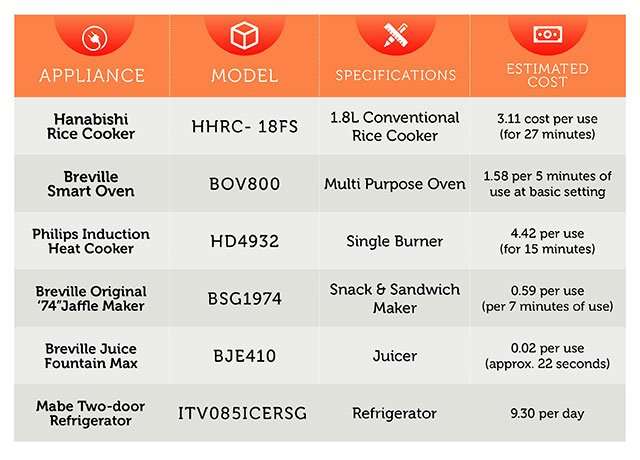
Running an induction cooktop costs about $0. 10 to $0. 20 per hour, depending on usage and electricity rates. Induction cooktops heat faster and use energy efficiently, lowering overall electricity costs compared to traditional stoves. Peak power demand may require a dedicated circuit but saves money long-term.
Conclusion
Induction cooktops use electricity smartly and save energy overall. They heat pots directly, cutting wasted power and cooking time. Peak power needs can be high, so a special circuit might be needed. Despite this, their efficient design lowers your energy bills compared to gas or traditional electric stoves.
Choosing induction means faster cooking and less electricity use. It’s a practical option for saving energy in the kitchen.