

You might be wondering if it’s safe to put your wooden cutting board in the oven. After all, it seems like a handy way to warm it up or maybe even use it as a baking surface.
But before you slide that board into the heat, it’s important to know what really happens to wood in the oven. Could it warp, crack, or even catch fire? And what about hygiene—does oven heat help sanitize your board? Keep reading to discover the surprising truth about wooden cutting boards and ovens, plus expert tips on how to care for your board safely and effectively.
This knowledge will save your kitchen tools and keep your cooking safe!
Heat Resistance Of Wood Boards
Wood cutting boards are common kitchen tools loved for their natural look and durability. Understanding their heat resistance helps keep them safe and functional. Wood is not made to handle high oven temperatures. It can change shape, crack, or burn when exposed to heat above a certain level.
Knowing how much heat wood can take prevents damage and safety risks. Each type of wood has different heat resistance, but most cutting boards are not oven-proof. This section explains the heat resistance of wood boards and why putting them in the oven is not a good idea.
What Is Heat Resistance In Wood Cutting Boards?
Heat resistance means how well wood can resist heat without damage. Wood is a natural material made of fibers that can dry out or burn when hot. Most cutting boards handle room temperature or warm food, not oven heat. High heat can cause wood to crack, warp, or catch fire.
Temperature Limits Of Wood Boards
Wood cutting boards usually start to get damaged at 200°F (93°C) and above. Most ovens operate at 350°F (177°C) or higher. This heat is too strong for wood boards. Exposure can cause warping or dark burn marks. Prolonged heat can dry the wood and make it brittle.
Risks Of Putting Wood Boards In The Oven
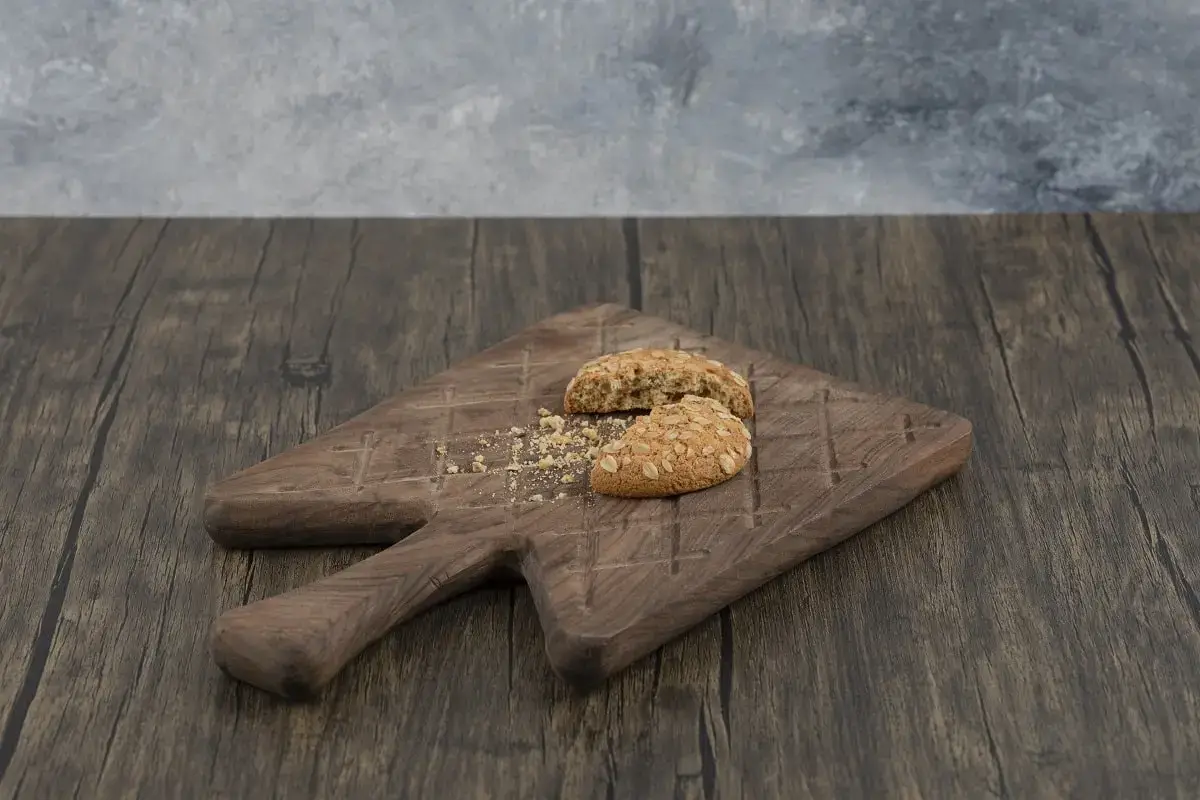
Oven heat can make wood dry and crack. It can also cause fire hazards if the board gets too hot. Wood can release odors and chemicals when heated. Heat may also damage finishes or oils used on the board. These risks make wood boards unsafe for oven use.
Credit: www.asperadesign.store
Risks Of Oven Use
Using a wood cutting board in the oven brings several risks. Wood is not made to handle high heat like metal or stone. This can cause damage to the board and create safety problems. Understanding these risks helps protect your kitchen and food.
Warping And Cracking
Wood absorbs heat unevenly, causing it to warp. Warping changes the shape and makes the board unstable. Cracking can also occur as the wood dries out from the heat. Cracks weaken the board and make it unsafe for use.
Fire Hazard
Wood is flammable and can catch fire in the oven. High temperatures can ignite dry or oily parts of the board. This risk increases if the board is old or has deep cuts. Fire in the oven can cause serious damage and injury.
Sanitation Issues
Heat can open wood pores, trapping bacteria and food particles. Deep cuts or cracks make cleaning difficult. This leads to possible cross-contamination and foodborne illness. Oven heat does not sanitize wood like it does metal or glass.
Release Of Oils And Splinters
Wood contains natural oils that can leak under heat. These oils may affect food taste and safety. Oven heat can also cause small splinters to break off. Splinters in food pose a choking hazard and reduce hygiene.
Safe Alternatives For Baking
Using a wooden cutting board inside the oven is unsafe due to heat damage and fire risk. Choosing the right baking surface helps protect your food and kitchen tools. Several safe alternatives provide excellent heat resistance and baking results.
These options offer durability, even heat distribution, and ease of use. They keep your cooking safe and efficient.
Pizza Stones
Pizza stones are made from ceramic or cordierite. They absorb moisture and create a crispy crust. Preheat the stone in the oven for best results. Pizza stones handle high temperatures without damage. They are perfect for baking pizzas, bread, and pastries.
Metal Baking Sheets
Metal baking sheets are versatile and oven-safe. They conduct heat quickly and evenly. You can use them for cookies, roasting vegetables, and more. These sheets are easy to clean and store. Choose heavy-gauge aluminum or stainless steel for durability.
Specialized Wooden Pizza Peels
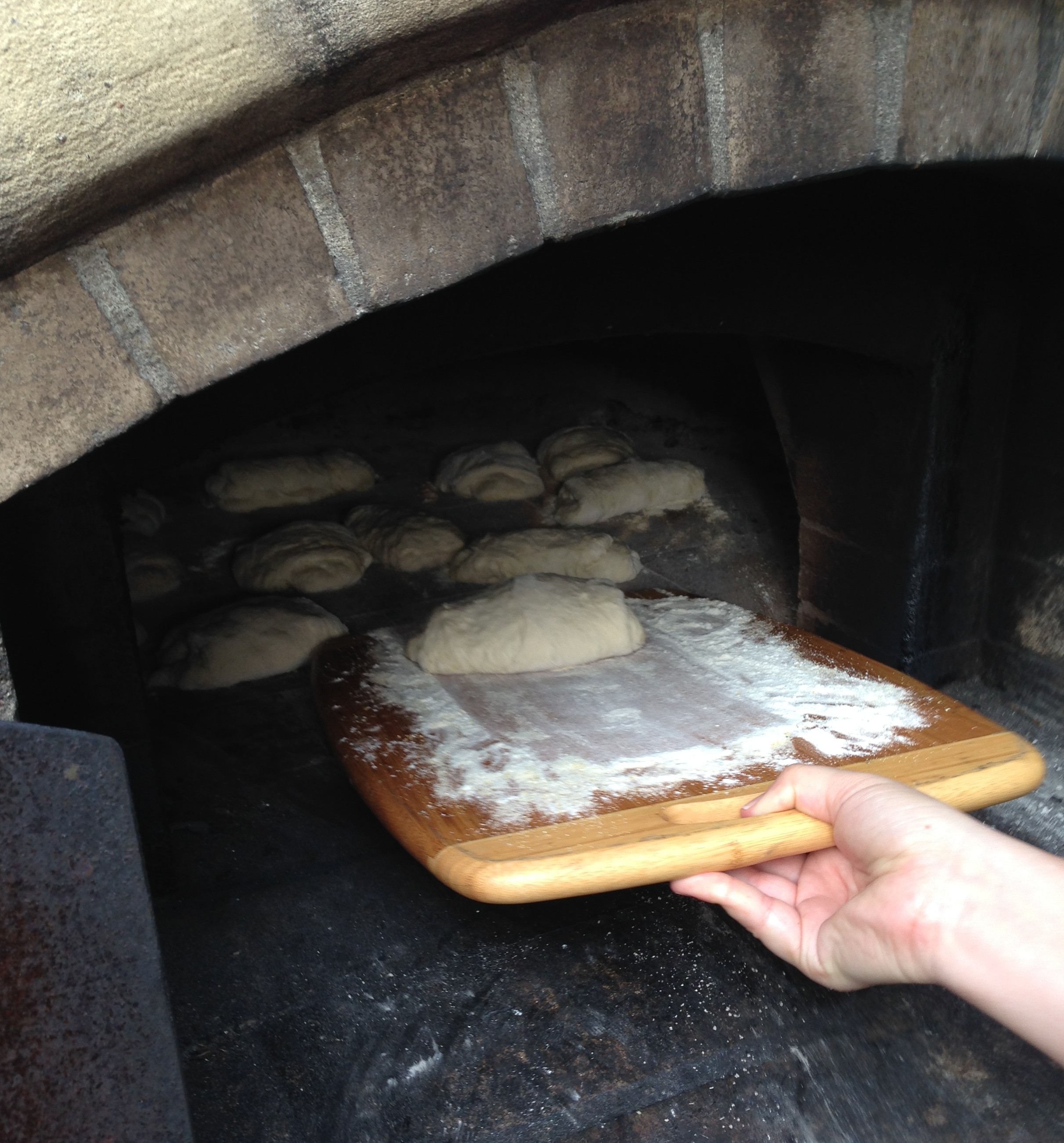
Wooden pizza peels help slide pizzas into the oven. They are made from hardwoods designed for heat resistance. Use them only to transfer food, not as baking surfaces. Their smooth surface prevents sticking and makes handling easier. Peels add safety and convenience while baking.
Credit: texasovenco.com
Proper Care For Wood Boards
Proper care for wood boards ensures they last longer and stay safe for food use. Wood is a natural material. It can absorb moisture and bacteria if not cared for properly. Simple steps help keep wood boards clean and strong. These steps also prevent damage and keep the wood looking good.
Cleaning And Sanitizing
Clean wood boards right after use. Use warm, soapy water and a soft sponge. Avoid soaking wood boards in water. It can make the wood swell and crack. Rinse well and dry with a clean towel. Stand the board upright to air dry fully. To sanitize, use vinegar or diluted bleach. These kill bacteria without harming the wood.
Avoiding Raw Meat Contact
Raw meat can carry harmful bacteria. Use a separate board for raw meat, poultry, and seafood. This stops cross-contamination with other foods. Mark boards with colors or labels to keep them separate. Wash and sanitize boards used for raw meat right away. This keeps your kitchen safer and food healthier.
Maintaining Wood Integrity
Keep wood boards in good shape by oiling them regularly. Use food-safe mineral oil or beeswax. This seals the wood and stops drying or cracking. Avoid strong detergents and dishwashers. They can strip natural oils from the wood. Store boards in a dry place away from heat. Proper care keeps wood boards smooth and durable for years.
Using Wood In Pizza Preparation
Wood plays a special role in making pizza. It adds tradition and style to the process. But not all wooden items are safe for oven use. Using the right wood tools improves your pizza experience.
Wooden cutting boards are great for slicing and serving. Still, they are not made to handle oven heat. On the other hand, wood pizza peels are built to handle hot pizzas and ovens. Knowing the difference helps keep your kitchen safe.
Wooden Peels Vs Cutting Boards
Wooden peels are thin, flat boards with a handle. They slide pizzas into the oven with ease. Cutting boards are thicker and heavier. They absorb moisture and heat, making them unsafe for ovens.
Peels use hardwoods like maple or bamboo. These woods resist heat better and stay strong. Cutting boards are not designed for high temperatures. Putting them in the oven can cause cracks or fires.
Transferring Pizza Safely
Use a wooden peel to move pizza into the oven. Dust the peel with flour or cornmeal to prevent sticking. Slide the pizza quickly and carefully onto the baking surface.
After baking, use the peel to remove the hot pizza safely. Avoid using cutting boards for this task. They can warp or catch fire from the oven’s heat.
Credit: www.reddit.com
Frequently Asked Questions
Is A Wooden Cutting Board Heat Resistant?
Wooden cutting boards are not heat resistant. High heat can warp, crack, or burn the wood. Avoid placing them in ovens or near hot surfaces. Use them only for food prep, not cooking or baking.
What Are The Best Ways To Sanitize A Wood Cutting Board?
Sanitize wood cutting boards by scrubbing with hot, soapy water after use. Disinfect with white vinegar or diluted bleach. Dry thoroughly to prevent bacteria growth. Regularly oil boards with mineral oil to maintain condition and reduce cracking. Avoid soaking or dishwasher cleaning to preserve wood integrity.
Can You Bake A Pizza On A Wooden Cutting Board?
No, do not bake pizza on a wooden cutting board. Oven heat can scorch, crack, or ignite the wood. Use a pizza stone or metal baking sheet instead.
Can I Put A Piece Of Wood In The Oven?
Do not put wood in a regular oven. High heat can cause it to warp, crack, dry out, or catch fire. Use oven-safe materials instead.
Conclusion
Wood cutting boards are not safe for oven use. High heat can cause warping, cracking, or even fire. Using a wooden board inside the oven damages it quickly. Instead, choose oven-safe tools like pizza stones or metal baking sheets. Wooden pizza peels work well for transferring food but not for baking.
Protect your cutting boards by keeping them out of the oven. This keeps them durable and safe for food prep. Always use the right tools to avoid accidents and damage. Your kitchen will stay safer and your food tastier.