
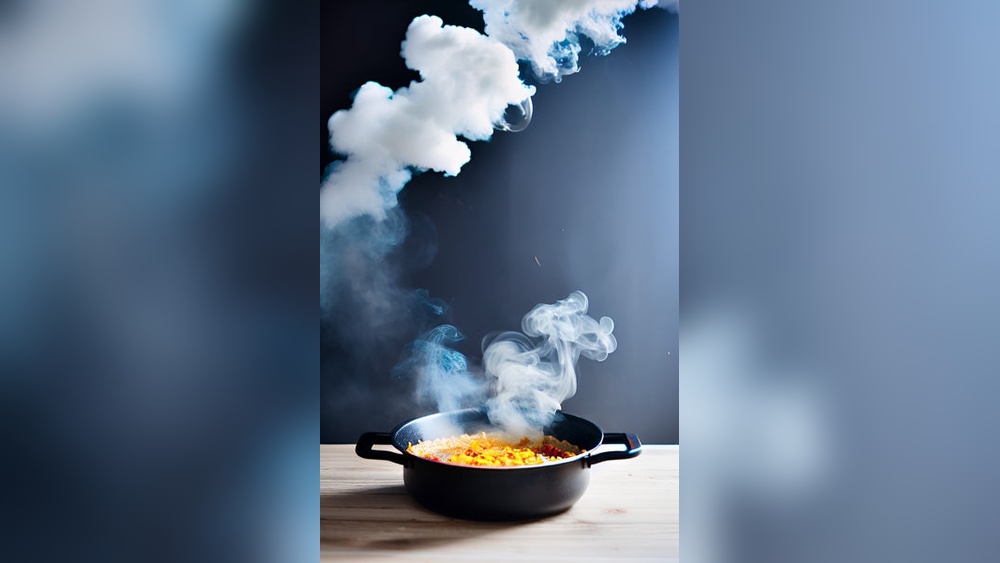
Have you ever started cooking only to be greeted by a cloud of smoke rising from your pan? It’s frustrating, and you might wonder, “Why does my pan smoke when cooking?” You’re not alone.
Smoke from your pan can ruin the flavor of your food, set off alarms, and even make your kitchen uncomfortable. But understanding why this happens is the first step to stopping it. You’ll discover the simple reasons behind that smoke, the common mistakes that cause it, and easy fixes you can use right away.
Keep reading to learn how to cook without the smoke and enjoy a cleaner, calmer kitchen every time you cook.
Common Causes Of Pan Smoking
Pan smoking during cooking can disrupt your kitchen experience. Understanding common causes helps you control the smoke. It also improves cooking results. Many factors lead to smoking pans. These include temperature, oil choice, and pan condition.
Overheating The Pan
Heating the pan too high causes smoke quickly. Most pans have a heat limit. When exceeded, oils and food burn. This creates visible smoke and unpleasant smells. Using medium or medium-low heat reduces this risk. Avoid leaving an empty pan on high heat for long.
Using Low Smoke Point Oils
Oils differ in their smoke points. Low smoke point oils burn easily. Examples include butter and unrefined olive oil. Using these oils on high heat creates smoke fast. Choose oils like avocado or canola for cooking. They handle heat better and produce less smoke.
Residue And Burnt Food
Leftover bits from previous cooking burn and create smoke. Sticky food or oil residue builds up over time. This residue burns quickly at cooking temperatures. Clean your pan thoroughly after each use. Proper cleaning prevents smoke and keeps flavors pure.
Improper Pan Seasoning
Cast iron and carbon steel pans need correct seasoning. Poor seasoning causes food to stick and burn. Burnt layers from bad seasoning produce smoke. Regularly maintain seasoning by applying thin oil layers. This keeps the surface smooth and smoke-free.
Choosing The Right Cooking Oil
Choosing the right cooking oil is key to reducing pan smoke. Oils differ in how much heat they can handle before smoking. Using the wrong oil can cause your pan to smoke and ruin your food’s taste. Selecting an oil with a higher smoke point helps keep your cooking smooth and smoke-free.
High Smoke Point Oils To Use
Oils like avocado, canola, and sunflower have high smoke points. They can handle heat above 400°F without smoking. These oils stay stable and do not break down quickly. Using them lets you cook at higher temperatures safely. Peanut oil and refined olive oil are also good choices for high heat.
Oils To Avoid For High Heat
Butter, unrefined olive oil, and flaxseed oil have low smoke points. They start to smoke at temperatures below 350°F. These oils break down quickly and create smoke and off flavors. Avoid using these oils for frying or searing. Save them for low-heat cooking or dressings instead.
Coating Food Instead Of Pan
Another trick is to coat your food with oil, not the pan. This uses less oil and reduces smoke from the pan surface. It also helps the food cook evenly and prevents sticking. Simply brush or toss the food lightly with oil before placing it in the hot pan.
Managing Heat Levels
Managing heat levels is key to preventing your pan from smoking while cooking. Too much heat causes oils and fats to burn quickly. This creates smoke and can ruin your food. Keeping the right temperature lets you cook evenly and avoid smoke. Simple steps help control heat and keep the kitchen smoke-free.
Optimal Heat Settings For Cooking
Use medium or medium-low heat for most dishes. High heat burns oils and causes smoke fast. Adjust the flame to match your food. Sauté vegetables on medium heat for even cooking. For searing meat, raise heat just before adding food. Lower the heat as soon as the food starts cooking. This balance stops smoke and keeps food juicy.
Combining Butter With Oils
Butter tastes great but burns easily. Mix butter with oils that have higher smoke points. Canola or avocado oil works well. This blend raises the temperature butter can handle. It adds flavor without creating smoke. Use a small amount of butter for taste. Add oil to protect it from burning. This trick helps cook at higher heat without smoke.
Avoiding Excessive Preheating
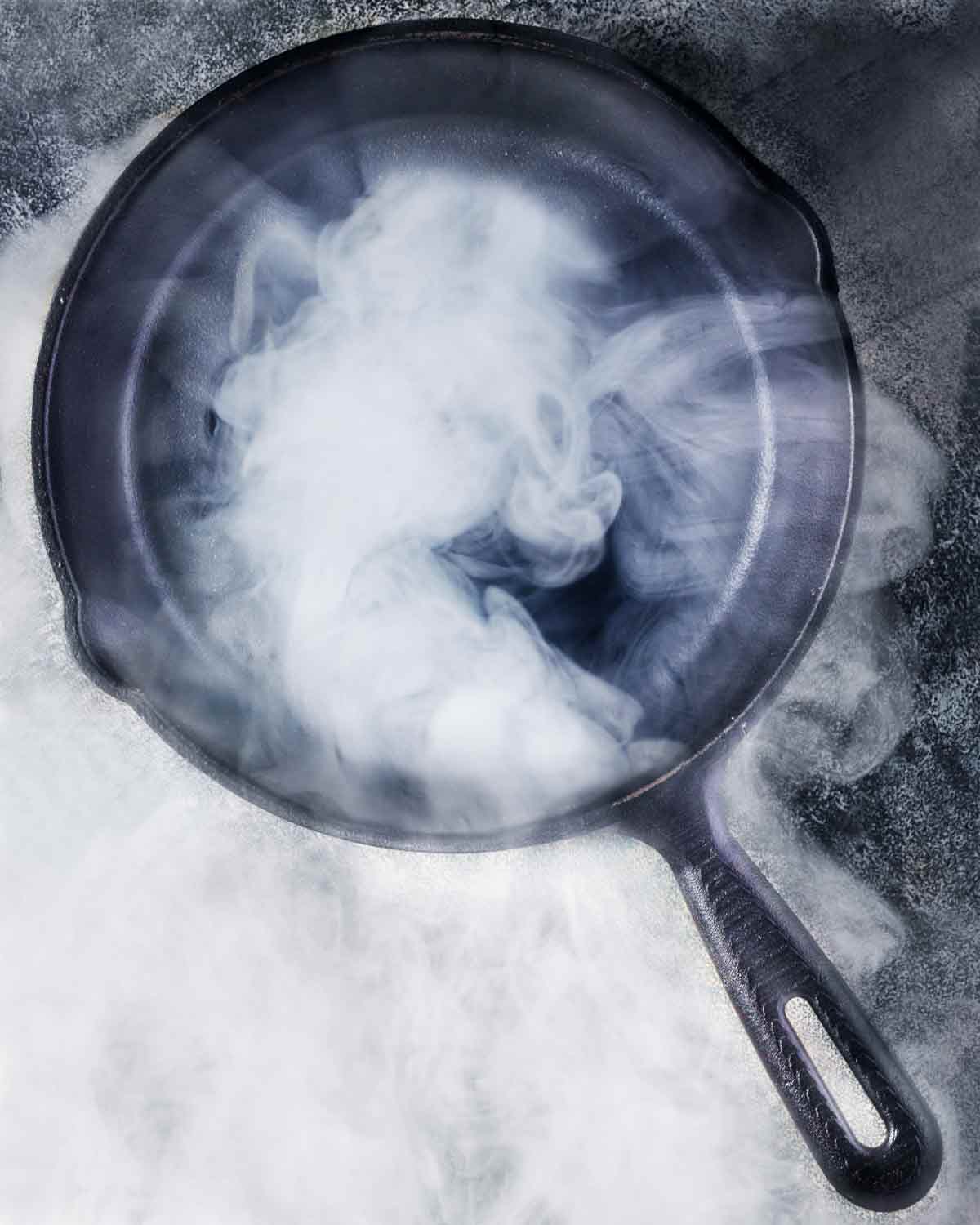
Preheating the pan is important, but too long causes smoke. Heat the pan just until warm before adding oil or food. Overheating dries out oil and makes it burn fast. Watch for smoke or smell before adding ingredients. If the pan smokes, remove it from heat and cool it slightly. Proper preheating saves oil and stops your pan from smoking.
Credit: leitesculinaria.com
Proper Pan Maintenance
Proper pan maintenance is key to preventing smoke during cooking. A well-maintained pan heats evenly and reduces burnt residue buildup. This keeps your cooking environment clean and smoke-free. Following simple care steps can extend your pan’s life and improve your cooking results.
Cleaning Burnt Residue
Burnt food left in pans causes smoke and bad smells. Clean your pan soon after cooking. Use warm water and a soft sponge to remove stuck bits. Avoid harsh scrubbing that can damage the pan’s surface. For stubborn residue, soak the pan in warm soapy water before cleaning. Proper cleaning stops smoke and preserves your pan.
Maintaining Cast Iron Seasoning
Cast iron pans need seasoning to prevent food from sticking. After cleaning, dry the pan completely to avoid rust. Rub a thin layer of cooking oil on the surface. Heat the pan gently to set the oil. This process creates a natural non-stick layer. Proper seasoning reduces smoke by preventing food from burning onto the pan.
Keeping Oven Surfaces Clean
Oven spills and grease can burn and create smoke during cooking. Wipe the oven interior regularly to remove food particles and grease. Use oven-safe cleaners or a mixture of baking soda and water. Clean oven racks and trays often. A clean oven helps maintain a smoke-free cooking environment and improves heat distribution.
Techniques To Reduce Smoke
Reducing smoke while cooking improves kitchen air quality and food taste. Simple techniques help you control smoke without losing heat or flavor. These methods keep your pan clean and cooking smooth. Use these tips to enjoy a smoke-free cooking experience.
Avoiding Overcrowding The Pan
Do not put too much food in the pan at once. Overcrowding lowers the pan’s temperature. This causes food to release moisture and steam. Steam leads to more smoke and less crisp food. Cook in smaller batches for better heat control and less smoke.
Adjusting Cooking Processes
Preheat your pan just enough before adding food. Too much heat causes oil to burn and smoke. Add oil after the pan is warm, not before. Use cooking oils with high smoke points like canola or avocado oil. Clean the pan well to remove old food residue that can burn.
Using Medium Heat For Searing
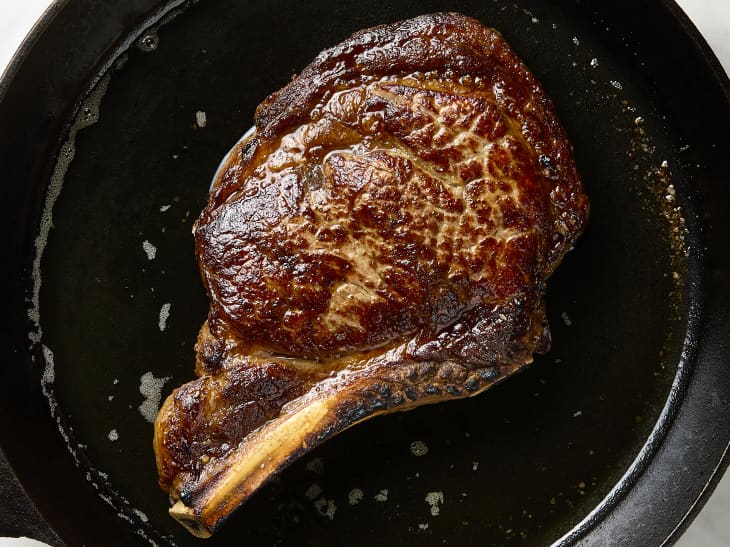
Use medium heat instead of high heat for searing. High heat burns oil quickly and creates smoke. Medium heat cooks food evenly and reduces burning. For butter, mix it with a high smoke point oil to raise its heat limit. This keeps the pan from smoking while searing.
Credit: www.thekitchn.com
Special Considerations For Different Pans
Different types of pans react differently to heat and oil. Understanding these differences helps reduce smoke while cooking. Each pan material needs special care to avoid overheating and burning. Knowing how to handle each pan keeps your kitchen smoke-free and your food tasty.
Nonstick Pan Tips
Nonstick pans heat quickly and can smoke if too hot. Use medium or low heat to protect the coating. Avoid cooking sprays, which build up and cause smoke. Clean nonstick pans gently to keep the surface smooth. Use oils with a high smoke point like canola or avocado. Never preheat an empty nonstick pan; it can overheat fast.
Cast Iron Pan Smoking Solutions
Cast iron holds heat well and can get very hot. Preheat slowly to avoid sudden smoking. Use oils with a high smoke point for seasoning and cooking. Avoid using too much oil, which can burn and smoke. Clean cast iron properly and dry it to prevent residue. A well-seasoned pan creates a natural nonstick surface that reduces smoke.
Stainless Steel Pan Guidelines
Stainless steel pans often need higher heat for good cooking. Preheat the pan, then add oil before food. Use oils that tolerate heat, like sunflower or grapeseed oil. Avoid overheating empty pans, which causes oil to burn. Clean pans well to remove stuck food that can smoke. Proper heat control helps avoid sticking and smoke.
When Is Pan Smoking Normal?
Pan smoking during cooking can be normal under certain conditions. Knowing when smoke is expected helps you avoid worry and keeps cooking safe. Some types of smoke show proper cooking, while others warn of problems.
Understanding normal pan smoke can improve your kitchen experience. It also helps you spot when smoke means trouble. Let’s explore when pan smoking is normal.
Brief Smoke During Cooking
Brief smoke often appears when oil heats quickly. This happens as oil reaches its smoke point, the temperature where it starts to burn. Small amounts of smoke that stop soon are normal. It means the pan is hot enough to cook food well.
Smoke usually fades once food goes into the pan. Food lowers the temperature and stops the oil from burning. If smoke continues, the heat may be too high or oil may be old.
Difference Between Smoke And Steam
Smoke and steam look similar but are very different. Steam is water vapor from food or liquids. It is white and light and does not smell bad. Smoke is darker and often has a strong odor.
Steam shows food is cooking with moisture. Smoke means something is burning or oil is overheating. Knowing this difference helps you control cooking better.
Safety Tips When Pan Smokes
Never leave a smoking pan unattended. Smoke can lead to fire if heat is too high. Turn down the heat or remove the pan from the burner.
Use oils with higher smoke points like avocado or canola oil. These oils resist burning and smoke less. Keep your pan clean to avoid leftover food burning.
Ventilate your kitchen well. Open windows or use a fan to clear smoke. This keeps air fresh and safe while you cook.
Credit: www.virtualweberbullet.com
Frequently Asked Questions
How Do I Stop My Pan From Smoking?
Reduce heat to medium or lower. Use oils with high smoke points like avocado or canola. Preheat pan briefly and avoid excess oil. Keep the pan clean and avoid overcrowding to prevent smoking.
Is It Bad If Your Pan Is Smoking?
A smoking pan usually means overheating or burning oil. Lower the heat and use oils with high smoke points to prevent damage and smoke.
How To Cook In A Pan Without Smoke?
Use medium heat and oils with high smoke points like avocado or canola. Preheat pan briefly and avoid overcrowding. Keep the pan clean and use minimal oil to prevent smoking.
Why Do I Get So Much Smoke When I Cook?
Excess smoke occurs when cooking oil exceeds its smoke point or food burns. Use medium heat, clean pans, and oils with high smoke points like avocado or canola to reduce smoke. Avoid overheating and overcrowding the pan for better results.
Conclusion
Pan smoking during cooking usually means the heat is too high or the oil is unsuitable. Lower the heat to medium or medium-low for better control. Use oils with higher smoke points like avocado or canola oil. Avoid overcrowding the pan to keep temperature steady and prevent steaming.
Always clean your pan well to remove burnt residue. Preheat the pan properly but don’t let it get too hot before adding food. These simple steps help you cook without smoke and enjoy better meals every time.