

Have you ever taken a sip of your favorite coffee only to feel a wave of nausea or discomfort soon after? If so, you’re not alone—and it’s more common than you might think.
Coffee can be a great morning pick-me-up, but for some people, it triggers unpleasant feelings that can leave you wondering, “Why does drinking coffee make me feel sick? ” Understanding what’s happening inside your body when you drink coffee can help you enjoy your cup without the queasy side effects.
You’ll discover the surprising reasons behind that sick feeling and simple tips to prevent it, so you can get back to savoring your brew with ease. Keep reading to find out what’s really going on and how you can fix it.
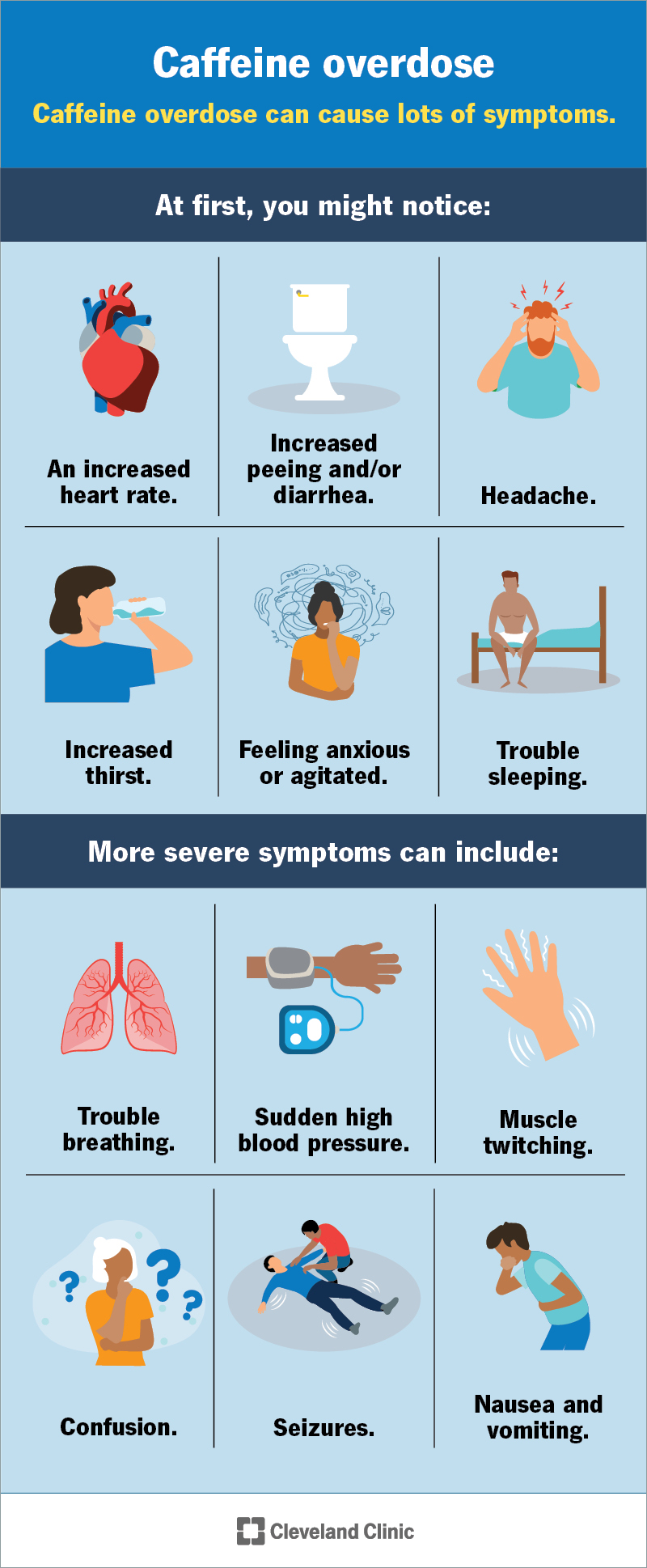
Credit: my.clevelandclinic.org
Stomach Acid And Coffee
Drinking coffee can affect your stomach acid levels, which might explain why you feel sick after a cup. Coffee influences the amount and strength of acid in your stomach. This acid helps with digestion but can cause discomfort when too much is produced or when the stomach lining is sensitive. Understanding how coffee interacts with stomach acid can help you find ways to enjoy your coffee without feeling unwell.
Increased Acid Production
Caffeine in coffee triggers your stomach to produce more acid. This extra acid can irritate the stomach lining. The irritation may cause nausea, heartburn, or a burning sensation. Drinking coffee on an empty stomach makes this effect stronger. People with sensitive stomachs or acid reflux feel this more often.
Natural Acidity Of Coffee
Coffee itself is naturally acidic. This acidity can upset your stomach, especially if it is already sensitive. Some coffee types have higher acid levels than others. Dark roast coffee usually has less acid than light roast. Choosing low-acid coffee may reduce stomach discomfort. Acid in coffee can also worsen symptoms for people with acid reflux or gastritis.

Credit: cafely.com
Caffeine Effects On The Body
Caffeine affects the body in many ways. It acts as a stimulant, boosting alertness and energy. But caffeine can also cause unpleasant reactions for some people. These effects explain why coffee sometimes makes you feel sick. Understanding how caffeine works helps you manage these symptoms better.
Diuretic Impact And Dehydration
Caffeine acts as a diuretic, which means it makes you urinate more. This can lead to dehydration if you do not drink enough water. Dehydration often causes nausea and dizziness. Drinking coffee without enough fluids can increase these effects. Staying hydrated helps reduce the chance of feeling sick.
Digestive System Stimulation
Caffeine speeds up the digestive system. This stimulation can cause stomach discomfort or cramps. It also increases stomach acid production. Too much acid irritates the stomach lining and may cause nausea or heartburn. Drinking coffee on an empty stomach makes this worse. Eating food before coffee can protect your stomach.
Caffeine Sensitivity
Some people are more sensitive to caffeine than others. Sensitivity depends on genetics and other factors. Even small amounts of caffeine can cause symptoms like nausea, jitters, or headaches in sensitive individuals. Knowing your limit is important. Reducing caffeine intake or switching to low-caffeine drinks can help avoid feeling sick.
Other Causes Of Nausea
Feeling sick after drinking coffee may stem from various causes beyond the coffee itself. These factors can worsen nausea and discomfort. Understanding these causes helps manage the unpleasant feeling better.
Drinking On An Empty Stomach
Drinking coffee without eating first often triggers nausea. Coffee increases stomach acid, which irritates the stomach lining. Without food to protect the stomach, acid causes discomfort. This effect is stronger for sensitive individuals. Eating before coffee reduces acid impact and soothes the stomach.
Additives And Their Impact
Additives in coffee like sugar, cream, or artificial sweeteners may cause nausea. Some people have sensitivities or allergies to these ingredients. High sugar levels can upset the stomach. Artificial sweeteners may cause digestive issues. Choosing plain coffee or natural additives can reduce this risk.
Medication Interactions
Certain medications interact with caffeine, leading to nausea. Some drugs increase caffeine sensitivity or slow its breakdown. This interaction raises caffeine levels in the body. Side effects like dizziness and stomach upset can occur. Consult a doctor if nausea happens after coffee with medication.

Credit: www.simpurelife.com
Ways To Reduce Discomfort
Feeling sick after drinking coffee is common for many people. Certain habits can help reduce this discomfort. Simple changes to how and what you drink can make a big difference. Here are some easy ways to feel better and still enjoy your coffee.
Hydrate Before And After Coffee
Drink a glass of water before your coffee. This helps protect your stomach from irritation. Keep sipping water after coffee to avoid dehydration. Caffeine can make you urinate more. Water balances this effect and reduces nausea.
Eat Before Drinking Coffee
Never drink coffee on an empty stomach. Eating food first reduces acid’s impact on your stomach lining. Choose something light like toast or a banana. Food slows caffeine absorption and lessens stomach upset.
Choose Low-acid Coffee Options
Some coffees have less acid and are gentler on your stomach. Try cold brew or dark roast coffee. These options cause less irritation and reduce heartburn. Look for brands labeled “low-acid” for a smoother taste.
Add Milk Or Creamer
Adding milk or creamer can lower coffee’s acidity. This helps protect your stomach lining. Use dairy or plant-based milk, whichever suits you. Avoid sugary or artificial creamers that may cause nausea.
Adjust Coffee Intake
Cut back on the amount of coffee you drink. Smaller amounts can reduce stomach discomfort. Try drinking half a cup at first. Avoid drinking coffee too quickly or on an empty stomach.
Consult On Medication Effects
Some medicines react with caffeine and cause nausea. Check with your doctor or pharmacist about your medications. They can advise if coffee is safe for you. Adjusting your coffee habits may help ease side effects.
Frequently Asked Questions
Why Do I Always Feel Sick After Drinking Coffee?
Feeling sick after coffee often results from increased stomach acid, caffeine sensitivity, dehydration, or additives irritating your digestive system. Drinking coffee on an empty stomach worsens this. Try eating before coffee, staying hydrated, or choosing low-acid blends to reduce nausea.
Why Do I Feel Sick After Drinking Coffee?
You may feel sick because coffee increases stomach acid, irritating your stomach lining. Drinking coffee on an empty stomach worsens this effect, leading to nausea or discomfort.
Can Coffee’s Acidity Cause Stomach Problems?
Yes, coffee is naturally acidic, which can irritate your stomach, especially if you have acid reflux or a sensitive stomach.
How Does Caffeine Cause Nausea?
Caffeine stimulates your digestive system and acts as a diuretic, which can cause dehydration and digestive upset, leading to nausea in sensitive individuals.
Conclusion
Feeling sick after drinking coffee is common for many people. Acid in coffee can irritate your stomach and cause discomfort. Caffeine may also speed up digestion or lead to dehydration, making you feel unwell. Drinking coffee on an empty stomach often makes symptoms worse.
Trying low-acid coffee or eating before your drink can help reduce sickness. Staying hydrated and adjusting how much coffee you consume also supports your comfort. Paying attention to your body’s signals helps you enjoy coffee without feeling sick.