

If you love crispy, perfectly cooked bacon, then you know the secret often lies in the right temperature. But when it comes to cooking bacon on a griddle, what temperature should you use to get that ideal balance of crispy edges and tender centers?
Too hot, and your bacon might burn or cook unevenly. Too low, and it could turn out greasy or rubbery. You’ll discover the best temperature to cook bacon on a griddle, along with simple tips to help you master the technique every time.
Ready to transform your bacon game? Let’s dive in and make your next breakfast sizzle with success!
Credit: theflattopking.com
Ideal Griddle Temperature
Cooking bacon on a griddle requires the right temperature to get crispy and evenly cooked strips. The ideal griddle temperature ensures bacon cooks slowly without burning. Maintaining the correct heat helps render the fat and bring out the best flavor. Too hot, and the bacon burns quickly. Too low, and it cooks unevenly or stays greasy.
Medium-low Heat Range
Set your griddle to medium-low heat, around 300°F to 325°F (150°C to 165°C). This temperature cooks bacon gently and evenly. It allows fat to melt slowly, making the bacon crispy without burning. Medium-low heat prevents flare-ups and smoke. Keep an eye on the bacon and adjust the heat if needed. This range is perfect for most bacon thicknesses.
Adjusting For Thickness
Thicker bacon needs slightly lower heat, about 275°F to 300°F (135°C to 150°C). This slower cooking method avoids burning the outside while the inside cooks through. Thin bacon can handle a bit higher heat, close to 325°F (165°C). Monitor the strips and flip often. Adjust temperature based on how fast the bacon cooks and how crispy you want it.
Preparing The Griddle
Preparing the griddle is a key step to cook bacon perfectly. Proper preparation helps cook bacon evenly and avoid sticking. It also lets the bacon render its fat slowly for better flavor and texture. Follow simple steps to get your griddle ready before placing the bacon strips.
Preheating Steps
Start by turning the griddle on to medium or medium-low heat. Let it warm up for about 5 minutes. The surface should feel hot but not smoking. Preheating ensures the bacon cooks slowly and crisps without burning. Avoid high heat to prevent quick burning and uneven cooking.
Using Butter Or Oil
Add a small amount of butter or oil to the griddle before cooking. This adds flavor and prevents bacon from sticking. Spread it evenly using a spatula or paper towel. Butter adds a rich taste, while oil handles higher heat better. Use just enough to coat the surface lightly.
Cooking Techniques
Cooking bacon on a griddle requires simple but effective techniques. Proper methods help achieve crispy, evenly cooked strips. Controlling temperature and handling the bacon correctly is key. These steps improve flavor and texture without burning.
Arranging Bacon Strips
Place bacon strips flat on the griddle in a single layer. Leave space between strips to allow heat to circulate. Crowding the griddle causes uneven cooking. Make sure each strip lies flat for consistent contact with the surface.
Flipping Frequency
Flip bacon often, about every one to two minutes. Frequent flipping cooks bacon evenly and prevents burning. It also helps render fat on both sides. Avoid flipping too rarely, or one side may burn while the other stays undercooked.
Rendering Fat Properly
Cook bacon on medium to medium-low heat to render fat slowly. This melts the fat without burning the meat. Use the rendered fat on the griddle to cook eggs or vegetables. Proper fat rendering adds flavor and crispiness to the bacon.
Achieving Perfect Crispiness
Achieving perfect crispiness on a griddle requires control and attention. Bacon needs the right temperature and cooking time. This balance helps fat render slowly and meat crisp evenly. Too hot can burn the edges while leaving the center chewy. Too low makes it greasy and limp. Understanding how heat affects bacon is key for a tasty result.
Slow And Low Vs. Hot And Fast
Cooking bacon slowly on medium-low heat lets fat melt gradually. This creates even crispiness and prevents burning. The bacon shrinks less and stays tender inside. On the other hand, cooking on high heat crisps bacon quickly but risks burning edges. The fat may not render fully, leaving greasy spots. Slow and low is best for thick or uneven slices. Hot and fast works for thin bacon if you watch closely.
Signs Of Doneness
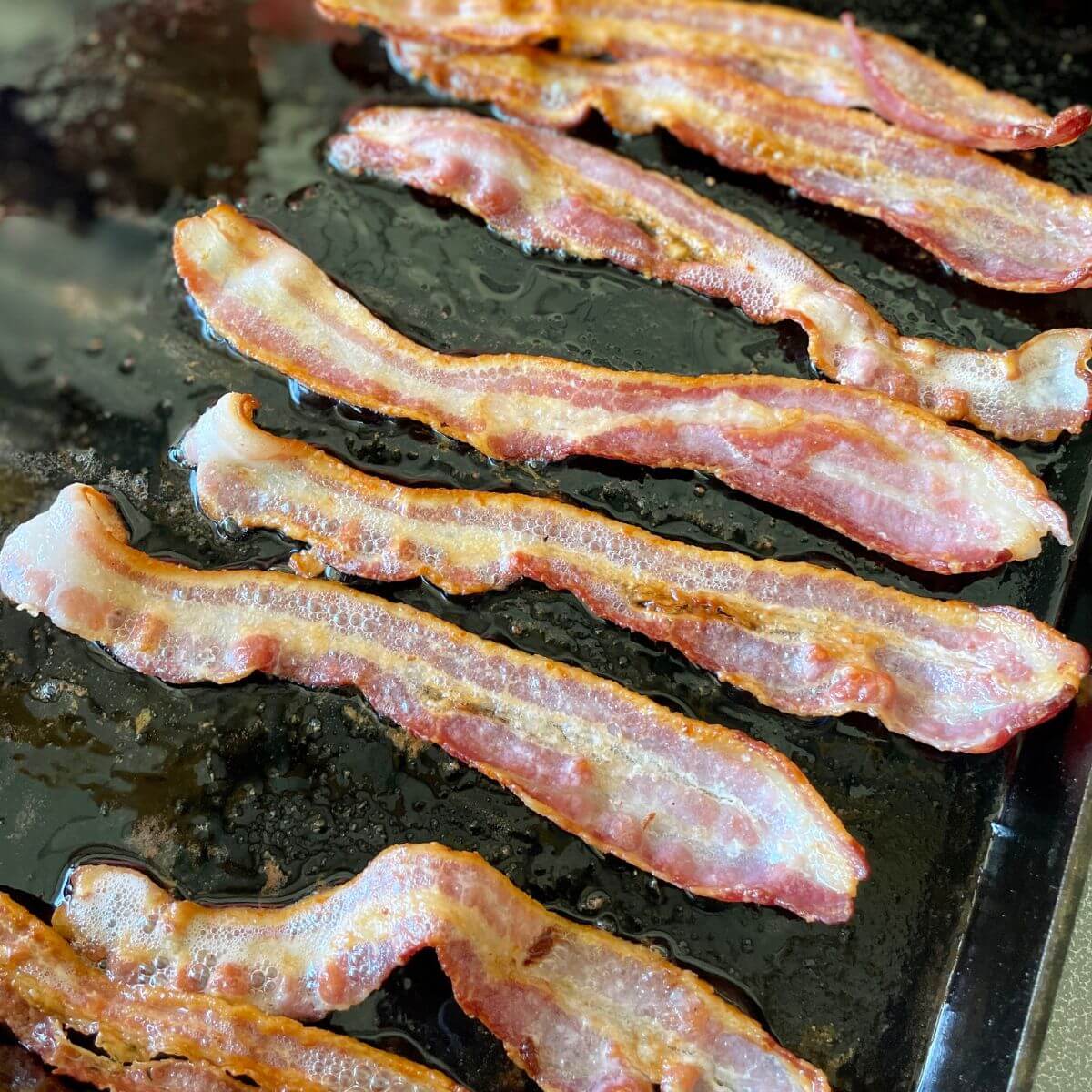
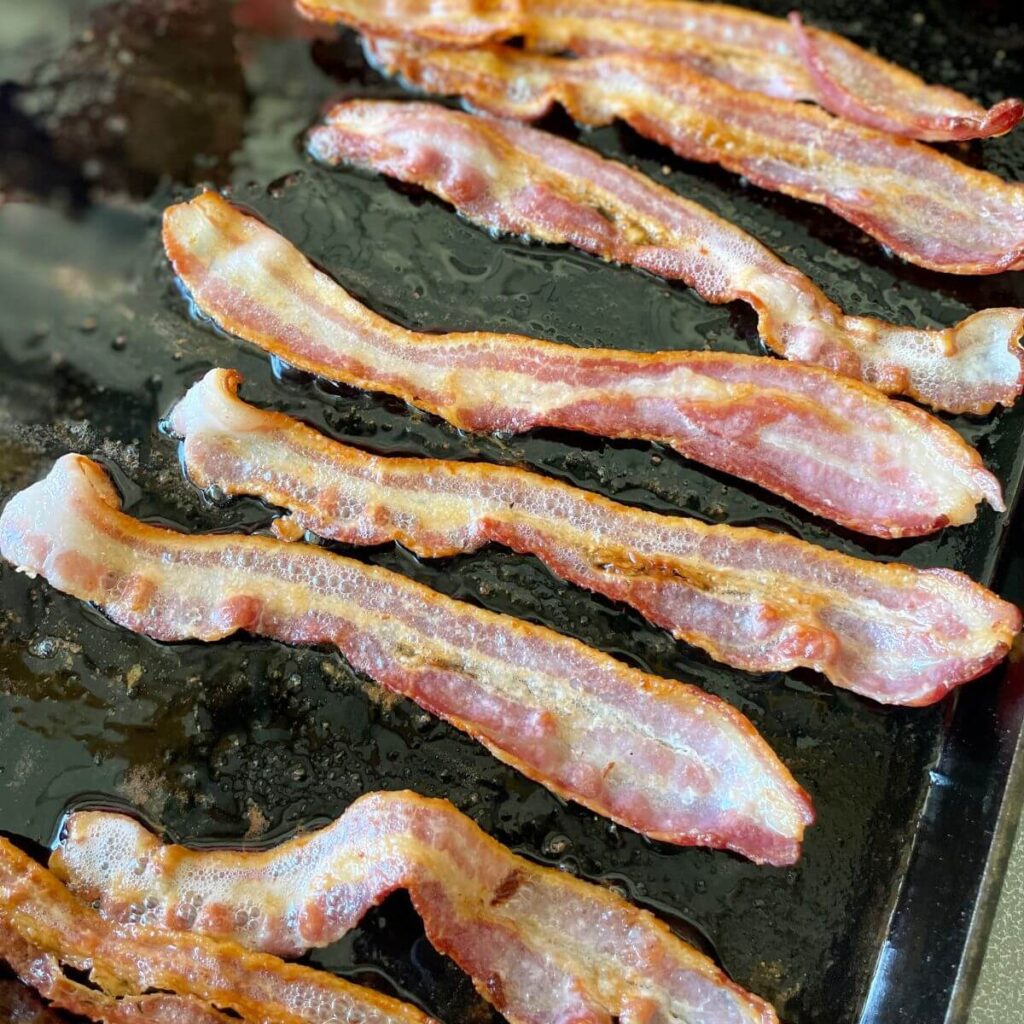
Look for a golden-brown color and firm texture. The bacon should feel crisp but not hard. Edges will curl slightly and fat will look clear and bubbly. Avoid dark spots or black edges, which mean overcooked. Soft or floppy bacon needs more time to crisp. Use tongs to lift and test the middle for firmness. Cook just until the right texture appears. Remove from heat promptly to stop cooking.
Using Bacon Fat On The Griddle
Bacon fat is a valuable byproduct when cooking bacon on a griddle. It adds rich flavor to other foods cooked afterward. Instead of discarding the grease, save it on the griddle for cooking. This method enhances taste and reduces the need for extra oil or butter.
Using bacon fat on the griddle can elevate your breakfast and other meals. It creates a delicious base for frying eggs, sautéing vegetables, or crisping potatoes. The fat also helps prevent food from sticking to the surface, making cooking easier and cleanup faster.
Cooking Other Foods
Use the leftover bacon fat to cook eggs for a smoky taste. Sauté onions, peppers, or mushrooms for added flavor. Fry hash browns or home fries in the fat to make them crispy. Bacon fat works well for grilled cheese sandwiches, giving a golden crust.
Keep the heat moderate to avoid burning the fat. The flavor stays fresh longer at medium temperatures. Avoid high heat, which can cause the fat to smoke and taste bitter.
Managing Grease
Regularly remove excess grease from the griddle to avoid flare-ups. Use a scraper or paper towels to wipe away extra fat. Pour used bacon fat into a container for storage or disposal.
Never pour grease down the drain to prevent clogs. Store bacon fat in a jar and refrigerate for future cooking. Reheat gently before use to keep it liquid. Proper management keeps your griddle clean and your food tasting great.
Credit: theflattopking.com
Common Mistakes To Avoid
Cooking bacon on a griddle can be simple and tasty. Avoid mistakes that ruin its texture and flavor. Many beginners struggle with common errors that cause burnt or unevenly cooked bacon. Understanding these pitfalls helps cook bacon perfectly every time.
Burning Bacon
Setting the griddle too hot burns bacon quickly. Bacon needs medium-low heat for even cooking. High heat cooks outside fast but leaves the inside raw. Fat may burn and create smoke. Watch bacon closely and lower the heat if it sizzles too much. Patience gives crispy and tender strips.
Overcrowding The Griddle
Putting too many bacon strips on the griddle causes uneven cooking. Overcrowding lowers the temperature and traps steam. This makes bacon soggy, not crispy. Leave space between pieces to let heat circulate. Cook in batches for the best results. Each strip needs room to cook well.
Alternative Cooking Methods
Exploring alternative cooking methods for bacon offers flexibility beyond the griddle. Different approaches can suit various kitchen setups and preferences. These methods help achieve crispy, evenly cooked bacon without the need for a griddle. Let’s dive into some simple, effective alternatives.
Oven Method Basics
Preheat your oven to 400°F (204°C). Use a baking sheet lined with foil for easy cleanup. Arrange bacon strips in a single layer, without overlapping. Bake for 15 to 20 minutes, depending on thickness. Check frequently near the end to avoid burning. The oven method cooks bacon evenly and keeps your stovetop clean.
Stovetop Tips
Use a large skillet or frying pan. Heat the pan on medium to medium-low heat. Add bacon strips in a single layer. Cook slowly to render fat and crisp bacon. Flip strips often to cook both sides evenly. Drain cooked bacon on paper towels to remove excess grease. This method gives you control over crispiness and texture.
Credit: www.traeger.com
Frequently Asked Questions
What Temperature Should I Cook Bacon On A Griddle?
Cook bacon on a griddle at medium-low heat, around 300°F (150°C). Flip often for even crispiness.
What Is The Best Temperature To Cook Bacon?
Cook bacon at medium-low heat, around 275°F (135°C), to render fat evenly and avoid burning. Flip frequently for crispiness.
How To Know When To Flip Bacon On A Griddle?
Flip bacon on a griddle when the edges curl and the bottom turns golden brown. Flip every 2-3 minutes.
What Temperature Do You Cook Eggs And Bacon On A Griddle?
Cook bacon on a griddle at medium-low heat, around 325°F (163°C). Cook eggs at 275°F to 300°F (135°C to 149°C) for even cooking without burning.
Conclusion
Cooking bacon on a griddle works best at medium-low heat. This temperature helps bacon cook evenly without burning. Start by preheating your griddle to around 300°F. Place bacon strips in a single layer, allowing space between each piece. Flip them often to cook both sides well and get crispy results.
Using medium-low heat renders fat slowly and keeps bacon juicy. This method makes cooking bacon simple and tasty every time. Enjoy your perfect bacon with breakfast or as a snack.