

You want to cook a steak on your griddle, but what’s the perfect temperature to get that juicy, flavorful result? Cooking steak on a griddle can give you a beautiful sear and a mouthwatering crust, but the key is knowing the right heat to use.
Too low, and your steak won’t develop that delicious crust. Too high, and you risk burning it before the inside cooks properly. In this guide, you’ll discover exactly what temp to cook steak on your griddle to achieve steakhouse-quality flavor right at home.
Stick with me, and you’ll be flipping steaks like a pro in no time!
Ideal Griddle Temperature
Finding the ideal griddle temperature is key to cooking a steak that is juicy and full of flavor. The right heat ensures a perfect sear and locks in the natural juices. Too low, and the steak might dry out. Too high, and it could burn outside while staying raw inside. Understanding the best temperature range helps you cook steaks just right every time.
Medium-high Heat Range
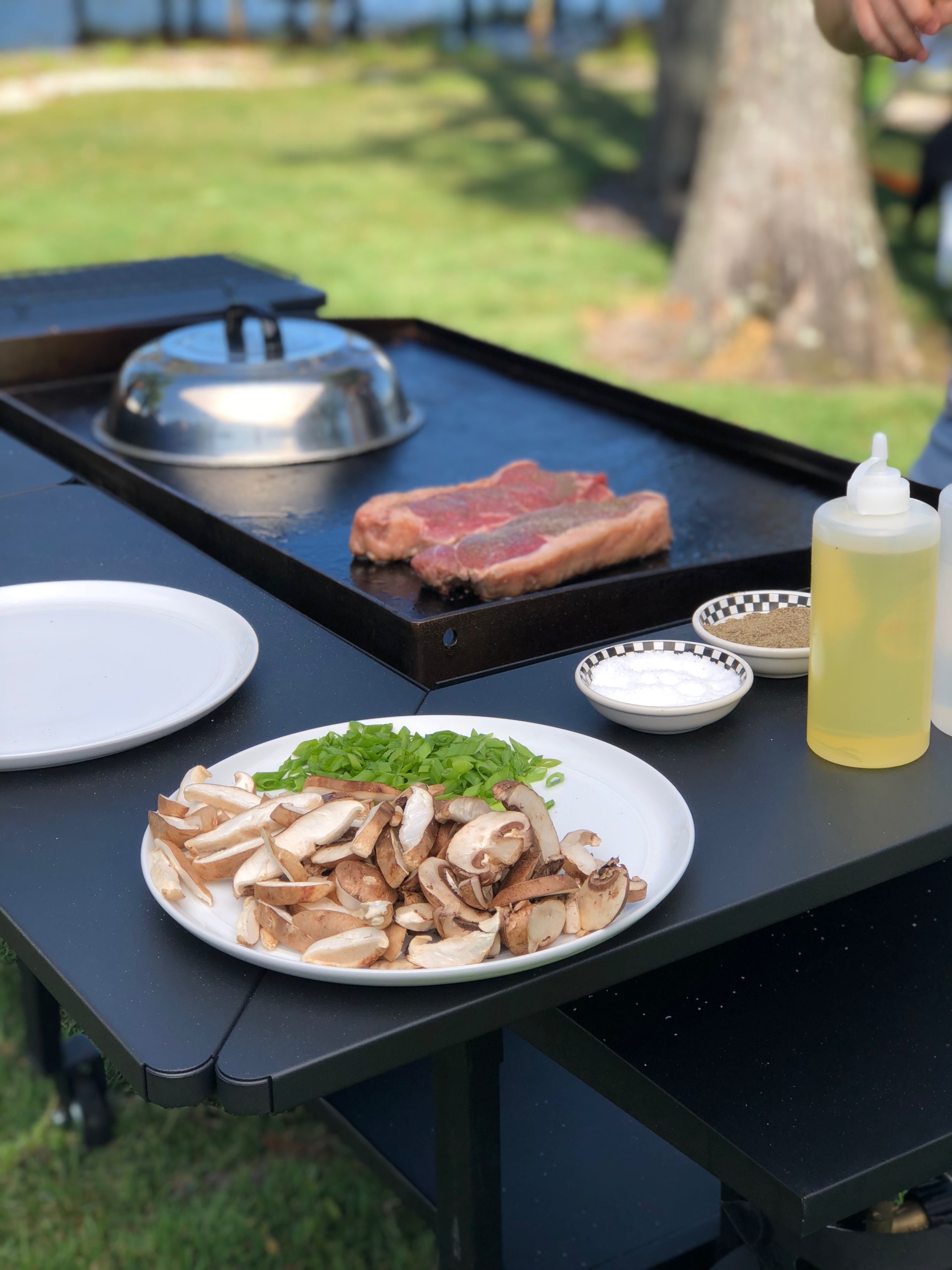
Set your griddle between 375°F and 450°F for medium-high heat. This range creates a hot surface that sears the steak quickly. The crust forms fast, giving rich flavor and appealing color. Cooking at medium-high heat also helps keep the inside tender and juicy. Avoid temperatures above 450°F to prevent burning the outside.
Adjusting For Steak Thickness
Thicker steaks need a slightly lower temperature or more cooking time. A thick steak cooks best at about 375°F to 400°F. This allows heat to reach the center without burning the crust. Thin steaks cook well at the higher end of medium-high heat, around 425°F to 450°F. Adjust heat and time based on thickness for even cooking.
Temperature For Different Cuts
Different steak cuts require slight temperature changes. Tender cuts like ribeye and strip steak cook well at 425°F to 450°F. Tougher cuts, such as flank or skirt steak, benefit from lower heat near 375°F to 400°F to break down fibers. Adjust your griddle heat to match the cut for the best texture and flavor.
Credit: grillingmontana.com
Preparing Your Steak
Preparing your steak properly sets the stage for a delicious meal. The right preparation improves flavor and texture. It helps the steak cook evenly on the griddle. Follow simple steps to get the best results.
Patting Dry For Better Sear
Use paper towels to pat the steak dry. Removing moisture helps the surface brown faster. A dry steak forms a crisp crust on the griddle. This crust locks in juices and enhances taste.
Seasoning Tips
Season the steak just before cooking. Use salt and pepper for a classic flavor. Sprinkle evenly on both sides for balance. For extra taste, add garlic powder or smoked paprika. Avoid seasoning too early to keep juices inside.
Choosing High-heat Oils
Pick oils that handle high heat well. Avocado oil, grapeseed oil, and beef tallow work great. These oils won’t burn or smoke at griddle temperatures. Lightly brush the griddle surface before placing the steak. This prevents sticking and helps form the crust.
Searing Techniques
Searing steak on a griddle locks in juices and builds rich flavor. Good searing creates a crispy crust outside while keeping the inside tender. This process needs precise heat and timing. Proper techniques help get the best taste and texture. Focus on timing, pressure, and flipping to ensure even cooking.
Timing The Initial Sear
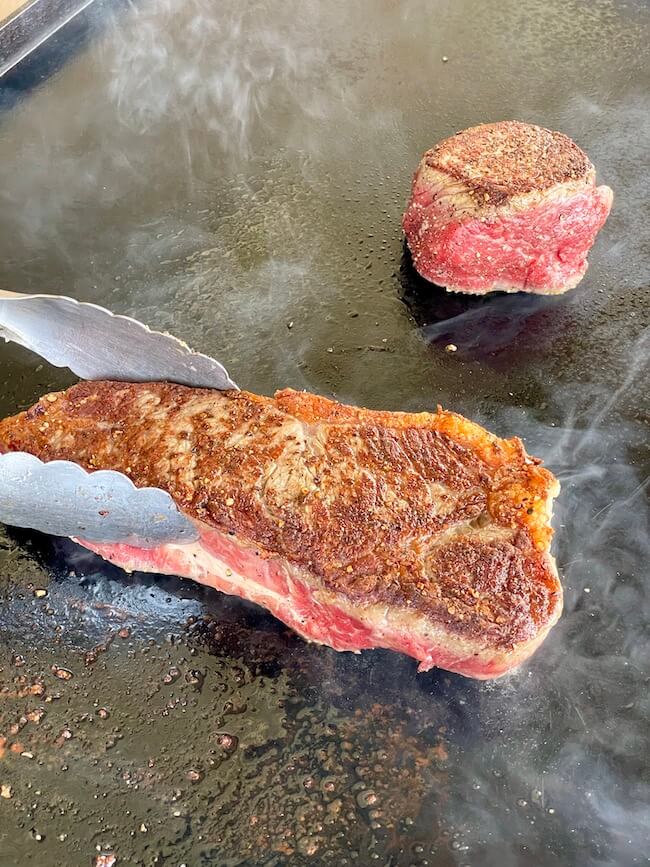
Heat the griddle to medium-high before placing the steak. Place the steak and do not move it. Let it sear for 2 to 3 minutes. This time forms a deep brown crust. Avoid pressing or flipping too soon. A good initial sear seals the juices inside the meat.
Pressing The Steak For Contact
Press the steak gently with a spatula after placing it on the griddle. This ensures full contact with the hot surface. Full contact helps create an even sear. Do not press too hard or pierce the meat. Light pressure keeps juices inside and forms a better crust.
Flipping For Even Cooking
Flip the steak once the first side is well seared. Use tongs or a spatula to turn it carefully. Cook the second side for the same time as the first. Flipping only once helps even heat distribution. Avoid multiple flips to keep the crust intact and juicy inside.
Credit: theflattopking.com
Enhancing Flavor
Enhancing the flavor of steak on a griddle takes simple steps that make a big difference. Small touches add rich taste and aroma. These easy methods bring out the best in your steak’s natural flavor.
Using the right ingredients and techniques improves the eating experience. Each step adds depth and makes every bite enjoyable.
Using Butter And Herbs
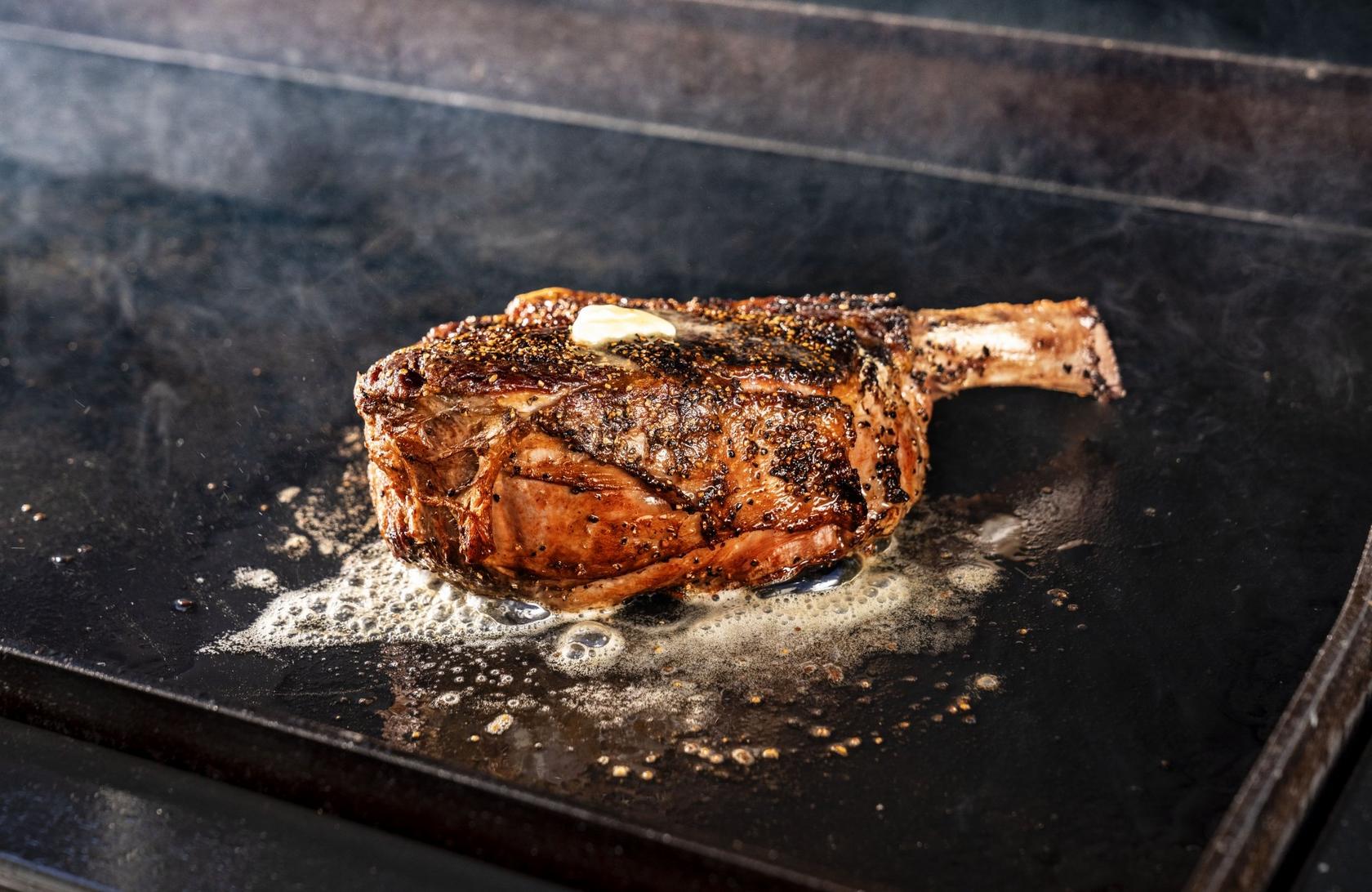
Butter adds a creamy, rich flavor to steak. It melts quickly and coats the meat evenly. Fresh herbs like thyme or rosemary mix well with butter. They release their aroma when heated. This blend seeps into the steak, giving it a subtle herbal note. Adding butter and herbs near the end of cooking boosts flavor without burning.
Adding Garlic And Aromatics
Garlic brings a sharp, savory taste that pairs well with beef. Crush or slice garlic cloves and place them on the griddle. As they cook, they infuse the oil and meat with their scent. Other aromatics like shallots or peppercorns enhance the flavor further. Use these sparingly to avoid overpowering the steak’s natural taste.
Basting During Cooking
Basting means spooning melted butter and juices over the steak. This keeps the meat moist and adds layers of flavor. Use a spoon to scoop the butter and herbs, then pour them over the steak repeatedly. Basting helps cook the steak evenly and creates a glossy, tasty crust. It also locks in juices, making the steak tender and flavorful.
Checking Doneness
Checking the doneness of your steak on a griddle ensures a perfect meal every time. It helps you serve the steak just the way you like it. There are simple methods to check doneness without guesswork. Using tools and your senses can guide you well.
Using A Meat Thermometer
A meat thermometer is the most accurate way to check steak doneness. Insert it into the thickest part of the steak. Avoid touching bone or fat for true readings. The thermometer tells you the internal temperature instantly. This method prevents overcooking or undercooking.
Visual And Touch Cues
Look at the steak’s color to gauge doneness. A rare steak is deep red inside. Medium steaks show a pink center. Well-done steaks have little to no pink. Touch the steak with your finger or tongs. Soft means rare; firmer means medium. Very firm steaks are well done.
Target Temperatures For Doneness
Different doneness levels have specific temperature targets. Rare steaks reach about 125°F (52°C). Medium-rare is around 135°F (57°C). Medium steaks hit 145°F (63°C). Medium-well comes at 150°F (66°C). Well-done steaks are 160°F (71°C) or higher.
Credit: www.traeger.com
Resting And Serving
Resting and serving steak after cooking on a griddle is crucial for the best taste and texture. This step allows the steak to finish cooking evenly and keeps it juicy. Skipping resting can cause the steak to lose its flavorful juices. Serving the steak properly enhances the eating experience.
Importance Of Resting Time
Resting lets the steak cool slightly and finish cooking inside. It helps the muscle fibers relax. This stops the juices from running out when you cut the steak. Resting for 5 to 10 minutes is enough for most steaks. Cover the steak loosely with foil to keep it warm.
Retaining Juices
Juices move back into the meat during resting. This keeps the steak moist and tender. Cutting the steak too soon lets the juices escape. The result is a dry, less tasty steak. Resting helps the juices stay locked inside the meat. This improves flavor and mouthfeel.
Slicing Tips
Cut the steak against the grain for the best texture. This means slicing across the muscle fibers, not with them. Use a sharp knife to make clean cuts. Thin slices are easier to chew and taste better. Arrange the slices on a warm plate for serving. This keeps the steak hot and ready to enjoy.
Electric Griddle Tips
Cooking steak on an electric griddle requires specific tips to get the best results. The electric griddle offers a large, flat cooking surface that heats evenly. Knowing how to control the temperature and cooking process improves the steak’s flavor and texture.
These electric griddle tips help you cook steak with a perfect crust and juicy inside. Follow the steps carefully for the best steak experience.
Preheating Guidelines
Start by preheating the electric griddle to medium-high heat. This usually means setting the temperature between 375°F and 400°F. Allow the griddle to heat fully before placing the steak. A hot surface ensures a good sear and locks in juices.
Adapting Searing Techniques
Use high-smoke-point oil like avocado or canola oil on the griddle. Spread a thin layer to prevent sticking. Place the steak gently and avoid moving it too soon. Let it sear for 3 to 5 minutes to form a crust. Flip once to sear the other side evenly.
Maintaining Temperature Consistency
Electric griddles keep heat steady but check the temperature often. Adjust the heat dial if needed to avoid burning. Use a meat thermometer to check steak doneness. Keep the griddle clean to maintain even heat and prevent flare-ups.
Frequently Asked Questions
What Is The 3 3 3 3 Rule For Steak?
The 3 3 3 3 rule for steak means cooking it for 3 minutes per side, then resting for 3 minutes before slicing. This ensures even cooking, a good sear, and juicy results.
How To Cook Steak In A Griddle Pan?
Preheat the griddle to medium-high heat. Pat steak dry and season well. Brush with high-smoke-point oil. Sear steak for 3-5 minutes per side. Add butter, garlic, and herbs for flavor. Use a thermometer to check doneness. Let steak rest 5 minutes before serving.
Can You Cook Steak On A Flat Top Griddle?
Yes, you can cook steak on a flat top griddle. Preheat to medium-high, sear both sides, and cook to desired doneness. Pat steaks dry, season well, and use high-smoke-point oil for best crust and juicy results. Let the steak rest before slicing.
Can I Cook Steak On An Electric Griddle?
Yes, you can cook steak on an electric griddle. Preheat it to high heat, sear each side, and cook to desired doneness. Use high-smoke-point oil and let the steak rest before serving for juicy results.
Conclusion
Cooking steak on a griddle at the right temperature makes all the difference. Preheat your griddle to medium-high heat for the best sear. This helps create a tasty crust while keeping the inside juicy. Use a meat thermometer to check doneness and avoid overcooking.
Let the steak rest a few minutes before cutting to keep the juices inside. With simple steps and the right heat, you can enjoy a perfect steak cooked on your griddle every time.