
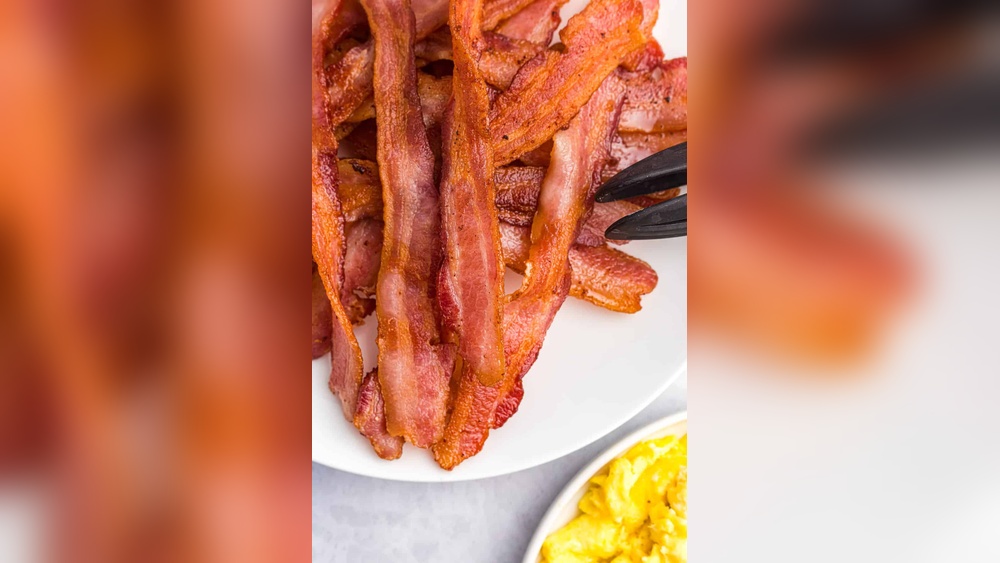
You want perfectly cooked bacon on your griddle, but what’s the right temperature to make that happen? Too hot, and your bacon might burn or curl up; too low, and it could turn out greasy and undercooked.
Getting the temp just right is the secret to crispy, evenly cooked bacon that’s full of flavor. You’ll discover the ideal griddle temperature for cooking bacon, step-by-step tips to achieve your favorite texture, and simple tricks to keep your bacon flat and delicious.
Ready to cook bacon like a pro every time? Let’s get started!
Credit: theflattopking.com
Ideal Griddle Temperature
Cooking bacon on a griddle needs careful temperature control. The right heat ensures bacon cooks evenly. It crisps up without burning. Too high heat burns the edges and leaves the middle undercooked. Too low heat makes bacon greasy and soggy.
Maintaining the ideal temperature helps render fat slowly. This results in tender, crispy bacon strips. Most cooks agree medium-low heat is best. It balances the cooking speed and texture perfectly.
Medium-low Heat Benefits
Medium-low heat means about 300°F to 325°F (149°C to 163°C). This temperature renders fat gently. It prevents bacon from curling up too fast. The strips stay flat and cook uniformly. The bacon develops a rich, smoky flavor without burning.
Cooking at medium-low heat reduces splatter and keeps the griddle cleaner. It allows more control over crispness. Flip the bacon a few times for even cooking. The result is crispy edges and tender centers.
Starting With A Cold Griddle
Place bacon on a cold griddle before heating it. This method helps fat render slowly. The bacon cooks evenly from the inside out. It also keeps strips flat without curling.
Turn the heat to medium-low after placing the bacon. The griddle warms up gradually with the bacon on it. This prevents sudden burning or uneven cooking. Patience pays off with better texture and flavor.
Preparing The Griddle
Preparing the griddle properly is key to cooking perfect bacon. A well-prepared griddle ensures even cooking and crispy results. It helps prevent sticking and burning. Taking time to prepare the surface makes the cooking process smoother and more enjoyable.
Preheating Steps
Start by turning the griddle on to medium-low heat. Let it warm gradually for about 5 to 10 minutes. Avoid heating it too fast or too high to prevent burning the bacon. A steady, moderate temperature allows the fat to render slowly. This method cooks the bacon evenly and crisps it nicely.
Using Butter Or Oil
Adding a small amount of butter or oil helps prevent sticking. Spread it evenly across the griddle surface with a spatula or paper towel. Butter adds flavor and richness, while oil provides a non-stick barrier. Use just enough to coat the surface lightly. Too much fat can cause splatter and uneven cooking.
Placing The Bacon
Placing bacon on a griddle is an important step for even cooking. Proper placement helps the bacon cook evenly and crisp up nicely. Careful arrangement also prevents sticking and burning. Follow these tips to place bacon perfectly on your griddle.
Arranging Strips Properly
Lay bacon strips flat on the griddle surface. Make sure each strip lies straight without folding. Straight strips cook more evenly and stay flat. This helps the fat render slowly and crisp the bacon well. Avoid stacking strips on top of each other.
Avoiding Overcrowding
Leave space between each bacon strip. Overcrowding traps steam and slows cooking. Spaces let heat circulate around each strip. This creates a crispy texture on all sides. Overlapping bacon causes uneven cooking and soggy spots.
Cooking Techniques
Cooking bacon on a griddle requires attention to temperature and timing. The method you choose affects texture and flavor. Two common techniques are Slow and Low and Hot and Fast. Each has its benefits depending on your taste and schedule.
Slow And Low Method
Set the griddle to a low temperature, around 300°F (150°C). This allows the bacon fat to render slowly. The bacon cooks evenly without burning. The result is tender, chewy strips with a deep flavor. Flip the bacon occasionally to avoid curling. This method takes 10 to 15 minutes. Patience is key for the best texture.
Hot And Fast Method
Heat the griddle to medium-high, about 375°F (190°C). Place the bacon strips on the hot surface. The bacon cooks quickly, producing crispier edges. Flip often to prevent burning. This method takes about 5 to 8 minutes. It is perfect for fast cooking and crispy bacon lovers. Watch closely to avoid overcooking.
Flipping And Monitoring
Flipping and monitoring bacon on a griddle is key to perfect results. It helps the bacon cook evenly and prevents burning. Watching closely lets you adjust the heat and cooking time. This section covers when to flip and how to ensure even cooking.
When To Flip Bacon
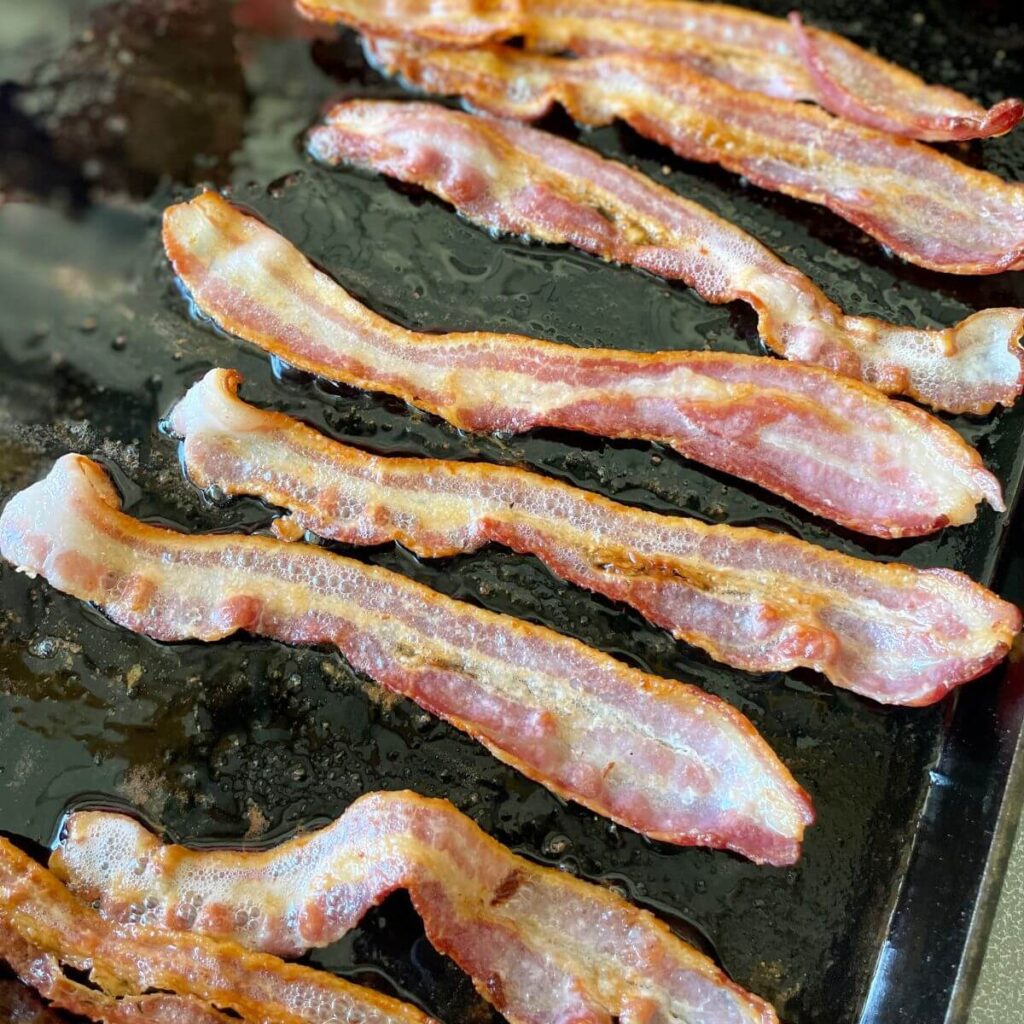
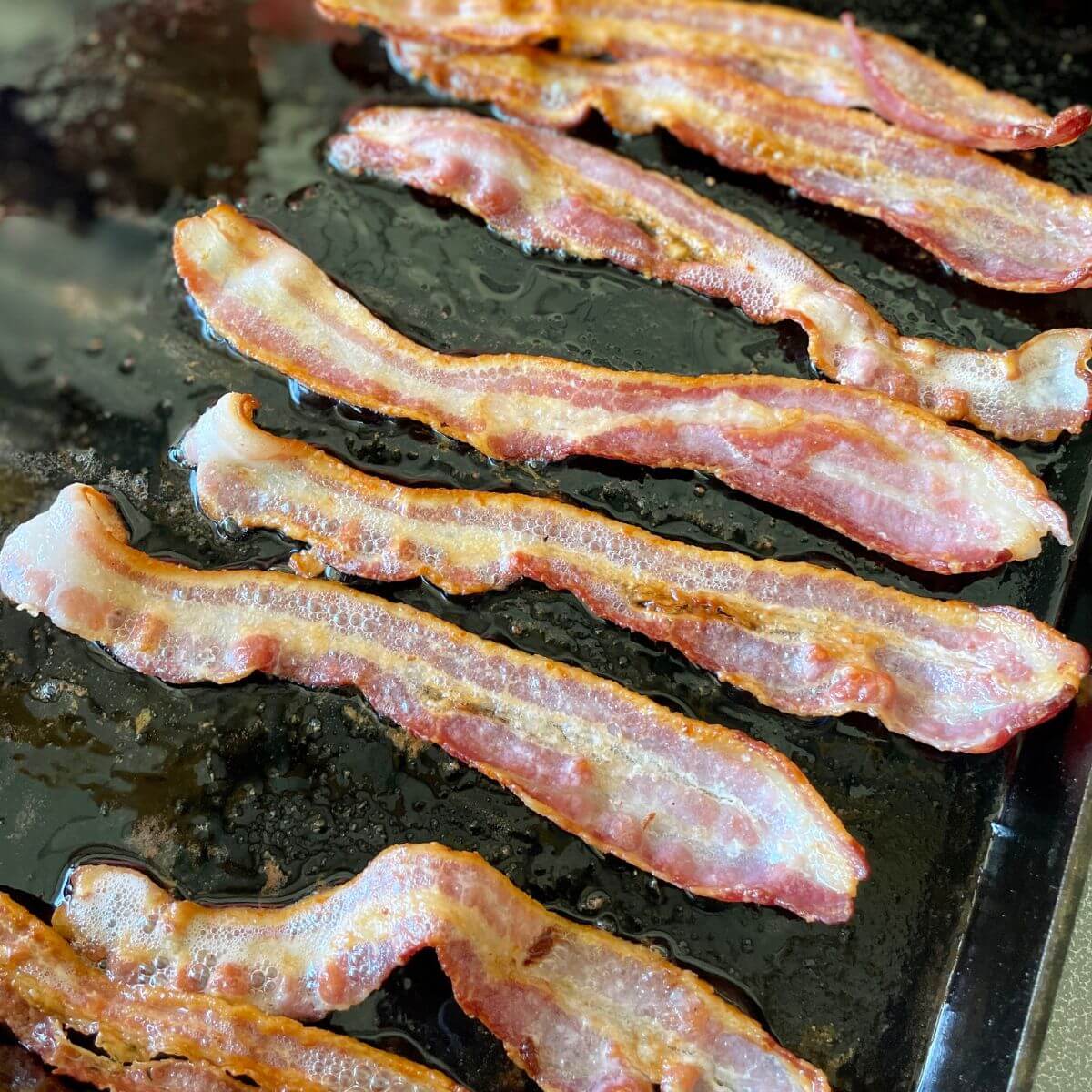
Flip bacon once the edges start to curl and turn golden. Look for bubbles forming on the fat side. Use tongs to turn the strips gently. Avoid flipping too early or too often. This keeps the bacon flat and cooks it evenly on both sides.
Ensuring Even Cooking
Space bacon strips apart on the griddle. Crowding causes uneven heat and soggy spots. Move bacon around if some areas cook faster. Adjust the griddle temperature if needed. Medium to medium-low heat works best for steady cooking. Keep an eye on color and texture changes for perfect results.
Credit: www.traeger.com
Achieving Desired Crispiness
Achieving the perfect bacon crispiness on a griddle depends on temperature and cooking time. The griddle temperature controls how fast the bacon cooks and how crispy it becomes. Low to medium heat allows fat to render slowly, which helps make bacon soft and chewy. Medium to medium-high heat cooks bacon faster and creates a crunchier texture. Understanding these differences lets you cook bacon exactly the way you want.
Soft And Chewy Texture
Cook bacon on a griddle set between 275°F and 300°F for soft, chewy results. This lower heat melts the fat gently and keeps the meat tender. Place bacon strips in a single layer without crowding. Flip the bacon often to cook evenly. This method takes longer but prevents crispiness and burning. The bacon will be flexible and moist, perfect for sandwiches or wraps.
Crispy And Crunchy Texture
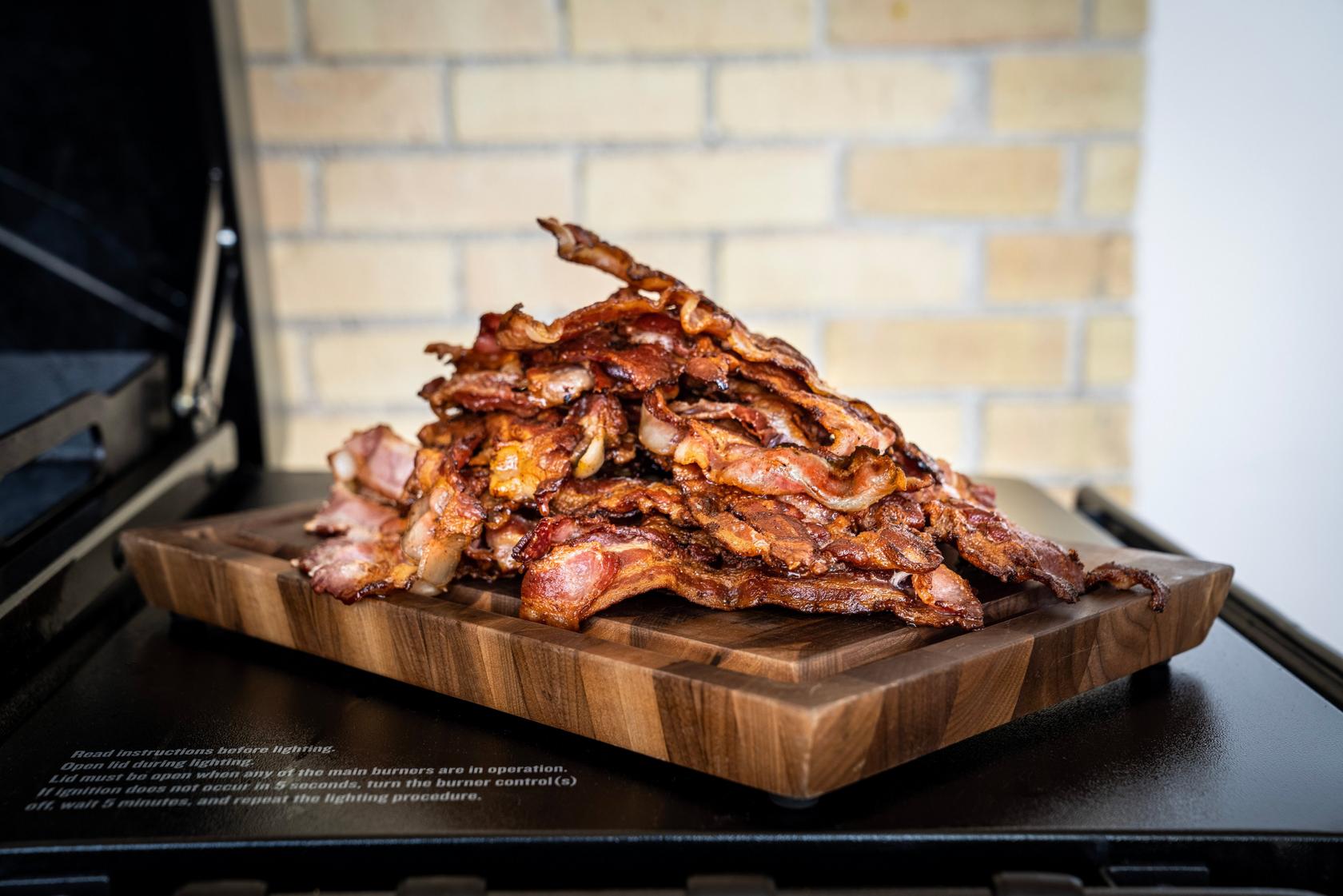
Set the griddle to 325°F to 375°F for crispy, crunchy bacon. The higher heat quickly renders the fat and crisps the edges. Lay strips flat with space between them. Watch closely and flip the bacon regularly to avoid burning. This temperature range creates a golden, crunchy texture that snaps when you bite. Drain cooked bacon on paper towels to remove extra grease before serving.
Managing Bacon Fat
Managing bacon fat is key to cooking bacon on a griddle. It affects flavor, texture, and safety. Proper handling keeps your cooking area clean and your bacon delicious. Understanding how to control and use the fat makes cooking easier and more enjoyable.
Rendering Fat Slowly
Start cooking bacon on a medium-low heat setting. This allows the fat to melt gradually. Slow rendering prevents bacon from burning and sticking to the griddle. It also helps the bacon cook evenly and stay tender. Patience is important for perfect bacon texture and flavor.
Handling Excess Grease
Excess bacon grease can build up quickly on the griddle. Use a metal scraper to push the grease to the side. Pour the collected grease into a heat-safe container for disposal. Keep grease away from the cooking surface to avoid smoke and flare-ups. Proper grease management keeps your griddle clean and safe.
Removing And Serving Bacon
Removing and serving bacon from a griddle is a simple but important step. Proper handling keeps the bacon crispy and ready to enjoy. It also prevents burns and messes. Follow safe and clean methods for the best results.
Using Tongs Safely
Use tongs to lift bacon off the griddle. Tongs give you control and keep your hands safe from hot grease. Grip each strip firmly but gently to avoid tearing. Move slowly to prevent grease from splashing. Avoid using forks or sharp tools that can pierce bacon and cause grease to spray.
Draining On Paper Towels
Place cooked bacon on a plate lined with paper towels. The towels soak up extra grease and keep bacon crispy. Use fresh towels if needed to avoid sogginess. Let bacon rest for a minute to drain fully before serving. This step improves taste and texture for a better meal.
Common Mistakes To Avoid
Cooking bacon on a griddle is simple, but some mistakes can ruin the results. Avoid these common errors to get perfect bacon every time. Small changes can make a big difference in taste and texture. Knowing what to avoid helps you cook bacon that is crispy and evenly cooked.
Cooking At Too High Temperature
Cooking bacon at a very high temperature burns it quickly. The outside may become black while the inside stays raw. High heat also causes the fat to pop and splatter. The best temperature is medium to medium-low. This lets the bacon cook slowly and evenly. It also renders the fat properly, making bacon crispy and tasty.
Crowding The Griddle
Putting too many bacon strips on the griddle at once is a common mistake. Crowding causes the strips to cook unevenly. The bacon will steam instead of fry, making it soggy. Leave enough space between strips to allow air circulation. This helps the bacon cook evenly and become crispy. Cook in batches if needed for best results.
Credit: theflattopking.com
Frequently Asked Questions
How Do You Cook Bacon On A Griddle?
Preheat the griddle to medium-low heat. Place bacon strips in a single layer without overlapping. Cook until edges crisp, flipping occasionally. Remove when bacon reaches desired crispiness. Drain on paper towels and serve warm.
What Temperature Do You Cook Bacon On A Blackstone Griddle?
Preheat your Blackstone griddle to medium-low, around 300°F to 325°F. Cook bacon slowly for even crispiness and less curling.
How High To Set A Griddle For Bacon?
Set the griddle to medium-low heat, around 300°F to 325°F. Cook bacon slowly for even crispiness.
How Hot Should A Griddle Be For Bacon And Eggs?
Preheat the griddle to medium-low heat, around 325°F to 350°F. This temperature cooks bacon evenly without burning. Cook eggs at the same medium-low heat for gentle, thorough cooking.
Conclusion
Cooking bacon on a griddle works best at medium to medium-low heat. This temperature cooks bacon evenly without burning it. Start with a cold griddle for less curling and better fat rendering. Flip the bacon often to avoid overcooking one side.
Cooking slowly helps the bacon stay flat and crispy. Use tongs to remove bacon carefully once done. Enjoy perfectly cooked bacon every time with these simple tips.