

If you love coffee, you’ve probably heard the term “espresso coffee beans” and wondered what makes them special. Are they a different type of bean, or just a marketing label?
Understanding what espresso coffee beans really are can change the way you enjoy your daily cup. Whether you’re brewing at home or ordering at your favorite café, knowing the difference can help you get that rich, bold flavor you crave.
Keep reading to discover what espresso coffee beans truly mean, how they affect taste, and why choosing the right beans can transform your espresso experience. Your perfect shot is closer than you think!
Credit: www.youtube.com
Espresso Beans Basics
Espresso coffee beans form the heart of a rich and intense coffee experience. These beans are chosen and prepared to deliver the strong flavor and thick texture espresso lovers enjoy. Understanding the basics helps you appreciate what makes espresso unique.
Espresso is not just a coffee type; it is a brewing method that uses pressure to extract flavors. The beans used play a key role in shaping the final cup. Let’s explore what defines espresso beans and how they differ from regular coffee beans.
What Makes Beans Espresso
Espresso beans are often a blend designed for espresso brewing. They are roasted and ground to bring out bold flavors and a rich crema. The goal is to produce a concentrated shot with balanced bitterness and sweetness. These beans usually have a denser and oilier surface due to roasting.
Roast Levels For Espresso
Espresso beans are mostly roasted to medium-dark or dark levels. Dark roasts create a strong, smoky flavor and reduce acidity. Medium-dark roasts keep some of the bean’s original flavors while adding depth. The roast choice affects the taste, body, and crema of the espresso.
Bean Varieties Used
Arabica and Robusta are the main coffee beans used for espresso. Arabica offers sweeter, more complex flavors. Robusta adds body and a caffeine boost, often with a sharper taste. Many espresso blends mix both to balance flavor, strength, and crema quality.
Espresso Vs Regular Coffee Beans
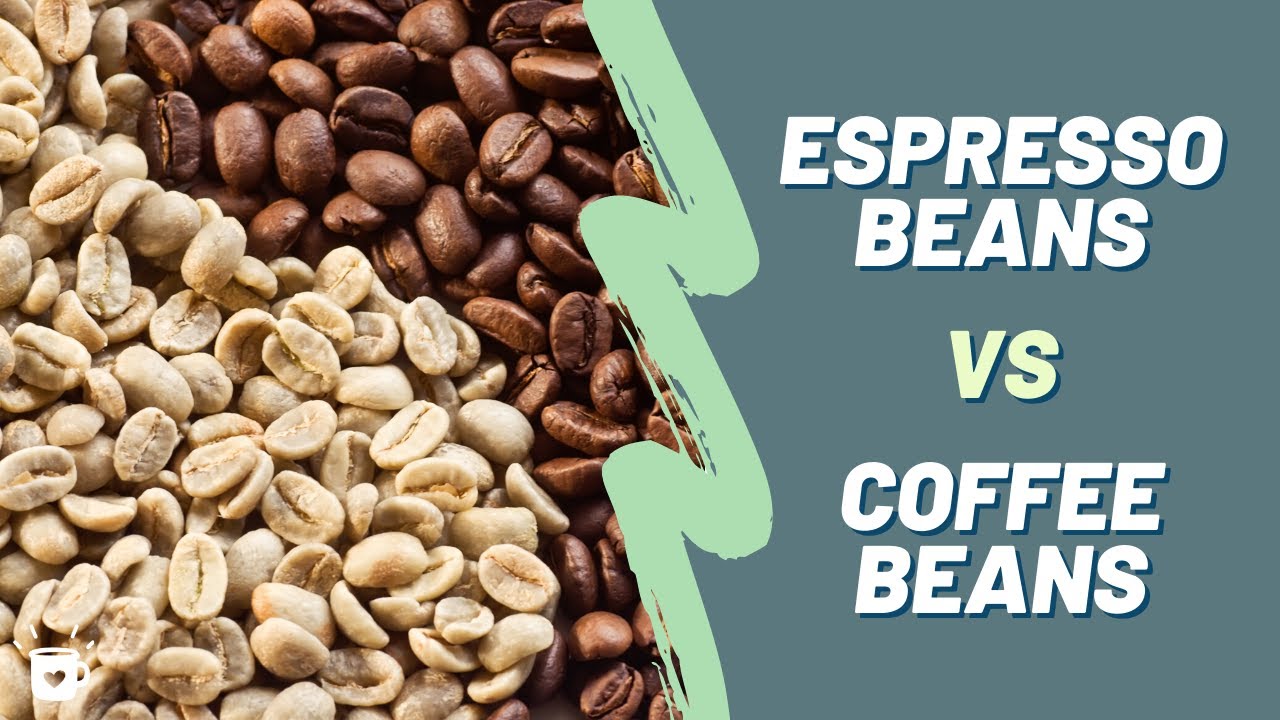
Espresso and regular coffee beans serve different purposes in the coffee world. Both come from the same coffee plant, but their roasting and preparation vary. These differences affect taste, texture, and how they work in brewing methods.
Flavor Differences
Espresso beans are usually darker roasted. This brings out a rich, bold flavor with less acidity. Regular coffee beans can range from light to dark roast. Lighter roasts keep more of the beans’ original fruity and floral notes. Darker regular beans have a stronger taste but often less body than espresso beans.
The espresso brewing method extracts flavors quickly. It highlights the beans’ intense and concentrated taste. Regular coffee, brewed slower, tends to be smoother and milder.
Crema Production
Espresso beans are chosen to create crema, the creamy foam on top of espresso shots. Crema forms from oils and gases released during high-pressure brewing. Regular coffee beans do not produce much crema because they are not roasted or ground for that purpose. Crema adds a velvety texture and enhances the aroma of espresso.
Oil Content And Freshness
Espresso beans often have more surface oils due to the dark roast. These oils help with crema and flavor extraction. Regular coffee beans, especially lighter roasts, show fewer oils. Freshness is key for both types. Oils can go rancid and spoil the taste quickly. Using fresh, well-stored beans ensures the best cup of coffee, whether espresso or drip.
Using Regular Beans For Espresso
Espresso is a brewing style, not a specific bean type. Many wonder if regular coffee beans work for espresso. The answer is yes. You can use regular beans to make espresso. The taste will differ from beans roasted and labeled for espresso. You need to grind these beans very fine. Freshness and quality of beans matter a lot. A good grinder helps achieve the right texture for espresso.
Grind Size Importance
Espresso needs a very fine grind. Regular beans often come ground coarser. Using a fine grind lets water extract flavors quickly. Too coarse a grind causes weak, watery espresso. Too fine can block the machine and taste bitter. Adjust your grinder to get a smooth, firm grind. This step is key for a balanced shot.
Flavor Expectations
Regular beans often have lighter roasts than espresso beans. This can make your espresso taste more acidic. You may notice less body and boldness. Darker roasts give espresso a richer, deeper flavor. Regular beans might lack the classic espresso bitterness and crema. Expect a brighter, sometimes fruitier cup with regular beans.
Tips For Best Results
Use fresh, high-quality beans for better flavor. Grind beans just before brewing to keep aroma intact. Experiment with grind size to find your machine’s sweet spot. Use firm tamping pressure to create even extraction. Clean your espresso machine regularly for pure taste. Try blending light and dark beans for a richer cup.
Credit: eldoradocoffee.com
Choosing Quality Espresso Beans
Choosing quality espresso beans makes a big difference in taste. Good beans create a rich, smooth espresso with balanced flavors. Knowing what to look for helps you enjoy a better cup every time. Focus on freshness, origin, and trusted brands for the best results.
Freshness And Roast Date
Fresh espresso beans deliver the best flavor and aroma. Check the roast date on the package. Beans should be used within two to four weeks of roasting. Avoid beans without a clear roast date to ensure freshness. Store beans in an airtight container away from light and heat.
Single Origin Vs Blends
Single origin beans come from one place and show unique flavors. Blends mix beans from different regions for balance and complexity. Single origin offers bright, distinct notes. Blends create a smooth, consistent taste. Choose based on your flavor preference and experiment to find your favorite.
Popular Brands And Products
Trusted brands offer quality and consistency. Lavazza, Eight O’Clock, and Black Rifle Coffee Company are popular choices. Lavazza Super Crema is smooth and creamy. Eight O’Clock Dark Italian Espresso is bold and rich. Black Rifle Espresso Mule offers a strong, robust flavor. These brands are widely available and reliable.
Brewing For Bold Flavor
Brewing espresso coffee beans for a bold flavor requires precision and care. Each step affects the taste and strength of your espresso. Understanding key factors can help you achieve rich and intense coffee at home.
Grind Consistency
Grind size must be fine and uniform. Uneven grounds cause uneven extraction. Too coarse, and the espresso will be weak. Too fine, and the coffee may taste bitter. A consistent grind lets water flow evenly through the coffee.
Extraction Time
Extraction time is usually between 25 to 30 seconds. This is the time water is in contact with the coffee grounds. Too short means under-extracted espresso, which tastes sour. Too long means over-extracted, causing bitterness. Timing is key to balance flavor.
Water Temperature And Pressure
Water should be heated to 90-96°C (194-205°F). This temperature extracts oils and flavors without burning. Pressure of 9 bars pushes water through the grounds. Proper pressure and heat create the thick crema and full body espresso lovers enjoy.
Credit: flairespresso.com
Experimenting With Espresso Flavors
Experimenting with espresso flavors opens a world of taste possibilities. Small changes can create big differences in your cup. Exploring different beans, roast levels, and brew settings helps you find your perfect espresso. This section guides you through simple ways to play with flavors and enjoy espresso in new ways.
Trying Different Roasts
Roast level greatly affects espresso taste. Light roasts bring bright, fruity notes. Medium roasts balance acidity and sweetness. Dark roasts offer rich, bold flavors with a smoky edge. Testing various roasts reveals which one suits your palate best. Buying small amounts of different roasts lets you compare easily.
Adjusting Brew Parameters
Changing brew time and temperature alters espresso flavor. A longer extraction brings out more bitterness and strength. Shorter brew times keep the taste mild and smooth. Water temperature affects how flavors dissolve. Hotter water extracts more oils and acids. Experiment by adjusting these settings for balanced taste.
Pairing With Milk And Water
Milk softens espresso’s strong taste and adds creaminess. Different milk types like whole, skim, or plant-based change flavor and texture. Adding hot water creates an Americano, which is lighter and less intense. Try these pairings to enjoy espresso in various styles. Each combination offers a unique drinking experience.
Common Myths About Espresso Beans
Espresso coffee beans have many myths around them. These myths often confuse coffee lovers. Knowing the truth helps you enjoy better espresso. Here are some common myths debunked.
Only Dark Roasts Work
Many think espresso needs dark roasted beans only. Dark roasts bring a strong, bold flavor. But medium and light roasts can also work well. They offer more fruity and acidic notes. The choice depends on taste, not just roast level.
Espresso Beans Are A Different Species
Some believe espresso beans come from a unique coffee plant. This is false. Espresso beans are the same as regular coffee beans. The difference lies in how they are roasted and brewed. Any coffee bean can make espresso.
Crema Always Means Quality
Crema is the golden foam on top of espresso. People often think crema shows espresso quality. Crema shows freshness and pressure during brewing. But crema alone does not guarantee great taste. Good flavor needs fresh beans and proper technique.
Frequently Asked Questions
Can I Use Regular Coffee Beans For Espresso?
Yes, regular coffee beans can make espresso since espresso refers to brewing, not bean type. Grind beans finely and use fresh, high-quality beans for better flavor and crema. Expect a different taste, often less bold and more acidic than traditional espresso blends.
Does Espresso Coffee Use Different Coffee Beans?
Espresso uses any coffee beans but prefers dark roasted beans for bold flavor and rich crema. Regular beans work, but taste differs.
Is Espresso Coffee Stronger Than Regular Coffee?
Espresso coffee tastes stronger and more concentrated than regular coffee due to its brewing method. It contains less caffeine per serving but delivers a bolder flavor. Regular coffee usually has more caffeine overall but a milder taste compared to espresso.
Do Espresso Coffee Beans Have More Caffeine?
Espresso beans do not have more caffeine per bean but often contain more caffeine per ounce brewed. The roasting level and brewing method affect caffeine content.
Conclusion
Espresso coffee beans offer a rich and bold flavor perfect for strong coffee lovers. These beans are usually dark roasted to bring out deep taste and aroma. Using freshly ground espresso beans improves the coffee’s quality and crema. You can use regular beans, but the flavor may differ and feel lighter.
Knowing what makes espresso beans unique helps you enjoy better coffee at home. Experiment with different beans and find the taste you like best. Enjoy every sip of your espresso with knowledge and care.