

When it comes to kitchen knives, choosing the right tool can make a huge difference in your cooking experience. You might have come across the Serbian chef knife and the Chinese cleaver—two powerful contenders that look similar but serve different purposes.
If you’ve ever wondered which one fits your style or why chefs swear by one over the other, you’re in the right place. By the end of this article, you’ll clearly understand how these knives compare, and you’ll be ready to pick the perfect blade for your kitchen tasks.
Ready to sharpen your knowledge? Let’s dive into the Serbian chef knife vs Chinese cleaver showdown.
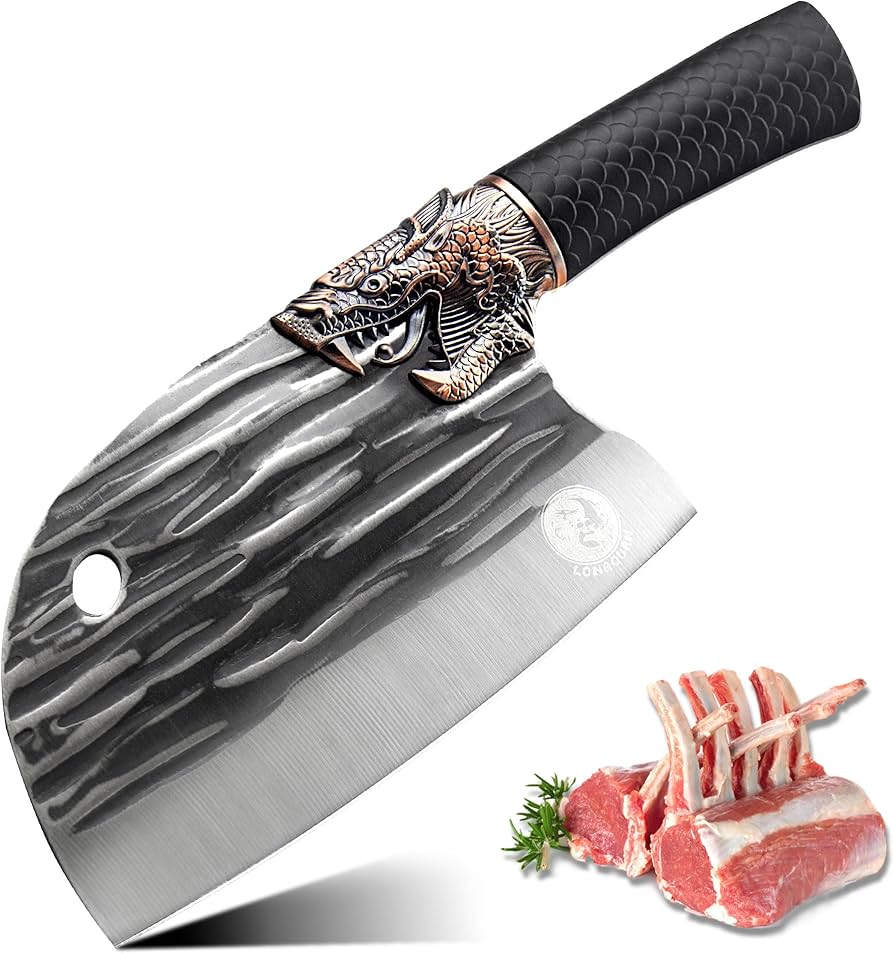
Credit: www.amazon.com
Blade Design
The blade design of Serbian chef knives and Chinese cleavers shows clear differences. These differences affect how each knife handles food and its tasks in the kitchen.
Understanding the shape, size, thickness, and flexibility of the blades helps choose the right knife for your cooking style.
Shape And Size Differences
The Serbian chef knife has a broad, rectangular blade. It looks like a smaller cleaver but with a sharper tip. This shape helps with chopping and slicing with precision.
The Chinese cleaver has a large, tall rectangular blade. Its size is bigger and ideal for heavy chopping and scooping ingredients.
The cleaver’s wide blade also acts as a scoop to transfer food. The Serbian knife is smaller, better for detailed cutting.
Thickness And Flexibility
Serbian chef knives have thicker, less flexible blades. This thickness adds strength for cutting tougher foods. The blade edge stays sharp for longer.
Chinese cleavers have thinner, more flexible blades. This flexibility helps with slicing delicate vegetables without crushing them.
The cleaver’s thin blade also makes it lighter, easier to handle for fast chopping. The Serbian knife’s thickness suits heavy-duty tasks.
Weight And Balance
The weight and balance of a knife greatly affect its performance in the kitchen. These two features influence how comfortable the knife feels and how easy it is to control. The Serbian chef knife and the Chinese cleaver differ significantly in these areas. Understanding these differences helps in choosing the right tool for specific cooking tasks.
Front-heavy Vs Balanced
The Chinese cleaver is known for its front-heavy design. Its wide, thick blade puts more weight towards the front. This weight helps in chopping through tougher ingredients with less effort. The Serbian chef knife usually has a more balanced weight. The blade and handle share the weight evenly. This balance allows for more precision and control during slicing and dicing.
Impact On Handling
A front-heavy knife like the Chinese cleaver feels powerful when chopping. It uses the blade’s weight to cut through food quickly. This can reduce hand fatigue during heavy chopping tasks. The balanced Serbian chef knife feels lighter and more agile. It offers better control for detailed cuts. This makes it ideal for slicing vegetables or delicate meats.
Cutting Techniques
Cutting techniques differ greatly between the Serbian chef knife and the Chinese cleaver. Each tool suits specific motions that enhance kitchen efficiency. Understanding these techniques helps cooks use each knife properly and safely. Let’s explore the distinct cutting styles for these popular knives.
Rocking Motion With Serbian Knife
The Serbian chef knife features a curved blade edge. This design allows a smooth rocking motion during cutting. The tip stays on the board while the heel lifts and moves down. This motion is perfect for chopping herbs, slicing vegetables, and mincing garlic. It creates fine, even cuts with less effort. The rocking action also speeds up repetitive cutting tasks. It keeps the knife steady and reduces hand fatigue.
Chopping And Scooping With Cleaver
The Chinese cleaver has a large, rectangular blade. It works best with a straight chopping motion. The heavy blade delivers strong, clean cuts through thick vegetables and meat. After chopping, the wide flat side helps scoop up and transfer food. This dual function saves time during cooking prep. The cleaver’s weight adds power, reducing the need for extra force. It is ideal for heavy-duty tasks and moving large amounts of ingredients.
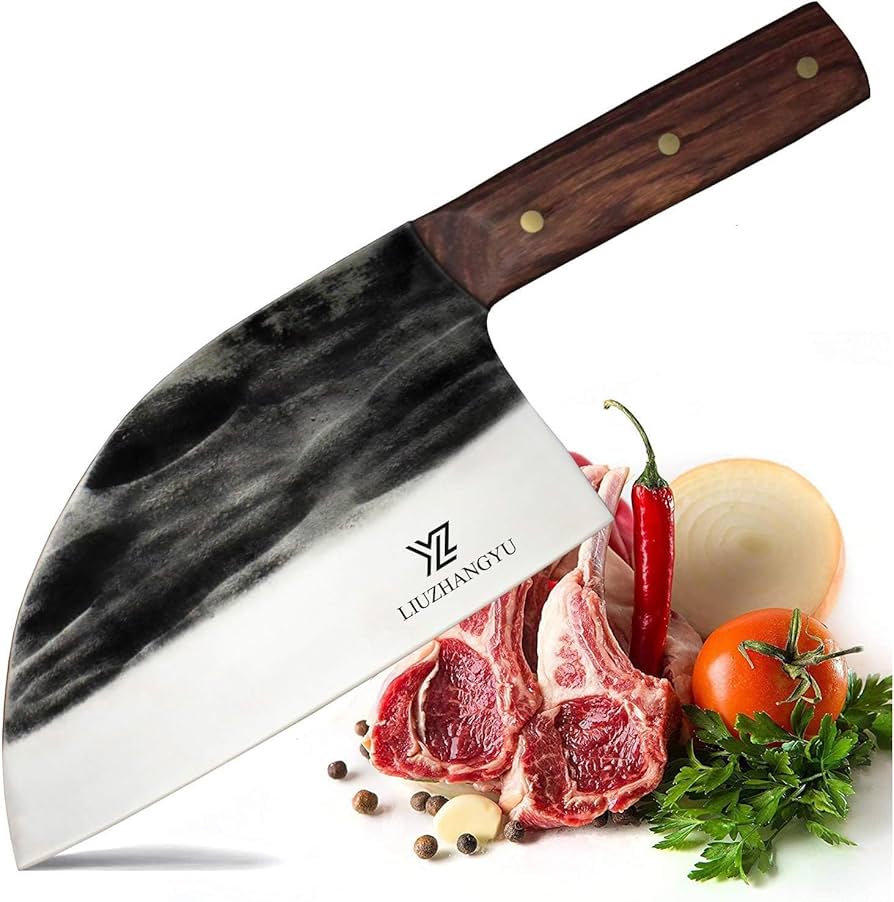
Credit: www.amazon.com
Versatility In The Kitchen
Versatility in the kitchen defines how well a knife adapts to different cooking tasks. Both the Serbian chef knife and the Chinese cleaver offer unique strengths. Their designs affect how they handle various ingredients and techniques. Understanding their versatility helps choose the right tool for your cooking style.
Range Of Tasks For Serbian Knife
The Serbian chef knife suits many kitchen jobs. It slices vegetables cleanly with its sharp, thick blade. It chops meat with precision and ease. The blade’s shape supports a rocking motion for fast cutting. It also handles delicate tasks like dicing onions or herbs. Its balanced weight makes it comfortable for long use.
Multi-use Functions Of Chinese Cleaver
The Chinese cleaver is a heavy, wide blade tool. It chops through bones and tough vegetables quickly. Its broad surface helps scoop up and transfer food. The flat side can crush garlic or ginger easily. It performs well in slicing, dicing, and even tenderizing. This cleaver fits many cooking needs in one tool.
Special Features
The Serbian chef knife and the Chinese cleaver each have unique features that make them special. These special features affect how you use the knife in the kitchen. Understanding these features helps you choose the best knife for your cooking style.
Flat Side Uses For Cleaver
The Chinese cleaver has a wide, flat side on its blade. This flat area is perfect for smashing garlic cloves quickly. It also works well for tenderizing meat by gently pounding it. The cleaver’s flat side can scoop up chopped vegetables or herbs, making it easy to transfer ingredients to the pan. This feature makes the cleaver very practical in busy kitchens.
Curved Edge Advantages
The Serbian chef knife has a curved edge that supports a smooth rocking motion. This curve helps chop vegetables and herbs finely and evenly. It also makes slicing meat easier by following the natural shape of the food. The curved edge gives better control and speed during cutting. It suits cooks who want precision and efficiency in food preparation.

Credit: www.hocho-knife.com
Material And Durability
Material and durability play a key role in choosing between a Serbian chef knife and a Chinese cleaver. Both knives serve different kitchen tasks but must withstand daily use. The quality of blade steel and how well the edge holds up are vital factors. These elements affect the knife’s performance and lifespan.
Blade Steel Quality
The Serbian chef knife often uses high-carbon stainless steel. This type of steel offers strength and good corrosion resistance. It can handle heavy chopping without bending or breaking. Chinese cleavers typically use softer steel. This makes the blade flexible and less likely to chip. However, softer steel may dull faster over time.
High-carbon steel in Serbian knives allows for sharper edges. Chinese cleavers focus on toughness to handle chopping bones and dense vegetables. Both steels have advantages depending on the cooking style.
Edge Retention And Maintenance
Serbian chef knives usually keep their edge longer. The hard steel resists dulling from frequent cutting. This means less sharpening is needed. Chinese cleavers require more frequent sharpening due to softer steel. Their wide, flat blade can also sustain nicks if used on hard surfaces.
Maintenance for Serbian knives involves careful sharpening and drying. Chinese cleavers benefit from regular honing to maintain a smooth edge. Both knives need proper care to avoid rust and damage. Choosing the right steel and maintaining the edge ensures durability in the kitchen.
Cultural And Culinary Context
The cultural and culinary backgrounds shape the design and use of Serbian chef knives and Chinese cleavers. Each tool reflects the food traditions and cooking methods of its region. Understanding these contexts helps reveal why these knives differ in shape, weight, and function.
Both knives are essential in their kitchens but serve unique purposes based on local cuisine. The Serbian chef knife and Chinese cleaver show how culture influences kitchen tools deeply.
Traditional Uses In Serbian Cooking
The Serbian chef knife is a staple in Serbian kitchens. It often handles meat preparation, especially pork and beef, common in Serbian dishes. The blade’s thickness and sharpness help cut through tough meat and bones.
This knife also aids in slicing vegetables and herbs. It suits the hearty, rustic style of Serbian cooking. The knife’s design supports heavy chopping without damaging the blade.
Role In Chinese Cuisine
The Chinese cleaver is a multipurpose tool in Chinese kitchens. Its wide, rectangular blade is perfect for chopping vegetables, slicing meat, and even crushing garlic. It acts as both a knife and a scoop for transferring food.
Chinese cooking often uses quick stir-frying and precise cuts. The cleaver’s lighter, flexible blade allows for fast, smooth slicing. Its shape fits the fast pace and variety of Chinese cooking techniques.
Choosing The Right Knife
Selecting the correct knife is essential for efficient cooking. Both Serbian chef knives and Chinese cleavers have unique designs. Each suits different kitchen tasks. Understanding their strengths helps you pick the best tool for your needs.
Choosing the right knife improves safety and precision. It also makes food preparation faster and more enjoyable. Knowing when to use each knife is key to getting the best results.
Task-specific Recommendations
The Serbian chef knife works well for slicing, dicing, and chopping. Its sharp, thick blade handles tougher vegetables and meat easily. It excels at tasks needing control and precision.
The Chinese cleaver is heavier and has a wide blade. It is great for chopping through bones and tougher ingredients. Its flat side helps crush garlic or ginger. Also, it scoops up chopped food quickly.
Use the Serbian knife for delicate cuts. Pick the Chinese cleaver for heavy-duty chopping or scooping. This match improves efficiency and protects your knife.
Personal Preference And Comfort
Comfort in hand is important for safe cutting. The Serbian chef knife offers a balanced feel. It fits well in medium to large hands. Its handle allows a firm grip for detailed work.
The Chinese cleaver feels heavier and more front-loaded. Some may find it tiring for long use. Others prefer its weight to add power to their cuts. Handle shape and size affect comfort too.
Try holding both knives before buying. Choose the one that feels secure and natural. Your comfort guides better knife control and reduces fatigue.
Frequently Asked Questions
What Is The Difference Between A Cleaver And A Serbian Knife?
A Serbian knife has a thicker, sharper, less flexible blade, resembling a cleaver but not a meat cleaver. A cleaver has a taller, thinner, more flexible blade, ideal for chopping and scooping.
What Is The Difference Between A Chef’s Knife And A Chinese Cleaver?
A chef’s knife has a pointed, curved blade for rocking cuts and fine slicing. A Chinese cleaver features a rectangular, heavier blade for chopping, slicing, and scooping. The cleaver’s flat side can smash garlic, while the chef’s knife offers better balance and versatility for precision tasks.
What Is A Serbian Chef Knife Used For?
A Serbian chef knife is used for chopping, slicing, and mincing meat and vegetables. Its thick, sharp blade excels in heavy-duty cutting tasks.
Which Country Makes The Best Chef Knives?
Japan is renowned for producing the best chef knives, combining superior steel, craftsmanship, and sharpness. German knives also offer durability and balance. Both countries excel in quality, catering to different cutting styles and preferences.
Conclusion
Both the Serbian chef knife and Chinese cleaver have unique strengths. The Serbian knife offers sharpness and control for precise cuts. The Chinese cleaver excels in chopping and scooping with its broad blade. Choose based on your cooking style and tasks.
Both knives can improve your kitchen experience. Knowing their differences helps you work smarter, not harder. Try each to see which fits your needs best. Simple tools, big impact.