
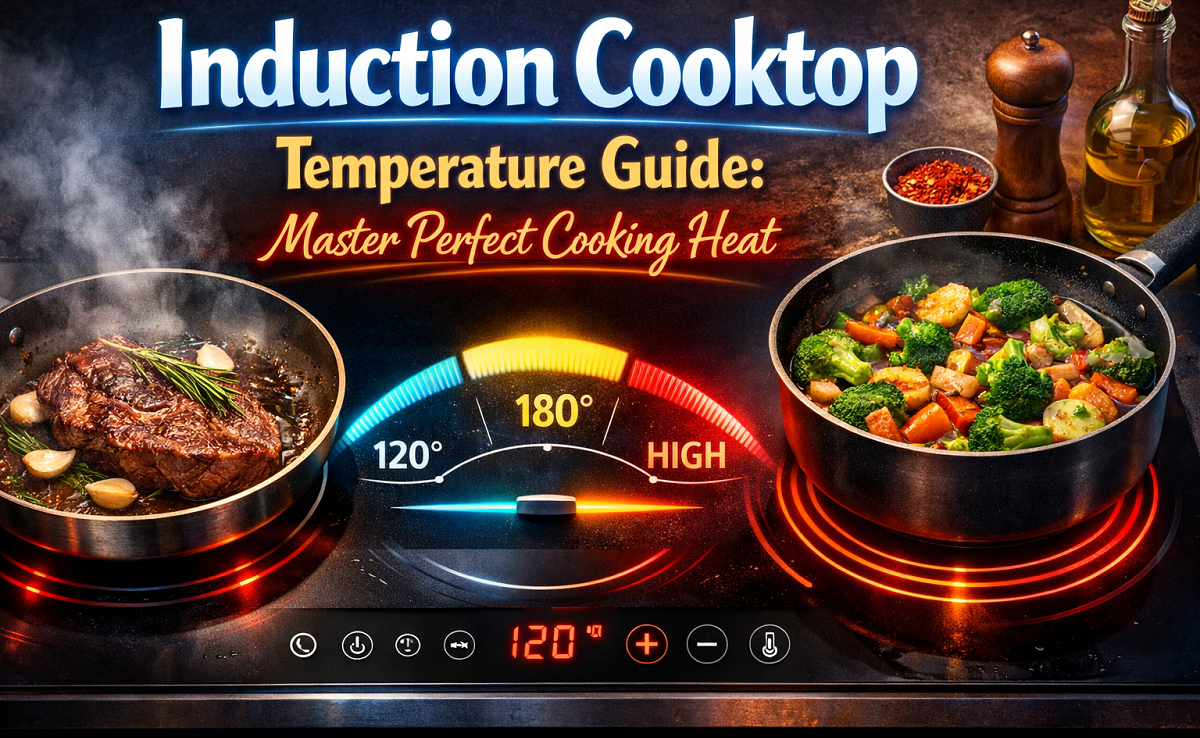
Are you new to induction cooking or trying to perfect your skills? Understanding the right temperature settings on your induction cooktop can make all the difference between a meal that’s just okay and one that’s truly delicious.
Whether you’re simmering a delicate sauce, searing a juicy steak, or melting chocolate for dessert, knowing the exact temperature to use will help you cook with confidence and precision. This Induction Cooktop Temperature Guide breaks down the key heat levels and what they’re best for, so you can get the most out of your induction stove every time you step into the kitchen.
Ready to take control of your cooking and impress your family or guests? Let’s dive in!
Credit: iamzchef.com
You can read for: Best Induction Cooktop With Integrated Ventilation
Induction Heat Levels
Induction cooktops offer precise heat control through different heat levels. Each level suits specific cooking tasks. Understanding these heat levels helps improve cooking results and saves energy. This guide explains common uses for each induction heat level.
Low Heat Uses
Low heat is perfect for gentle warming and simmering. Use it to melt chocolate or butter without burning. It keeps soups or sauces warm without boiling. Low heat also works well for slow cooking delicate dishes.
Medium-low Heat Uses
Medium-low heat is ideal for cooking eggs and soft vegetables. It helps cook pancakes evenly without burning the outside. Use this level to warm milk or heat cream sauces slowly. It prevents curdling or overcooking.
Medium Heat Uses
Medium heat suits cooking grains like rice or pasta. It is great for sautéing vegetables and light frying. Use this level to cook casseroles or stews that need moderate heat. It balances cooking speed and food texture well.
Medium-high Heat Uses
Medium-high heat works for browning meats and stir-frying. It sears food to create a flavorful crust. Use it to caramelize onions or cook thicker cuts of meat. This level heats quickly but still allows control.
High Heat Uses
High heat is best for boiling water fast or frying foods. Use it to sear steaks or grill vegetables quickly. It is useful for reducing sauces or making crispy textures. This level demands careful monitoring to avoid burning.
Max Heat Applications
Max heat delivers the highest temperature your cooktop can reach. Use it for rapid boiling or deep frying. It suits tasks needing intense heat, like canning or stir-frying large batches. Use with caution to prevent accidents.
Credit: hestancue.com
Setting Cooktop Temperatures
Setting the right temperature on an induction cooktop is key for perfect cooking results. It allows you to control heat with precision and avoid burning or undercooking food. Different dishes need different heat levels, so understanding how to set the cooktop temperature is essential for all cooks.
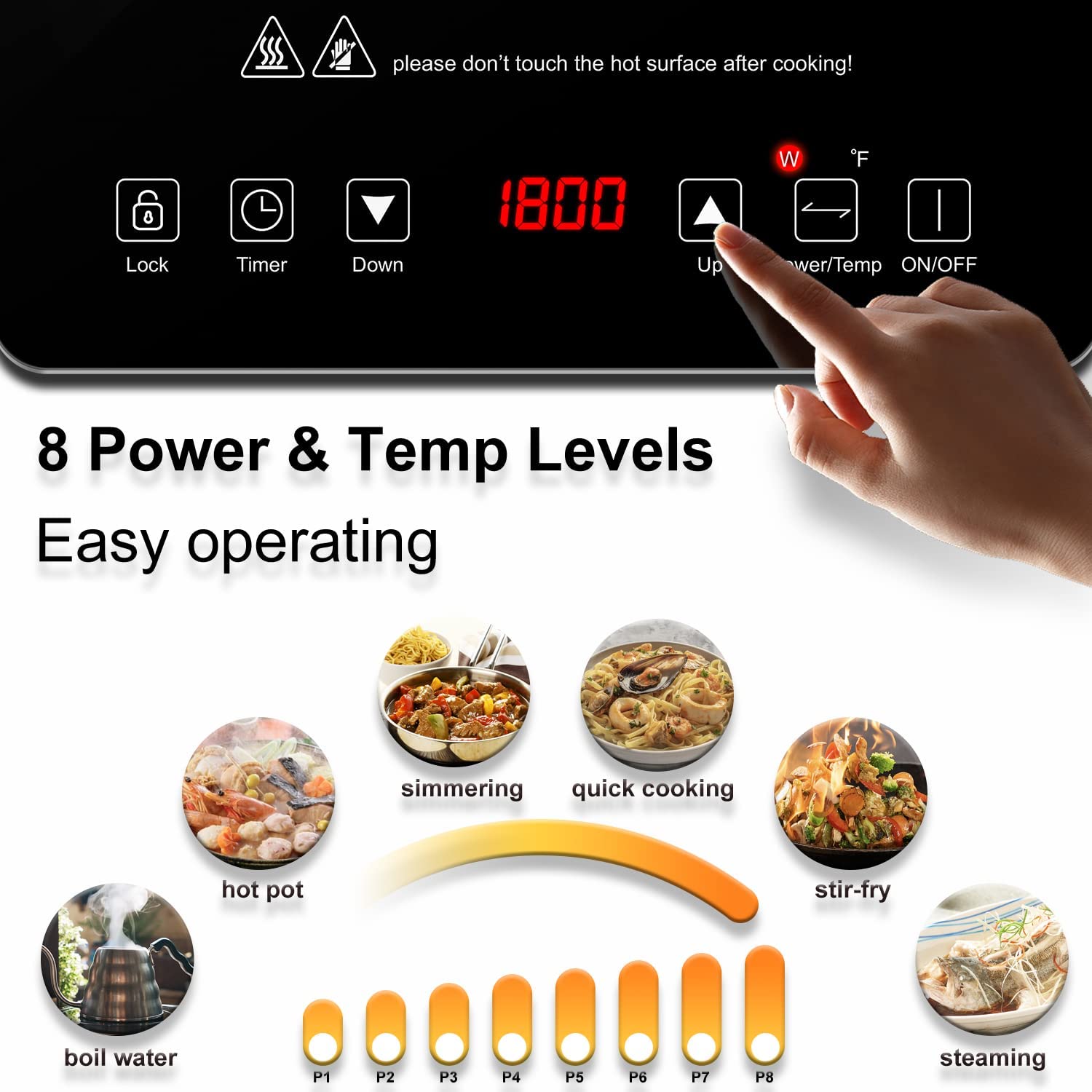
Induction cooktops offer simple ways to adjust power and temperature. You can use numeric settings and timers to make cooking easier and more accurate. These features help maintain consistent heat and improve your cooking experience.
Power Level Adjustments
Power levels control the heat output of your induction cooktop. Lower levels are best for simmering and gentle cooking. Higher levels provide quick boiling and searing. Adjust power slowly to avoid sudden temperature changes. Each cooktop model may have different power steps. Check your user manual for specific details.
Using Numeric Settings
Most induction cooktops use numbers from 1 to 10 or higher. Lower numbers mean less heat, while higher numbers mean more heat. For example, setting 3 or 4 works well for warming soups. Medium heat at 5 or 6 is perfect for frying or sautéing. Use the numbers as a guide to match your cooking needs. Numeric settings make it easy to repeat recipes with the same heat.
Timer Integration
Many induction cooktops have built-in timers. You can set a cooking time to avoid overcooking. Timers help when you need to multitask in the kitchen. After the timer ends, the cooktop can turn off automatically. This feature saves energy and keeps food safe. Use the timer to cook eggs, rice, or slow simmer dishes without watching constantly.
Temperature Testing Methods
Knowing the temperature of your induction cooktop is key to cooking success. Different dishes need different heat levels. Testing the temperature helps you set the right heat every time. It also protects your cookware from damage and keeps food tasty.
Several simple methods can check the temperature on your induction cooktop. These methods do not require special tools and are easy to do in any kitchen. Here are some popular ways to test your cooktop’s heat.
Using Cooking Thermometers
Cooking thermometers give the most accurate temperature reading. Place the thermometer’s probe on the pan surface. Wait a few seconds for the reading to stabilize. This shows the exact heat level of the pan.
Infrared thermometers work well for quick checks. They read surface temperature without touching the pan. Use this tool to monitor heat during cooking and adjust settings as needed.
Flour Test
The flour test is a simple way to check pan heat. Sprinkle a small pinch of flour onto the heated pan. Observe how the flour behaves. If it browns slowly, the heat is low. If it turns golden quickly, the pan is medium hot. If it burns fast, the pan is too hot.
This test helps to gauge heat without any tools. It is useful for frying or sautéing tasks.
Hand Heat Test
The hand heat test estimates temperature by feel. Hold your hand about two inches above the pan surface. Count how many seconds you can keep it there comfortably. A longer count means lower heat. A short count means high heat.
This method gives a quick sense of heat level. It works well for basic cooking needs. Be careful not to touch the hot pan.
Cooking Techniques By Temperature
Understanding cooking techniques by temperature helps you use your induction cooktop effectively. Different dishes require specific heat levels for the best results. Controlling temperature ensures food cooks evenly and tastes great. Here is a guide to common cooking methods and their ideal temperature ranges on an induction cooktop.
Simmering And Slow Cooking
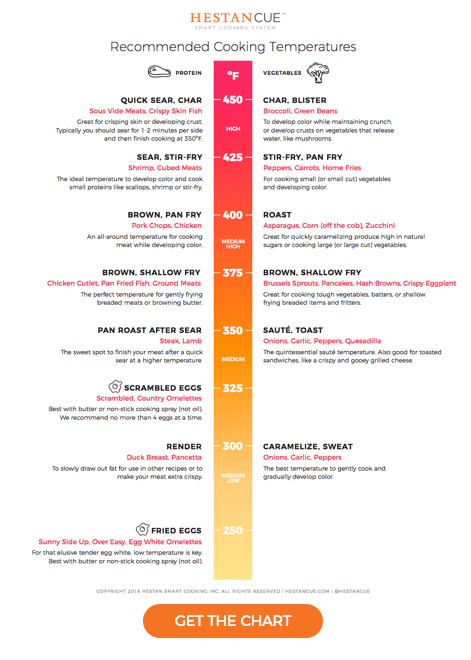
Simmering uses low heat, typically between 180°F and 205°F (82°C to 96°C). It gently cooks soups, stews, and sauces. Slow cooking breaks down tough ingredients without burning. Maintain a steady low temperature for tender, flavorful meals.
Sautéing And Stir-frying
Sautéing requires medium-high heat, around 320°F to 400°F (160°C to 204°C). This method cooks food quickly in a small amount of oil. Stir-frying uses similar temperatures but with constant stirring. Both keep food crisp and colorful.
Searing And Browning
Searing needs high heat, usually 400°F to 450°F (204°C to 232°C). It creates a brown crust on meats and vegetables. This locks in juices and adds rich flavor. Use a preheated pan for the best sear.
Boiling And Pan-frying
Boiling occurs at 212°F (100°C) at sea level. It cooks pasta, rice, and vegetables quickly. Pan-frying uses medium to high heat, between 350°F and 400°F (177°C to 204°C). This cooks food evenly with a crispy outside and tender inside.
You can also read: Best High-End Induction Cooktop With Eco Mode: Top Portable Picks
Tips For Cast Iron On Induction
Cast iron cookware works well on induction cooktops but needs special care. It holds heat strongly and heats unevenly if not managed properly. Follow these tips to cook safely and efficiently with cast iron on induction.
Heat Management
Start cooking on medium or low heat. Cast iron takes time to warm up. Avoid turning the heat to high immediately. Gradually increase the temperature for even cooking. Use lower settings to keep food from burning.
Induction cooktops respond quickly, so adjust heat often. Remove the pan from the burner to cool it faster if needed. This control helps protect your cookware and food.
Avoiding Hot Spots
Hot spots occur when parts of the pan get hotter than others. Move the pan slightly during cooking. Stir food regularly to spread heat evenly.
Use a burner size that matches the pan’s base. A smaller burner can cause uneven heating. Larger burners help heat the cast iron uniformly.
Common Cooking Mistakes
Many home cooks make simple mistakes using induction cooktops. These errors affect cooking results and can damage cookware. Understanding common mistakes helps improve your cooking and extends your cooktop’s life.
Overusing High Heat
Using high heat too often causes food to burn or cook unevenly. Induction cooktops heat quickly, so high heat is not always needed. Many dishes cook better on medium or low heat. Overusing high heat can also warp pans or damage coatings. Save high heat for boiling water or searing meat.
Improper Temperature Settings
Setting the wrong temperature leads to poor cooking results. Some users guess the heat level instead of checking the manual. Too low heat makes food undercooked or soggy. Too high heat dries out or burns food. Use recommended temperature guides for each recipe. Adjust settings carefully to suit your dish and cookware.
Energy Efficiency With Induction
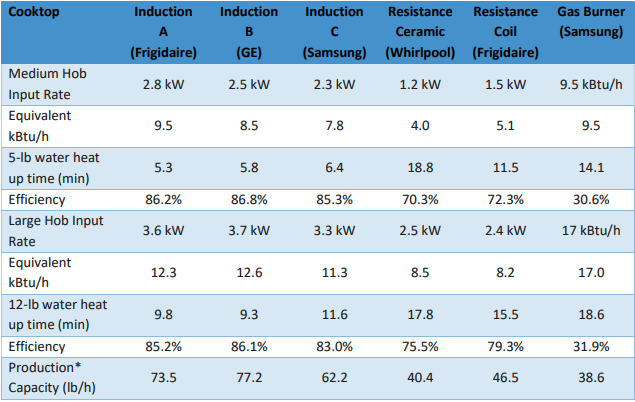
Induction cooktops use magnetic fields to heat pots directly. This method wastes less energy than traditional stoves. The heat transfers quickly and evenly, saving power and time.
Energy efficiency with induction cooktops helps reduce electricity bills. It also lowers the carbon footprint of cooking. Understanding heat levels and cooking time can maximize these benefits.
Optimal Heat Levels
Setting the right heat level is key for energy savings. Medium heat suits most cooking tasks without wasting power. High heat is best for boiling or searing quickly.
Induction cooktops adjust temperature in small steps. This precise control avoids overheating and energy loss. Using lower heat for simmering keeps food warm without extra power.
Reducing Cooking Time
Induction cooktops heat up faster than gas or electric stoves. Faster heating means shorter cooking times and less energy use. Preheating is often not needed, saving more time and power.
Quick response to temperature changes helps avoid overcooking. Adjust heat immediately for efficient cooking. Less time on the cooktop lowers energy consumption significantly.
Credit: ecologycenter.org
Frequently Asked Questions
What Temperature Should An Induction Cooktop Be Set At?
Set an induction cooktop between 120°F (low) and 450°F (high) depending on cooking needs. Medium heat is around 300°F. Use specific power levels for simmering, sautéing, or boiling. Adjust settings based on recipe and cookware for precise temperature control.
What Number Is Medium High Heat On An Induction Stove?
Medium-high heat on an induction stove usually corresponds to power level 6 or 7 out of 10. Use this for sautéing and browning.
How To Adjust Temperature In An Induction Cooktop?
Adjust temperature by selecting the power level on the control panel. Use low for simmering, medium for cooking, and high for boiling or searing. Monitor heat with a thermometer or hand test for accuracy.
What Setting Is 350 Degrees On An Electric Stove Top?
On an electric stove top, 350 degrees usually corresponds to a medium heat setting, around 4 or 5. Adjust as needed for even cooking.
Conclusion
Understanding your induction cooktop’s temperature settings makes cooking easier. Start with low heat for gentle cooking or warming. Use medium heat for sauces, soups, and pancakes. High heat works well for boiling and searing. Adjust the temperature based on your recipe’s needs.
Testing with a thermometer or simple hand tricks helps find the right heat. Practice improves your control and cooking results. Enjoy the precision and speed that induction cooking offers daily. Keep this guide handy for better meals every time you cook.