
If your serrated knives have lost their sharp edge, you might be wondering how to bring them back to life without ruining those unique teeth. Unlike regular knives, serrated blades need a special touch when it comes to sharpening.
Using a standard knife sharpener won’t work and can actually damage your knife. But don’t worry—by using the right tools and techniques, you can easily sharpen your serrated knives at home. In this guide, you’ll learn exactly how to use a knife sharpener designed for serrated edges, step by step.
Stick with me, and your knives will cut through bread, tomatoes, and more like they’re brand new.
Why Traditional Sharpeners Fail
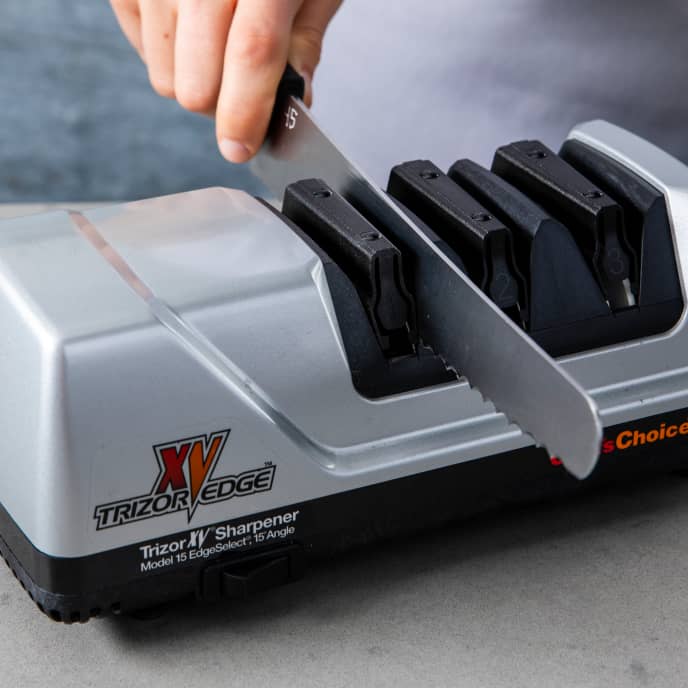
Traditional knife sharpeners often fail to sharpen serrated knives properly. These sharpeners are designed for smooth blades. Serrated knives have a unique shape that needs special care. Using the wrong sharpener can harm the blade instead of fixing it. Understanding why traditional sharpeners fail helps keep your serrated knives sharp and safe.
Damage To Serrated Teeth
Serrated knives have small teeth along the edge. Traditional sharpeners grind the entire blade evenly. This action flattens or chips the serrated teeth. Once the teeth are damaged, the knife loses its cutting power. The sharpener removes too much metal from the flat parts. The teeth become dull or misshapen quickly.
Unique Blade Shape Challenges
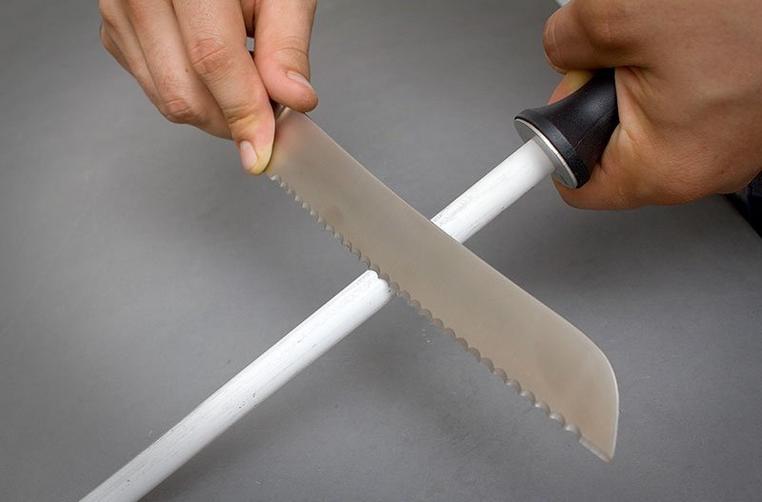
Serrated blades have curved or scalloped edges. Traditional sharpeners are flat or angled for straight blades. They cannot reach deep into the grooves between teeth. This leaves parts of the blade unsharpened. The unique shape requires sharpening each serration separately. Special tools like ceramic rods fit into the grooves. They sharpen without harming the blade’s shape.
Credit: www.knivesandtools.com
Tools Needed For Serrated Knives
Sharpening serrated knives requires special tools designed for their unique teeth. Using the wrong sharpener can damage the blade. Choosing the right tool helps keep the knife effective and extends its life. Below are the essential tools you need for sharpening serrated knives.
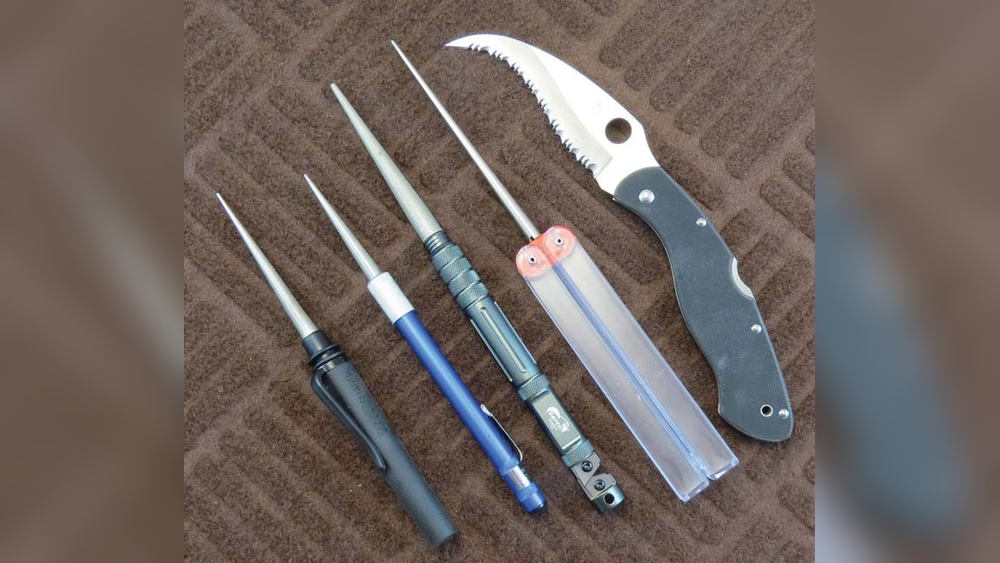
Diamond Sharpening Rod
A diamond sharpening rod is perfect for serrated knives. Its rough surface easily grinds metal and reshapes teeth. The rod fits into each serration for precise sharpening. It lasts long and works fast on dull edges.
Ceramic Sharpening Rod
Ceramic rods are gentler than diamond ones. They polish and refine the knife’s edge without removing too much metal. Ideal for regular maintenance, ceramic rods keep serrations sharp and smooth. Their smooth texture helps reduce wear on the blade.
Lansky Sharpener Options
Lansky offers specialized sharpeners for serrated blades. Their systems include rods and guides to sharpen each tooth evenly. Lansky sharpeners are easy to use and provide consistent results. They come in different sizes to match various serration shapes.
Preparing Your Knife And Sharpener
Preparing your serrated knife and sharpener properly ensures a safer and more effective sharpening process. Taking a few simple steps first helps protect the blade and your hands. It also makes the sharpening easier and more precise. Follow these guidelines to get ready before you start sharpening.
Cleaning The Blade
Remove any food or dirt from the knife blade. Use warm water and mild soap to clean it well. Dry the blade completely with a soft cloth. A clean blade allows the sharpener to work better. Dirt or grease can block the sharpening tool and reduce its effectiveness.
Identifying The Beveled Side
Look closely at the serrated edge of your knife. Serrated knives have one side with small curved teeth, called the beveled side. The other side is usually flat or less angled. Sharpen only the beveled side for the best results. Do not try to sharpen the flat side, as it may damage the blade.
Setting A Comfortable Workspace
Choose a well-lit area with enough space to work safely. Place a non-slip mat or towel on the surface to keep tools steady. Sit or stand at a height that feels natural and relaxed. Good posture helps you control the sharpener easily. Keep your hands and fingers clear of the blade during sharpening.

Credit: www.youtube.com
Step-by-step Sharpening Process
Sharpening serrated knives requires a careful and precise approach. The serrations on these knives are small and curved, so each groove needs attention. The sharpening process involves working on every serration to restore the blade’s cutting power. Follow these simple steps to sharpen your serrated knife using a rod sharpener.
Positioning The Rod In Serrations
Start by placing the sharpening rod inside the first serration. Match the rod’s angle with the curve of the serration. Hold the rod steady and fit it snugly into the groove. This ensures the sharpening touches the right edge without slipping.
Maintaining Consistent Angles
Keep the rod at the same angle throughout the process. Usually, a 15 to 20-degree angle works best. Consistency is key to sharpening evenly. Move the rod gently to avoid rounding off the serration edges.
Sharpening Each Serration Individually
Work on each serration one by one. Slide the rod through the groove a few times with light pressure. Avoid sharpening the flat side of the blade; focus only on the serrated edge. This method sharpens all the teeth evenly.
Checking Sharpness Progress
After sharpening, test the knife on soft materials like paper or tomatoes. If the knife still feels dull, repeat the sharpening steps. Regularly check to avoid over-sharpening. Sharp serrated knives cut smoothly and easily.
Using A Lansky Sharpener On Serrated Blades
Using a Lansky sharpener on serrated blades offers a precise way to restore their cutting edge. The Lansky system provides guided sharpening, which helps maintain the blade’s original shape. This is important for serrated knives because their teeth need careful attention. The process involves selecting the right guide, using a specific sharpening technique, and finishing with proper care. Follow these steps for sharp, effective serrated edges.
Attaching The Correct Guide
Start by choosing the guide that fits your serrated knife’s size. Lansky offers different guide sizes to match various blade teeth. Attach the guide securely to the sharpener’s clamp. This keeps the blade steady while sharpening. Make sure the guide lines up with each serration. Proper alignment prevents damage to the blade’s edges. A stable setup is key to an even sharpening process.
Sharpening Technique Specifics
Use the sharpening rod included in the Lansky kit. Select the rod size that fits the serrations. Insert the rod into each scallop or tooth on the blade. Sharpen with gentle strokes, following the curve of each serration. Avoid applying too much pressure. Sharpen each tooth evenly to maintain blade balance. Repeat the process until the blade feels sharper. Take your time for the best results.
Finishing Touches
After sharpening all serrations, check the blade’s edge carefully. Use a fine grit rod or strop to smooth rough spots. Clean the blade to remove metal particles. Test the knife on soft food to ensure sharpness. Proper finishing keeps the blade safe and effective. Store the knife properly to maintain its sharp edge longer. Regular maintenance extends the life of serrated knives.
Credit: www.americastestkitchen.com
Honing Serrated Knives
Honing serrated knives helps maintain their cutting edge between sharpenings. Unlike straight-edged blades, serrated knives have teeth that require special care. Honing realigns the edges without removing much metal. It keeps the knife effective for slicing bread, tomatoes, and other foods.
Regular honing prevents the blade from becoming dull too fast. It also extends the time between full sharpening sessions. Using the right tool and technique ensures the serrations stay sharp and intact.
Using A Honing Steel
Choose a honing steel with a fine, rounded tip. The tip fits into each serration groove. Hold the knife at the correct angle, usually around 20 degrees. Gently slide the honing steel along each serration. Move from the base to the tip of the blade.
Use light pressure to avoid damaging the teeth. Repeat this process a few times on each serration. Wipe the blade clean after honing to remove metal particles. This method keeps the serrations aligned and sharp.
When To Hone Vs. Sharpen
Honing is for regular maintenance. Do it when the blade feels slightly dull or sticky. Sharpening removes metal to restore the edge. It is needed when the knife loses its cutting power.
Hone your serrated knife every few uses. Sharpen only when honing no longer improves the blade. Proper timing keeps the knife sharp and lasts longer. Avoid sharpening too often to prevent wearing down the serrations.
Maintenance Tips For Serrated Knives
Proper maintenance keeps serrated knives sharp and long-lasting. Regular care preserves their cutting edge and prevents damage. Follow these simple tips to maintain your serrated knives effectively.
Regular Cleaning And Drying
Clean serrated knives after each use to remove food particles. Use warm water and mild soap for gentle cleaning. Avoid harsh scrubbing to protect the blade’s serrations. Dry the knife thoroughly to prevent rust and corrosion. Store only when the knife is fully dry.
Proper Storage Methods
Store serrated knives separately from other utensils. Use a knife block or magnetic strip for safe storage. Avoid tossing knives in drawers to prevent dulling and chipping. Keep blades covered or sheathed to protect the edges. Proper storage ensures the knife stays sharp longer.
Frequency Of Sharpening
Sharpen serrated knives less often than straight blades. Check the sharpness regularly by slicing soft foods. Sharpen only when cutting becomes difficult or uneven. Use a specialized sharpening rod designed for serrated edges. Consistent, gentle sharpening maintains blade performance and safety.
Frequently Asked Questions
Can You Use A Knife Sharpener On Serrated Knives?
Do not use a traditional sharpener on serrated knives; it damages their teeth. Use a diamond or ceramic rod to sharpen each serration carefully.
What Is The Best Knife Sharpener For Serrated Knives?
The best knife sharpener for serrated knives is a diamond or ceramic sharpening rod. It fits each serration precisely. Traditional sharpeners damage serrated teeth. Use the rod to sharpen one serration at a time, maintaining the bevel angle for optimal results.
How To Sharpen A Serrated Bread Knife At Home?
Use a ceramic or diamond sharpening rod to sharpen each serration individually. Match the rod angle to the bevel. Sharpen one side at a time with gentle strokes. Avoid traditional sharpeners to protect serrated teeth. Repeat until sharp.
Is It Worth Sharpening Serrated Knives?
Sharpening serrated knives is worth it to maintain cutting efficiency. Use a ceramic or diamond rod to sharpen each serration carefully. Avoid traditional sharpeners, as they damage the teeth and ruin the blade’s unique edge. Regular maintenance prolongs the knife’s lifespan and performance.
Conclusion
Sharpening serrated knives takes patience and the right tools. Use a ceramic or diamond rod to focus on each serration. Work slowly and follow the blade’s curve carefully. Regular sharpeners can ruin the teeth, so avoid them. Keep your knife sharp to cut easily and safely.
With practice, you will maintain your serrated knives well. This simple care keeps them lasting longer and working better.