

If you’ve just got a new wok and an electric stove, you might be wondering how to get that perfect non-stick surface. Seasoning a wok might sound tricky, especially without a gas flame, but it’s totally doable—and it makes all the difference in your cooking.
When you season your wok correctly on an electric stove, you create a natural coating that locks in flavor, prevents rust, and makes stir-frying easier and more enjoyable. Ready to learn how to transform your wok into a kitchen powerhouse?
Keep reading, and you’ll discover simple, step-by-step tips that will have your wok seasoned like a pro in no time.
Choosing The Right Wok
Choosing the right wok is an important first step for seasoning on an electric stove. The wok must fit well on the burner to heat evenly. Its shape and material affect heat distribution and seasoning quality. Picking the correct wok helps create a strong, non-stick surface.
Flat Bottom Vs Round Bottom
Electric stoves work best with flat-bottom woks. Flat bottoms sit directly on the burner. They get steady, even heat across the surface. Round bottom woks do not touch the stove fully. This causes uneven heating and weak seasoning. Round bottoms suit gas stoves better, where a wok ring can hold them.
Material Considerations
Carbon steel is the best choice for seasoning a wok. It heats quickly and forms a durable, non-stick coating after seasoning. Cast iron is heavy but also works well for seasoning. Avoid non-stick or stainless steel woks. They do not season properly and may peel or rust. Thin metals heat unevenly and make seasoning difficult.
Credit: www.reddit.com
Preparing The Wok
Preparing your wok properly is the first step to successful seasoning. This process removes any unwanted coatings and ensures the surface is ready to develop a natural non-stick layer. Proper preparation helps your wok last longer and perform better on an electric stove.
Each wok comes with a factory coating to protect it during shipping. This coating must be removed to allow the seasoning oil to bond with the metal. Careful cleaning removes dirt and residue that can affect seasoning quality.
Removing Factory Coating
Most new woks have a protective oil or coating from the factory. This coating prevents rust but stops seasoning. Start by scrubbing the wok with hot water and a mild dish soap. Use a soft sponge or scouring pad. Avoid harsh brushes that can scratch the surface.
Rinse the wok well and dry it completely. You can also boil water in the wok for a few minutes to help loosen the coating. Then, pour out the water and wipe the wok dry with a clean cloth or paper towel.
Cleaning Techniques
Cleaning the wok well prepares it for oil seasoning. Use warm water and dish soap to wash the wok thoroughly. Remove any dirt, grease, or factory residue. Rinse the wok with hot water to clear soap traces.
Dry the wok immediately with a clean towel. Never leave it to air dry, as this causes rust. If rust spots appear, scrub gently with a soft brush or steel wool until clean.
After cleaning, the wok surface should look clean and dull. This means it is ready for the seasoning process on your electric stove.
Selecting The Oil
Choosing the right oil is a crucial step in seasoning your wok on an electric stove. The oil helps create a protective layer on the wok’s surface, preventing rust and giving it a natural non-stick finish. Not all oils work the same for this process. Some oils handle the high heat better, making them ideal for seasoning. Understanding which oils to use improves the quality and durability of your wok.
High Smoke Point Oils
Oils with a high smoke point are best for seasoning a wok. These oils can handle the strong heat without burning or smoking too much. Examples include canola oil, grapeseed oil, peanut oil, and vegetable oil. These oils form a strong, smooth layer on the wok’s surface. Avoid oils with low smoke points like olive oil or butter. They can burn easily and leave a sticky residue.
Why Oil Choice Matters
The right oil protects the wok and builds a lasting seasoning layer. High smoke point oils create a hard, durable surface. This surface improves with each use, making cooking easier over time. Using the wrong oil can cause uneven seasoning and bad smells. It may also damage the wok by leaving sticky patches. Choosing a suitable oil ensures your wok lasts longer and cooks better.
Heating The Wok
Heating the wok properly is the first step to successful seasoning. It prepares the metal surface to bond with the oil. On an electric stove, this process needs patience and care. The goal is to heat the wok evenly and thoroughly. This helps form a durable, non-stick layer. Heat affects how well the oil sticks and cures on the wok.
Initial Heating On Electric Stove
Start with a clean, dry wok. Place it flat on the electric burner. Turn the heat to high. Let the wok heat slowly for about 5 to 8 minutes. Watch for the color change. The wok should shift from shiny to a dull gray or blue tint. This shows the metal is hot enough. Avoid rushing this step. Sudden high heat may warp the wok.
Heating The Sides Effectively
Electric stoves heat from the bottom only. The wok’s sides may stay cooler. Tilt the wok onto its side carefully. Move it so the sides get direct heat. Hold it steady and rotate slowly. This warms the curved sides evenly. Heating the sides prevents uneven seasoning. It helps oil coat the entire surface. Use an oven mitt to protect your hand. Be patient and keep the wok hot all around.
Applying Oil Layers
Applying oil layers is a crucial step in seasoning your wok on an electric stove. This process builds a protective coating that stops rust and improves cooking. The oil must be spread evenly in thin layers. Each layer should be heated until it forms a dark, sticky film on the wok’s surface. This creates a natural non-stick finish that gets better with use.
Spreading Thin Oil Coats
Pour a small amount of high smoke point oil onto the wok. Use a heat-resistant brush or cloth to spread the oil thinly. Cover the entire inside surface, including the sides. Avoid thick pools of oil. Thin layers heat and bond better to the metal. This helps build a smooth, durable seasoning.
Using Paper Towels Safely
Use folded paper towels to spread the oil carefully. Hold the paper towel with tongs to avoid burns. This keeps your hands safe from hot surfaces and oil. Wipe gently to create an even coat. Dispose of used paper towels properly to prevent fire hazards. Safety matters during every step of seasoning.
Smoking And Cooling
Smoking and cooling are crucial steps in seasoning your wok on an electric stove. These steps help form a durable, non-stick surface. Proper smoking creates a dark patina, which protects the wok from rust and improves cooking performance.
Cooling allows the oil to bond with the metal, making the seasoning last longer. Patience during these stages ensures the best results for your wok’s seasoning.
Heating Until Smoking
Place the wok on the electric burner and turn it to high heat. Heat the wok evenly until it starts to smoke. This process burns off any remaining residue and prepares the surface for oil absorption. The wok may change color to a blue-gray or dark shade. This color change signals the metal is ready for the next step. Keep an eye on the wok to avoid overheating or damage.
Letting The Wok Rest
Turn off the heat and let the wok cool naturally. Do not pour cold water on it, as this can cause warping. Cooling allows the oil to set into the metal pores. This step strengthens the seasoning layer and increases its durability. Let the wok rest for at least 30 minutes or until it feels cool to the touch. Repeat heating and cooling cycles for a stronger, deeper seasoning.
Repeating The Seasoning
Repeating the seasoning process is essential to build a strong, non-stick layer on your wok. Each coat adds protection and improves the wok’s cooking performance. This step takes patience but gives the best results over time.
After the first seasoning, your wok will look different but not perfect. Multiple layers create a durable surface that withstands high heat and frequent use. Keep applying thin coats of oil and heating the wok until you reach the desired finish.
Number Of Coats Needed
Typically, 3 to 5 coats of seasoning are needed for a new wok. Each coat should be thin and even. Too much oil causes sticky spots or uneven seasoning. Thin layers dry quickly and bond well with the metal.
After applying oil, heat the wok until it smokes lightly. Let it cool before starting the next coat. Repeat this cycle until the wok develops a consistent color and texture. More coats may be needed for carbon steel woks or heavy use.
Achieving The Dark Matte Finish
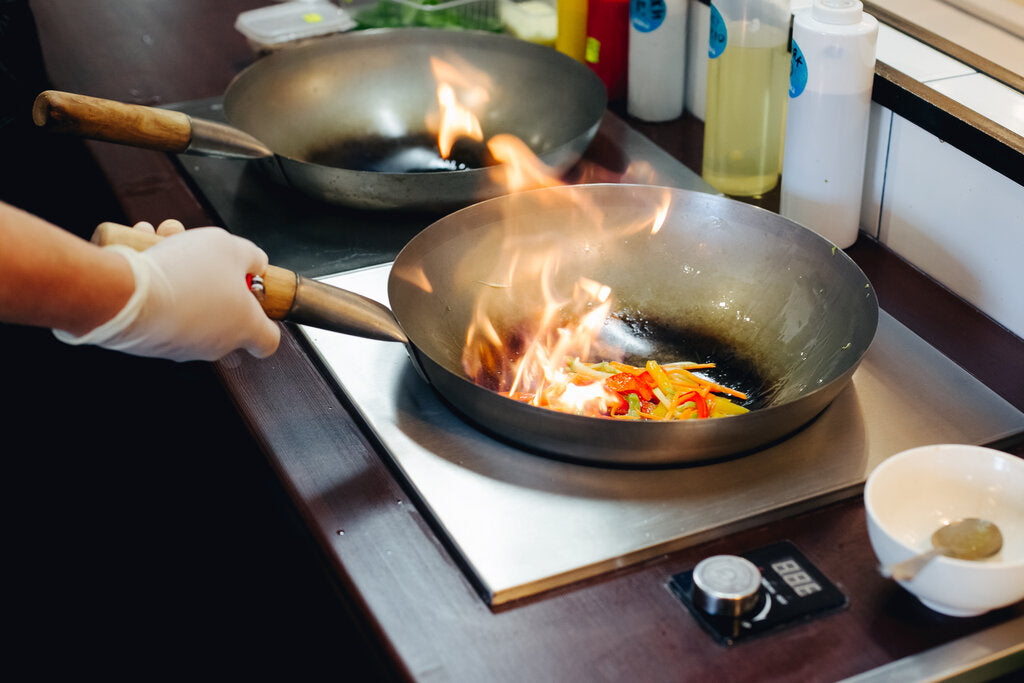
The goal is a dark, matte finish that shows good seasoning progress. This finish protects the wok and prevents rust. It also improves food release during cooking.
With each coat, the wok darkens and becomes smoother. Avoid shiny or sticky patches by applying thin oil layers. If patches appear, clean the wok gently and season again. Patience creates a natural, durable non-stick surface.
Credit: unocasa.com
Maintaining The Seasoning
Maintaining the seasoning on your wok keeps it non-stick and rust-free. Proper care after each use builds a strong, lasting coating. This layer improves cooking performance and flavor over time.
Simple cleaning and storage habits protect the seasoning. Avoid harsh scrubbing or soap that can strip the oil layer. Follow easy steps to keep your wok in great shape.
Cleaning After Use
Clean the wok with hot water and a soft sponge. Avoid using soap or abrasive scrubbers. These can remove the seasoning and cause rust.
If food sticks, soak the wok briefly in warm water. Gently scrub with a bamboo brush or non-metal sponge. Rinse well and dry immediately.
Drying And Storage Tips
Dry your wok completely after washing. Use a towel or heat it on the stove for a few minutes. Moisture causes rust and damages the seasoning layer.
Lightly oil the inside surface before storing. Use a thin layer of cooking oil and wipe off excess. Store the wok in a dry place with good air circulation.
Common Challenges On Electric Stoves
Seasoning a wok on an electric stove brings some unique challenges. Electric stoves heat differently than gas, which affects the seasoning process. Understanding these issues helps achieve a well-seasoned wok that cooks evenly and resists rust. Electric burners take longer to heat and cool. They also provide less direct heat to the wok’s curved sides. These factors can make seasoning uneven and slow.
Heat Distribution Issues
Electric stoves often heat unevenly. The flat burner touches only the wok’s bottom, not its sides. This can cause the wok’s base to get very hot while the sides remain cooler. Uneven heat means the seasoning layer may form only on the bottom. The sides might stay dull or rusty. Also, electric burners heat up and cool down slowly. This makes it harder to control the temperature. Overheating or underheating can ruin the seasoning process. The wok may also develop hot spots that affect cooking later.
Tips For Better Results
Use a flat-bottomed wok for better contact with the burner. This helps spread heat more evenly. Heat the wok slowly and steadily. Allow enough time for the metal to reach a uniform temperature. Lift and tilt the wok to heat the sides over the burner. Rotate the wok to cover all areas. Apply oil in thin layers after heating. Use oils with a high smoke point, like canola or vegetable oil. Be patient and repeat the seasoning steps several times. This builds a strong, even coating. Avoid sudden temperature changes to prevent warping.
Credit: www.reddit.com
Frequently Asked Questions
Can I Season My Wok On An Electric Stove?
Yes, you can season a wok on an electric stove by heating it thoroughly and applying thin oil layers repeatedly. Use a flat-bottom wok for better heat contact. Heat the wok until it changes color, then oil and smoke it multiple times for a durable seasoning.
How To Season A Wok On A Stove?
Clean the wok thoroughly. Heat it on high until it turns gray. Tilt to heat sides evenly. Apply a thin oil layer. Heat until smoking. Repeat oiling and heating 2-3 times. Cool and wipe dry. Maintain seasoning by cleaning and drying after each use.
How To Season A Wok On A Glass Cooktop?
Use a flat-bottom wok for full burner contact. Clean thoroughly. Heat wok on high until it darkens. Tilt to heat sides. Wipe with high smoke point oil evenly. Heat until smoking. Repeat oiling and heating until matte finish forms. Cool and store dry to maintain seasoning.
Can You Use An Electric Stove For A Wok?
Yes, you can use an electric stove for a wok. Choose a flat-bottom wok for better heat contact. Heat it evenly and season carefully for best results.
Conclusion
Seasoning a wok on an electric stove takes patience and care. Heat the wok thoroughly and apply thin layers of oil. Repeat the process until the wok develops a smooth, dark surface. This helps prevent food from sticking and adds flavor to your cooking.
With regular use, your wok will improve over time. Keep it clean and dry after each use. Proper seasoning makes cooking easier and more enjoyable. Try these simple steps to enjoy your wok every day.