

Rust on your stainless steel knives can be frustrating and disappointing. You rely on these tools every day, and seeing those pesky orange spots can make you wonder if they’re ruined for good.
But here’s the good news: you don’t have to toss them out or buy new ones. You can easily bring back their shine and sharpness with simple, effective methods. Keep reading, and you’ll discover practical steps you can take right now to remove rust and keep your knives looking and working like new.
Your kitchen deserves it, and so do you.
Causes Of Rust On Stainless Steel Knives
Rust on stainless steel knives can be surprising and frustrating. These knives are known for their resistance to rust, but certain conditions cause rust to form. Understanding these causes helps prevent damage and keeps knives sharp and safe.
Rust develops when the protective chromium layer on the steel breaks down. This layer usually stops rust by forming a thin, invisible barrier. When this barrier is damaged or weakened, the steel underneath reacts with oxygen and moisture, leading to rust. Dirt, food acids, and salt can also harm this layer, speeding up rust formation.
Common Rust Triggers
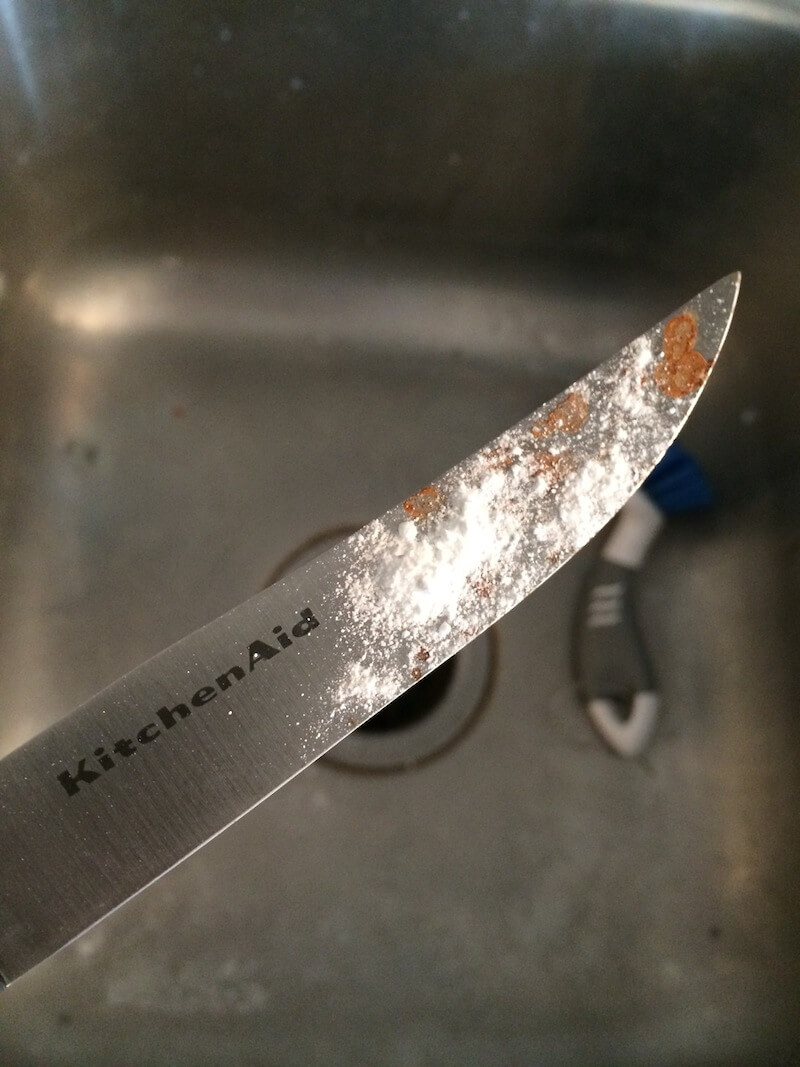
Rust appears due to several common triggers. Salt from food or water can cling to the blade and cause corrosion. Acidic substances like lemon juice or vinegar also wear down the metal. Scratches or chips on the blade expose raw steel, making rust easier. Using steel wool or harsh scrubbers can create tiny damages too. Leaving food residue on the blade invites rust as well.
Impact Of Moisture And Storage
Moisture is the main enemy of stainless steel knives. Water left on the blade after washing can cause rust spots. Storing knives in damp places or wrapped in wet cloths traps moisture. Knives kept in a drawer without drying properly develop rust faster. Airflow is important; it helps dry the blade quickly and stops rust. Proper storage, like knife blocks or magnetic strips, reduces moisture contact and protects knives.
Credit: chaoticallycreative.com
Essential Tools For Rust Removal
Removing rust from stainless steel knives requires the right tools. Choosing effective tools makes the process easier and faster. Some tools are common household items. Others are specially made for rust removal. Knowing these tools helps keep knives sharp and clean.
Household Items That Work
Many household items remove rust gently and cheaply. White vinegar softens rust for easy scrubbing. Baking soda mixed with water forms a paste that lifts rust. Aluminum foil, crumpled into a ball, scrubs rust without scratching the blade. Lemon juice also breaks down rust naturally. These items are safe and easy to find at home.
Specialized Rust Removal Products
Special rust removers work faster on tough rust spots. They come in gels, liquids, or sprays. These products dissolve rust quickly and prevent damage to knives. Use a soft cloth or brush to apply them carefully. Follow the instructions for best results. Specialized products are good for heavy rust or frequent cleaning.
Step-by-step Rust Removal Methods
Removing rust from stainless steel knives is easier than many think. Simple household items can restore shine and sharpness. Follow these step-by-step methods for safe, effective rust removal. Each method uses common ingredients or tools you may already have.
Using Baking Soda Paste
Start by mixing baking soda with a little water. Make a thick paste that sticks well to the blade. Spread the paste over the rusty areas using a soft cloth or sponge. Let it sit for 15 minutes to break down the rust. Gently scrub the knife with a soft brush or sponge. Rinse the knife under warm water and dry it with a clean cloth. Repeat if rust remains.
Applying White Vinegar
Pour white vinegar into a shallow container. Place the rusty knife in the vinegar so the blade is covered. Let it soak for about 30 minutes to loosen rust. Remove the knife and scrub the rust spots with a soft brush. Rinse thoroughly with water and dry completely. Vinegar’s acidity helps dissolve rust effectively.
Lemon And Salt Technique
Cut a lemon in half and sprinkle salt on the cut side. Rub the salty lemon over the rust spots. The acid in lemon and roughness of salt work together to remove rust. Let the mixture sit on the blade for 10-15 minutes. Wipe off with a damp cloth and dry the knife well. Repeat if needed for tougher rust.
Commercial Rust Removers
Choose a rust remover made for stainless steel knives. Follow the product instructions carefully for safety. Usually, apply the remover with a cloth and let it sit briefly. Use a soft brush to scrub off rust. Rinse the knife well and dry thoroughly. These products can speed up rust removal but use as directed.

Credit: imarku.net
Tips For Preventing Rust On Knives
Preventing rust on stainless steel knives keeps them sharp and safe for use. Rust reduces the knife’s life and makes it unsafe. Small efforts help keep knives rust-free and in good shape. Follow simple tips to avoid rust buildup.
Proper Cleaning And Drying
Clean knives immediately after use. Use warm water and mild soap. Avoid harsh chemicals that damage the steel. Dry knives completely with a soft cloth. Do not air dry. Moisture causes rust to form fast. Make sure no water stays on the blade.
Safe Storage Practices
Store knives in a dry place only. Use knife blocks or magnetic strips. Avoid storing knives loose in drawers. Drawers collect moisture and cause scratches. Keep knives away from humid areas like sinks or dishwashers. Proper storage limits rust and damage risks.
Regular Maintenance Routines
Check knives regularly for signs of rust. Wipe blades with oil to create a protective layer. Use food-safe mineral oil for best results. Sharpen knives often to keep edges clean. Regular care stops rust before it starts. Small steps improve knife lifespan greatly.
When To Seek Professional Help
Rust on stainless steel knives can often be removed with home methods. Small rust spots usually respond well to simple cleaning. Some damage, though, needs expert care. Knowing when to seek professional help saves your knife and effort.
Severe Rust Damage
Severe rust can eat deep into the metal. It weakens the blade and causes pits or holes. Such damage is hard to fix at home. Professionals have special tools and chemicals. They can remove deep rust safely. Trying to fix severe rust yourself may worsen the blade.
Knife Sharpening And Restoration
Rust often dulls the knife edge. After rust removal, knives usually need sharpening. Professionals restore the blade’s sharpness and shape. They can also polish the surface to prevent future rust. Proper sharpening improves cutting performance. Experts make sure your knife works like new again.

Credit: www.dalstrong.co.uk
Frequently Asked Questions
How Can I Safely Remove Rust From Stainless Steel Knives?
Use a gentle abrasive like baking soda paste or white vinegar. Apply it on the rust, let it sit for minutes, then scrub softly with a non-abrasive sponge. Rinse and dry thoroughly to prevent more rust.
What Household Items Remove Rust From Stainless Steel Knives?
Common items like baking soda, white vinegar, lemon juice, and salt effectively remove rust. These natural agents break down rust without harming the knife’s surface, making them safe and eco-friendly options.
Can Rust Damage The Sharpness Of Stainless Steel Knives?
Yes, rust can corrode the blade and dull the edge. Removing rust promptly preserves sharpness and extends the knife’s lifespan, ensuring safe and efficient cutting.
How Often Should I Clean Stainless Steel Knives To Avoid Rust?
Clean knives immediately after each use and dry them thoroughly. Regular cleaning and drying prevent moisture buildup, reducing rust risk and maintaining knife quality.
Conclusion
Rust on stainless steel knives can be removed with simple steps. Use common household items like baking soda or vinegar for best results. Clean the knife gently to avoid damage. Dry it well after cleaning to stop rust from returning.
Regular care keeps your knives sharp and safe. Rust removal is easy when done carefully and often. Keep your kitchen tools in great shape with these tips. Your knives will last longer and work better. Small efforts make a big difference in knife care.