

If you love oysters but want to skip the extra carbs and mess of breading, you’re in the right place. Pan frying oysters without breading lets you enjoy their natural flavor and tender texture in just minutes.
Plus, it’s simple and quick—perfect for any meal or snack. In this guide, you’ll learn easy steps to pan fry oysters that are crispy on the outside and juicy inside, without using flour, breadcrumbs, or batter. Ready to impress your taste buds and your guests?
Keep reading to discover how to master this delicious, no-breading oyster recipe!
Prep Oysters Right
Preparing oysters correctly is essential for a perfect pan-fry without breading. The right preparation ensures a better texture and flavor. It also helps the oysters cook evenly and prevents excess moisture from spoiling the frying process.
Shuck And Dry
Start by shucking the oysters carefully. Use an oyster knife to open the shell and remove the oyster meat. Handle the oysters gently to keep them intact. After shucking, place the oysters on a plate or paper towel. Pat them dry with another paper towel to remove surface water. Dry oysters fry better and get a nice sear in the pan.
Remove Excess Moisture
Excess moisture causes oysters to steam instead of fry. To avoid this, spread the oysters on a clean kitchen towel. Let them sit for a few minutes to air dry further. You can also gently press them with a paper towel to soak up extra liquid. Removing moisture helps the oysters get a golden crust and prevents oil splatter during cooking.

Credit: inthekitchenwithkath.com
Choose The Pan
Choosing the right pan is important for pan frying oysters without breading. The pan affects how evenly the oysters cook and how well they develop a golden crust. Selecting a pan that holds heat well and distributes it evenly helps achieve the best results. Understanding the differences between pan types and their sizes can improve your cooking experience.
Cast Iron Vs Nonstick
Cast iron pans hold heat very well. They create a nice sear on oysters, giving a good crust. Cast iron is heavier and needs preheating before cooking. It also requires seasoning to keep food from sticking.
Nonstick pans heat quickly and are lighter. They prevent oysters from sticking without extra oil. Nonstick pans are easier to clean but may not give the same crispy texture as cast iron. Choose based on your comfort and cooking style.
Size And Depth
Use a pan large enough to hold oysters in a single layer. Crowding the pan causes uneven cooking and steaming instead of frying. A shallow pan helps with easy flipping and quick heat transfer.
A deep pan can hold more oil but may cause oysters to cook unevenly. Medium depth pans balance oil amount and cooking space. Pick a pan size that fits your stove and the number of oysters you plan to fry.
Select The Fat
Choosing the right fat is key to pan frying oysters without breading. The fat affects taste, texture, and cooking results. It also helps prevent sticking and burning. Here’s what to consider when selecting fat for your oysters.
Butter, Oil, Or Both
Butter adds a rich, creamy flavor and browns beautifully. It pairs well with oysters’ natural brininess. Pure butter, though, can burn quickly at high heat. Oil, like vegetable or canola, has a neutral taste and a higher smoke point. It handles heat better and helps cook oysters evenly. Combining butter and oil gives the best of both worlds. The oil raises the smoke point, while butter adds flavor. Use a mix for tasty, golden oysters without burning.
Smoke Points Matter
Smoke point is the temperature when fat starts to burn and smoke. Cooking past this point creates bitter flavors and unhealthy compounds. Butter’s smoke point is low, around 350°F (175°C). Oils like canola or grapeseed smoke around 400°F (205°C). For pan frying oysters, keep the temperature medium-high but below the fat’s smoke point. Using oil with butter helps keep the pan hot enough to sear oysters nicely without burning the fat. Watch the heat closely for best results.
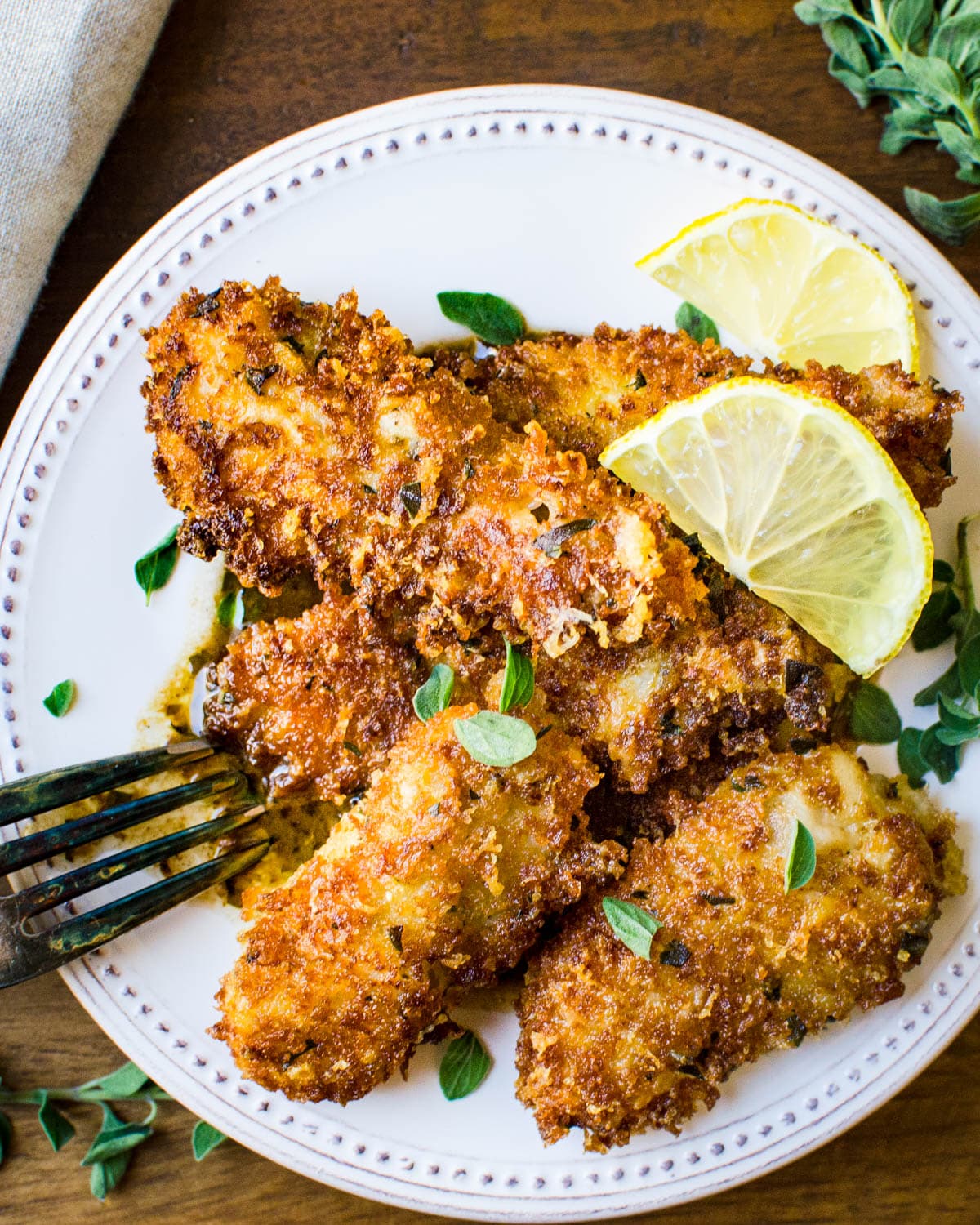
Credit: www.garlicandzest.com
Seasoning Tips
Seasoning oysters before pan frying enhances their natural flavor. Without breading, seasoning is key to a tasty dish. Proper seasoning brings out the ocean freshness and adds a delicious twist. Keep it simple or try herbs and spices for variety.
Simple Salt And Pepper
Start with basic salt and pepper. Sprinkle evenly on oysters for a clean, sharp taste. Use sea salt for a subtle crunch and pure flavor. Freshly ground black pepper adds mild heat and aroma. This simple combo highlights the oyster’s natural brininess without overpowering it.
Optional Herbs And Spices
Try adding herbs like thyme or parsley for a fresh, green note. Smoked paprika or cayenne pepper gives a gentle smoky heat. Garlic powder or onion powder adds savory depth. Lightly dust oysters before frying to avoid masking their flavor. Experiment with small amounts to find your favorite blend.
Mastering The Heat
Controlling the heat is key to pan-frying oysters without breading. Too hot, and the oysters burn outside but stay raw inside. Too low, and they become rubbery and greasy. The right temperature creates a perfect sear and keeps oysters juicy.
Patience and careful heat management bring out the best flavor and texture in oysters. Understanding heat settings helps cook oysters evenly and quickly.
Medium-high Temperature
Set your stove to medium-high heat for pan-frying oysters. This temperature is hot enough to form a golden crust. It also cooks oysters quickly without drying them out.
Use a heavy skillet that holds heat well. Preheat it before adding oil. The oil should shimmer but not smoke. Adjust heat to keep oil hot and ready to sizzle oysters on contact.
Avoid Overcrowding
Place oysters in a single layer with space between each piece. Overcrowding traps steam and lowers pan temperature. This causes oysters to steam, not fry.
Cook oysters in batches if necessary. Give each oyster enough room to crisp up nicely. Leave space to turn them easily without breaking.
Frying Technique
Pan frying oysters without breading requires attention to detail. The right technique ensures juicy, tender oysters with a light crisp outside. Use medium-high heat to get a nice sear without burning. Keep the oysters dry before cooking to avoid oil splatter and sogginess. A non-stick or cast iron skillet works best for even cooking and easy flipping.
Use a small amount of oil or butter to coat the pan. Too much oil can make oysters greasy. Let the oil get hot before adding oysters to create a golden crust quickly. Cook oysters in batches to avoid overcrowding the pan, which lowers temperature and causes steaming instead of frying.
Single Layer Cooking
Place oysters in the pan in a single layer. This allows each oyster to touch the hot surface evenly. Crowding the pan traps moisture and prevents browning. Leave space between oysters for proper heat circulation. Cook only a few at a time if needed. This helps get a crisp texture on every oyster.
Flip Carefully
Use a thin spatula to flip oysters gently. The oysters are delicate and can break if handled roughly. Flip once the bottom side is golden and firm, usually after 2 to 3 minutes. Avoid flipping multiple times to keep them intact. Cook the other side just until it firms up, about 1 to 2 minutes. Overcooking makes oysters tough and rubbery.
Achieving Crispiness
Achieving crispiness when pan frying oysters without breading requires careful preparation and cooking technique. The goal is to create a golden, crunchy exterior while keeping the inside tender and juicy. Without breading, the oysters rely on a thin coating and proper heat to form a satisfying crust. This process enhances the oyster’s natural flavor and texture.
Using Cornstarch Dusting
Lightly dust the oysters with cornstarch before frying. Cornstarch helps absorb moisture and creates a fine, crispy layer. Use just enough to coat the surface without clumping. This thin dusting allows the oysters to crisp up quickly in the hot pan. It also prevents sticking and adds a subtle crunch that breading often provides.
Patience For Golden Crust
Cook the oysters over medium-high heat and avoid moving them too soon. Let them sit in the pan until a golden crust forms on one side. This usually takes about 2 to 3 minutes. Flipping too early can tear the crust or cause sticking. Once the first side is golden, gently turn the oysters to cook the other side. This patient cooking is key to perfect crispiness without breading.
Serving Suggestions
Serving pan-fried oysters without breading lets their natural flavor shine. Simple additions enhance taste without overpowering the oysters. These ideas keep the dish fresh and light, perfect for any meal.
Lemon Wedges
Lemon wedges add a bright, fresh flavor to oysters. A quick squeeze of lemon juice balances the richness of the fried oysters. The citrus cuts through the oiliness, making each bite refreshing. Serve lemon wedges on the side for guests to add as they like. Fresh lemon is a classic pairing that never fails.
Simple Dips And Sauces
Simple dips bring extra flavor without complexity. Try tartar sauce for a creamy, tangy touch. Cocktail sauce offers a spicy kick that pairs well with oysters. A garlic aioli adds a smooth, savory note. Even plain sour cream with a pinch of black pepper works well. Keep sauces light to complement, not mask, the oysters’ taste.
Common Mistakes
Pan frying oysters without breading can be tricky. Many cooks make simple errors that affect taste and texture. Avoiding these mistakes helps achieve perfect oysters with a crisp outside and tender inside. The most common problems relate to moisture and heat. Understanding these pitfalls improves your cooking results.
Too Much Moisture
Oysters hold a lot of water naturally. Excess moisture creates steam instead of frying. This makes oysters soggy and chewy. Always pat oysters dry with paper towels before cooking. Dry oysters brown better and develop a nice crust. Avoid rinsing oysters right before frying. Let them rest on paper towels to absorb extra liquid.
Cooking At Wrong Temperature
Too low heat causes oysters to cook slowly and become rubbery. Too high heat burns the outside before the inside cooks. Use medium-high heat for best results. The oil should shimmer but not smoke. Heat the pan well before adding oysters. Proper temperature seals in juices and creates a golden crust. Adjust heat as needed during cooking.
Health Benefits
Oysters offer many health benefits, especially when cooked without breading. Pan frying oysters without breading keeps their natural nutrients intact. This cooking method avoids extra fats and calories from breading. Eating oysters this way supports a balanced and healthy diet.
Many people enjoy oysters for their taste and health advantages. Understanding these benefits helps you appreciate why pan frying without breading is a smart choice. Here are key health benefits of oysters and the cooking method.
Nutritional Value Of Oysters
Oysters are rich in protein and low in calories. They provide important minerals like zinc, iron, and selenium. These minerals help boost the immune system and support brain function. Oysters also contain vitamin B12, which is good for energy and nerve health.
Oysters have omega-3 fatty acids that promote heart health. They contain antioxidants that reduce inflammation. Eating oysters can improve skin health and support bone strength. Their natural nutrients make them a healthy seafood choice.
Benefits Of Pan Frying Without Breading
Pan frying oysters without breading reduces added calories. It avoids extra carbohydrates and fats from flour or crumbs. This method keeps the oyster’s flavor pure and fresh. It also helps preserve vitamins and minerals that breading can mask.
Cooking oysters this way creates a light, crispy texture using just oil or butter. It allows you to control the amount of fat used. This helps maintain a healthy balance in your meal. Pan frying without breading is a simple and healthy cooking option.

Credit: inthekitchenwithkath.com
Frequently Asked Questions
Can You Pan Fry Oysters Without Breading?
Yes, you can pan fry oysters without breading. Pat them dry, toss in cornstarch, then fry in hot oil until golden. This method creates a lighter crust but less crunch than breading.
How To Cook Oysters On The Stove Top?
Shuck oysters and pat dry. Heat butter and oil in a skillet over medium-high heat. Dredge oysters in seasoned flour. Fry oysters 2-3 minutes per side until golden. Serve hot with lemon wedges or sauce.
What’s The Best Oil For Frying Oysters?
The best oil for frying oysters is one with a high smoke point like peanut, canola, or vegetable oil. These oils ensure crisp, golden oysters without burning.
What’s The Best Way To Cook Raw Oysters?
Shuck and dry oysters. Dredge in seasoned flour or cornmeal. Heat butter and oil in a skillet. Fry oysters 2-3 minutes per side until golden. Serve immediately with lemon or sauce.
Conclusion
Pan frying oysters without breading keeps their natural flavor strong. Pat oysters dry and toss them lightly in cornstarch for a gentle crust. Use medium-high heat and a mix of butter and oil for best results. Cook oysters quickly until they turn golden and slightly crisp.
Serve them fresh with lemon or your favorite sauce. This simple method lets you enjoy oysters’ tender texture and rich taste. Try it today and enjoy a quick, tasty seafood dish at home.