
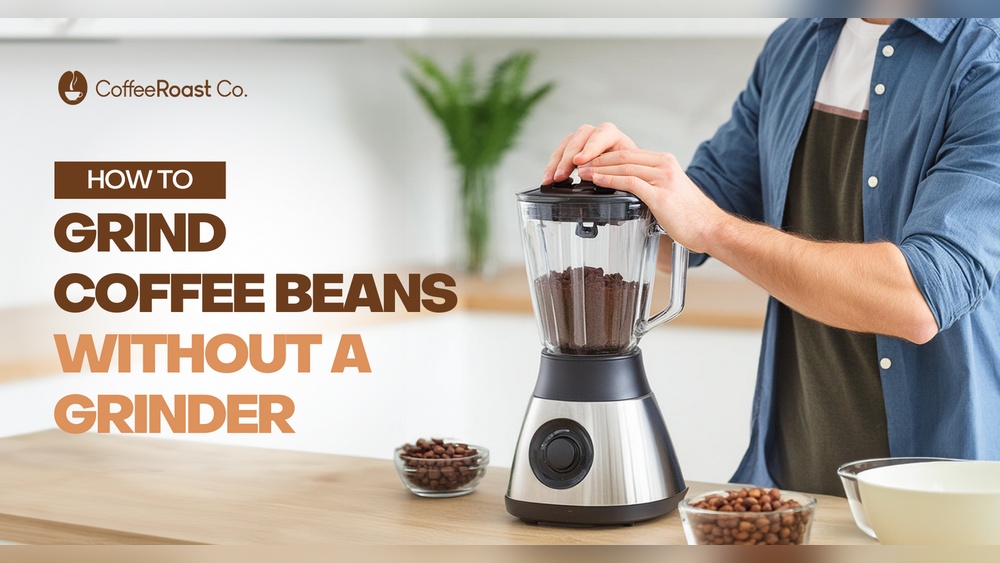
Imagine waking up craving a fresh cup of coffee, only to realize you don’t have a grinder. Frustrating, right?
But here’s the good news: you don’t need a fancy coffee grinder to enjoy freshly ground beans. Whether you’re at home, visiting friends, or camping outdoors, there are simple, effective ways you can grind your coffee beans using tools you already have.
You’ll discover easy, practical methods to grind your coffee beans without a grinder—so you can enjoy rich, flavorful coffee anytime, anywhere. Ready to become your own barista with just a few household items? Let’s dive in.
Mortar And Pestle Method
The mortar and pestle method offers a simple way to grind coffee beans without a grinder. This traditional tool allows you to control the grind size by hand. It works well for achieving a fine, consistent grind that suits many brewing methods.
Using a mortar and pestle takes a bit of effort. It involves crushing and grinding the beans manually. This method brings out fresh flavors by keeping the beans from overheating. It is a great choice for those who want a precise grind at home.
Benefits For Fine Grind
The mortar and pestle provides excellent control over grind size. You can crush the beans gently or firmly. This lets you create fine grounds perfect for espresso or drip coffee. It also avoids the heat that electric grinders might cause.
This method helps preserve the coffee’s aroma and taste. It is easy to adjust the grind by changing your pressure and grinding time. Plus, the mortar and pestle is quiet and low-cost compared to electric grinders.
Step-by-step Process
- Fill the mortar about one-quarter full with coffee beans.
- Press the pestle down on the beans firmly.
- Twist the pestle to crush the beans into smaller pieces.
- Roll the pestle in a circular motion to grind finer.
- Continue until the grind reaches your desired size.
- Check the consistency by rubbing the grounds between your fingers.
- Stop grinding once you achieve the right texture.
Cleaning the mortar and pestle after use keeps it ready for next time. Avoid using soap; just wipe or rinse with water and dry well.
Video Guide
Watch this video to see how to grind coffee beans using a mortar and pestle:
Using A Blender
Using a blender is a simple and fast way to grind coffee beans without a grinder. Many kitchens have a blender, making it an accessible tool for coffee lovers. It works well for medium to coarse grinds, which suit drip coffee or French press brewing. A blender uses sharp blades to chop the beans quickly, but it requires some care to avoid uneven grinding or overheating the beans. With a few tips, you can get good results and enjoy fresh ground coffee anytime.
Advantages And Speed
Blenders grind coffee beans much faster than manual methods. In just a few seconds, you can have a batch ready for brewing. This saves time in busy mornings or when you need coffee quickly. Blenders also handle larger amounts of beans at once, good for making coffee for several people. They are easy to clean and do not require special attachments. The speed and convenience make blenders a popular choice for many coffee drinkers.
Grinding Technique
Start by adding a small amount of beans to the blender. Secure the lid tightly to avoid spills. Use short pulses instead of running the blender continuously. This helps prevent the beans from heating up and losing flavor. After each pulse, shake or tilt the blender gently. This moves the beans around and helps break up clumps. Repeat the pulsing until the beans reach your desired grind size. For a more even grind, avoid overfilling the blender jar.
Video Tutorial
Watch this short video to see how to grind coffee beans using a blender. It shows the pulsing method and tips to get an even grind. Visual guides help understand the shaking and timing needed. Follow along to make fresh ground coffee at home without a grinder.
Rolling Pin And Hammer
Using a rolling pin and hammer offers a simple way to grind coffee beans without a grinder. These tools help crush the beans into coarse pieces. This method works well for making French press or cold brew coffee. It requires only household items and a bit of patience.
Best For Coarse Grounds
The rolling pin and hammer produce larger, uneven coffee grounds. These coarse grounds are perfect for brewing methods that need slower extraction. French press and cold brew makers benefit most from this texture. Avoid this method if you need very fine grounds for espresso or drip coffee.
How To Smash Beans
Start by placing coffee beans in a sturdy plastic bag or between two sheets of parchment paper. Lay the bag on a flat surface like a countertop. Use the rolling pin to gently crush the beans by rolling back and forth. For tougher beans, tap them lightly with a hammer. Do this carefully to avoid tearing the bag or paper. Continue until you reach the desired coarseness.
Instructional Video
Watching a video can help understand the process better. Search for videos demonstrating coffee grinding with a rolling pin and hammer. Look for clips that show clear, step-by-step instructions. Visuals make it easier to learn the right pressure and motion for crushing beans efficiently.

Credit: twochimpscoffee.com
Tips For Better Grinding
Grinding coffee beans without a grinder needs care for good results. Simple tools can work well with the right technique. These tips help get a better grind, improving coffee flavor and texture. Pay attention to batch size, grind consistency, and heat during grinding.
Batch Size Control
Keep your batch small. Grinding a few beans at once gives more control. Overloading your tool makes uneven grinding likely. Small batches prevent clumping and help grind evenly. Measure beans before grinding for consistent coffee taste every time.
Checking Grind Consistency
Look at your grind often. Stop and check the size of the coffee bits. Uniform size means better extraction and taste. Use your fingers or a small sieve to test grind size. Adjust your method by crushing more or less to get the right texture.
Avoiding Overheating
Heat changes coffee flavor. Grinding too fast or too long causes heat build-up. Use short bursts or slow pressure to keep beans cool. Let beans rest between grinding sessions if needed. Cooler beans keep their natural taste and aroma fresh.
Choosing The Right Method
Choosing the right method to grind coffee beans without a grinder depends on your brewing style and tools available. Each method offers different results in texture and consistency. Knowing which to pick helps create the best flavor from your coffee beans. This section explains how to match your grind to your brew type and how to handle inconsistent grounds.
Matching Grind To Brew Type
Different brewing methods need different grind sizes. For espresso, you need a fine grind to extract flavors quickly. For drip coffee, medium grind works best for balanced taste. French press requires a coarse grind to avoid sediment in your cup. Cold brew also uses a coarse grind for slow extraction and smooth flavor. Choose the grinding method that fits your brew style. Mortar and pestle can give you fine or medium grinds. A rolling pin or hammer works well for coarse grinds.
Handling Inconsistent Grounds
Grinding without a grinder often creates uneven coffee particles. This can cause over-extraction or under-extraction in brewing. To reduce inconsistency, use short, controlled bursts of pressure or motion. Shake or stir the beans regularly while grinding to spread particles evenly. Sifting the grounds through a fine mesh can remove large chunks. If you spot too many fine powders, mix them with coarser bits. This balance helps improve the flavor and strength of your coffee.

Credit: www.wikihow.com
:max_bytes(150000):strip_icc()/How-to-Grind-Coffee-Without-a-Grinder-3x2-1-cb7169c257894b75a485ff898d34740b.jpg)
Credit: www.allrecipes.com
Frequently Asked Questions
What Is The Best Way To Grind Coffee Beans Without A Grinder?
Use a mortar and pestle for precise grinding, a blender for quick pulses, or a rolling pin for coarse grounds. Grind small batches and check consistency frequently. Avoid overheating beans by pulsing short bursts in the blender to maintain flavor and freshness.
What Can You Use Instead Of A Coffee Grinder?
Use a mortar and pestle for fine grounds, a blender for quick grinding, or a rolling pin/hammer for coarse coffee grounds.
How Do You Grind Coffee Beans By Hand?
Place coffee beans in a mortar. Crush and twist with the pestle. Grind in circular motions until desired texture forms.
Can You Grind Coffee Beans In A Blender Or Food Processor?
Yes, you can grind coffee beans in a blender or food processor. Use short pulses to avoid overheating. Shake the device between pulses for a more even grind. The result may be inconsistent compared to a grinder but works well for brewing methods like French press or cold brew.
Conclusion
Grinding coffee beans without a grinder is simple and doable. Use tools like a mortar and pestle for fine grounds. A blender works fast but may create uneven pieces. For a coarse grind, try a rolling pin or hammer. Each method gives you fresh coffee grounds anytime.
Enjoy the rich taste of homemade coffee without extra equipment. Experiment with these options to find what suits your brew best. Freshly ground coffee always tastes better and wakes you up right. Keep your coffee routine easy and flavorful with these tricks.