

Your beloved Dutch oven just got chipped, and now you’re wondering if it’s still safe to use or if you can fix it yourself. A chipped enamel Dutch oven can be frustrating, especially when you rely on it for your favorite recipes.
But don’t worry—you’re not alone, and there are smart ways to handle this common issue. You’ll learn why using a chipped Dutch oven can be risky, how to assess the damage, and practical steps to repair or repurpose your cookware.
Keep reading to protect your meals, extend the life of your pot, and get back to cooking with confidence.
You may read : Best Non-Toxic Dutch Ovens – Safer Cooking, Better Sourdough Results
Identifying Enamel Damage
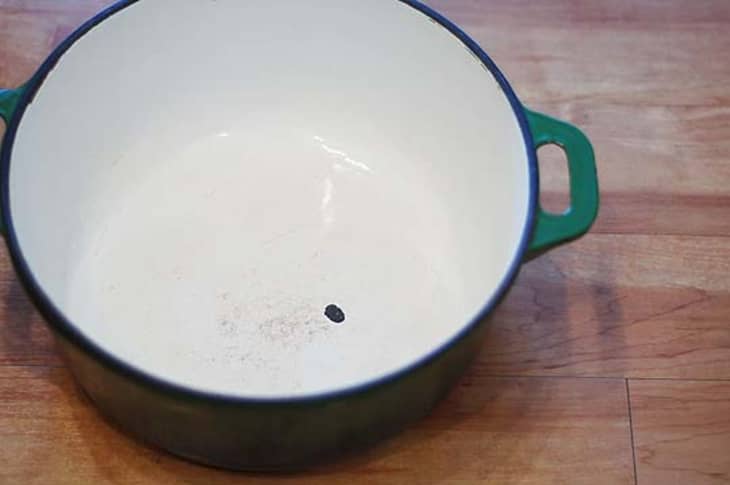
Identifying enamel damage on your Dutch oven is the first step in deciding how to fix it. Not all chips are the same. Knowing where the damage is helps you understand the risks and what action to take. Chips on the inside and outside of the pot have different effects on safety and usability.
Interior Vs Exterior Chips
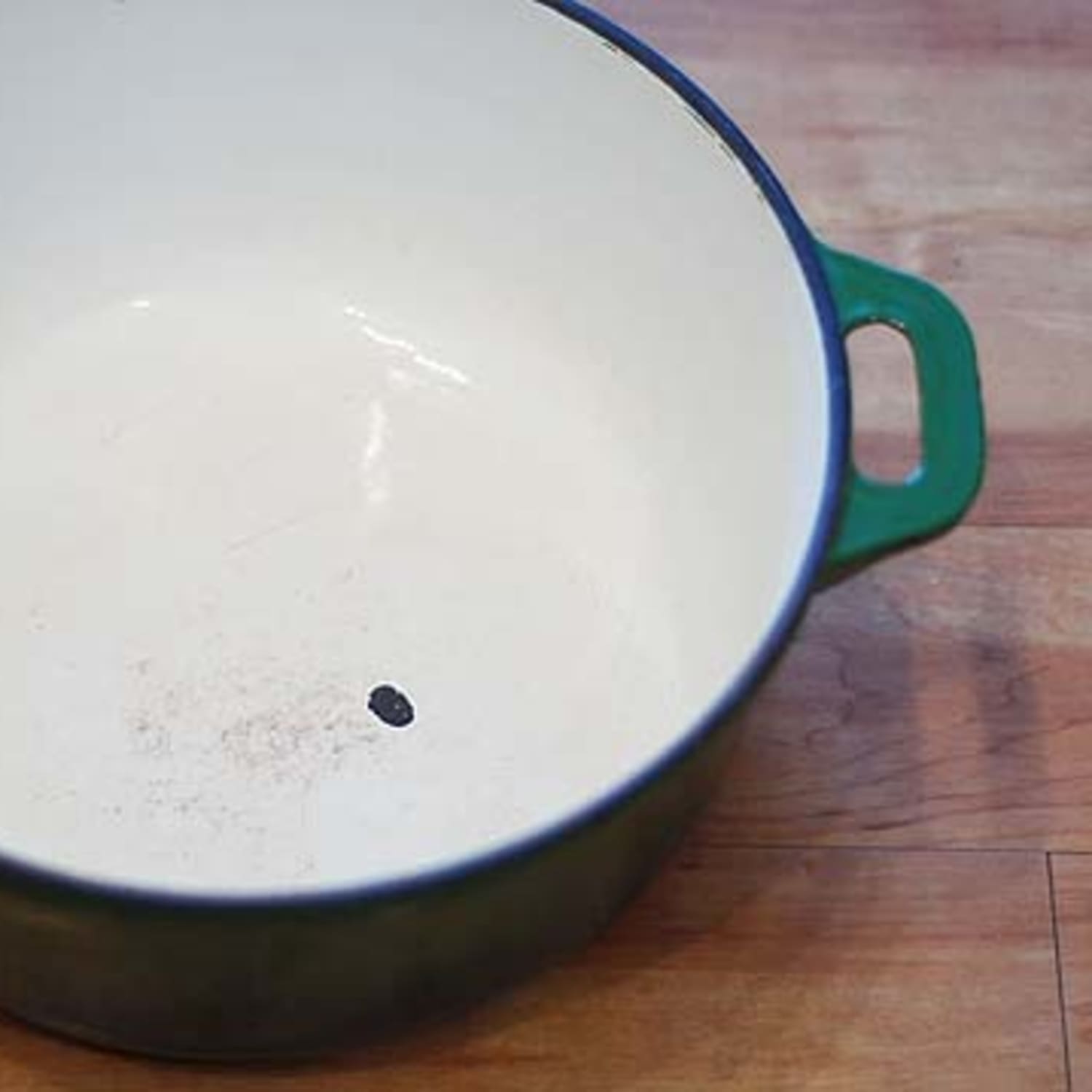
Interior chips affect the cooking surface directly. They expose the metal underneath the enamel. Exterior chips only affect the outer layer. They do not come into contact with food. The location of the chip changes how serious the damage is.
Risks Of Interior Chipping
Chipped enamel inside the Dutch oven can cause health risks. Small pieces of enamel may break off into your food. This can lead to accidental ingestion of sharp fragments. The exposed metal may also rust. Cooking with interior chips can worsen the damage fast.
When Exterior Chips Are Harmless
Chips on the outside usually do not affect food safety. They mainly impact the pot’s appearance. Exterior chips do not expose the cooking surface. Most are cosmetic and do not stop the pot from working. Check your warranty before worrying about minor exterior damage.
Credit: www.thekitchn.com
You may read : Best Cast Iron Dutch Oven with Lid for Glass Top Stove
Stopping Use Of Damaged Dutch Oven
Stopping the use of a damaged Dutch oven is a crucial step in protecting your health and preserving your cookware. Chipped enamel can lead to serious issues, especially if the damage is on the inside surface. Knowing when to stop using the pot and what to do next helps prevent accidents and prolongs the life of your kitchen tool.
Health Hazards
Using a Dutch oven with chipped enamel inside poses health risks. Small flakes of enamel can break off and mix with food. Swallowing these sharp pieces can hurt your mouth or digestive system. The chipped area can also harbor bacteria, making it unsafe for cooking. Avoid any risk by stopping use immediately if the inside enamel is damaged.
Preventing Further Damage
Continued cooking with a chipped Dutch oven can worsen the damage. Heat and stirring cause the enamel to crack more and peel away. This weakens the pot and shortens its life. Stop using the damaged Dutch oven to keep the chip from growing. Handle the pot gently and store it carefully to avoid new chips.
Manufacturer Guidelines
Many brands advise not to use Dutch ovens with chipped interior enamel. They often state this in their care instructions and warranty terms. Some manufacturers offer repairs or replacements if the damage is reported early. Contact the maker to understand their policy and next steps. Following these guidelines protects your health and ensures safe cooking.
Checking Warranty Options
Checking warranty options is an important step after discovering a chip in your enamel Dutch oven. Warranties may cover repairs or replacements, saving money and effort. Understanding your warranty can guide your next actions and protect your investment.
Contacting The Manufacturer
Start by finding the contact information for the Dutch oven’s manufacturer. Check the product packaging or the official website. Explain the issue clearly, mentioning when and how the damage occurred. Keep your purchase receipt ready to prove the date of purchase. Manufacturers often provide specific instructions for warranty claims.
Possible Replacement Or Repair
The manufacturer may offer a replacement or repair under warranty. Some brands send a new Dutch oven if the chip is covered. Others may repair the enamel or offer a partial refund. The decision depends on the extent of damage and warranty terms. Make sure to ask about the process and expected timeline.
Warranty Limitations
Warranties usually have limits on what damage they cover. Chips caused by misuse or accidents might not qualify. Some warranties only cover defects in materials or workmanship. Check if there is a time limit for claims, often one to ten years. Reading the warranty carefully helps avoid surprises later.
Credit: www.reddit.com
Diy Repair Techniques
DIY repair techniques offer practical ways to fix a chipped enamel Dutch oven at home. These methods help restore its appearance and extend its life. Repairing enamel chips yourself saves money and prevents further damage. Below are simple steps to guide you through the process.
Cleaning And Preparing The Chip
Start by cleaning the chipped area thoroughly. Use warm water and mild soap to remove dirt and grease. Dry the area completely with a soft cloth. Gently sand the edges of the chip with fine-grit sandpaper. This smooths the surface and helps the repair material stick better.
Using Food-safe Enamel Repair Kits
Choose a food-safe enamel repair kit designed for cookware. These kits usually include enamel paint and brushes. Follow the kit instructions carefully. Apply the enamel paint in thin layers over the chip. Allow each layer to dry fully before adding the next. This builds a strong, durable repair.
Applying Protective Coatings
After the enamel repair dries, add a protective coating. This helps seal the repair and prevent future chipping. Use a clear, food-safe sealant suitable for cookware. Apply it evenly with a brush and let it dry completely. This step improves durability and maintains the Dutch oven’s look.
Professional Repair And Alternatives
Professional repair offers a reliable solution for chipped enamel Dutch ovens. Skilled specialists can restore your cookware’s surface to near-original condition. This process extends the life of your Dutch oven and avoids costly replacements. Besides professional repair, there are practical alternatives to consider for damaged pieces. These options help you make the most of your cookware despite enamel chips.
Enamel Removal And Seasoning
Professionals may remove the damaged enamel layer carefully. After removal, they season the bare cast iron to protect it. Seasoning creates a natural non-stick surface and prevents rust. This method keeps the Dutch oven usable without the risk of enamel flakes. It requires expert skill to avoid damaging the cast iron beneath.
Hiring Restoration Experts
Restoration experts specialize in enamel repair and refinishing. They use special coatings that bond well with cast iron. These coatings restore the smooth, glossy finish of the enamel. Experts ensure the repaired area is food safe and durable. Hiring professionals guarantees a quality fix that lasts longer than DIY methods.
Repurposing Damaged Dutch Ovens
Chipped Dutch ovens can serve new purposes beyond cooking. Use them as stylish planters for indoor or outdoor plants. They also work well as storage containers or decorative pieces. Repurposing gives your old cookware a second life. This option is eco-friendly and adds charm to your home décor.
Credit: www.thekitchn.com
You may read : 10 Best Cast Iron Dutch Ovens for Campfire Cooking
Preventing Future Chips
Preventing future chips in your enamel Dutch oven helps extend its life and maintain its beauty. Small steps make a big difference in avoiding damage. Handle, clean, and store your cookware carefully. These habits protect the enamel coating from cracking or chipping. Follow these practical tips to keep your Dutch oven looking new.
Proper Handling Tips
Always lift your Dutch oven with both hands. Avoid sliding it across rough surfaces. Use wooden or silicone utensils to protect the enamel. Do not drop or bang it against hard objects. Let the pot cool before washing or storing. Sudden temperature changes can cause the enamel to crack.
Safe Cleaning Practices
Clean your Dutch oven gently with warm, soapy water. Use a soft sponge or cloth instead of abrasive pads. Avoid metal scrubbers that scratch the surface. Do not use harsh chemicals or bleach. Rinse thoroughly and dry with a soft towel. Avoid soaking the pot for long periods to protect the enamel.
Storage Recommendations
Store your Dutch oven in a dry, safe place. Keep the lid slightly ajar to prevent moisture buildup. Avoid stacking heavy cookware on top of it. Place a cloth or paper towel between pots if stacking is necessary. Store on a soft surface to avoid scratches. Proper storage helps keep the enamel intact and chip-free.
Frequently Asked Questions
Can I Still Use My Dutch Oven If The Enamel Is Chipped?
Do not use a Dutch oven if the interior enamel is chipped. It risks food contamination and worsens damage. Exterior chips are usually safe but check the warranty. Consider contacting the manufacturer for repair or replacement options.
How To Fix Chipped Oven Enamel?
Clean the chipped area thoroughly. Apply a high-temperature enamel repair kit following the instructions. Allow it to cure fully before use. Avoid using the oven if the interior enamel is chipped, as it can worsen and contaminate food. For severe damage, consider professional repair or replacement.
How To Fix Chipped Enamel Dutch Oven Reddit?
Stop using the Dutch oven if the interior enamel chips to avoid ingestion and further damage. Contact the manufacturer for warranty or replacement options. Use external chips safely by coating exposed areas with oil to prevent rust. Consider repurposing or professional enamel removal for severe damage.
What Causes A Dutch Oven To Chip?
Dutch ovens chip due to impacts, thermal shock from sudden temperature changes, or using metal utensils on the enamel surface. Rough handling and improper cleaning also increase chipping risk.
Conclusion
Fixing a chipped enamel Dutch oven helps extend its life. Small exterior chips usually do not affect cooking. Avoid using the pot if the inside enamel is damaged. Sharp chips can fall into food and cause harm. Contact the manufacturer about warranty or replacement options.
For serious damage, consider professional repair or alternative uses. Taking care of your Dutch oven keeps it safe and useful longer. Regular maintenance prevents future chips and preserves cooking quality. Simple steps make a big difference in Dutch oven care.