

Are you ready to unlock the full potential of your stainless steel skillet? Cooking with this versatile tool might seem tricky at first, but once you master a few simple techniques, your meals will taste better than ever.
Imagine perfectly seared steaks, golden-brown vegetables, and sauces that cling just right—all from one pan. Keep reading, and you’ll discover easy tips and secrets that will make your stainless steel skillet your favorite kitchen companion. Your cooking is about to get a delicious upgrade!

Credit: brimckoy.com
Choosing The Right Skillet
Choosing the right stainless steel skillet makes cooking easier and more fun. The right skillet fits your cooking style and kitchen needs. This section helps you pick the best skillet by discussing types, size, weight, and important features.
Types Of Stainless Steel Skillets
Stainless steel skillets come in different types. Some have a single layer of metal, while others have layers of different metals for better heat. Tri-ply skillets have three layers, offering even heat and less burning. Five-ply skillets have more layers for precise cooking. The type you choose affects how your food cooks.
Size And Weight Considerations
Skillets come in many sizes, usually from 8 to 12 inches. Smaller skillets work well for one or two people. Larger skillets are good for families or big meals. Weight matters too. Heavy skillets heat evenly but can be hard to handle. Light skillets are easier to move but may heat unevenly.
Features To Look For
Look for skillets with a flat bottom for steady heat on all stoves. A long handle helps with easy lifting. Some skillets have helper handles for better control. A tight-fitting lid keeps moisture in. Check if the skillet is oven safe for more cooking options. A smooth interior surface helps food release easily.
Preparing Your Skillet For Cooking
Preparing your stainless steel skillet for cooking is important. It helps the pan last longer and cook food evenly. Taking some simple steps before cooking can improve your experience. It also prevents food from sticking and keeps your skillet shiny.
Cleaning Before First Use
Start by washing the skillet with warm water and mild soap. Use a soft sponge to remove any factory oils or dust. Rinse the pan well to remove all soap. Dry the skillet completely with a clean towel. This step removes residues that affect cooking.
Seasoning Tips For Better Performance
Seasoning creates a thin layer that helps prevent sticking. Heat the skillet on medium heat for a few minutes. Add a small amount of cooking oil and spread it evenly. Let the oil heat until it starts to smoke lightly. Turn off the heat and let the pan cool. Wipe off any extra oil with a paper towel. Repeat this process a few times for best results.
Preheating Techniques
Preheating your skillet helps food cook evenly. Place the skillet on medium heat for 2 to 3 minutes. Test the heat by sprinkling a few drops of water. If the water dances or evaporates quickly, the pan is ready. Avoid overheating, which can damage the skillet or burn food. Proper preheating improves searing and browning.
Cooking Techniques For Stainless Steel
Cooking with a stainless steel skillet offers great control and excellent results. It handles high heat well and lasts long. Using the right techniques helps avoid common problems like sticking and uneven cooking.
Stainless steel skillets work best with proper heat, oil, and timing. Learning key methods improves your cooking and makes cleanup easier. Here are some essential techniques to try.
Searing Meat Perfectly
Heat the skillet over medium-high until hot. Add a thin layer of oil with a high smoke point. Place the meat in the pan without moving it.
Let it cook for several minutes to form a brown crust. Flip the meat and sear the other side. This locks in juices and adds flavor.
Sautéing Vegetables Without Sticking
Preheat the skillet on medium heat before adding oil. Use enough oil to coat the pan evenly. Add vegetables in a single layer to avoid crowding.
Stir or toss the vegetables often but gently. Cook until they soften and develop a light color. This method keeps veggies tender and prevents sticking.
Making Sauces And Deglazing
After cooking meat or vegetables, remove them from the pan. Keep the heat medium-high to medium. Pour a small amount of liquid like broth or wine into the skillet.
Use a wooden spoon to scrape the brown bits from the bottom. These bits add rich flavor to your sauce. Let the liquid reduce slightly before adding cream or butter.
Common Cooking Mistakes To Avoid
Cooking with a stainless steel skillet can be easy and fun. Avoiding common mistakes helps you get better results. These mistakes can ruin your food or damage the pan. Knowing what to avoid makes your cooking smoother and tastier.
Overheating The Skillet
Stainless steel heats quickly. Too much heat can cause food to stick or burn. Always heat the pan on medium or low. Let the pan warm before adding oil or food. High heat can warp the skillet and ruin your meal.
Using The Wrong Type Of Oil
Not all oils work well with stainless steel. Use oils with a high smoke point like canola or avocado oil. Low smoke point oils burn fast and create bad flavors. Choose the right oil to keep your food tasty and the skillet safe.
Neglecting Proper Cleaning
Cleaning the skillet right is very important. Avoid letting food dry on the pan. Use warm water and a soft sponge to clean. Harsh scrubbers can scratch the surface. Proper cleaning keeps your skillet shiny and ready for the next use.
Cleaning And Maintaining Your Skillet
Cleaning and maintaining your stainless steel skillet keeps it in great shape. Proper care helps your pan last longer and cook better. Regular cleaning removes food bits and oil. Good maintenance prevents stains and damage. Follow simple steps to keep your skillet shiny and smooth.
Removing Stubborn Stains
Use baking soda and water to form a paste. Apply the paste on the stain and let it sit for 10 minutes. Scrub gently with a soft sponge or cloth. Avoid steel wool; it can scratch the surface. For tough spots, boil water with vinegar in the pan. This loosens burnt food and stains. Rinse well and dry after cleaning.
Avoiding Damage During Cleaning
Do not use harsh chemicals or abrasive cleaners. They can ruin the skillet’s finish. Let the pan cool before washing. Sudden temperature changes can warp the metal. Hand wash with warm, soapy water. Use a soft sponge or cloth only. Avoid dishwasher use; it can dull the shine. Dry the skillet immediately to prevent water spots.
Storing Tips For Longevity
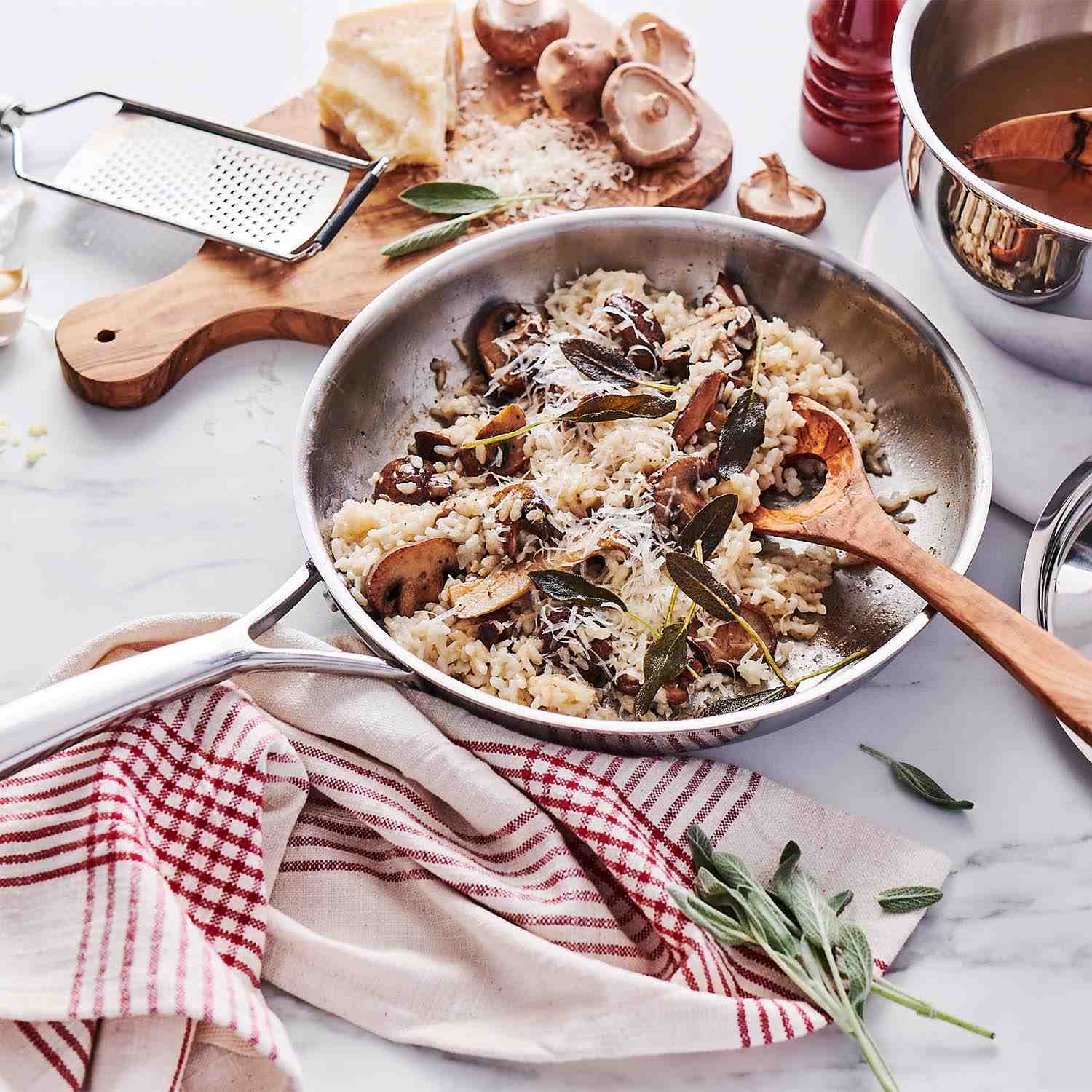
Store your skillet in a dry place. Moisture can cause rust spots. Place a paper towel between stacked pans to stop scratches. Hang the skillet if possible to save space. Keep the pan completely dry before storing. Proper storage keeps your skillet looking new for years.
Credit: learn.surlatable.com
Quick Recipes To Try
Stainless steel skillets heat evenly and hold high temperatures well. They work great for cooking many quick dishes. Here are three simple recipes to start with. Each recipe cooks fast and tastes great.
Pan-seared Chicken Breast
Heat your skillet over medium-high heat. Season chicken breasts with salt and pepper. Add a small amount of oil to the pan. Place chicken in the skillet and cook for 5-6 minutes. Flip and cook another 5 minutes. The chicken should be golden brown and cooked through. Let it rest before slicing.
Garlic Butter Shrimp
Heat butter in the skillet over medium heat. Add minced garlic and cook for 30 seconds. Toss in shrimp and season with salt. Cook shrimp for 2-3 minutes per side until pink. Sprinkle fresh parsley on top. Serve immediately with rice or bread.
Stir-fried Veggie Medley
Preheat the skillet to medium-high heat. Add a splash of oil. Toss in chopped bell peppers, broccoli, and carrots. Stir often for 5-7 minutes until veggies are tender-crisp. Season with soy sauce or salt. Serve as a side or over noodles.

Credit: www.youtube.com
Frequently Asked Questions
How Do You Prevent Food From Sticking To Stainless Steel Skillets?
Preheat the skillet on medium heat before adding oil. Add oil and let it heat until shimmering. Then add food gently. This method creates a natural non-stick surface and prevents sticking.
What Is The Best Oil For Stainless Steel Skillet Cooking?
Use oils with high smoke points like canola, avocado, or grapeseed oil. These oils withstand high heat without burning and help achieve even cooking and browning.
Can Stainless Steel Skillets Go In The Oven?
Yes, most stainless steel skillets are oven-safe up to 500°F. Always check the manufacturer’s instructions for handle material and heat limits before oven use.
How Do You Clean A Stainless Steel Skillet Effectively?
Use warm water, dish soap, and a soft sponge after cooking. For stuck-on food, soak with hot water. Avoid abrasive cleaners to maintain the skillet’s finish.
Conclusion
Cooking with a stainless steel skillet brings many benefits. It heats evenly and lasts long. You can cook a variety of dishes with it. Remember to heat the pan well before adding food. Use oil to prevent sticking. Clean it properly to keep it shiny.
With practice, your skills will improve quickly. Enjoy the process and try new recipes. A stainless steel skillet is a useful tool in any kitchen. Give it a chance, and you will see the difference.