

Baking sourdough bread at home is a rewarding experience, but getting the timing just right can be tricky—especially when using a loaf pan. You might be wondering, “How long should I cook sourdough in a loaf pan to get that perfect crust and soft crumb?”
If you’ve ever pulled out a loaf that’s undercooked in the middle or too dry on the edges, you know how frustrating it can be. This guide will help you master the timing, so your sourdough comes out just right every time.
Keep reading to discover the secrets to baking sourdough that looks and tastes amazing straight from your loaf pan.
Choosing The Right Loaf Pan
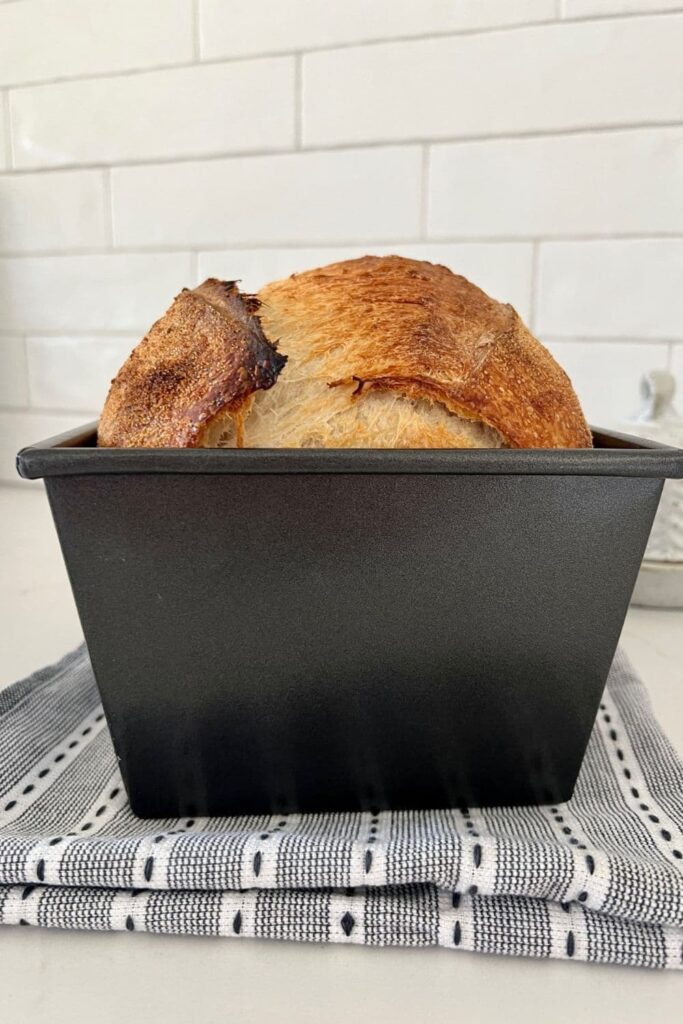
Choosing the right loaf pan plays a big role in baking sourdough bread. The pan affects how heat spreads and how the bread cooks. A good pan helps the bread rise evenly and develop a nice crust. Picking the right material and size ensures your sourdough bakes perfectly every time.
Material Matters
Loaf pans come in different materials like metal, glass, and silicone. Metal pans heat quickly and give a crispy crust. Glass pans heat slower but keep heat steady. Silicone pans are flexible but may not brown the bread well. Each material changes how the bread cooks inside the pan.
Size And Shape Impact
The size of your pan changes the baking time. A small pan makes a taller loaf and takes longer to bake. A large pan makes a wider, shorter loaf and bakes faster. The shape also guides how heat reaches the dough. Choose a pan that fits your recipe and oven space.
Credit: www.pantrymama.com
Preparing Your Sourdough For Baking
Preparing your sourdough for baking in a loaf pan sets the stage for a beautiful, tasty bread. This step involves key actions that help the dough rise and develop flavor. Proper preparation ensures a loaf with a good shape and a crispy crust.
Focus on proofing and scoring to guide your sourdough to baking success. These simple techniques make a big difference in the final bread.
Proofing Tips
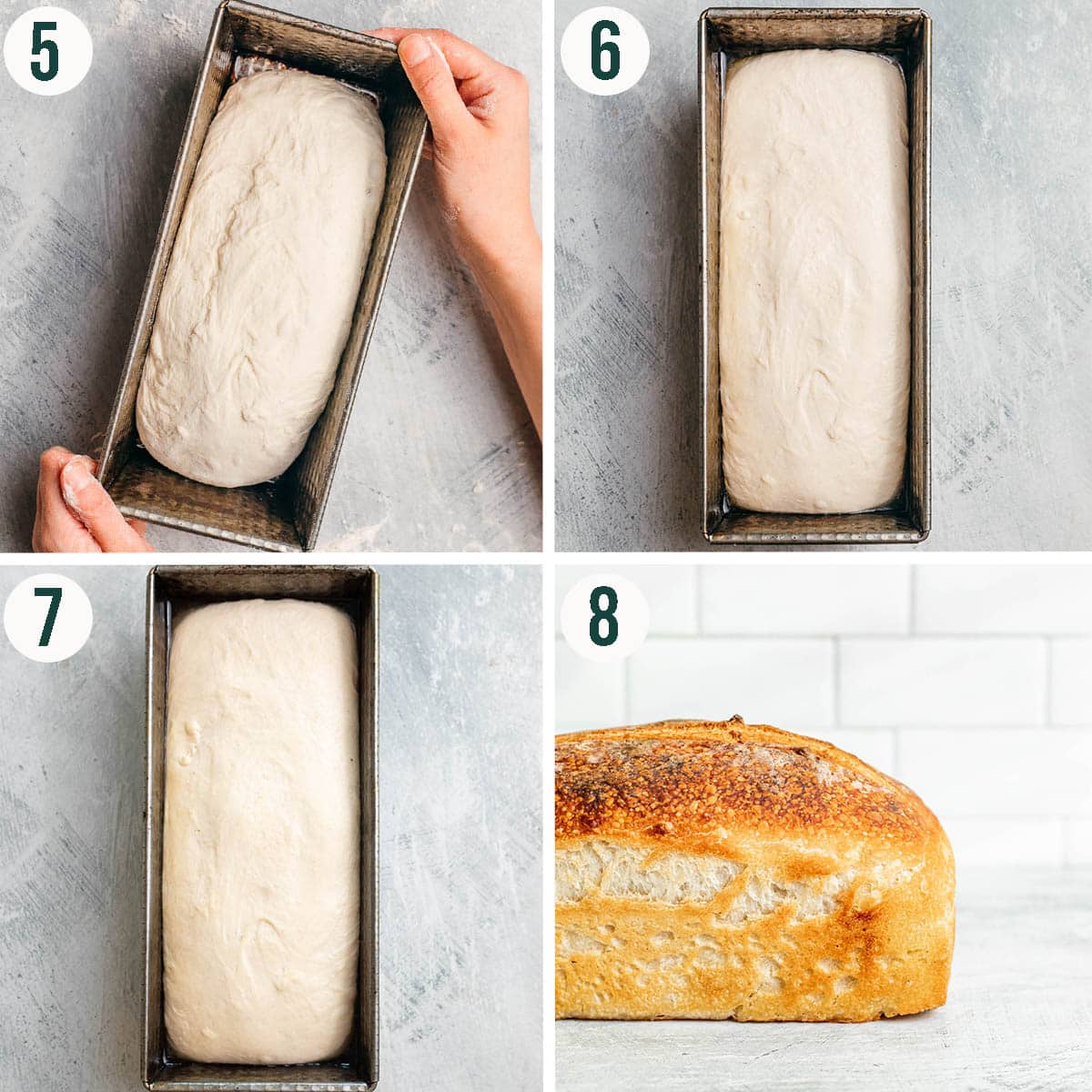
Proofing lets your sourdough rise and grow before baking. Use a warm, draft-free spot for the best results. Cover the dough with a damp cloth or plastic wrap to keep it moist. Check the dough after about 1 to 2 hours. It should look puffy and feel soft but still hold its shape. Avoid over-proofing. Over-proofed dough may collapse in the oven.
Scoring Techniques
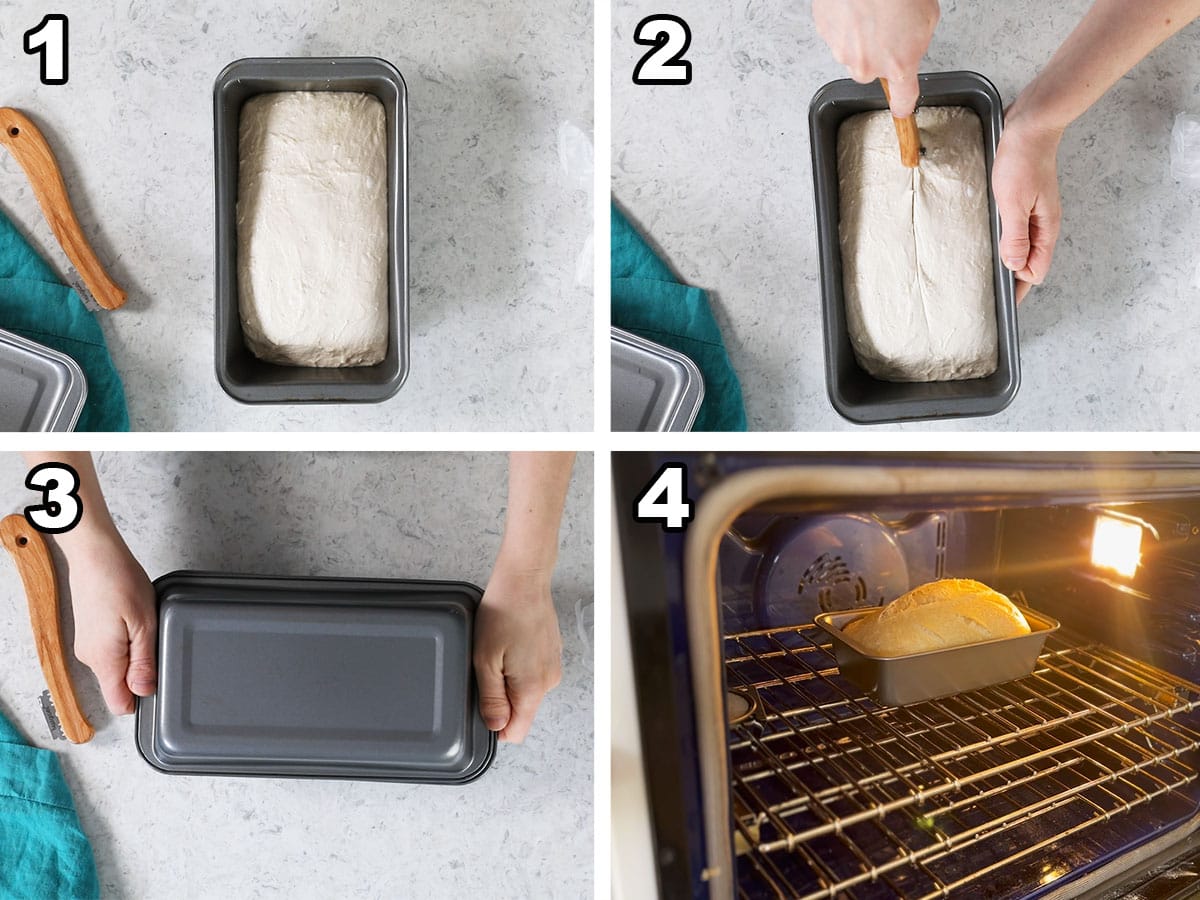
Scoring is cutting shallow slashes on the dough surface. It controls how the bread expands during baking. Use a sharp knife or a razor blade. Make quick, confident cuts. Score the dough about 1/4 inch deep. Try a long slash down the middle or a few diagonal cuts. Scoring adds a nice look and stops the loaf from cracking unevenly.
Ideal Oven Settings
Setting the oven correctly is key to baking perfect sourdough in a loaf pan. The right temperature and moisture help the bread rise and develop a beautiful crust. These settings control how the inside bakes and how the crust forms. Understanding the ideal oven settings makes baking easier and more consistent.
Temperature Guidelines
Preheat the oven to 425°F (220°C) for best results. This temperature helps the loaf rise quickly at first. After 20 minutes, lower the heat to 375°F (190°C). This slower baking finishes the bread without burning the crust. Baking time usually totals 35 to 45 minutes. Check the loaf for a deep brown color and hollow sound when tapped.
Using Steam For Crust
Steam in the oven creates a crisp, shiny crust. Add a pan of hot water at the bottom of the oven. You can also spray water on the oven walls before baking. The steam keeps the crust soft at first, allowing the loaf to expand. After 15 minutes, remove the water pan or stop spraying. This lets the crust dry and become crunchy.
Baking Times For Different Loaf Sizes
Baking sourdough in a loaf pan requires adjusting the time based on the loaf size. Different sizes need different baking times to cook evenly. Too little time leaves the bread doughy inside. Too long can dry it out or burn the crust. Knowing the right baking time helps achieve a soft, crusty loaf every time.
Below are typical baking times for small, standard, and large sourdough loaves. These times work well with most home ovens and common loaf pan sizes. Adjustments may be needed based on your oven and recipe.
Small Loaf Timing
Small sourdough loaves usually weigh about 1 to 1.5 pounds. Bake these loaves for 30 to 35 minutes at 375°F (190°C). Check the crust color and tap the bottom. It should sound hollow when fully baked. Small loaves bake faster because heat reaches the center quicker.
Standard Loaf Timing
Standard loaves weigh about 2 pounds and fit regular loaf pans. Bake them for 40 to 45 minutes at 375°F (190°C). The crust should be golden brown and firm to touch. Use a thermometer to check inside; it should read 200°F (93°C). This timing ensures the loaf cooks through without drying.
Large Loaf Timing
Large loaves weigh 2.5 pounds or more and need more time. Bake large loaves for 50 to 60 minutes at 375°F (190°C). Start checking at 50 minutes to avoid burning. A deep crust and hollow sound when tapped show the bread is done. Large loaves take longer for heat to reach the center.
Checking Bread Doneness
Checking if your sourdough bread is done is very important. It ensures the bread is baked perfectly and tastes great. You can use simple methods to see if the bread is ready to come out of the oven. These methods help avoid underbaked or overbaked bread.
Visual Cues
The crust should be golden brown and firm. A pale crust means the bread needs more time. The loaf should also sound hollow when tapped on the bottom. Soft or doughy spots show the bread is not fully baked. Look for even color all over the loaf. This tells you the heat reached every part of the bread.
Internal Temperature
Using a thermometer gives a precise check for doneness. Insert it into the center of the loaf. The bread is done when the temperature reaches 190°F to 210°F (88°C to 99°C). Lower temperature means the inside is still doughy. Higher temperature ensures the bread is fully cooked. This method removes all guesswork from baking sourdough in a loaf pan.
Credit: sugarspunrun.com
Adjusting Times For Altitude And Humidity
Cooking sourdough in a loaf pan changes with altitude and humidity. Both factors affect baking time and temperature. Understanding these effects helps bake perfect bread every time.
Altitude Effects On Baking Time
At higher altitudes, air pressure is lower. This causes bread to rise faster and dry out sooner. You may need to reduce baking time by 5 to 10 minutes. Watch the bread closely to avoid overbaking.
Humidity’s Role In Baking
High humidity adds moisture to the air. This slows the bread’s drying process. It may take longer to bake fully. Increase baking time slightly, about 5 minutes, and check the crust color.
Adjusting Temperature For Best Results
Lower altitude or dry air may need higher oven temperatures. This helps form a good crust quickly. At high altitude or high humidity, lower the temperature by 10 to 15 degrees Fahrenheit. Balance heat and time for even baking.
Common Baking Mistakes To Avoid
Baking sourdough in a loaf pan can be tricky. Many beginners make simple errors that affect the final bread. Knowing what to avoid saves time and frustration.
Below are common mistakes that can ruin your sourdough loaf. Fixing these helps you bake better bread every time.
Not Preheating The Oven Properly
Starting with a cold oven affects the bread’s rise and crust. Always preheat your oven to the right temperature before baking. This ensures even cooking and a nice crust.
Using The Wrong Size Loaf Pan
A pan too small causes dough to overflow. A pan too large leads to flat bread. Use the recommended pan size for your recipe for best results.
Overproofing Or Underproofing The Dough
Proofing time is key for sourdough texture. Too long, and the dough collapses. Too short, and it will be dense. Watch the dough, not just the clock.
Skipping The Steam Step
Steam in the oven helps create a crispy crust. Without steam, the crust may be hard or dull. Use water or a pan of hot water for steam during baking.
Cutting The Bread Too Soon
Cutting hot bread causes it to become gummy. Let the loaf cool completely before slicing. This helps the crumb set and improves flavor.
Tips For Perfect Sourdough Crust And Crumb
Perfect sourdough crust and crumb depend on careful baking techniques. The crust should be crispy and golden. The crumb needs to be soft with good holes. These tips help balance moisture and heat for great results.
Using a loaf pan changes how the bread cooks. It holds shape and controls the crust thickness. Small changes in time and temperature affect the final bread texture. Follow these tips for a well-baked sourdough loaf.
Preheat The Oven And Loaf Pan
Start with a hot oven and pan. This jumpstarts crust formation. Heat helps the loaf rise and creates a crispy shell. Warm the pan for at least 20 minutes before baking. Avoid opening the oven door early to keep heat steady.
Use Steam For A Crispy Crust
Steam traps moisture on the crust surface. This prevents it from hardening too fast. Place a tray with water in the oven or spray water inside at baking start. Remove steam after 10-15 minutes to let the crust dry out and crisp.
Adjust Baking Time For Your Pan
Loaf pans can change baking time. Metal pans heat faster than glass or ceramic. Check your sourdough 5-10 minutes before the recipe time ends. Look for a deep golden color and hollow sound when tapped. Avoid underbaking or overbaking.
Cool Bread Fully Before Slicing
Cooling lets the crumb finish setting. Cut too soon, and the bread feels gummy. Leave the loaf on a wire rack for at least one hour. This step improves texture and flavor. Patience pays off with perfect sourdough.
Credit: bakedcollective.com
Frequently Asked Questions
How Long Does Sourdough Take In A Loaf Pan?
Sourdough typically bakes for 35 to 45 minutes in a loaf pan. Exact time depends on oven temperature and loaf size. Always check for a golden crust and hollow sound when tapped.
What Temperature Is Best For Baking Sourdough?
Bake sourdough at 375°F to 425°F (190°C to 220°C). Higher temperatures create a crisp crust, while lower temperatures ensure even cooking inside. Adjust based on your oven and recipe.
Should I Cover Sourdough While Baking In A Pan?
Covering sourdough with foil or a lid helps retain moisture initially. Remove cover halfway to brown the crust. This method prevents excessive crust hardening and promotes even baking.
How Do I Check If Sourdough Is Fully Baked?
Tap the bottom of the loaf; it should sound hollow. Use a thermometer to check internal temperature; it should reach 200°F (93°C). These tests ensure your sourdough is fully baked and not doughy.
Conclusion
Cooking sourdough in a loaf pan takes about 35 to 45 minutes. The exact time depends on your oven and loaf size. Watch for a golden crust and hollow sound when tapped. Let the bread cool before slicing for best texture.
This simple timing helps you bake delicious sourdough every time. Enjoy your fresh, homemade bread with ease and confidence. Keep practicing to improve your baking skills. Baking sourdough in a pan makes a tasty, soft loaf ready to share.