
You probably have a bag of coffee beans sitting in your kitchen wondering, “How long do coffee beans last after the expiration date?” You’re not alone. Many coffee lovers face this question when they find beans past their printed date.
The truth is, coffee beans don’t suddenly go bad like milk or bread, but their flavor and aroma do fade over time. If you want to enjoy a rich, fresh cup, it’s important to know how long your beans stay good and how to spot when they’re past their prime.
Keep reading, and you’ll learn how to tell if your coffee beans are still worth brewing and how to store them for the best taste possible. Your next perfect cup depends on it!
Shelf Life Of Coffee Beans
Coffee beans do not spoil like perishable foods. Their quality fades over time. The shelf life depends on many factors. Proper storage can keep beans fresher longer. Understanding shelf life helps avoid disappointment in flavor. It also helps reduce waste from unused coffee beans.
Difference Between Expiration And Freshness
Expiration dates on coffee packages are more about quality than safety. Beans do not become harmful after this date. Instead, they lose aroma and taste. Freshness means the beans still have their best flavors. After expiration, beans become stale and flat in flavor. Using expired beans is safe if no mold is present.
Factors Affecting Coffee Bean Longevity
Air, moisture, heat, and light cause beans to age faster. Oxygen breaks down the oils that give coffee flavor. Moisture can lead to mold growth, ruining the beans. Heat accelerates the loss of aroma and freshness. Light exposure also harms the beans’ quality. Storing beans in airtight, cool, and dark places extends shelf life. Whole beans last longer than ground coffee. Grinding exposes more surface area to air, speeding up staleness.
Credit: coffeeroastco.com
Signs Of Stale Or Bad Coffee Beans
Knowing the signs of stale or bad coffee beans helps avoid disappointing coffee. Coffee beans lose freshness after the expiration date. This affects aroma, flavor, and safety. Identifying these changes ensures you enjoy a better cup.
Changes In Aroma
Fresh coffee beans have a strong, rich aroma. Stale beans smell dull or flat. The vibrant scent fades due to oxidation. A weak or musty smell signals the beans are past their prime.
Visual Indicators
Good coffee beans look glossy because of natural oils. Dull, dry beans mean they are stale. Check for discoloration or dark spots. These signs show the beans lost freshness or were stored poorly.
Taste Alterations
Brewed coffee from fresh beans tastes bold and full. Old beans produce weak, flat, or bitter coffee. The flavor lacks complexity and feels lifeless. A sour or off taste means the beans are bad.
Mold And Safety Concerns
Mold on coffee beans is rare but dangerous. White, green, or fuzzy spots mean mold growth. Moldy beans must be discarded immediately. Using moldy beans can cause health problems.
Using Coffee Beans After Expiration
Using coffee beans after their expiration date is common among coffee lovers. Many wonder if the beans are still good to use and what to expect from them. While coffee beans do not spoil like fresh food, their quality changes over time. The taste and aroma can fade, but the beans often remain safe to brew. Understanding these changes helps you decide if old beans are still worth using.
Flavor And Aroma Expectations
Expired coffee beans lose their strong flavor quickly. The rich aroma that fresh beans have will become weak or dull. The coffee brewed may taste flat or lifeless. Oils inside the beans break down, reducing taste quality. You might notice a watery or bland cup. Expect a less enjoyable coffee experience with old beans. Storing beans properly slows this process but does not stop it.
Health And Safety Considerations
Using expired coffee beans is generally safe if stored well. Look for signs of mold, such as white or green spots. Moldy beans can cause health issues and should be discarded. Beans that smell off or rancid also need to be thrown away. Old beans do not become toxic but lose freshness. Drinking coffee made from old beans will not harm you unless mold is present. Always check the beans carefully before use.
Credit: www.webstaurantstore.com
Storage Tips For Freshness
Keeping coffee beans fresh after their expiration date can be tricky. Proper storage slows down the loss of flavor and aroma. Small steps make a big difference in taste and quality.
Here are some simple tips to help you store coffee beans for longer freshness.
Ideal Containers And Environment
Use airtight containers to keep air out. Oxygen causes beans to go stale quickly. Glass or ceramic containers with tight lids work best. Avoid clear containers in bright places. Light damages coffee beans and reduces freshness.
Store containers in a cool, dark place. Heat speeds up the aging process. Avoid storing beans near ovens or windows. A pantry or cupboard is ideal for coffee storage.
Whole Beans Vs Ground Coffee Storage
Whole beans stay fresh longer than ground coffee. Grinding increases surface area, which speeds up oxidation. Keep beans whole until just before brewing. This preserves oils and aroma.
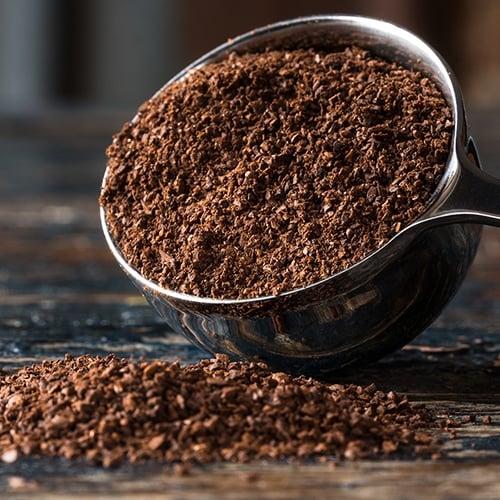
Ground coffee should be used quickly. Store it in an airtight container and avoid moisture. Ground coffee may lose flavor in days, while whole beans can last weeks if stored well.
Grinding Timing
Grind coffee just before brewing for best results. Freshly ground coffee releases more aroma and flavor. Avoid grinding large amounts at once. Only grind what you need for each brew.
This practice helps maintain the taste and quality of your coffee. It prevents the loss of essential oils and keeps the coffee vibrant and fresh.
Shelf Life Of Coffee Beans In Different Conditions
Understanding the shelf life of coffee beans in different conditions helps preserve their flavor and freshness. Coffee beans lose taste over time due to exposure to air, moisture, and temperature changes. Storing beans properly can extend their usability beyond the expiration date. Each storage method affects the beans differently.
Sealed Bags
Sealed bags keep coffee beans fresh longer by blocking air and moisture. Most coffee beans in sealed bags stay good for months after the expiration date. The airtight seal prevents oxidation, which causes flavor loss. Store sealed bags in a cool, dark place for best results. Avoid heat and sunlight to maintain quality.
Opened Packages
Once opened, coffee beans start losing freshness quickly. Air and humidity cause oils in the beans to evaporate and turn stale. Opened beans usually stay fresh for about two weeks. Store them in an airtight container to slow down spoilage. Keep containers away from heat, light, and moisture to preserve aroma.
Refrigeration And Freezing Effects
Refrigeration can add moisture, damaging coffee beans’ quality. It is not recommended for daily use beans. Freezing coffee beans slows down aging and flavor loss. Freeze beans in airtight bags to prevent moisture and odors from other foods. Thaw only the amount needed to keep the rest fresh. Avoid repeated freezing and thawing as it harms flavor.
Credit: www.webstaurantstore.com
Frequently Asked Questions
Can I Still Use 2 Year Old Coffee Beans?
You can use 2-year-old coffee beans, but expect weaker flavor and aroma. Ensure no mold or off smell before brewing.
Are Coffee Beans Ok After The Expiration Date?
Coffee beans remain safe after the expiration date but lose flavor and aroma over time. Avoid using beans with mold or off smells. Store beans in a cool, dry place to extend freshness. Expect a weaker, flatter coffee taste when using expired beans.
Are 10 Year Old Coffee Beans Still Good?
10-year-old coffee beans are safe but likely stale, with weak flavor and aroma. Avoid if moldy or musty.
Can You Drink Coffee 2 Years Out Of Date?
You can drink coffee two years past its date if it shows no mold. Expect stale, flat taste and weaker aroma. It remains safe if stored properly in a cool, dry place but loses quality significantly over time. Discard if it smells off or has visible mold.
Conclusion
Coffee beans do not spoil like other foods. Their flavor and aroma weaken over time. Using expired beans is safe unless mold appears. Mold means toss the beans immediately. Store beans in a cool, dry place for longer freshness. Expect a less rich taste with older beans.
Fresh beans give the best coffee experience. Choose beans wisely for a flavorful cup every time.