

Is your vegetable peeler struggling to glide smoothly over your favorite veggies? A dull peeler can turn meal prep into a frustrating task, leaving you with uneven cuts and wasted produce.
But before you toss it aside or rush to buy a new one, there’s good news—you can easily sharpen your vegetable peeler right at home. You’ll discover simple and effective methods to bring back that razor-sharp edge, making peeling faster, safer, and more satisfying.
Keep reading to learn how to sharpen your vegetable peeler and transform your kitchen experience for good.
Credit: www.youtube.com
Tools For Sharpening
Keeping your vegetable peeler sharp makes peeling faster and easier. Different tools can help sharpen the blade effectively. Each tool works best with certain sharpening styles and levels of blade dullness. Choosing the right tool helps maintain your peeler’s edge longer.
Using A Sharpening Steel
A sharpening steel is common for kitchen knives but works well on peelers. Hold the steel vertically and draw the peeler blade down its length. Use light, even strokes at the blade’s angle. Repeat this 5 to 10 times on each side for a sharper edge.
This method realigns the blade’s edge without removing much metal. It’s quick and easy for regular maintenance.
Paring Knife And Nail File
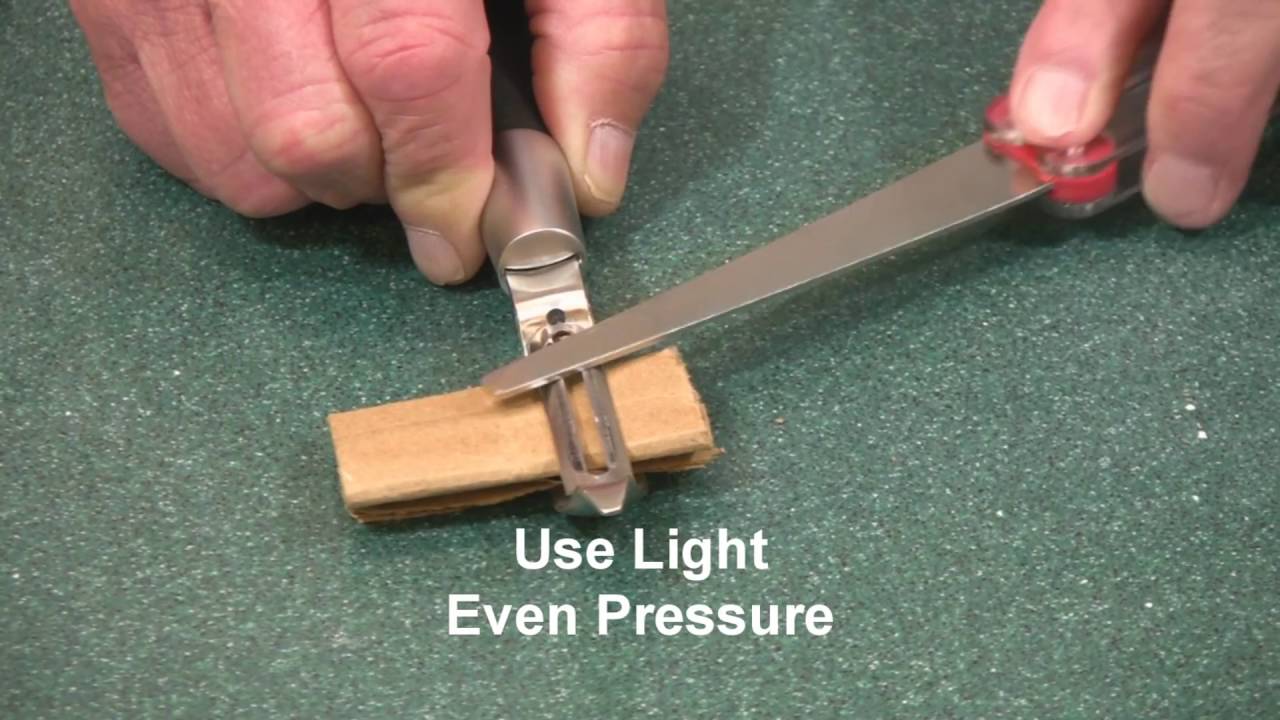
A small paring knife can sharpen a peeler in a pinch. Use the knife’s edge to gently scrape along the peeler blade. For finer sharpening, a metal nail file works well. Move the file along the blade’s angle with steady pressure. Do 10 to 15 strokes per side.
This method suits those without special tools. It’s effective for minor sharpening needs.
Whetstone Method
A whetstone gives the best sharpening results but requires more skill. Soak the stone in water before use. Hold the peeler blade at a 15 to 20-degree angle to the stone. Slide the blade back and forth with moderate pressure. Sharpen each side evenly for several minutes.
This method removes metal to create a new sharp edge. It works well for very dull peelers and lasts longer.
Preparing The Peeler
Sharpening a vegetable peeler starts with proper preparation. A clean and well-understood blade makes sharpening easier and more effective. Taking time to prepare your peeler ensures a better result and longer blade life.
First, focus on cleaning the blade thoroughly. Dirt and food residue can block the sharpening tool from working properly. Next, identify the type of blade your peeler has. Different blades need different sharpening methods. Finally, keep the original blade angle in mind. Sharpening at the correct angle protects the blade’s shape and sharpness.
Cleaning The Blade
Remove any food bits stuck on the blade. Use warm water and mild soap to wash it. Dry the blade completely with a soft cloth. A clean blade allows the sharpening tool to work smoothly.
Checking Blade Type
Look closely at the blade edge. Some peelers have straight blades, others have serrated edges. Knowing the blade type helps you choose the right sharpening method. Straight blades sharpen differently than serrated ones.
Maintaining Original Angle
Notice the angle at which the blade is ground. Keep this angle while sharpening. This preserves the blade’s cutting efficiency. Using the wrong angle can damage the blade and reduce its sharpness.
Step-by-step Sharpening
Keeping a vegetable peeler sharp makes peeling faster and safer. Dull blades can slip and cause accidents. Regular sharpening restores the blade’s edge, improving performance. Follow these simple steps to sharpen your vegetable peeler effectively.
Sharpening With Steel
Use a sharpening steel to hone the blade. Hold the steel vertically and place the peeler blade against it. Swipe the blade down the steel at a 20-degree angle. Repeat this motion 5 to 10 times on each side. This method realigns the blade’s edge gently. It works well for quick touch-ups and minor dullness.
Using A Nail File Or Paring Knife
A nail file or paring knife can sharpen a peeler blade easily. Choose a fine-grit nail file for the best results. Stroke the blade along the file in one direction only. Keep the angle consistent, around 15 to 20 degrees. Repeat 10 to 15 times on each side of the blade. This method is handy and requires no special tools.
Using Sandpaper Or Whetstone
Sandpaper or a whetstone offers a deeper sharpen for very dull blades. Select fine-grit sandpaper or a smooth whetstone. Lay the sandpaper flat on a surface or hold the whetstone steady. Run the blade across it following the existing bevel angle. Use gentle, even pressure with smooth strokes. Repeat 15 to 20 times per side until the edge feels sharper. Clean the blade after sharpening to remove residue.
Credit: annystudio.com
Alternative Quick Fixes
Keeping your vegetable peeler sharp helps with easy and quick peeling. Sometimes, you don’t need special tools to fix a dull blade. Simple tricks can bring back its sharpness fast. These quick fixes save time and keep your peeler working well in the kitchen.
Flipping The Swivel Blade
Many vegetable peelers have a swivel blade. This blade can be flipped over to use the other side. The other edge is often sharper and ready to use. Simply turn the blade carefully and test it on a vegetable. This method works well for quick sharpening without any tools.
Make sure the blade is clean before flipping. Dirt or food can block the blade movement. After flipping, peel a few slices to check if it cuts smoothly. This simple step can extend the life of your peeler.
Realigning The Edge
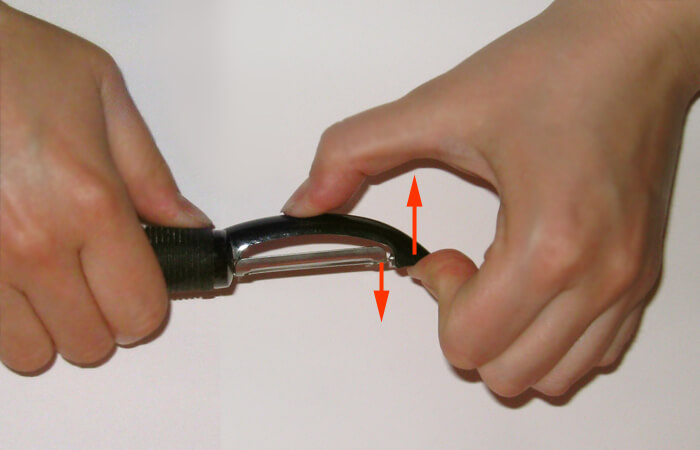
Sometimes the blade edge gets bent or misaligned. This makes peeling hard and uneven. You can fix this by gently realigning the edge with a small tool. Use tweezers or a thin screwdriver to push the blade back into place.
Hold the peeler firmly and adjust the blade angle slightly. Do this slowly to avoid breaking the blade. A well-aligned edge cuts better and makes peeling easier. This quick fix improves performance without sharpening tools.
Tips For Longevity
Keeping your vegetable peeler sharp saves time and effort in the kitchen. Proper care extends its life and keeps it working well. Follow these simple tips for longevity to enjoy smooth peeling every time.
Regular Maintenance
Clean your peeler after each use. Remove any food particles stuck in the blade. Dry it thoroughly to prevent rust. Sharpen the blade gently with a fine sharpening tool or sandpaper. A few light strokes are enough. Check the blade often for dullness and sharpen as needed.
Proper Storage
Store the peeler in a dry place. Avoid keeping it in damp drawers or near the sink. Use a blade cover or a protective sleeve if possible. Keep it separate from heavy or sharp objects. This prevents damage to the blade and keeps it sharp longer.
Avoiding Damage
Do not use the peeler on hard surfaces like glass or metal. Avoid peeling tough or frozen foods that can bend or dull the blade. Use gentle pressure when peeling. Do not twist or force the peeler. Handle it carefully to prevent dropping or bending.
Troubleshooting Common Issues
Troubleshooting common issues with your vegetable peeler helps keep it working well. Simple fixes can extend its life and improve peeling. Understanding when to replace, how to fix a bent blade, and handling rust are key.
When To Replace Your Peeler
Replace your peeler if it no longer peels smoothly. If the blade is chipped or cracked, it is unsafe to use. A dull blade that won’t sharpen anymore needs replacing. Also, if the handle breaks or feels loose, get a new one. A good peeler saves time and effort in the kitchen.
Dealing With A Bent Blade
A bent blade can cause uneven peeling or cuts. Gently bend it back into shape using pliers or fingers. Be careful not to break the blade. Check the blade angle before and after bending. Test it on a vegetable to ensure it peels properly. Small bends can be fixed at home easily.
Handling Rust And Corrosion
Rust weakens the blade and spreads quickly. Remove rust with a gentle scrub using baking soda or a vinegar soak. Dry the peeler thoroughly after washing. Store it in a dry place to prevent rust. Regular cleaning and drying keep your peeler rust-free and long-lasting.

Credit: www.youtube.com
Frequently Asked Questions
How To Keep A Peeler Sharp?
Sharpen a peeler by gently rubbing its blade against a sharpening steel, metal file, or whetstone. Maintain the original blade angle. Use a few even strokes for best results. For swivel peelers, flip the blade to use the sharp side.
Regular sharpening keeps it cutting efficiently.
Do Potato Peelers Get Dull?
Yes, potato peelers do get dull over time. Dull blades struggle to peel efficiently and may catch on food surfaces. Regular sharpening with a honing steel, metal file, or whetstone restores sharpness and improves performance.
How To Sharpen A Peeler With Sandpaper?
Sharpen a peeler with sandpaper by folding it flat. Rub the blade along the sandpaper at the original angle. Repeat gently for a few strokes to restore sharpness.
How To Make A Cutter Sharp Again?
Use a sharpening steel, whetstone, or metal file to sharpen the cutter blade. Maintain the original blade angle and rub gently. A few strokes usually restore sharpness. For swivel blades, flip the blade to use the sharper side. Regular sharpening keeps cutters effective.
Conclusion
Sharpening a vegetable peeler keeps it working well and safe. Use a sharpening steel, nail file, or whetstone to sharpen the blade. Follow the blade’s original angle for best results. A few gentle strokes can restore its cutting edge quickly.
Regular sharpening saves money and reduces waste. Keep your peeler sharp to make peeling easier every time. Simple care helps you enjoy cooking more with less effort. Try these easy steps and see the difference yourself.