

Are you craving perfectly sticky rice but don’t want to spend hours watching a pot on the stove? Making sticky rice in a rice cooker is easier than you think.
With just a few simple steps, you can get that soft, chewy texture every time—without any guesswork. Keep reading, and you’ll discover how to turn your rice cooker into your secret weapon for delicious sticky rice that will impress your family and friends.
Ready to master this easy trick? Let’s dive in!
:max_bytes(150000):strip_icc()/make-sticky-rice-in-rice-cooker-3217199-step-04-01-cb329c679e3e4bbdbc91a1eb5ed0d757.jpg)
Credit: www.thespruceeats.com
Choosing The Right Rice
Choosing the right rice is key to making perfect sticky rice in a rice cooker. Sticky rice is different from regular rice. It has a unique texture that sticks together when cooked. This texture depends on the type of rice you use. Picking the right one helps you get the best results every time.
Types Of Sticky Rice
Sticky rice is often called glutinous rice or sweet rice. It is different from jasmine or basmati rice. Sticky rice grains are shorter and rounder. They have more starch, which makes them stick together. White sticky rice is common, but you can also find purple or black sticky rice. These types have a nutty flavor and are popular in some recipes.
Where To Buy Sticky Rice
Sticky rice is available in many Asian markets. You can find it in the rice section or with specialty grains. Some large supermarkets also carry sticky rice. Online stores offer many brands and types. Buy from trusted sellers to ensure good quality. Check the packaging for “glutinous rice” or “sticky rice” labels. Fresh rice gives the best texture and taste.
Credit: iheartumami.com
Preparing The Rice
Preparing the rice is the first step to making perfect sticky rice in a rice cooker. This step helps the rice cook evenly and become soft and sticky. Proper preparation affects the texture and taste of the final dish.
Following these simple steps will ensure your sticky rice turns out just right every time.
Washing And Rinsing
Start by measuring the sticky rice you want to cook. Place the rice in a large bowl. Add cold water to cover the rice. Gently stir the rice with your hand. The water will become cloudy with starch.
Drain the water carefully without losing the rice. Repeat this washing process 3 to 4 times. Keep rinsing until the water is clear. Clean rice helps remove excess starch and dirt. Clear water means the rice is ready for soaking.
Soaking Time
After washing, soak the rice in fresh water. Use enough water to cover the rice by about two inches. Let the rice soak for at least 4 hours. For best results, soak it overnight.
Soaking softens the grains and helps them cook evenly. It also makes the rice stickier after cooking. Drain the rice well before placing it in the rice cooker. Proper soaking is key to soft, sticky rice.
Using The Rice Cooker
Using a rice cooker simplifies the process of making sticky rice. It helps control cooking time and temperature. This method reduces guesswork and ensures consistent results. The rice cooker does most of the work, so you can focus on other tasks.
Understanding the right rice-to-water ratio and selecting the correct cooking mode are essential steps. These factors affect the texture and stickiness of the rice. Follow these simple tips to get perfectly sticky rice every time.
Rice-to-water Ratio
Sticky rice needs less water than regular rice. Use about one cup of water for every cup of sticky rice. Rinsing the rice before cooking removes extra starch. This step helps the rice cook evenly and prevents clumping.
Too much water makes the rice soggy. Too little water leaves it dry and hard. Measure water carefully to get the best texture.
Selecting The Cooking Mode
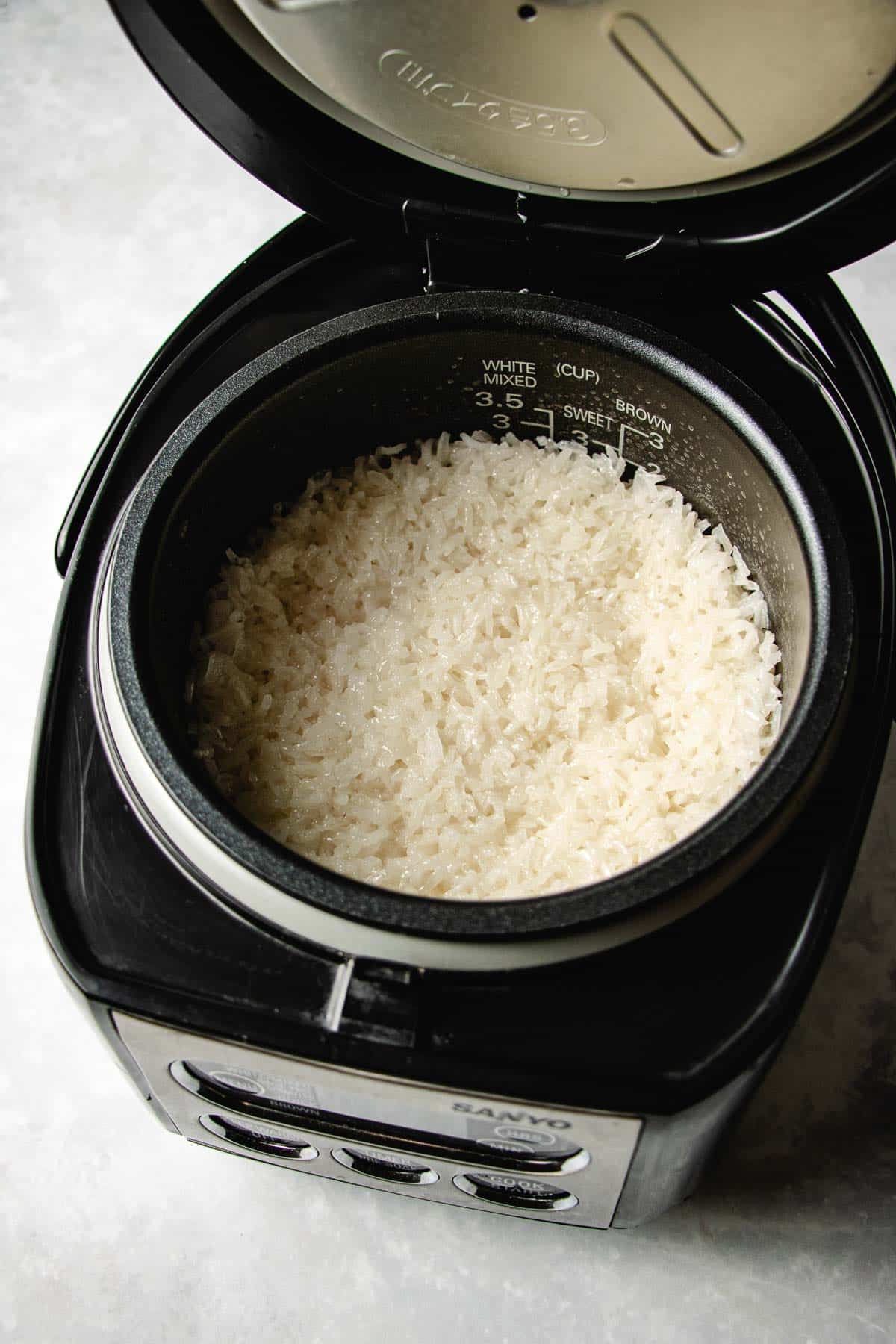
Most rice cookers have a “sticky rice” or “glutinous rice” setting. Use this mode if available. It cooks rice at a lower temperature for longer. This helps the rice become tender and sticky.
If your cooker lacks this mode, use the “white rice” setting. After cooking, let the rice sit covered for 10 minutes. This resting time improves stickiness and texture.
Cooking Tips For Perfect Texture
Cooking sticky rice in a rice cooker is simple with the right tips. Texture makes all the difference. Soft, chewy, and slightly sticky rice is the goal. Follow these steps to get it just right every time.
Small changes in cooking can change the texture a lot. Use these tips to avoid common mistakes and enjoy perfect sticky rice.
Avoiding Overcooking
Overcooked sticky rice becomes mushy and loses its texture. Use the rice cooker’s sticky rice or porridge setting if available. This setting controls heat and cooking time well. Do not open the lid during cooking. Opening releases steam and changes cooking time. Let the rice cooker finish its cycle fully. This helps rice cook evenly without extra water.
Resting The Rice
After cooking, let the rice rest for 10 to 15 minutes. Keep the lid closed during this time. Resting allows steam to finish cooking rice gently. It also helps rice grains firm up slightly. Use a fork or rice paddle to fluff the rice after resting. This separates grains and improves texture.
Serving Suggestions
Sticky rice is a versatile dish that pairs well with many foods. Its unique texture and flavor make it a favorite in various cuisines. Serving sticky rice properly enhances your meal experience. Below are some ideas to enjoy sticky rice in tasty and creative ways.
Traditional Pairings
Sticky rice is commonly served with grilled meats like chicken, pork, or beef. It absorbs sauces well, making it ideal with spicy dips or chili pastes. Try it with Thai or Laotian dishes such as larb or grilled sausage. Coconut sticky rice with mango is a popular dessert pairing. This sweet treat balances the rice’s mild flavor perfectly.
Creative Serving Ideas
Use sticky rice as a base for rice bowls topped with vegetables and protein. Mix cooked sticky rice with herbs and lime for a fresh salad. Shape sticky rice into small balls and serve with dipping sauces for snacks. Try adding fruits like pineapple or berries for a sweet twist. Sticky rice also works well in sushi or rice paper rolls.
:max_bytes(150000):strip_icc()/make-sticky-rice-in-rice-cooker-3217199-hero-02-90beca8ebad94497a1d5cc941d52fa1c.jpg)
Credit: www.thespruceeats.com
Troubleshooting Common Issues
Making sticky rice in a rice cooker is simple, but sometimes problems happen. The rice might turn out too dry or too wet. Or it may not be sticky enough. These issues can be fixed with easy steps. This guide helps you solve common sticky rice problems quickly.
Rice Too Dry Or Too Wet
Dry rice means not enough water was used. Add a little more water next time. Let the rice sit covered for 10 minutes after cooking. This helps moisture spread evenly.
Wet rice means too much water was added. Try using less water. Drain extra water if the rice is very wet. Use the right rice cooker setting for sticky rice.
Sticky Rice Not Sticky Enough
The rice is not sticky when it is not soaked enough. Soak the rice for at least 4 hours before cooking. Rinse the rice well to remove excess starch. Use glutinous or sticky rice type only.
Cook rice on the right setting to keep stickiness. Avoid opening the lid while cooking. Let the rice rest inside the cooker for 10 minutes after cooking.
Frequently Asked Questions
How Much Water Is Needed For Sticky Rice In A Rice Cooker?
Use a 1:1 ratio of sticky rice to water for perfect texture. Avoid adding excess water to prevent mushy rice. Rinse the rice thoroughly before cooking to remove excess starch. Adjust water slightly if your rice cooker runs hot or dry.
Can I Use Regular Rice For Sticky Rice In A Rice Cooker?
Regular rice is not ideal for sticky rice recipes. Sticky rice requires glutinous or sweet rice for the correct texture. Using regular rice will result in less sticky and softer grains. Always choose glutinous rice for authentic sticky rice results.
How Long Does Sticky Rice Take To Cook In A Rice Cooker?
Sticky rice usually takes about 20-30 minutes to cook in a rice cooker. Cooking time depends on the rice cooker model and quantity of rice. Let the rice rest for 10 minutes after cooking for better stickiness. Avoid opening the lid during cooking.
Is Soaking Sticky Rice Necessary Before Cooking In A Rice Cooker?
Yes, soaking sticky rice for at least 4 hours improves texture. Soaking softens the grains and helps them cook evenly. Drain the soaked rice well before adding water for cooking. This step is crucial for achieving the desired sticky consistency.
Conclusion
Sticky rice cooks well in a rice cooker with a few simple steps. Rinse the rice until the water runs clear. Use the right water-to-rice ratio for the best texture. Let the rice rest after cooking to firm up. This method saves time and effort.
You can enjoy soft, sticky rice anytime at home. Try it with your favorite dishes for a tasty meal. Easy, quick, and reliable—perfect for every kitchen.