

Craving warm, gooey chocolate chip cookies but realize you’re out of baking soda? Don’t worry—you can still bake a delicious batch without it!
You might wonder how skipping this common ingredient affects your cookies’ texture and taste. The good news is, with a few simple tweaks, you can enjoy cookies that are just as satisfying, whether you prefer them chewy, cakey, or somewhere in between.
Ready to discover how to make chocolate chip cookies without baking soda and still impress your taste buds? Keep reading, because your next favorite cookie recipe might just be a few steps away!
No Baking Soda Basics
Making chocolate chip cookies without baking soda is simple and fun. Baking soda acts as a leavening agent, helping cookies rise and spread. Without it, the cookies change in texture, color, and flavor. Understanding these changes helps you bake tasty cookies without baking soda.
Texture Changes
Cookies without baking soda often become denser. They do not rise as much. The dough stays thick, so cookies spread less. The result is a thicker, chewier cookie. Sometimes, cookies feel more cake-like. This texture suits those who want soft, thick cookies. Adding cornstarch can help keep them tender. Adjusting flour and butter also changes the texture. Expect a different bite than usual.
Color And Flavor Impact
Baking soda helps cookies brown nicely. Without it, cookies stay lighter in color. They look pale and less golden. This happens because baking soda raises the pH, which helps browning. Flavor also changes slightly. Cookies without baking soda taste less rich and less caramelized. They have a purer butter and sugar flavor. Vanilla and chocolate chips stand out more. You may want to bake a little longer for deeper flavor.
Choosing Right Recipes
Choosing the right recipe is key when making chocolate chip cookies without baking soda. Baking soda helps cookies rise and spread. Without it, cookies change in texture and shape. Some recipes are made without baking soda on purpose. These recipes create cookies that are firm or cakey. Picking these recipes can give better results. This section helps you find recipes that work well without baking soda and what to expect from them.
Cookies That Skip Baking Soda
Some cookie recipes do not need baking soda at all. Shortbread cookies are a good example. They are dense and crumbly without rising. Other recipes use baking powder instead. Baking powder makes cookies rise differently, giving a softer texture. Look for recipes labeled “no baking soda” or “no baking powder.” These recipes balance ingredients to keep cookies tasty and well-textured.
Adjusting Expectations
Cookies without baking soda will not spread as much. They tend to be thicker and more compact. This can be good if you want cookies that hold their shape. Expect a different look and feel than traditional chocolate chip cookies. The flavor stays rich, but the texture changes. Being ready for this helps you enjoy baking without disappointment.
Leavening Alternatives
Leavening agents play a key role in making chocolate chip cookies light and soft. Without baking soda, the cookies may turn out denser and less spread. Luckily, other leavening alternatives can help you achieve a pleasant texture and rise. These substitutes work differently but still create tasty cookies. Below are some common options to try in your baking.
Using Baking Powder
Baking powder is the most popular alternative to baking soda. It contains both an acid and a base, which react when wet and hot. This reaction produces carbon dioxide bubbles, making the dough rise. Use about three times the amount of baking powder as baking soda. For example, if a recipe calls for 1 teaspoon of baking soda, use 3 teaspoons of baking powder instead. Expect a slightly cakier texture and less spread in the cookies.
Other Substitutes
Some other options include whipped egg whites and self-rising flour. Whipped egg whites add air and lightness to the dough. Fold them gently into the batter for a soft texture. Self-rising flour already contains baking powder and salt, so it can replace regular flour and baking soda. Use it in a 1:1 ratio with regular flour but skip the baking soda. Keep in mind these substitutes may change the cookie’s shape and feel but still taste delicious.
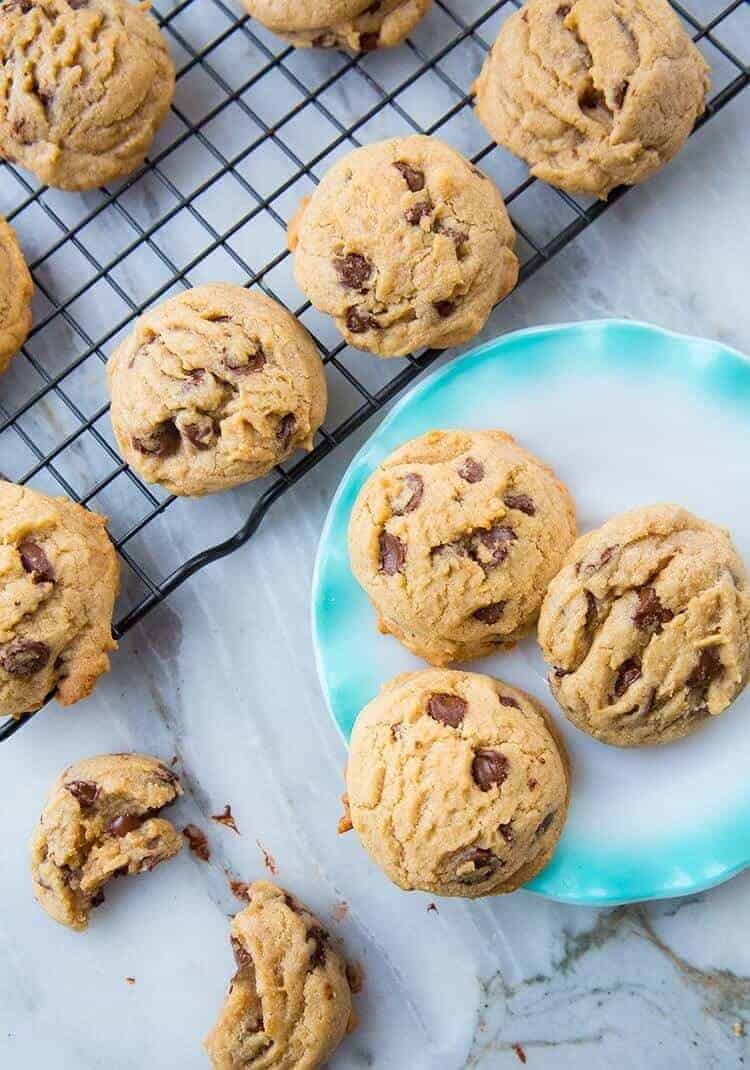
Credit: www.thekitchenmagpie.com
Recipe Tweaks For Success
Making chocolate chip cookies without baking soda requires small recipe changes. These tweaks help maintain great texture and taste. Adjusting ingredients balances the lack of leavening and keeps cookies enjoyable.
Here are two key recipe tweaks that improve your cookies without baking soda.
Flour And Butter Ratios
Increasing flour slightly adds structure to the cookie dough. More flour helps cookies hold their shape without spreading too much.
Reducing butter a little prevents cookies from becoming too flat. Butter melts during baking and affects cookie thickness.
Try a ratio with 1 cup plus 2 tablespoons of flour per 1/2 cup of butter. This keeps dough firm and manageable.
Adding Cornstarch
Cornstarch creates a tender and soft texture in cookies. It also helps cookies stay thick and cakey without baking soda.
Add about 1 to 2 teaspoons of cornstarch for every cup of flour in your recipe. Mix it well into the dry ingredients.
This small addition improves cookie structure and chewiness. It gives cookies a pleasant bite without changing flavor.
Tips For Better Results
Achieving great chocolate chip cookies without baking soda is possible with the right approach. Small changes in mixing and baking can improve texture and flavor. These tips help create cookies that are soft, chewy, and delicious.
Mixing Techniques
Start by creaming the butter and sugar well. This creates air pockets for a lighter texture. Mix eggs and vanilla thoroughly before adding dry ingredients. Avoid over-mixing once flour is added. Over-mixing can make cookies tough and dense. Fold in chocolate chips gently to keep dough airy.
Baking Time And Temperature
Set the oven to a slightly lower temperature than usual, around 325°F (163°C). This prevents cookies from browning too fast without baking soda. Bake cookies for 10 to 12 minutes. Watch closely near the end to avoid over-baking. Cookies should look set but soft in the center. Let them cool on the baking sheet for a few minutes to firm up.
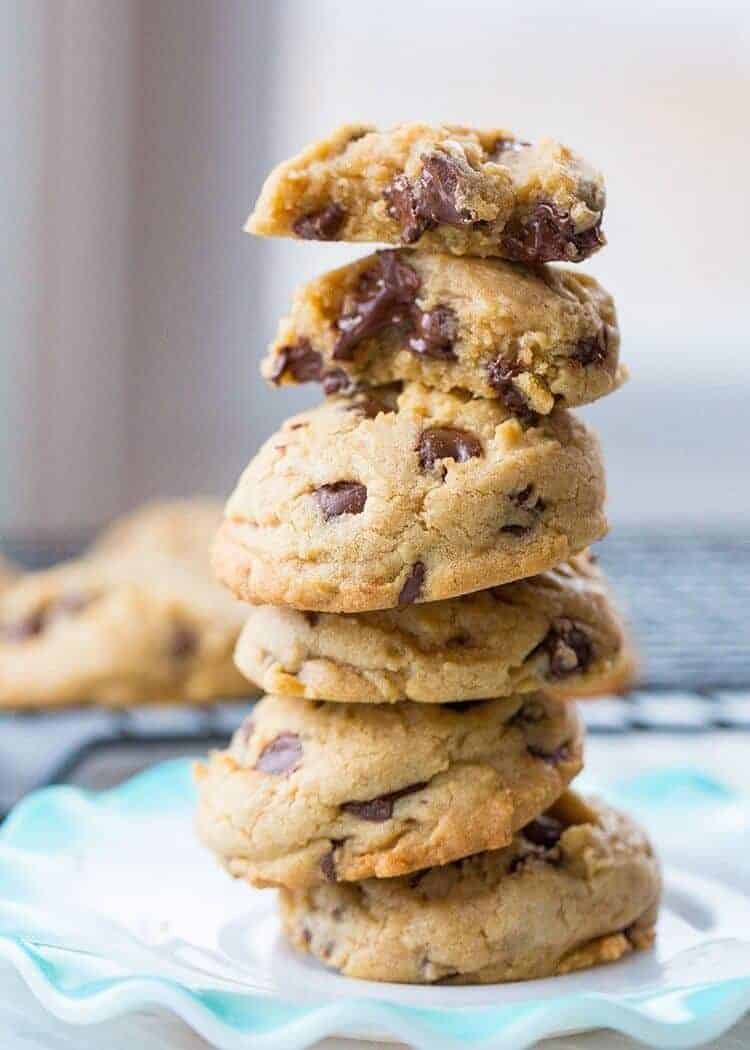
Credit: www.thekitchenmagpie.com
Common Mistakes To Avoid
Making chocolate chip cookies without baking soda requires care to get good results. Many bakers face common errors that affect the cookie’s texture and taste. Avoiding these mistakes helps create delicious cookies even without this usual ingredient.
Not Adjusting The Leavening Agents
Skipping baking soda means the cookies will not rise or spread the same way. Using only baking powder or none at all without changes can cause dense, heavy cookies. Adjust the recipe to balance leavening for better texture.
Ignoring Ingredient Ratios
Failing to change flour and fat amounts can lead to dry or greasy cookies. Without baking soda, cookies need more flour or cornstarch for structure. Keep a good balance between butter, sugar, and flour for soft, chewy cookies.
Overmixing The Dough
Mixing dough too long creates tough cookies. Gluten develops more when overmixed, which makes cookies hard. Stir the ingredients just until combined to keep cookies tender and light.
Baking At The Wrong Temperature
Incorrect oven heat affects cookie spread and baking time. Too hot or too cool ovens can burn or underbake cookies. Use a reliable thermometer to maintain steady temperature for even baking.
Using The Same Expectations As Regular Cookies
Expecting cookies without baking soda to behave exactly like usual ones leads to disappointment. They may be thicker and less spread out. Accept the difference and enjoy a unique cookie texture and shape.
Comparing Baking Soda And Powder
Understanding the difference between baking soda and baking powder helps in baking chocolate chip cookies without baking soda. Both are leavening agents but work differently. Baking soda needs an acid to activate, while baking powder contains acid and base already. This difference affects how cookies spread and rise, and their flavor.
Effect On Spread And Rise
Baking soda causes cookies to spread more during baking. It reacts quickly with acidic ingredients, creating carbon dioxide bubbles. These bubbles help dough expand and flatten. Without baking soda, cookies may stay thicker and puffier.
Baking powder creates more rise and less spread. It reacts slowly because it contains both acid and base. This makes cookies puff up and become cakier. Using baking powder instead of soda gives a softer, more cake-like cookie.
Flavor Differences
Baking soda helps cookies brown and develop a richer flavor. It neutralizes acidity, balancing sweetness. This adds a slight caramel note to the cookies.
Baking powder has a mild taste but can leave a slight metallic or bitter note if used too much. It does not enhance browning as baking soda does. Cookies made with only baking powder may taste lighter and less complex.
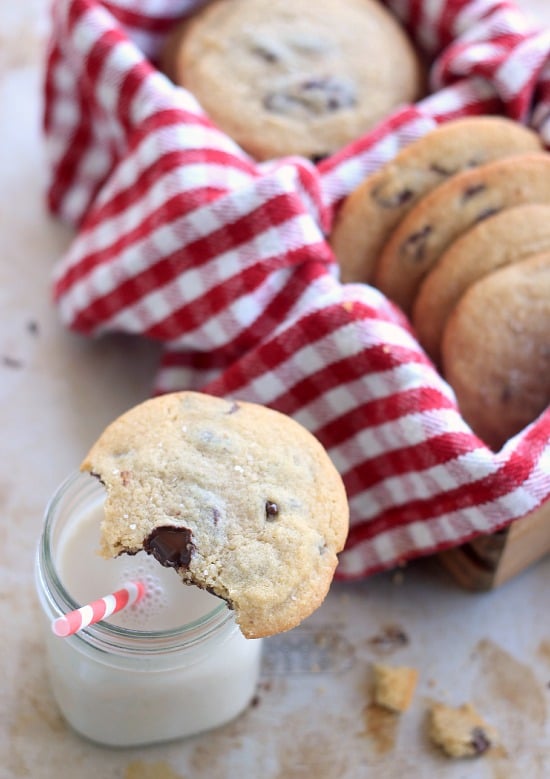
Credit: bakerbettie.com
Frequently Asked Questions
Can You Do Cookies Without Baking Soda?
Yes, you can bake cookies without baking soda. They become denser and less spread out. Use baking powder or adjust flour for texture changes.
What’s A Substitute For Baking Soda In Chocolate Chip Cookies?
Use baking powder as a substitute for baking soda in chocolate chip cookies. It creates a cakier texture and more lift.
How To Make Cookie Dough With 3 Ingredients?
Mix softened butter, sugar, and flour until smooth. Add chocolate chips if desired. Chill dough before baking for best results.
What Should I Use If I Don’t Have Baking Soda?
Use baking powder as a substitute for baking soda, but expect a cakier texture. Alternatively, try recipes without leavening agents.
Conclusion
Making chocolate chip cookies without baking soda is simple and rewarding. Expect a thicker, chewier cookie with less spread. Use baking powder or adjust ingredients for texture changes. Choose recipes designed for no baking soda to get best results. Enjoy baking and tasting these classic cookies your own way.
Experiment and find the perfect cookie that suits your taste. Baking without baking soda opens up new cookie possibilities.