

Are you ready to take your stuffing to the next level? The secret starts with perfect bread cubes.
Making your own bread cubes might sound simple, but the way you prepare them can change the entire flavor and texture of your dish. Imagine stuffing that’s crispy on the outside, soft on the inside, and bursting with flavor. Sounds delicious, right?
You’ll discover easy steps to create the ideal bread cubes that will make your stuffing unforgettable. Keep reading, and you’ll never go back to store-bought again!
Credit: littlenonni.com
Choosing The Right Bread
You can also read: Can You Make Bread Pudding With Sourdough Bread? Delicious Tips!
Choosing the right bread is key to making perfect bread cubes for stuffing. The bread’s texture and flavor affect how your stuffing turns out. Picking the best bread type helps your stuffing soak up the flavors well without becoming mushy. Let’s explore which breads work best and how freshness matters.
Types Of Bread For Stuffing
White bread is a common choice. It has a soft texture and mild flavor. It soaks up liquids easily, making stuffing moist and tender.
French or Italian bread offers a firmer texture. These breads add a slight crunch after baking. They hold their shape well in stuffing.
Sourdough bread adds a tangy taste. It has a dense crumb that absorbs flavors nicely. Use it to give your stuffing extra character.
Whole wheat bread brings a nutty flavor and denser texture. It adds a healthy twist to traditional stuffing recipes.
Fresh Vs. Stale Bread
Fresh bread is soft and moist. It can make stuffing soggy if not dried first. Cutting fresh bread into cubes and drying them helps to absorb liquids better.
Stale bread is ideal for stuffing. It is drier and holds its shape well. Stale cubes soak up broth without falling apart.
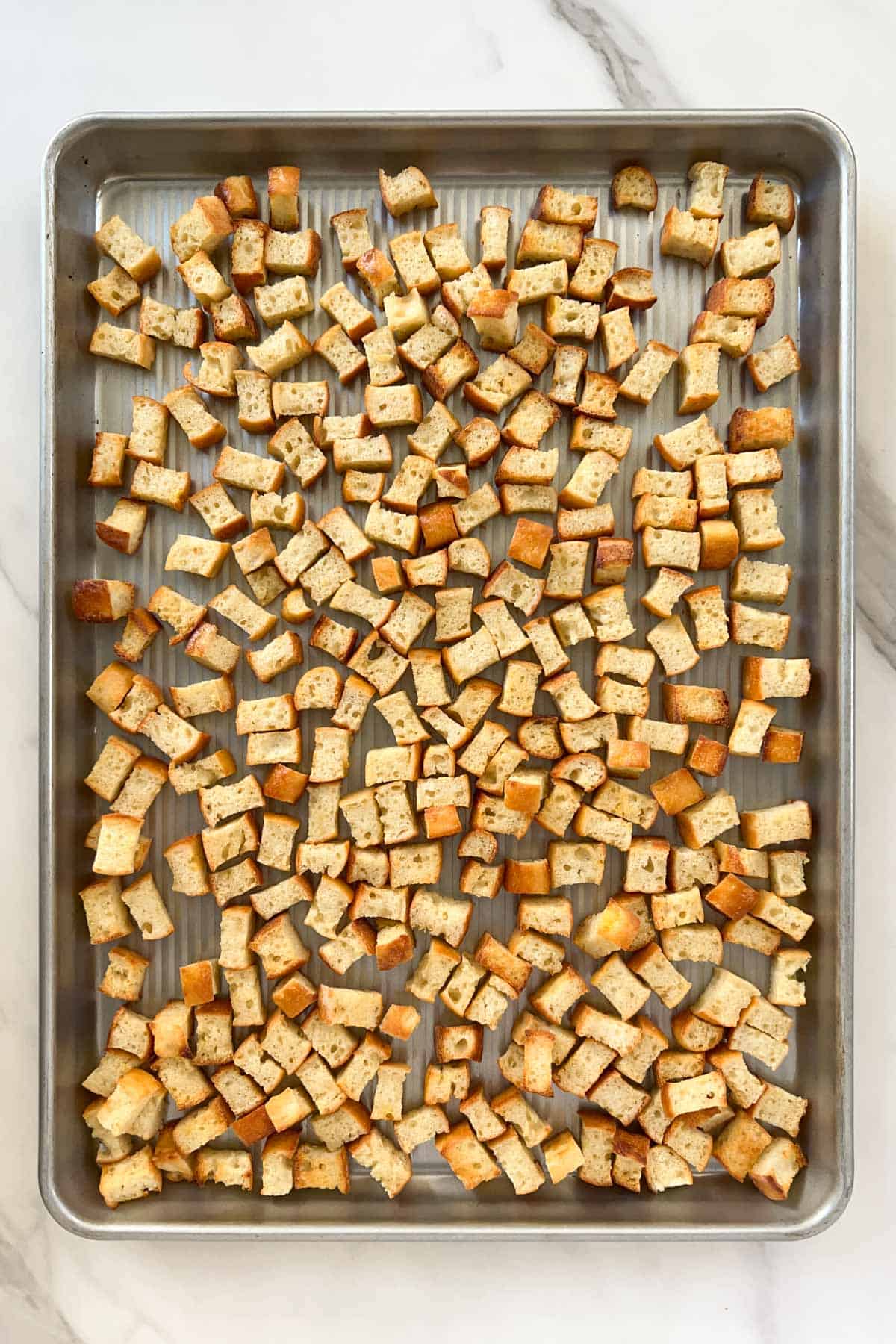
To stale fresh bread quickly, spread cubes on a baking sheet. Toast them in the oven at low heat for 10-15 minutes. This dries the bread, making it perfect for stuffing.
You can also read: Difference between Wok And Frying Pan: Ultimate Guide to Choose Right
Credit: www.culinaryhill.com
Preparing The Bread
Preparing the bread is the first step to making perfect stuffing. The bread must be dry and firm. Fresh bread can be too soft and soggy. Stale or slightly dried bread works best for stuffing. It soaks up flavors without becoming mushy.
Cutting Bread Into Cubes
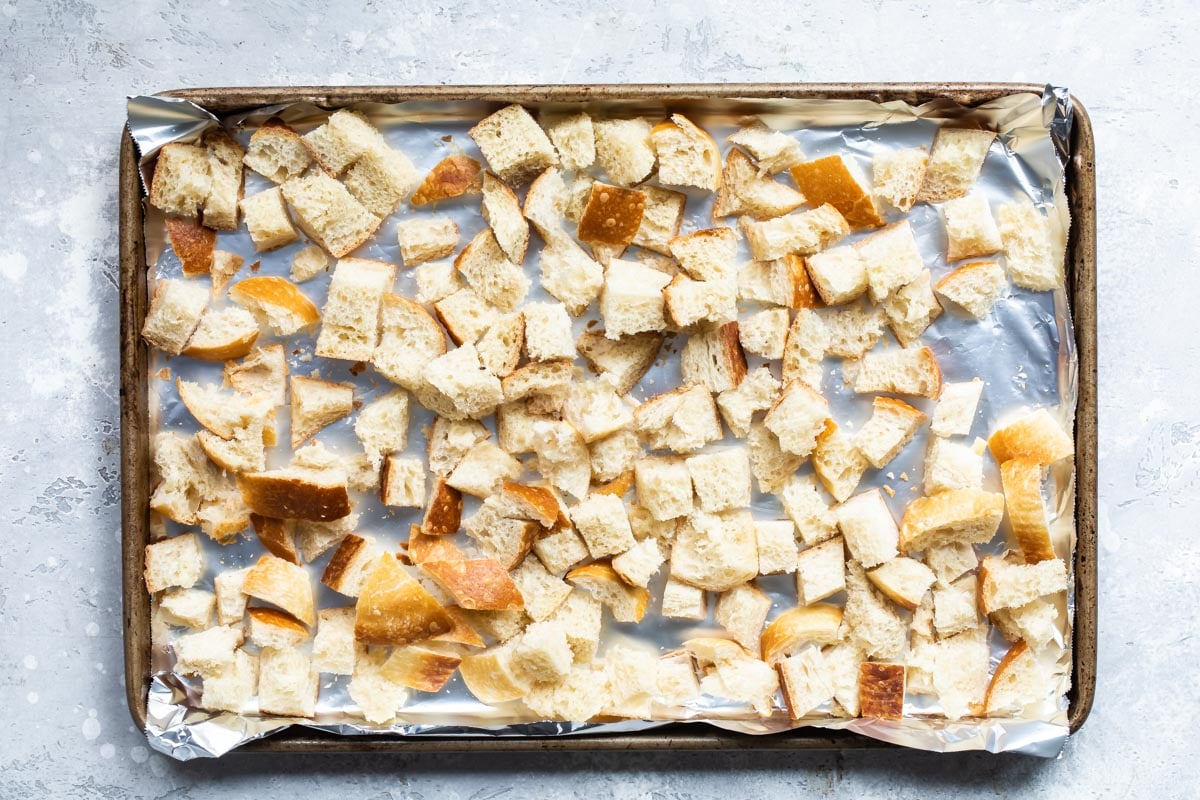
Start by slicing the bread into thick slices. Then cut each slice into strips. Finally, cut the strips into cubes. Keep your knife steady to make even cuts. Try to avoid crushing the bread while cutting. Use a sharp knife for clean edges. This helps the cubes hold their shape while cooking.
Ideal Cube Size
Choose a cube size about 1 inch wide. This size allows the bread to soak up broth well. Smaller cubes may become too mushy. Larger cubes might stay dry inside. One-inch cubes balance texture and flavor. They also cook evenly in the stuffing mix.
Drying The Bread Cubes
Drying the bread cubes is an important step for making perfect stuffing. Fresh bread is soft and moist. It needs to become dry and firm to soak up the flavors well. Dry bread cubes hold their shape and texture during baking. Two simple ways to dry bread cubes are air drying and oven drying. Both methods work well depending on the time and tools available.
Air Drying Method
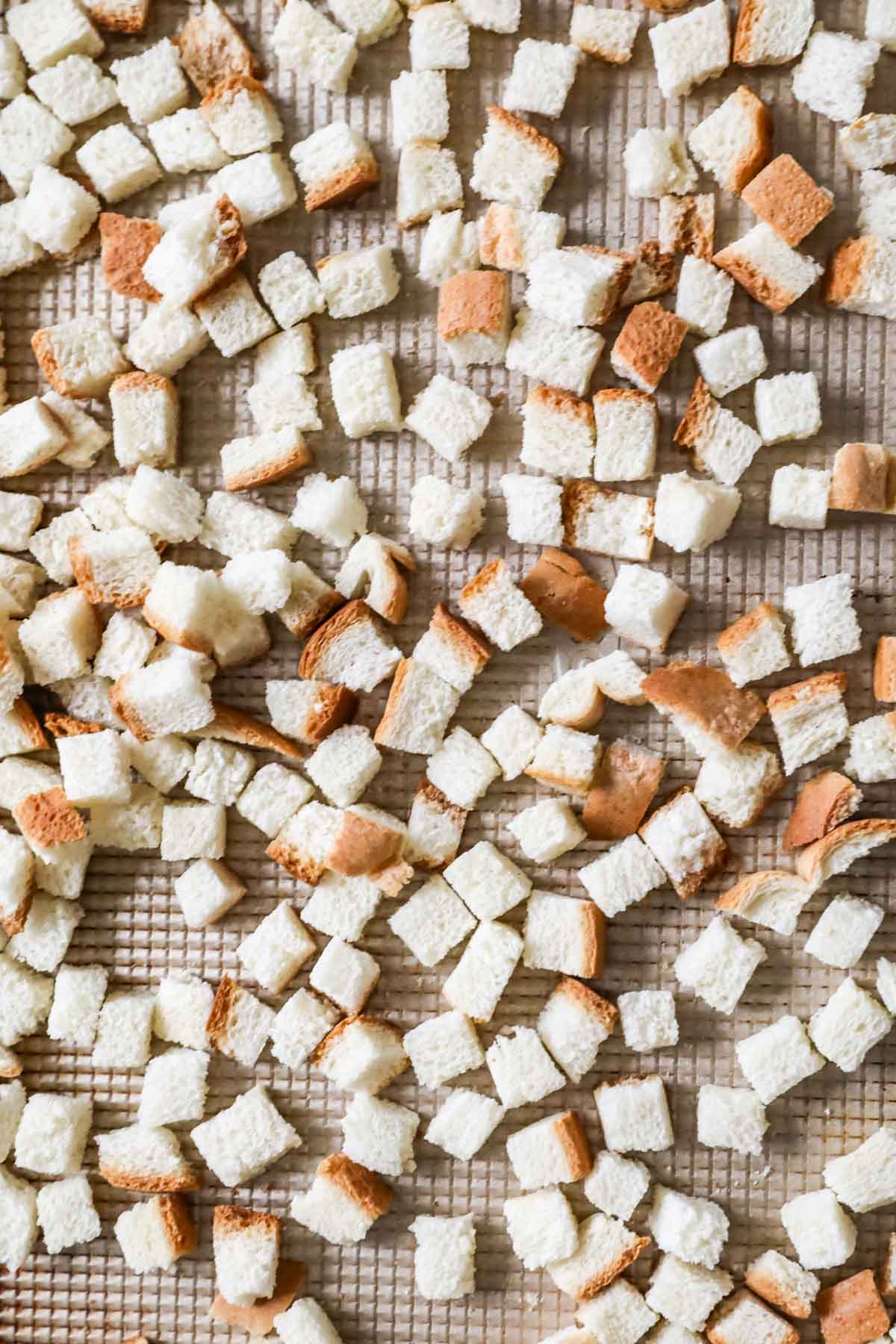
Cut the bread into small cubes. Spread them on a clean baking sheet or tray. Leave the bread cubes in a dry, cool place. Let them sit uncovered for one to two days. The air removes moisture slowly and naturally. Stir the cubes once or twice a day. This helps them dry evenly. Air drying takes longer but uses no energy. It is the easiest method with no heat needed.
Oven Drying Method
Preheat the oven to a low temperature, around 250°F (120°C). Spread the bread cubes in a single layer on a baking sheet. Place the tray in the oven and bake for 15 to 30 minutes. Stir the cubes every 10 minutes to dry all sides. Watch closely to avoid burning. The bread should become dry and slightly crisp. Oven drying is faster than air drying. It works well when you need bread cubes quickly.
Flavoring The Bread Cubes
Flavoring the bread cubes is a key step to make stuffing taste delicious. Plain bread cubes can be dry and bland. Adding herbs, spices, and fats brings out rich flavors and a nice texture. These simple touches transform basic bread into a tasty base for stuffing.
Adding Herbs And Spices
Herbs and spices give the bread cubes a fresh and warm taste. Common choices include sage, thyme, and rosemary. These herbs add a classic stuffing aroma. A pinch of garlic powder or onion powder boosts flavor. Salt and pepper balance the taste. Sprinkle herbs and spices evenly over the bread cubes before baking.
Using Butter Or Oil
Butter or oil adds moisture and richness to bread cubes. Butter melts into the cubes, making them soft inside and crispy outside. Olive oil offers a lighter option with a mild flavor. Toss the bread cubes with melted butter or oil to coat well. This step helps the cubes brown nicely and prevents dryness.
Storing Bread Cubes
Storing bread cubes properly keeps them fresh and ready for stuffing. Proper storage helps maintain their texture and flavor. It also prevents them from becoming stale or soggy. You can store bread cubes for short periods or freeze them for later use. Both methods keep your bread cubes tasty and easy to use.
Short-term Storage Tips
Keep bread cubes in an airtight container or a resealable plastic bag. Store them at room temperature, away from heat and moisture. Use them within 3 to 5 days for the best taste and texture. Avoid storing bread cubes in the fridge, as it can dry them out faster.
Freezing For Later Use
Freezing bread cubes is a great way to keep them fresh for weeks. Spread the cubes on a baking sheet and freeze until solid. Transfer the frozen cubes to a freezer-safe bag or container. Label with the date to track freshness. Use frozen bread cubes within 3 months for best quality. Thaw them at room temperature before using in your stuffing recipe.
Credit: sugarspunrun.com
Common Mistakes To Avoid
Making bread cubes for stuffing seems simple but can be tricky. Small errors affect taste and texture. Avoid these common mistakes to get perfect bread cubes every time.
Not Using The Right Bread
Choose day-old or slightly stale bread. Fresh bread is too soft and makes mushy cubes. Avoid bread with added moisture like sandwich loaves. A firm bread holds its shape better.
Cutting Cubes Too Large Or Too Small
Cut bread into even, medium-sized cubes. Too large cubes cook unevenly. Too small cubes dry out quickly and lose texture. Aim for about 1-inch cubes for best results.
Skipping The Drying Step
Dry bread cubes before using. Wet cubes cause soggy stuffing. Air dry cubes for several hours or bake them at low heat. This step ensures crisp, flavorful cubes.
Not Seasoning The Bread Cubes
Season bread cubes before mixing with other ingredients. Plain cubes taste bland. Toss cubes with herbs, salt, and a little oil or butter. This adds flavor to the stuffing.
Frequently Asked Questions
How Do You Choose Bread For Stuffing Cubes?
Select sturdy, day-old bread like French or sourdough. Avoid soft or fresh bread to prevent sogginess. Stale bread absorbs flavors better and holds shape during cooking, making it ideal for stuffing.
What Size Should Bread Cubes Be For Stuffing?
Cut bread into 1-inch cubes for even cooking. This size allows stuffing to absorb moisture and flavors uniformly. Smaller cubes may become mushy, while larger ones might stay dry inside.
How Long Should Bread Cubes Dry Before Stuffing?
Dry bread cubes for at least 4-6 hours or overnight. This helps remove moisture, ensuring they crisp up when baked. Air drying or oven-drying at low heat works best.
Can You Freeze Bread Cubes For Stuffing?
Yes, freeze bread cubes in an airtight container for up to 3 months. Thaw them completely before use. Freezing preserves freshness and saves preparation time for future meals.
Conclusion
Making bread cubes for stuffing is simple and fun. Cut the bread into even cubes for best results. Let the cubes dry out to absorb flavors well. Toasting them adds a nice crunch and taste. Use your bread cubes in stuffing recipes or salads.
Fresh or stale bread both work fine. With these easy steps, you can prepare perfect bread cubes every time. Enjoy your cooking and the delicious stuffing it creates!