

Are you wondering if a titanium cutting board could harm your knives? You’re not alone.
Many kitchen enthusiasts and professional chefs ask the same question before investing in one. After all, your knives are essential tools, and keeping them sharp is key to effortless cooking. Titanium cutting boards are praised for their durability and hygiene, but there’s a catch: some say they might dull or damage your blades.
You’ll discover the truth behind titanium cutting boards and their effect on knives. By the end, you’ll know if this sleek, modern option is right for your kitchen or if you should stick with more traditional boards to protect your valuable blades. Keep reading—you don’t want to risk your knives without the full story.
Titanium Board Features
Titanium cutting boards offer unique features that affect knife care and kitchen use. Understanding these features helps assess their impact on knives. Their build and material influence durability, hygiene, hardness, and handling.
Durability And Hygiene
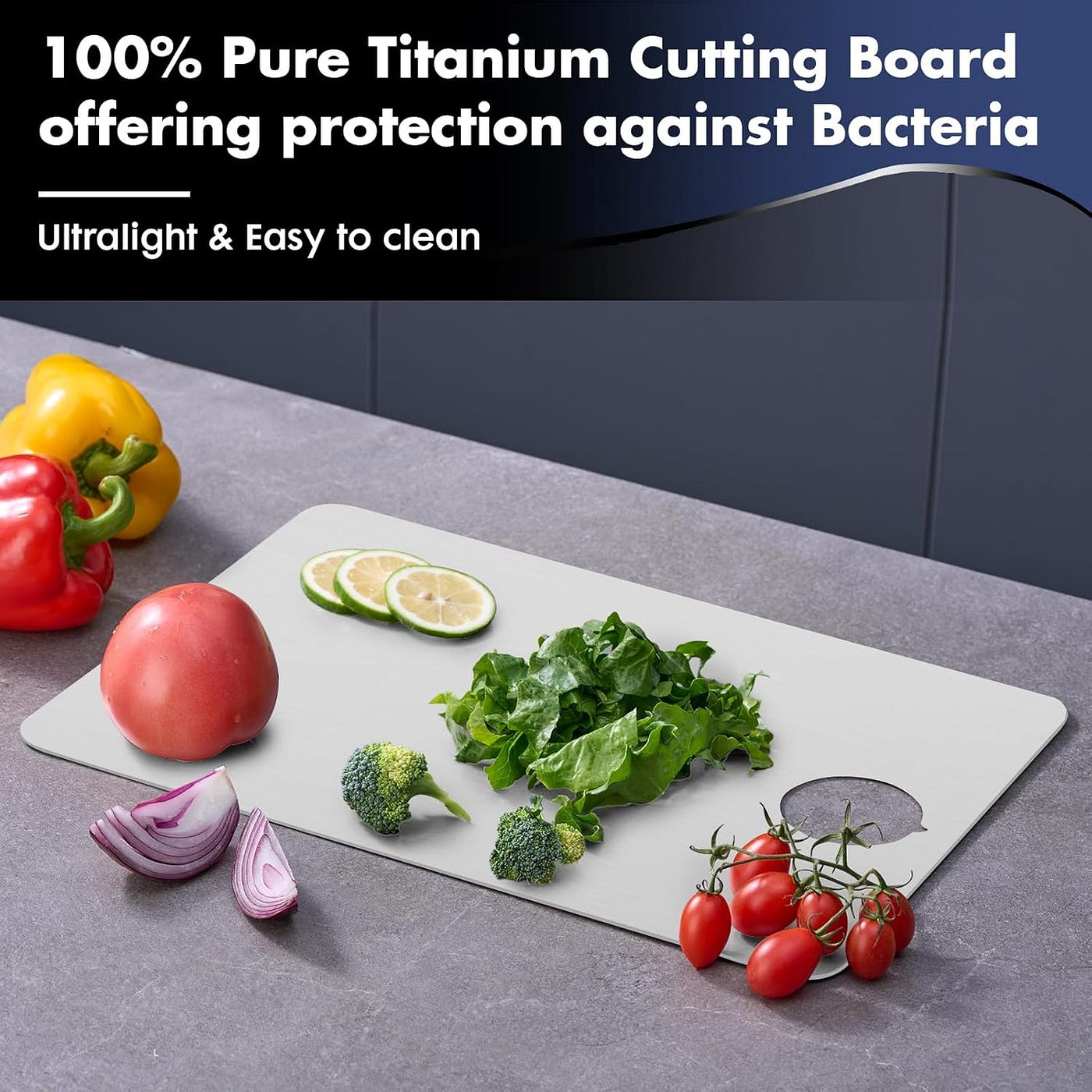
Titanium cutting boards are highly durable. They resist scratches and dents better than plastic or wood. This durability helps prevent bacteria buildup in cuts or grooves. Titanium’s non-porous surface resists stains and odors well. The board cleans easily, making it hygienic for food preparation. These qualities make titanium boards a long-lasting kitchen tool.
Material Hardness
Titanium is a strong metal with a hard surface. This hardness can affect knife blades. Hard surfaces may dull knives faster compared to softer boards. Yet, titanium is softer than steel or glass boards, which are harsher. The quality and thickness of the titanium board also matter. Proper use and care can reduce wear on knives.
Weight And Handling
Titanium boards are lighter than stainless steel but heavier than plastic. This moderate weight provides stability during cutting. The board stays in place well, reducing slips and accidents. However, its weight might make it less convenient to move or store. The smooth surface aids easy handling and cleaning.
Credit: medium.com
Impact On Knife Blades
The impact of titanium cutting boards on knife blades is a key concern for many home cooks and professionals. Understanding how these boards interact with knives helps in choosing the right cutting surface. Titanium is known for its strength and durability, but its effect on knife sharpness varies.
Potential For Blade Wear
Titanium cutting boards can cause some wear on knife blades. The metal surface is harder than wood or plastic. This hardness may dull knives faster if used frequently. Small scratches on blades can form over time from cutting on titanium. Proper care and sharpening can reduce this wear.
Comparisons With Other Materials
Wood and plastic boards are softer and gentler on knives. They absorb the impact of the blade better, preserving sharpness longer. Glass and steel boards are much harder and cause quicker dulling. Titanium sits between these extremes. It is harder than wood but softer than steel, offering a balance of durability and blade care.
Factors Influencing Dulling
The quality of the titanium board affects blade wear. High-quality titanium is smoother and less abrasive. The knife’s blade material also matters. Softer steel blades dull faster on hard surfaces. Cutting technique influences dulling too. Pressing too hard or twisting the blade speeds up wear. Regular maintenance keeps blades sharper longer.
Quality Variations
Quality matters a lot with titanium cutting boards. Not all boards labeled as “titanium” are the same. Differences in material and craftsmanship affect how they interact with knives. This section explains these quality variations and their impact on your knife’s edge.
True Titanium Vs Low-grade Steel
True titanium is lightweight and strong. It is less likely to dull knives quickly. Many boards sold as titanium are actually low-grade steel. Steel is much harder and can damage knife edges fast. Knowing the difference helps protect your knives.
Identifying Authentic Boards
Look for clear product descriptions and certifications. Authentic titanium boards feel lighter and smoother than steel ones. Some have a distinct metallic shine that does not fade. Test a small area with a magnet; titanium is not magnetic, steel is.
Price And Quality Correlation
Higher price often means better quality titanium. Cheap boards may use steel or titanium mixed with other metals. Investing in a genuine titanium board saves money by preserving knives. Avoid very low-cost options as they usually lack true titanium.
Professional Opinions
Professional opinions on titanium cutting boards vary widely among chefs and culinary experts. The material’s durability and resistance to bacteria attract some professionals, while others worry about its impact on knife edges. Real titanium differs from cheaper imitations, affecting how knives wear over time. Understanding these views helps home cooks make informed choices about their kitchen tools.
Chefs Using Titanium Boards
Some professional chefs prefer titanium cutting boards for their strength and hygiene. These boards resist stains and odors better than wood or plastic. They also tend to be lighter than steel boards. Many chefs say titanium boards are softer on knives compared to glass or metal surfaces. The smooth surface allows clean cuts and less blade damage. However, these chefs often stress the importance of quality titanium to avoid dulling knives.
Concerns From Culinary Experts
Several culinary experts warn that titanium cutting boards can dull knives quickly if the board is too hard. Some titanium boards are actually made from low-grade metals that damage blades. Experts recommend avoiding boards that feel very stiff or scratch easily. They suggest using boards with a bit of give, like wood or high-grade plastic, to protect knife edges. Experts also advise regular knife maintenance to reduce wear regardless of the board type.
User Experiences And Reviews
Many users report mixed experiences with titanium cutting boards. Positive reviews highlight their easy cleaning and durability. Some users say their knives stayed sharp longer than expected. Negative reviews often mention faster dulling of blades, especially with cheaper boards. Users recommend checking the board’s material carefully before buying. Several suggest pairing titanium boards with regular knife sharpening to keep tools in top shape.
Alternatives To Titanium
Choosing the right cutting board protects your knives and keeps your kitchen safe. Titanium boards offer durability but may affect knife edges. Many alternatives provide good balance between knife care and practicality. These options suit different cooking styles and budgets. Below are some popular choices to consider.
Wood Cutting Boards
Wood boards are gentle on knife blades. They absorb shock, reducing blade dullness. Hardwood like maple or walnut lasts long and resists cuts. Natural wood also has antibacterial properties. Regular oiling keeps the surface smooth and clean. Wood boards require care but reward with knife-friendly use.
Plastic And Composite Boards
Plastic boards are lightweight and easy to clean. They come in various colors for food safety. Composite boards mix wood fibers with resin for durability. These boards resist stains and odors well. Plastic can dull knives less than metal surfaces. Replace plastic boards once deep grooves form.
Glass And Steel Options
Glass boards look sleek but can damage knives fast. The hard, slippery surface dulls blades quickly. Steel boards are durable but very harsh on knives. Both materials resist stains and bacteria easily. Use glass or steel mainly for serving or cutting soft foods. Avoid heavy chopping to save your knives.
Credit: chopchopusa.com
Choosing The Right Board
Choosing the right cutting board matters for your knives and kitchen tasks. Different boards affect knives in various ways. Knowing how to pick helps protect your blades and keeps your kitchen safe and clean.
Consider the knife type, hygiene needs, and budget. These factors guide you to the best board for your home or professional use.
Considering Knife Type And Value
Soft knives need softer boards to avoid dulling. Hard boards can wear down sharp edges fast. High-value knives deserve boards that protect their quality. Using a board too hard may reduce their lifespan. Match your board to your knives to keep them sharp longer.
Balancing Hygiene And Blade Care
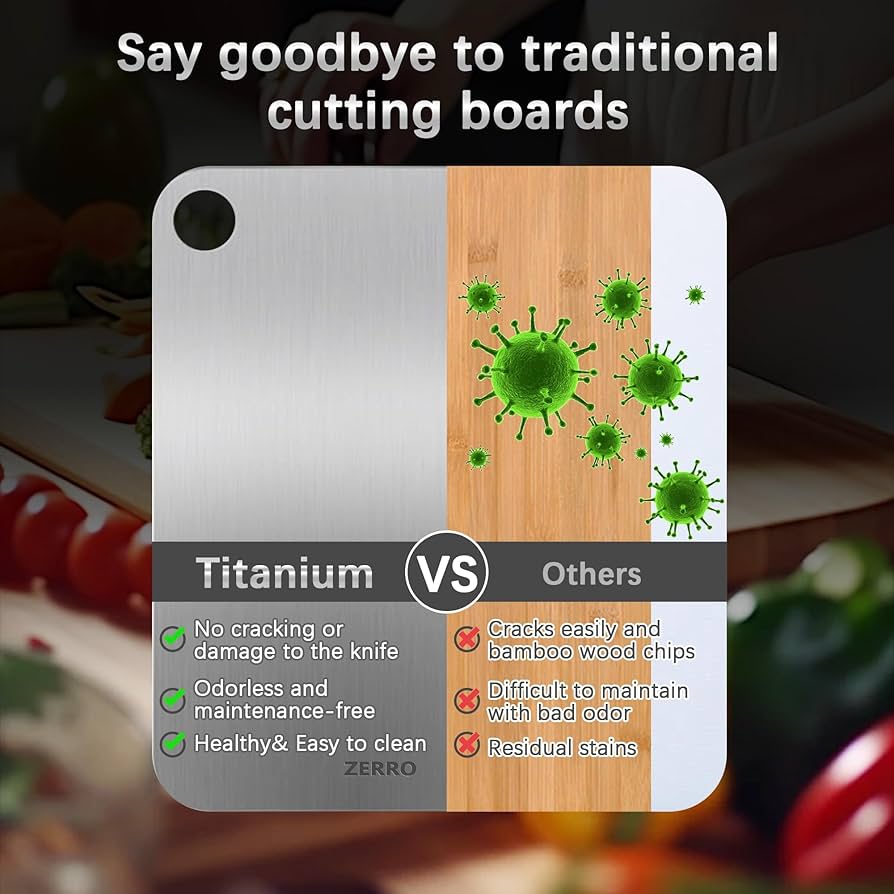
Boards must be clean to prevent bacteria growth. Some materials resist stains and odors better than others. Titanium boards offer good hygiene and resist germs well. Still, they can be tough on blades if used roughly. Choose a board that balances cleanliness with knife safety.
Budget And Longevity Factors
Price varies widely among cutting boards. Titanium boards often cost more but last longer. Cheaper boards may wear out quickly or damage knives. Think about how long you want the board to last. Investing in quality can save money on knife sharpening and replacements.
Credit: www.amazon.com
Frequently Asked Questions
What Are The Disadvantages Of A Titanium Chopping Board?
Titanium chopping boards can dull knives due to their hardness. They often weigh more and cost significantly higher. Some cheaper boards mimic titanium but damage blades.
Do Chefs Use Titanium Chopping Boards?
Some chefs use titanium chopping boards for their durability and hygiene. However, concerns exist about potential knife dulling and cost.
Is Titanium Good For Kitchen Knives?
Titanium kitchen knives resist corrosion and stay lightweight but may dull quickly due to softer edges. They suit casual use.
What Is The Best Chopping Board To Protect Knives?
The best chopping boards to protect knives are wooden or high-quality plastic boards. They are gentle, durable, and prevent blade dulling. Avoid metal or glass boards, which damage knives quickly. Choose boards with a smooth, non-porous surface for hygiene and knife care.
Conclusion
Titanium cutting boards can be durable and hygienic. They resist bacteria and stains well. High-quality titanium is harder on knives than wood but softer than steel. Cheap or low-grade boards may dull knives faster. Proper care and good knife technique reduce blade wear.
Choosing a trusted, real titanium board helps protect knives. Consider your cooking needs before deciding. Titanium boards offer unique benefits but are not perfect for all.