
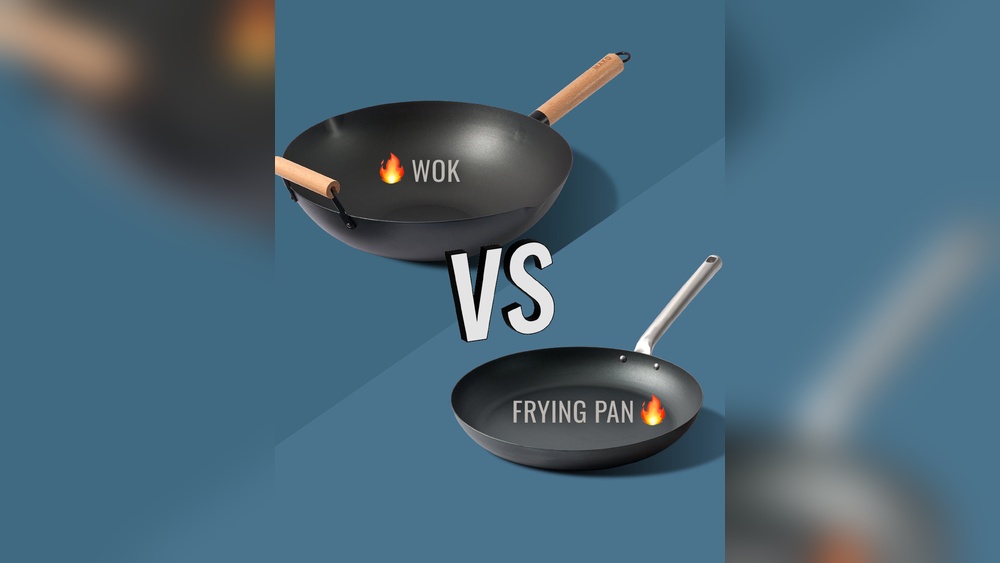
When it comes to cooking, the right pan can make all the difference. You might wonder, should you use a wok or a frying pan for your next meal?
Both are popular kitchen tools, but they are designed for different cooking styles and results. Understanding the difference between a wok and a frying pan will help you choose the best one for your cooking needs. Whether you want to stir-fry veggies quickly or sear a juicy steak evenly, knowing which pan suits your style can save time and improve your dishes.
Keep reading to discover how their shapes, heat distribution, and cooking methods set them apart—and find out which one should be your go-to for delicious meals every time.
Credit: www.blackmoorhome.co.uk
Wok Shape And Design
The shape and design of a wok set it apart from a frying pan. The wok’s unique form helps it cook food quickly and evenly. It suits fast cooking methods, especially with high heat. Understanding the wok’s shape explains why it works well for many dishes.
Its design allows for different heat levels in one pan. This helps cooks manage cooking times and flavors better. Each part of the wok plays a role in how food cooks.
Round Bottom And High Sides
A wok usually has a round bottom and very high, sloping sides. This shape lets heat gather at the bottom. The sides make it easy to toss food without spilling. It also helps food cook evenly by moving it up the cooler sides.
The frying pan has a flat bottom and lower, gently sloped sides. This design works well on flat stovetops and offers a large cooking area. It is better for frying and cooking foods that need even heat across the surface.
Heat Zones And Cooking Surface
The wok’s shape creates heat zones. The bottom is hottest for quick searing or frying. The sides are cooler, which lets you push cooked food out of the heat. This system allows multitasking while cooking one dish.
Frying pans provide a uniform heat surface. The flat bottom cooks food evenly all over. This is perfect for dishes that need steady heat and browning. Frying pans lack the temperature zones that a wok has.
Frying Pan Shape And Design
The shape and design of a frying pan play a key role in its cooking performance. Unlike a wok, a frying pan features a specific structure that suits various cooking styles. Its form focuses on simplicity and efficiency in everyday kitchen tasks.
Understanding the frying pan’s design helps you choose the right tool for your cooking needs. Its flat base and sidewalls create a unique cooking surface that affects heat and food movement.
Flat Bottom And Shallow Sides
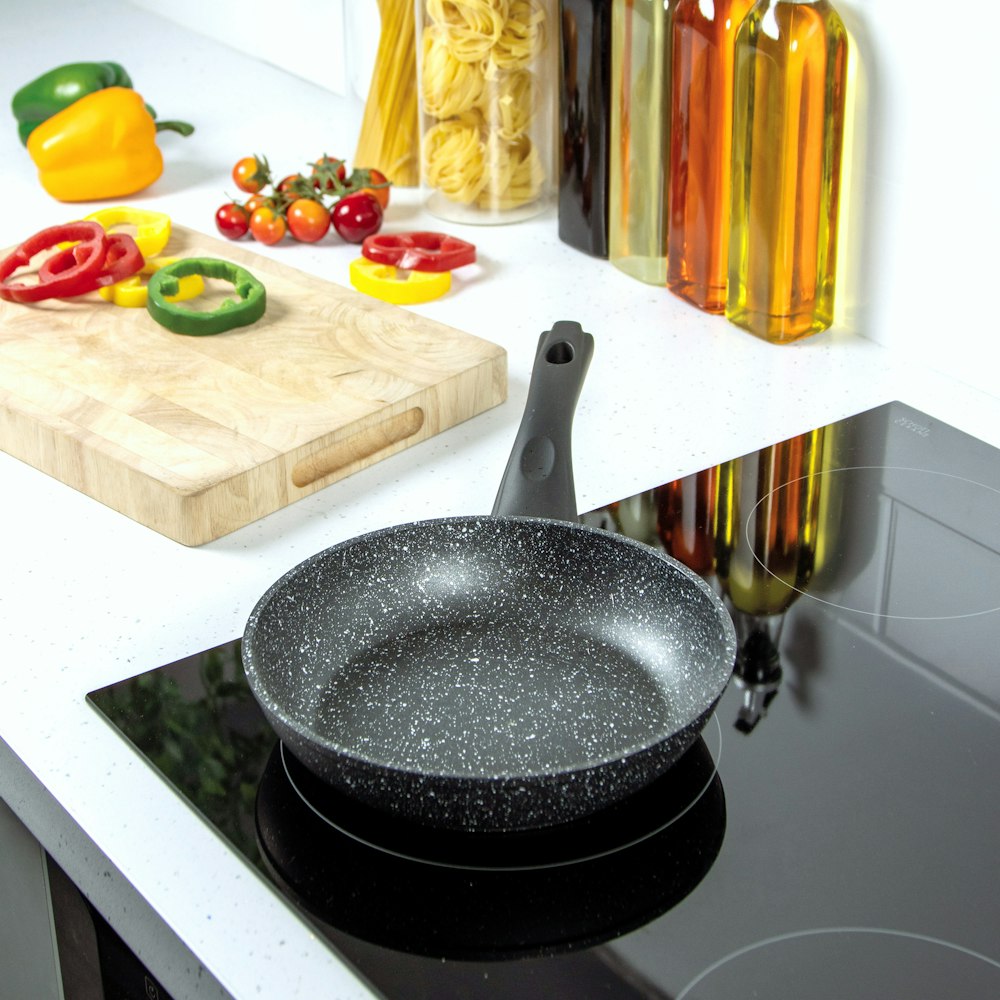
A frying pan has a flat bottom that rests evenly on the stove. This design ensures good contact with heat sources like gas or electric burners. The shallow sides make it easy to flip, stir, or remove food. They also help in reducing splatters and make the pan easier to clean. This shape suits frying, sautéing, and searing tasks well.
Even Heat Distribution
The frying pan’s flat base allows heat to spread evenly across the cooking surface. This even heat distribution prevents hot spots that can burn food. It helps cook food consistently and thoroughly. Many frying pans use materials like stainless steel or aluminum to enhance heat conduction. This design supports steady cooking at medium to high temperatures.
Cooking Techniques
Cooking techniques differ greatly between a wok and a frying pan because of their shapes and heat distribution. Each tool suits specific methods that bring out the best flavors and textures in food. Understanding these techniques helps in choosing the right pan for your dish.
Stir-frying With A Wok
A wok’s round bottom and tall, sloped sides make stirring food easy. High heat concentrates at the bottom, allowing quick cooking. Ingredients cook fast without steaming, keeping them crisp and fresh.
The shape also creates temperature zones. Hotter at the bottom, cooler near the sides. This lets you move food around to control cooking speed. Tossing ingredients prevents burning and mixes flavors evenly.
Searing And Sautéing With A Frying Pan
A frying pan has a flat bottom and low, gently sloped sides. It provides even heat across the surface. This makes it perfect for searing meat or sautéing vegetables.
Food cooks in direct contact with the pan, forming a brown crust that locks in juices. The wide surface helps spread ingredients out for uniform cooking. It’s ideal for slow, controlled heat and sauces.

Credit: www.youtube.com
Heat Requirements
Heat plays a crucial role in cooking with a wok or a frying pan. Each pan requires a different temperature level to perform best. Understanding these heat needs helps cook food perfectly and saves time. The design of the pan affects how heat is distributed and used during cooking.
High Heat For Wok Cooking
A wok needs very high heat to cook food quickly and evenly. The round bottom of the wok allows heat to concentrate at the base. This creates a hot spot perfect for stir-frying. The high heat helps sear ingredients fast, locking in flavors and moisture.
Cooking with high heat also allows the food to move quickly up the sides where it is cooler. This prevents burning and gives control over cooking speed. Using a gas stove or a strong burner works best to reach the wok’s heat needs.
Moderate Heat For Frying Pan
Frying pans work best with moderate, steady heat. Their flat bottom spreads heat evenly across the surface. This helps cook food uniformly without hot spots. Moderate heat is ideal for frying, sautéing, and simmering.
Lower heat prevents food from sticking or burning. It also allows sauces to thicken slowly and eggs to cook gently. Most home stoves provide enough heat for frying pans to work well. Adjust heat as needed to keep cooking smooth and controlled.
Best Uses And Dishes
Choosing between a wok and a frying pan depends on the dishes you want to prepare. Each pan excels in certain cooking methods. Understanding their best uses helps create flavorful meals with ease. Here is a breakdown of which pan suits different cooking styles and dishes.
Asian Stir-fries And Deep-frying
The wok shines in Asian stir-fry dishes. Its high, sloped sides allow tossing ingredients quickly over high heat. Food cooks evenly and retains crispness. The wok’s shape creates hot and cooler zones, perfect for adding ingredients step-by-step.
Deep-frying also works well in a wok. The deep bowl holds enough oil to submerge food. Its shape helps maintain consistent oil temperature. This results in crispy, golden dishes like tempura or spring rolls.
Searing, Sauces, And Everyday Cooking
The frying pan suits searing meats and vegetables. Its flat bottom provides even contact with the heat source. This creates a nice brown crust and seals in juices. Frying pans also work well for making sauces. The wide surface allows liquids to reduce quickly.
For everyday cooking tasks such as frying eggs or pancakes, the frying pan offers convenience. Its shallow sides make flipping and stirring easy. It fits well on most stovetops and is simple to clean.
Material And Construction
The material and construction of a wok and a frying pan greatly affect their cooking performance. Each tool is made with specific metals and designs that suit different cooking styles. Understanding these differences helps you choose the right pan for your kitchen tasks.
Carbon Steel And Cast Iron Woks
Most traditional woks are made from carbon steel or cast iron. Carbon steel heats up quickly and cools down fast. This allows for quick temperature changes during cooking. Cast iron woks hold heat longer and offer steady cooking heat. Both materials develop a natural nonstick surface over time with proper seasoning. Their round shape and thin walls help cook food evenly at high heat. These woks are lightweight or heavy, depending on the material. They are ideal for stir-frying and tossing ingredients.
Nonstick And Stainless Steel Pans
Frying pans usually come in nonstick or stainless steel varieties. Nonstick pans prevent food from sticking and require less oil. They are easy to clean but can wear out over time. Stainless steel pans are durable and resist scratching. They provide even heat distribution and work well for searing and browning. These pans have flat bottoms and lower sides for easy flipping and stirring. Their construction supports a wide range of cooking methods beyond stir-frying. They are lighter than cast iron but heavier than carbon steel woks.
Compatibility With Cooktops
Cooktop compatibility plays a key role in choosing between a wok and a frying pan. Not all cookware fits every stove type. The shape and base design of these pans affect how well they work on different cooktops. Understanding this can help you cook more efficiently and safely.
Wok Rings And Flat-bottom Woks
Traditional woks have a round bottom. This shape does not sit well on flat cooktops. Wok rings are often used to hold the wok steady on gas stoves. They keep the wok balanced and allow flames to reach the sides. On electric or induction cooktops, round-bottom woks may be unstable or inefficient.
Flat-bottom woks solve this problem. They have a wide, flat base that makes direct contact with flat cooktops. This design improves heat distribution and stability. Flat-bottom woks are more versatile across different stove types, including induction and electric.
Versatility Of Frying Pans
Frying pans have a flat bottom and low sides. This design fits perfectly on all cooktops. They provide even heat contact on electric, gas, and induction stoves. Frying pans heat up quickly and cook food evenly.
Because of their shape, frying pans work well on any heat source. They are easy to move and handle. This makes frying pans a popular choice for everyday cooking across various stove types.

Credit: prudentreviews.com
Cleaning And Maintenance
Cleaning and maintenance play a key role in the lifespan of your cookware. Both woks and frying pans need proper care to keep their performance and appearance. Understanding how to clean and maintain each helps avoid damage and extends usability. Each type of pan requires a slightly different approach due to its material and design.
Seasoning Woks
Seasoning a wok creates a natural nonstick surface. Start by washing it with hot water and a soft sponge. Avoid soap as it can remove the seasoning. Dry the wok completely to prevent rust. Apply a thin layer of oil all over the surface. Heat the wok on medium heat until it smokes slightly. Turn off the heat and let it cool. Repeat this process a few times before the first use. Proper seasoning improves the wok’s cooking quality.
Care For Nonstick Frying Pans
Nonstick frying pans need gentle cleaning to protect their coating. Use warm water with mild dish soap and a soft cloth or sponge. Never use abrasive scrubbers or steel wool. Avoid cooking sprays that may leave residue. Store the pan carefully to prevent scratches. Do not overheat empty pans as it can damage the nonstick layer. Proper care keeps your frying pan smooth and extends its life.
Choosing The Right Pan
Choosing the right pan impacts your cooking results and kitchen ease. Understanding the differences helps you pick the best option.
Each pan suits different cooking styles and kitchen setups. Knowing these factors guides your choice.
Consider Cooking Style And Recipes
Woks excel at quick, high-heat cooking like stir-frying and tossing ingredients. Their deep, sloped sides allow easy stirring without spills.
Frying pans work best for even cooking and browning. They suit recipes needing flat surfaces, like frying eggs or searing meat.
Think about your frequent recipes. Use a wok for Asian dishes and fast cooking. Choose a frying pan for sauces and one-pan meals.
Kitchen Space And Heat Source
Woks need more vertical space due to their height and shape. They fit better on gas stoves with open flames.
Frying pans are flatter and take less space. They work well on electric, induction, or gas cooktops.
Check your stove type and kitchen size. Pick the pan that fits comfortably and heats properly for best cooking.
Frequently Asked Questions
Should I Buy A Wok Or Frying Pan?
Choose a wok for high-heat, quick stir-frying and tossing. Pick a frying pan for even heating, searing, and sautéing.
What Is The Difference Between A Wok And A Stir-fry Pan?
A wok has a round bottom and high, sloped sides for high-heat, quick stir-frying. A stir-fry pan has a flat bottom and lower sides, offering more even heating and easier use on flat stoves. Woks excel in tossing; stir-fry pans suit searing and sautéing.
Is It Okay To Fry In A Wok?
Yes, frying in a wok is ideal due to its high, sloped sides and round bottom. It allows quick, even cooking at high heat. The wok’s shape helps toss ingredients efficiently and retains heat, making it perfect for stir-frying and deep-frying.
What Makes Cooking With A Wok Different?
Cooking with a wok differs by its round bottom and high, sloped sides, enabling quick, high-heat stir-frying and easy ingredient tossing. It creates temperature zones for versatile cooking and heats or cools rapidly, offering responsive control unmatched by flat pans.
Conclusion
Choosing between a wok and a frying pan depends on your cooking style. Woks heat quickly and handle high temperatures well. They work best for stir-frying and tossing food fast. Frying pans offer even heat and a flat surface. They suit searing, sautéing, and cooking delicate items like eggs.
Both tools serve unique purposes in the kitchen. Understanding their shapes and heat zones helps you cook better meals. Use a wok for quick, high-heat dishes. Pick a frying pan for steady, even cooking. Simple tools, different results.