

Have you ever wondered if you can make perfect pancakes in a cast iron skillet? If you love that crispy edge and fluffy inside but don’t have a non-stick pan, your cast iron skillet might be the secret weapon you’re missing.
You might think it’s tricky or messy, but once you learn a few simple tips, you’ll be flipping pancakes like a pro. Keep reading, because this guide will show you exactly how to use your cast iron skillet to make delicious, golden pancakes every time.
Your breakfast game is about to get a serious upgrade!
Benefits Of Using Cast Iron For Pancakes
Using a cast iron skillet for pancakes offers many benefits. It makes cooking easier and improves pancake quality. The skillet’s unique features help create tasty, well-cooked pancakes every time.
Even Heat Distribution
Cast iron skillets heat evenly across their surface. This prevents hot spots that burn pancakes. Each pancake cooks at the same temperature. You get consistent color and texture on every batch. No more uneven cooking or raw centers.
Non-stick Qualities
With proper seasoning, cast iron becomes naturally non-stick. Pancakes slide off easily without sticking. Less oil or butter is needed to cook. Cleanup is simpler since food does not cling. The skillet improves with each use as seasoning builds up.
Durability And Longevity
Cast iron skillets last for decades, even generations. They resist warping and damage from heat. The skillet can handle high temperatures without cracking. Proper care keeps it rust-free and smooth. It is a kitchen tool that stays useful for years.
Choosing The Right Cast Iron Skillet
Choosing the right cast iron skillet is key for perfect pancakes. The right skillet heats evenly and holds heat well. It should be easy to handle and fit your cooking style. This section helps you pick the best skillet for your pancake needs.
Size Considerations
Skillet size affects how many pancakes you can cook at once. A 10 to 12-inch skillet is ideal for most kitchens. Smaller skillets work well for one or two pancakes. Larger skillets allow cooking more pancakes at the same time. Choose a size that fits your stove and storage space.
Pre-seasoned Vs. Unseasoned
Pre-seasoned skillets come ready to use right away. They have a non-stick surface from factory seasoning. Unseasoned skillets need seasoning before cooking. Seasoning builds a natural non-stick layer over time. Beginners may prefer pre-seasoned for convenience and ease.
Handle And Weight Factors
Cast iron skillets are heavy, but handle design helps a lot. Look for a skillet with a comfortable, sturdy handle. Some have helper handles for easier lifting. Weight matters if you cook often or have limited arm strength. Choose a skillet that feels balanced and easy to move.
Preparing Your Skillet For Pancakes
Preparing your cast iron skillet before making pancakes is very important. It helps the pancakes cook evenly and prevents sticking. A well-prepared skillet gives you fluffy pancakes with a golden crust. Follow these simple steps to get your skillet ready.
Seasoning Tips
Seasoning your cast iron skillet creates a natural non-stick surface. Use a thin layer of vegetable oil or flaxseed oil. Spread oil all over the skillet, inside and out. Bake the skillet upside down in the oven at 375°F for one hour. Let it cool completely before use. Repeat this process to build a strong seasoning layer.
Proper Cleaning Before Cooking
Clean your skillet properly before cooking pancakes. Use warm water and a soft brush or sponge. Avoid soap or harsh detergents that can strip the seasoning. Dry the skillet thoroughly with a cloth or by heating it on the stove. A dry skillet helps oil stick better and prevents rust.
Oiling Techniques
Apply a small amount of oil before cooking pancakes. Use a paper towel to spread the oil evenly. Make sure to coat the entire cooking surface. Too much oil can cause uneven cooking and greasy pancakes. Heat the skillet over medium heat to warm the oil before pouring the batter.
Credit: fieldcompany.com
Pancake Batter Tips For Cast Iron
Cooking pancakes in a cast iron skillet needs special attention to the batter. The right batter helps pancakes cook evenly and taste great. Small changes in the batter can make a big difference in the final pancake texture and flavor. Follow these tips to get your pancake batter just right for cast iron cooking.
Consistency And Thickness
The batter should be thick but pourable. Too thin batter spreads too much in the skillet. Thick batter holds shape and cooks evenly. Aim for a smooth batter that falls slowly off the spoon. This thickness helps pancakes stay fluffy and cook without burning.
Ingredient Adjustments
Use a bit more fat like butter or oil than usual. Cast iron absorbs some fat, so extra helps pancakes release easily. Add a little extra milk to keep batter moist. Avoid too much sugar as it can burn on the hot pan. Simple ingredient tweaks improve pancake texture and prevent sticking.
Batter Resting Time
Let the batter rest for 5 to 10 minutes before cooking. Resting allows the flour to absorb the liquid fully. This makes the batter smoother and pancakes fluffier. Rest time also reduces bubbles in the batter, giving even pancakes. Patience here leads to better pancakes in your cast iron skillet.
Cooking Pancakes Step-by-step
Cooking pancakes in a cast iron skillet is simple and rewarding. Follow these clear steps for perfect pancakes every time. This guide helps you get the best texture and color using your skillet.
Each step is important to ensure your pancakes cook evenly and taste great. Pay attention to the skillet’s heat and the batter’s behavior. Let’s start with heating the skillet.
Heating The Skillet
Place the cast iron skillet on medium heat. Let it warm for about 3 to 5 minutes. Check if it is hot by sprinkling a few drops of water. If the drops dance and evaporate, the skillet is ready. Avoid overheating, which can burn the pancakes.
Pouring The Batter
Use a ladle or measuring cup to pour the batter into the skillet. Pour slowly to form round pancakes. Keep space between each pancake to allow room for flipping. Do not press down on the batter. Let it spread naturally.
When To Flip
Watch for bubbles on the surface of the pancake. When bubbles form and edges look dry, it’s time to flip. Use a thin spatula to lift the edge gently. Flip the pancake carefully to avoid splashing batter. Cook the other side for 1 to 2 minutes.
Achieving Even Browning
Keep the heat steady and medium-low for even cooking. Avoid moving the pancakes too much. Let them sit to develop a golden-brown color. If the skillet is too hot, pancakes will burn on one side. Adjust heat as needed to get a perfect brown.
Common Challenges And Fixes
Making pancakes in a cast iron skillet can be rewarding. Yet, some common challenges may appear during cooking. Knowing these issues helps you fix them fast. This way, your pancakes turn out perfect every time.
Sticking Issues
Sticking is a common problem with cast iron skillets. It happens if the skillet is not well-seasoned or too cold. Heat the skillet first and add some oil or butter. Use a spatula gently to flip pancakes. Proper seasoning creates a natural non-stick surface.
Uneven Cooking
Uneven cooking can cause pancakes to burn or stay raw inside. Cast iron holds heat well but may have hot spots. Preheat the skillet on low to medium heat. Move the skillet slightly while cooking to spread the heat. Pour batter evenly and watch the cooking closely.
Cleaning Stubborn Residue
Cleaning cast iron after pancakes can be tricky. Avoid soap and harsh scrubbers that remove seasoning. Use warm water and a soft brush or sponge. For stuck bits, sprinkle coarse salt and scrub gently. Dry the skillet well and apply a light oil layer to protect it.
Maintaining Your Cast Iron Skillet
Maintaining your cast iron skillet is key for making perfect pancakes every time. A well-cared skillet stays smooth and non-stick. It lasts for years. Proper care keeps its seasoning strong and prevents rust. Follow simple steps after cooking to keep your skillet ready for the next use.
Post-cooking Cleaning
Clean the skillet while it is still warm. Use hot water and a soft brush or sponge. Avoid soap or harsh detergents. They can remove the seasoning. For stuck-on food, scrub with coarse salt and a paper towel. Rinse well and dry completely with a towel. Never soak the skillet in water.
Re-seasoning Tips
Apply a thin layer of cooking oil after cleaning. Use vegetable oil or flaxseed oil. Heat the skillet on the stove or in the oven for 10 minutes. This step helps keep the surface smooth and non-stick. Regular re-seasoning builds a strong protective layer. It also prevents rust and keeps pancakes cooking evenly.
Storage Advice
Store your cast iron skillet in a dry place. Avoid stacking it with other pots or pans. Place a paper towel inside the skillet to absorb moisture. This stops rust from forming. Store the lid separately or slightly open to allow air flow. Proper storage keeps your skillet ready and in great shape.

Credit: thepancakedoc.com
Creative Pancake Variations In Cast Iron
Cooking pancakes in a cast iron skillet offers a chance to try many fun variations. The skillet’s even heat helps create pancakes with a perfect golden crust. You can easily mix in different ingredients to suit your taste. Let’s explore some creative ideas to make your pancakes special and tasty.
Using a cast iron skillet means pancakes cook evenly and hold their shape well. This lets you add fruits, nuts, or even savory items without worry. Changing the flour type also gives a new twist to the classic pancake. These ideas keep breakfast exciting and fresh every time.
Adding Fruits And Nuts
Fresh fruits add sweetness and moisture to pancakes. Blueberries, sliced bananas, or strawberries work great. Toss in chopped nuts like walnuts or pecans for a nice crunch. Adding these to the batter or sprinkling on top before flipping is easy. Cast iron skillets handle these additions without sticking or burning.
Savory Pancake Ideas
Not all pancakes must be sweet. Try adding cooked bacon, cheese, or herbs into the batter. Chopped green onions or grated zucchini give a fresh flavor. These savory pancakes pair well with eggs or a light salad. The skillet cooks them evenly, keeping the texture just right.
Using Different Flours
Wheat flour is common, but other flours bring unique tastes and textures. Try oat flour for a nutty flavor. Buckwheat flour adds earthiness and works well with savory toppings. Gluten-free flours like almond or rice flour suit special diets. Cast iron skillets cook these flours gently, keeping pancakes soft inside.

Credit: hugsandcookiesxoxo.com
Frequently Asked Questions
Can You Cook Pancakes Evenly In A Cast Iron Skillet?
Yes, cast iron skillets provide even heat distribution, which helps cook pancakes uniformly. Preheat the skillet well and use medium heat for best results.
Do Cast Iron Skillets Require Special Care After Making Pancakes?
After cooking, clean your cast iron skillet with warm water and a brush. Avoid soap and drying immediately to maintain seasoning and prevent rust.
Is A Cast Iron Skillet Better Than A Non-stick Pan?
Cast iron skillets offer superior heat retention and durability. They develop a natural non-stick surface with seasoning, making them ideal for pancakes over time.
How Do You Prevent Pancakes From Sticking In Cast Iron?
Ensure your skillet is well-seasoned and preheated. Lightly grease with oil or butter before pouring batter to prevent sticking and achieve golden pancakes.
Conclusion
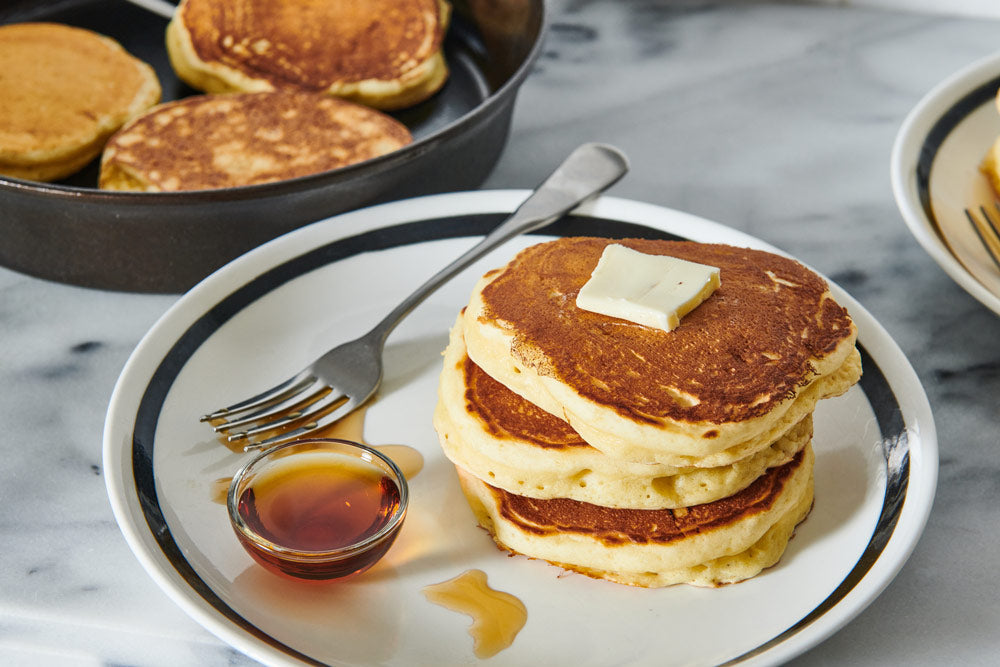
Cooking pancakes in a cast iron skillet works very well. The skillet keeps heat steady and cooks pancakes evenly. It also gives a nice, golden crust. Just be sure to preheat it and use some oil or butter. Cleaning and caring for the skillet helps it last longer.
Pancakes made this way taste great and feel homemade. A simple tool, great results. Try it next time you cook breakfast. You might enjoy the process and the flavor.