

Have you ever wondered if you can make a rich, bold espresso using your regular coffee maker? If you love that strong coffee kick but don’t have an espresso machine at home, you’re probably asking yourself if your everyday drip coffee maker can deliver that intense espresso experience.
The truth is, while a regular coffee maker isn’t designed to make true espresso, there are clever ways you can get surprisingly close to that espresso flavor and strength. Stick with me, and you’ll discover simple tricks and tips that can transform your morning brew and satisfy your espresso cravings without needing expensive equipment.
Ready to become your own barista? Let’s dive in!
Espresso Vs Regular Coffee
Espresso and regular coffee differ in taste, texture, and brewing methods. Both start with coffee beans but create unique experiences. Understanding these differences helps explain why making espresso in a regular coffee maker is tricky.
Espresso is strong and rich with a creamy layer called crema on top. Regular coffee is lighter and usually larger in volume. Each style suits different preferences and occasions.
Key Differences
Espresso uses a small amount of water and coffee. It produces a concentrated shot of coffee. Regular coffee uses more water and coffee grounds. It results in a milder, larger cup of coffee. The brewing time for espresso is very short. Regular coffee takes longer to brew.
Role Of Pressure
Pressure is critical for making espresso. An espresso machine forces hot water through coffee grounds at high pressure. This extracts intense flavor and creates crema. Regular coffee makers use gravity, not pressure. Water drips through grounds slowly without force. This difference affects taste and texture greatly.
Grind Size Impact
Espresso requires very fine coffee grounds. Fine grounds increase surface area for quick extraction. Regular coffee uses medium to coarse grounds. Coarser grounds work well with slower water flow. Using espresso grind in a regular coffee maker can cause over-extraction or clogging. Using regular grind for espresso results in weak coffee.
Limitations Of Regular Coffee Makers
Regular coffee makers cannot replicate the true espresso experience. They lack some key features that espresso machines have. These missing elements limit the quality and taste of the coffee made in regular machines.
Lack Of Pressure
Espresso machines force water through coffee grounds at high pressure. This pressure is around 9 bars or more. Regular coffee makers work with gravity, not pressure. Without strong pressure, coffee extraction is weak. The result is a less rich and less creamy coffee.
Brewing Temperature Variations
Espresso requires water at a precise temperature, around 90-96°C (194-205°F). Regular coffee makers often have fluctuating temperatures. This inconsistency affects coffee flavor and extraction quality. Too hot or too cold water can make the coffee taste bitter or sour.
Extraction Challenges
Espresso needs a fast, even extraction to develop its unique taste. Regular coffee makers brew slowly and unevenly. The coffee grounds stay wet for longer, causing over-extraction or under-extraction. This leads to weak or harsh flavors that do not match true espresso.
Using Espresso Beans In Coffee Makers
Using espresso beans in a regular coffee maker is a common question among coffee lovers. Espresso beans are roasted differently and designed for espresso machines. Understanding how these beans work in a drip coffee maker helps set expectations for taste and brewing.
Below, we explore the possibility and effects of using espresso beans in standard coffee makers.
Can You Use Espresso Beans?
Yes, you can use espresso beans in a regular coffee maker. These beans are simply coffee beans roasted darker. They are not limited to espresso machines only. Grinding espresso beans coarser helps them fit drip machines better. Fine grinding may cause clogging or bitter flavors.
Effects On Flavor
Espresso beans produce a stronger and more robust flavor. The coffee will taste bolder than regular drip coffee. The dark roast may give a slightly bitter or smoky note. Expect less crema and body compared to true espresso. The taste depends on grind size and brew time too.
Potential Equipment Issues
Using espresso beans in a drip coffee maker can cause issues. Fine grounds may block water flow and slow brewing. This can strain the coffee maker’s pump and filter. Coarser grind settings reduce this risk. Regular cleaning prevents buildup from darker, oily beans.
Techniques To Mimic Espresso At Home
Many coffee lovers want that rich, strong espresso taste but lack an espresso machine. Luckily, some techniques help mimic espresso at home. These methods focus on extracting bold flavors using common tools. Each approach offers a different way to enjoy espresso-like coffee. Below are simple, effective ways to get closer to espresso without specialized equipment.
Moka Pot Method
The moka pot brews coffee by forcing hot water through finely ground coffee. It creates a strong, concentrated brew similar to espresso. Fill the bottom chamber with water just below the valve. Add finely ground coffee into the filter basket without packing it. Screw the top and bottom parts tightly and place the pot on medium heat. Steam pressure pushes water up through the grounds, extracting bold flavors. The moka pot produces rich coffee with a thick body and crema-like foam.
Aeropress Approach
The Aeropress uses air pressure to extract coffee quickly and intensely. Add finely ground coffee and hot water into the chamber. Stir gently and insert the plunger to press the coffee through a filter. This method produces a strong, smooth brew with espresso-like qualities. Adjust grind size and water amount to control strength. The Aeropress is portable and easy to clean, making it a popular choice for espresso-style coffee at home.
Adjusting Coffee Maker Settings
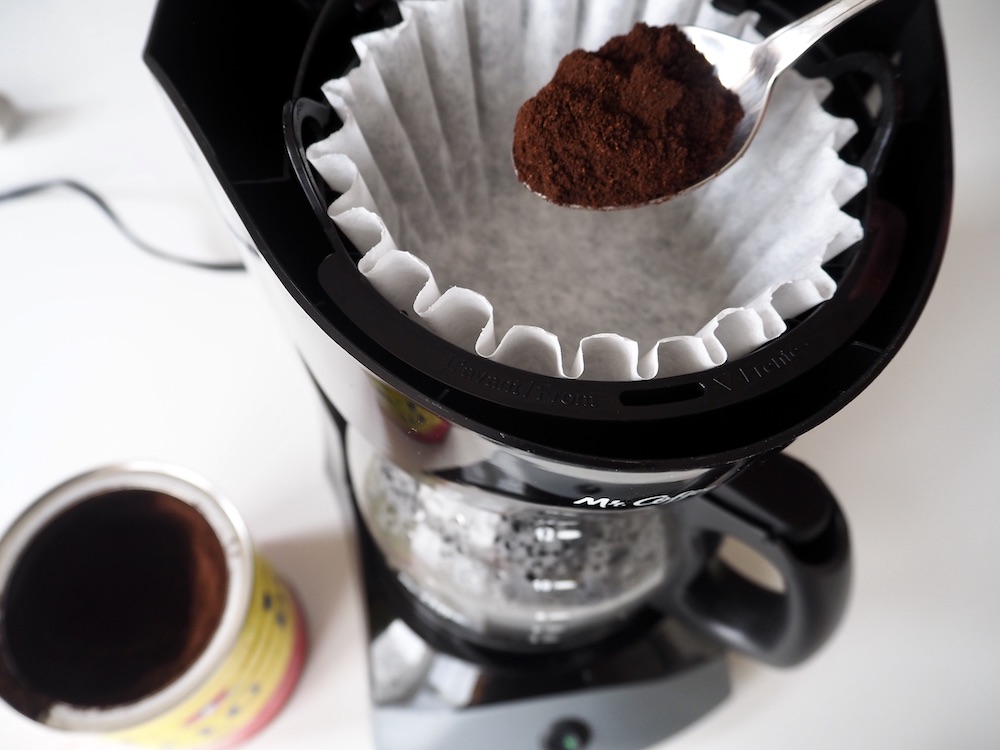
Regular coffee makers do not build enough pressure for true espresso. Still, some settings help make coffee stronger. Use a fine grind to increase extraction. Reduce water volume to concentrate flavors. Shorten brew time to avoid bitterness. Some machines offer a “strong brew” option that extracts more flavor. Pre-warming the coffee pot and using hot water speeds up brewing. These tweaks enhance strength but cannot fully replicate espresso pressure or crema.
Tips For Better Espresso-like Coffee
Creating espresso-like coffee in a regular coffee maker needs some adjustments. These tips help improve flavor and richness. Small changes make a big difference in your coffee experience.
Focus on grind size, water-to-coffee ratios, and brewing time. Each factor impacts taste and strength. Follow these simple guidelines to get closer to real espresso at home.
Grind Size Recommendations
Use a fine grind, but not too powdery. Espresso requires a grind finer than drip coffee but coarser than espresso machine grind. A medium-fine grind helps water flow evenly and extracts more flavor. Avoid coarse grounds as they produce weak coffee.
Water-to-coffee Ratios
Use less water than usual to concentrate the coffee. A good starting point is one to two tablespoons of coffee per three ounces of water. Adjust the amount based on taste. Too much water makes it watery, too little makes it bitter.
Brewing Time Adjustments
Shorten the brewing time compared to regular drip coffee. Aim for about two to three minutes of brewing. Longer brewing pulls more bitterness and reduces the espresso-like quality. Watch the coffee flow and stop when it looks strong and rich.

Credit: majestycoffee.com
Common Myths And Misconceptions
Many people believe that making espresso requires special equipment and specific beans. These common myths create confusion about using regular coffee makers for espresso. Understanding the truth helps in making better coffee choices at home. Let’s clear up some of these misconceptions.
Espresso Requires Expensive Machines
People often think espresso needs costly machines. Real espresso machines force water through coffee at high pressure. Regular coffee makers cannot create this pressure. This changes the coffee’s strength and flavor. But you can still make a strong, espresso-like coffee with simpler tools. It won’t be classic espresso, but it can taste rich and satisfying.
Any Coffee Beans Work Equally
Not all coffee beans suit espresso. Beans roasted for espresso have a darker roast. This roast brings out bold flavors and reduces acidity. Using light or medium roast beans in espresso style coffee can taste weak or sour. Choosing beans labeled for espresso or dark roast improves the flavor in your cup.
Espresso Grind Is Always Best
Espresso grind is very fine, almost like powder. This grind suits espresso machines that use pressure to extract flavor. Regular coffee makers need a coarser grind. Too fine a grind can clog the filter or cause bitter taste. Adjusting grind size based on your coffee maker helps brew better coffee.
When To Invest In An Espresso Machine
Deciding when to invest in a dedicated espresso machine depends on your coffee habits and taste preferences. Regular coffee makers cannot replicate the pressure needed for true espresso. Over time, you might crave richer flavor and crema that only an espresso machine can provide. Knowing the right moment to upgrade helps you enjoy your coffee experience fully.
Signs You Need A Real Espresso Maker
You want stronger coffee with a thicker texture. You enjoy drinks like lattes or cappuccinos. You find your regular coffee maker lacks the pressure to extract espresso. You want consistent espresso shots every time. You appreciate the aroma and crema that only real espresso offers.
Budget-friendly Options
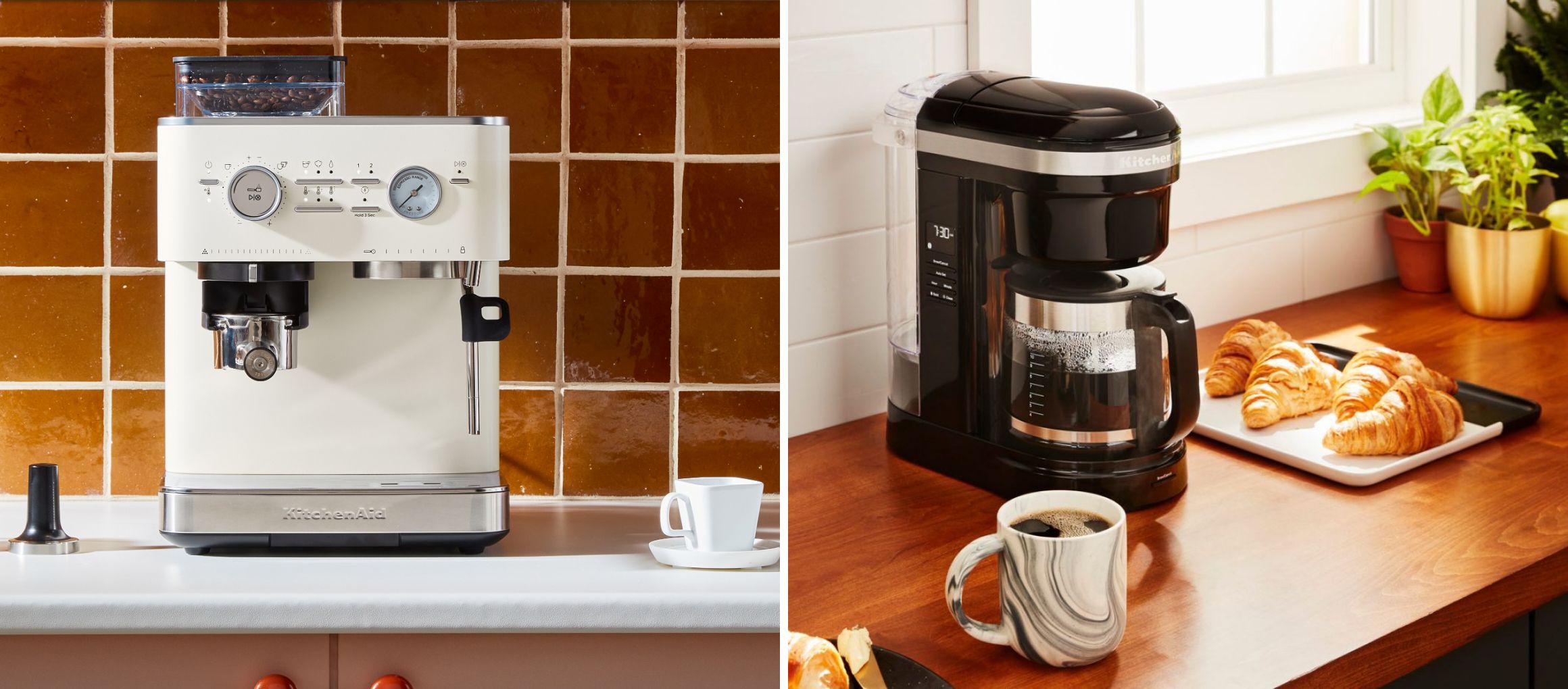
Not all espresso machines cost a fortune. Manual and semi-automatic machines offer good quality at lower prices. Some models have simple controls and compact designs. Look for machines with positive reviews for beginners. These options provide better espresso than regular coffee makers without overspending.
Benefits Of Professional Machines
Professional machines create high pressure for perfect extraction. They deliver richer flavor and thicker crema. These machines allow precise control of temperature and pressure. They last longer and have durable parts. Investing in a professional machine enhances your coffee experience greatly.
Credit: cornercoffeestore.com
Credit: www.kitchenaid.com
Frequently Asked Questions
Can I Make Espresso Without An Espresso Machine?
Yes, you can make espresso without a machine using a moka pot or Aeropress. These methods force hot water through coffee grounds. They produce a strong, concentrated coffee similar to espresso. While not identical, they offer a great homemade espresso alternative without expensive equipment.
What Happens When You Put Espresso In A Coffee Maker?
Putting espresso grounds in a regular coffee maker results in weak, under-extracted coffee. The machine lacks pressure to brew true espresso. This causes poor flavor and possible clogging. For authentic espresso, use an espresso machine or stovetop moka pot instead.
Do You Need A Special Coffee Maker To Make Espresso?
You need a special espresso machine to achieve proper pressure and crema. Regular coffee makers can’t replicate true espresso but can brew similar strong coffee. Alternative methods like moka pots or Aeropress also create espresso-like drinks without specialized machines.
Can I Use Normal Coffee To Make Espresso?
You can use regular coffee grounds in an espresso machine, but espresso grind delivers better taste and crema. Normal coffee won’t produce true espresso.
Conclusion
Making true espresso requires high pressure, which regular coffee makers lack. Still, you can brew strong, espresso-like coffee at home. Using fine grounds and less water helps increase flavor intensity. Stovetop moka pots or Aeropress devices offer better espresso alternatives.
Experiment with grind size and brew time for best results. Regular coffee makers work well for drip coffee, not authentic espresso. Enjoy your coffee adventure and find the method that suits you best.