

Have you ever wondered if you can use espresso beans to brew your regular cup of coffee? Maybe you’ve spotted a bag labeled “espresso beans” at your local Austin coffee shop and thought, “Are these any different from my usual coffee beans?” The truth might surprise you.
Understanding the difference between espresso beans and regular coffee beans can change how you enjoy your daily brew. Stick with me, and you’ll discover whether those espresso beans can give your coffee that extra kick or if you should stick to the classics.
Ready to unlock the secret? Let’s dive in.

Credit: www.youtube.com
Espresso Beans Vs Coffee Beans
Espresso beans and regular coffee beans often confuse many coffee lovers. The truth is, they are the same beans. The difference lies in how they are roasted, ground, and brewed. Understanding these differences helps you enjoy your coffee the way you like it.
Bean Types
Espresso beans use the same types as regular coffee beans. Arabica and Robusta are common choices for both. The bean itself does not change between espresso and regular coffee.
Roast Levels
Espresso beans usually have a darker roast. This creates a strong, rich flavor that works well with espresso machines. Regular coffee beans are often roasted lighter or medium for a softer taste.
Grind Size
Espresso requires a very fine grind. This allows water to pass through quickly under high pressure. Regular coffee uses a coarser grind, suited for drip or French press brewing methods.
Brewing Methods
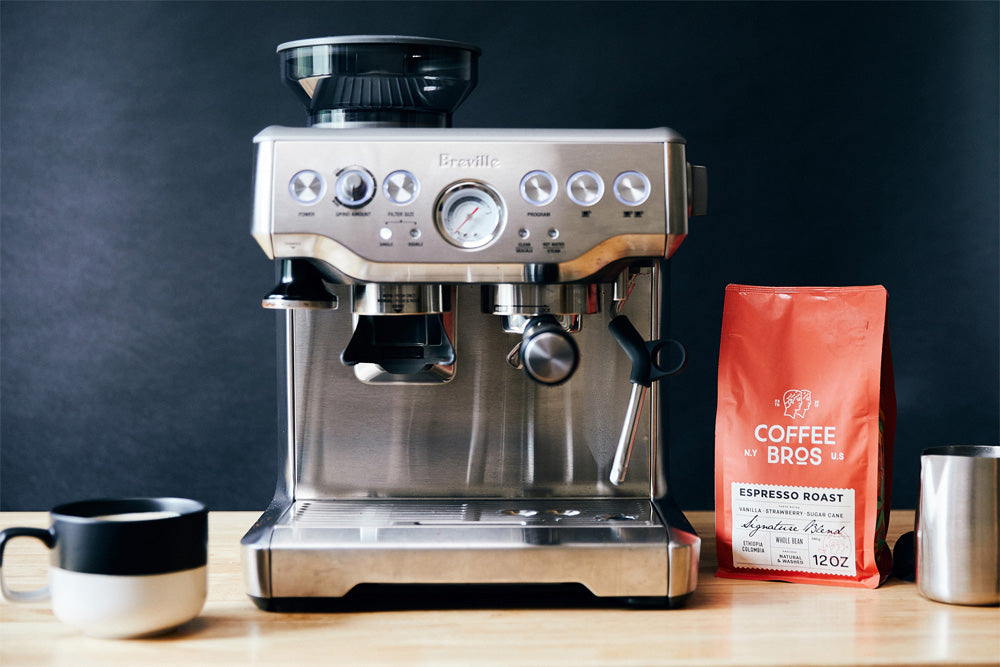
Espresso beans are brewed with an espresso machine. It forces hot water through finely ground beans at high pressure. Regular coffee beans suit drip coffee makers, pour-over, or French press, using lower pressure and longer brew times.
Flavor Profiles
Espresso has a bold, intense, and full-bodied flavor. The dark roast and quick brewing bring out deep notes. Regular coffee tastes milder and cleaner, highlighting the beans’ natural flavors more gently.
Credit: coffeebros.com
Using Espresso Beans For Regular Coffee
Espresso beans can be used to make regular coffee. They are just coffee beans roasted darker. The main difference is how you grind and brew them. Adjusting these can create a great cup of coffee from espresso beans.
Understanding how to use espresso beans for different brewing methods helps improve taste. Small changes make a big difference in your coffee experience.
Adjusting Grind Size
Espresso beans are usually ground very fine. For regular coffee, grind size should be coarser. A medium grind works well for drip machines or pour-over. This prevents over-extraction and bitterness.
Using the right grind size allows water to flow properly. It brings out balanced flavors and smoothness in your cup.
Brewing Techniques
Espresso beans suit several brewing methods beyond espresso machines. Try drip coffee makers, pour-over, or French press. Each method needs a different grind size and brewing time.
For drip coffee, use a medium grind and about 4-5 minutes brewing time. For French press, use a coarse grind and steep for 4 minutes. Adjust water temperature around 195-205°F for best results.
Flavor Expectations
Espresso beans have a bold, rich flavor. Using them for regular coffee gives a stronger taste than usual beans. Expect deeper, roasted notes and less acidity.
The flavor can be intense but smooth if brewed correctly. It suits those who enjoy a fuller-bodied coffee cup with complex flavors.
Can Regular Coffee Beans Make Espresso
Many coffee lovers wonder if regular coffee beans can make espresso. The simple answer is yes, you can use regular coffee beans to make espresso. The key lies in how you roast and grind the beans. These factors change the flavor and quality of the espresso shot.
Roast Considerations
Espresso usually calls for a darker roast. This brings out a bold and rich flavor. Regular coffee beans often have lighter or medium roasts. Using a lighter roast can make the espresso taste sour or weak. For the best espresso, choose beans with a dark roast or roast your own beans darker.
Grind Adjustments
The grind size is very important for espresso. Espresso machines need a very fine grind. Regular coffee beans are often ground coarser for drip or French press coffee. To use regular beans for espresso, grind them finely. A fine grind helps create the pressure needed for a good espresso shot.
Taste Differences
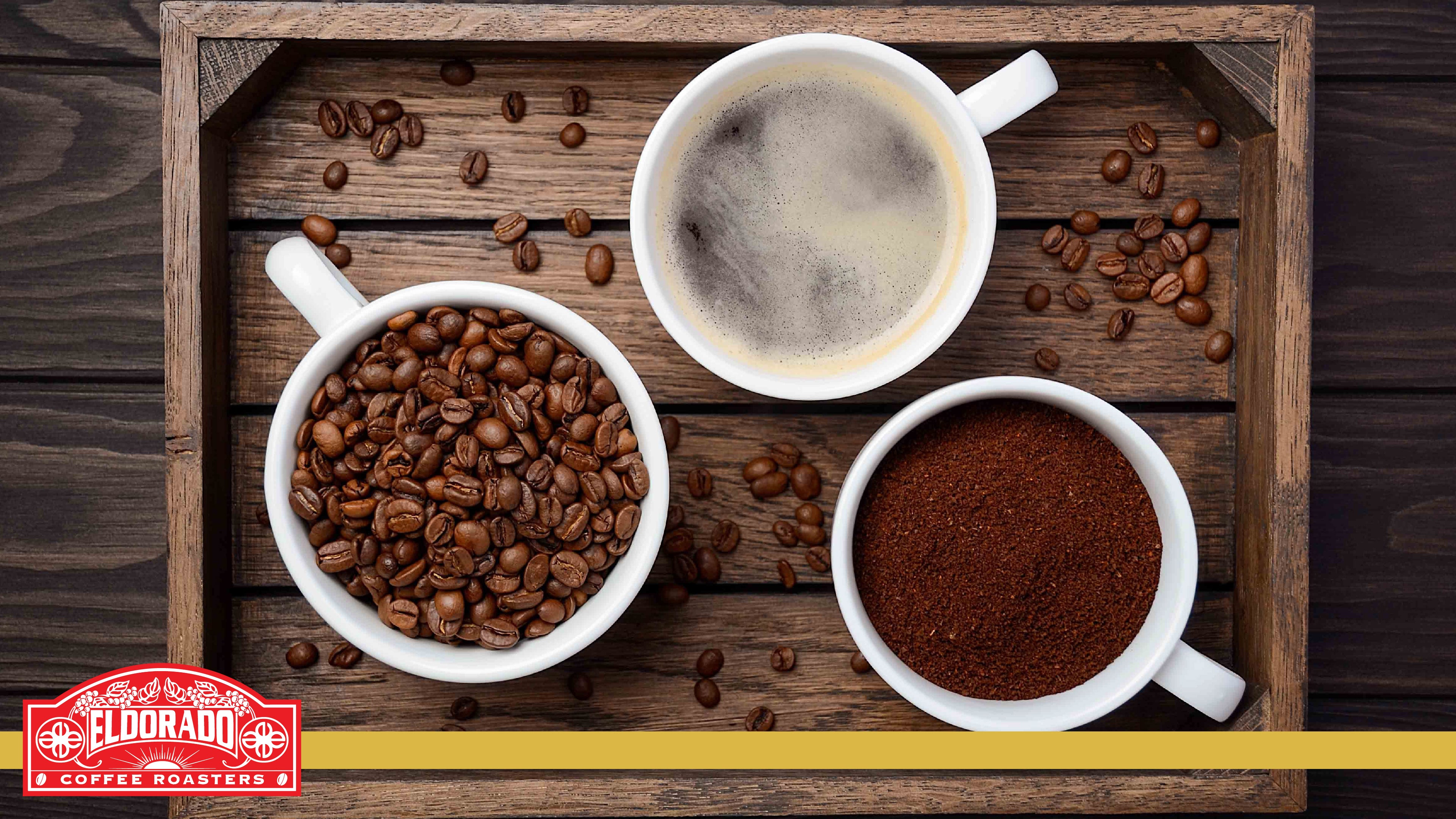
Espresso made from regular beans may taste different from espresso beans. Lighter roasted beans give a brighter and fruitier flavor. Dark roasted beans give a stronger, more bitter taste. The taste also changes based on grind size and brewing time. Experimenting helps find the flavor you like best.
Credit: eldoradocoffee.com
Choosing Beans For Your Brew
Choosing the right beans is important for a great coffee experience. Beans affect taste, aroma, and strength. Knowing what to select helps you enjoy every cup.
Espresso beans are often darker roasted but still come from the same coffee plants. Your choice depends on your taste and brewing method.
Personal Flavor Preferences
Your taste matters most when picking beans. Some like bold, rich flavors. Others prefer light, fruity notes. Espresso beans usually offer a stronger, more intense taste. Regular coffee beans can be milder and brighter. Think about what flavors you enjoy daily.
Bean Origin Impact
Beans from different regions taste different. African beans tend to have fruity and floral notes. South American beans often taste nutty and chocolatey. Asian beans can be earthy and spicy. The origin changes the flavor profile. Choose origin based on the taste you want in your cup.
Freshness And Storage
Fresh beans give the best flavor. Coffee starts losing taste soon after roasting. Store beans in an airtight container. Keep them away from light, heat, and moisture. Grind beans just before brewing. This keeps your coffee fresh and delicious every time.
Common Myths About Espresso Beans
Many people believe espresso beans are a special type of coffee bean. This idea leads to confusion about their use. Understanding common myths helps clarify if espresso beans can be used for regular coffee brewing. Let’s explore some popular misconceptions about espresso beans.
Espresso Beans As A Unique Variety
Espresso beans are not a unique variety of coffee beans. They are the same beans used for regular coffee, like Arabica or Robusta. The difference lies in how they are roasted and ground, not the bean itself. Any coffee bean can be used for espresso if prepared correctly.
Roast Intensity Misconceptions
Many think espresso beans are always dark roasted. While espresso often uses darker roasts for bold flavor, beans can be light or medium roasted too. Roast level depends on taste preference and brewing method. Dark roast is common but not mandatory for espresso.
Caffeine Content Differences
There is a myth that espresso beans have more caffeine than regular coffee beans. Actually, caffeine content depends on the bean type and roast level. Dark roast beans lose some caffeine during roasting. Espresso shots have less volume but can taste stronger, creating confusion about caffeine.
Expert Tips For Brewing With Espresso Beans
Brewing with espresso beans can bring a rich and bold flavor to your coffee. Understanding how to handle these beans ensures a smooth and tasty cup. Follow these expert tips to get the best from your espresso beans, whether using an espresso machine or other brewing methods.
Grinding Recommendations
Grind espresso beans very finely for the best extraction. The fine grind size increases surface area and allows water to pass through slowly. Avoid grinding too coarse; it results in weak, under-extracted coffee. Use a burr grinder for consistent particle size. Adjust grind settings based on your brewing method and taste preferences.
Water Temperature And Pressure
Maintain water temperature between 90°C and 96°C (194°F to 205°F). This range extracts flavors without burning the coffee. Use pressure around 9 bars for espresso machines. Proper pressure forces water through the coffee evenly. Lower pressure can cause sour, weak coffee. Higher pressure may produce bitter flavors.
Machine Settings
Set your espresso machine to match your beans and grind size. Adjust shot time to about 25 to 30 seconds for a balanced extraction. Monitor flow rate to avoid over or under-extraction. Keep your machine clean to prevent old coffee oils from affecting taste. Experiment with settings to find what suits your flavor best.
Frequently Asked Questions
Is There A Difference Between Espresso Beans And Regular Coffee Beans?
Espresso beans are the same as regular coffee beans but roasted darker and ground finer. They suit espresso machines, creating a bolder flavor. Regular coffee beans usually have a lighter roast and coarser grind for methods like drip or French press.
Is 2 Shots Of Espresso The Same As A Cup Of Coffee?
Two shots of espresso contain less volume but more caffeine than a regular cup of coffee. They differ in flavor and strength.
Does Espresso Coffee Use Different Coffee Beans?
Espresso uses the same coffee beans as regular coffee. It often involves a darker roast and finer grind for a bold flavor. The difference lies in roasting, grinding, and brewing, not the bean type itself.
How Many Espresso Beans Equal A Cup Of Coffee?
About 50 espresso beans equal the amount needed to brew one standard cup of coffee.
Conclusion
Espresso beans and regular coffee beans are essentially the same. The difference lies in roast and grind size. Espresso beans are darker and ground finer for espresso machines. Regular coffee beans have lighter roasts and coarser grinds. You can use espresso beans for regular coffee brewing, but the taste will be stronger.
Choose beans based on your flavor preference and brewing method. Experiment to find what suits your taste best. Enjoy your coffee journey with confidence and curiosity.