

If you want to enjoy a juicy, flavorful ribeye steak cooked to perfection, using a cast iron skillet is your best bet. You don’t need fancy tools or complicated recipes—just a few simple steps can transform your steak into a mouthwatering meal.
Imagine biting into a tender, perfectly seared ribeye with a crispy crust and rich, buttery taste. Sounds delicious, right? Keep reading, and you’ll discover the easy, foolproof way to cook ribeye steak in a cast iron skillet that will impress your taste buds every time.
Choosing The Right Ribeye
Choosing the right ribeye is key to a delicious steak cooked in a cast iron skillet. The taste and texture depend on the cut’s quality and features. Picking the best ribeye will make your cooking easier and more enjoyable.
Selecting Quality Meat
Look for fresh ribeye with a bright red color. Avoid meat with dark spots or a dull shade. Fresh meat tastes better and cooks evenly. Check the sell-by date on the package. Buy from a trusted butcher or store for the best cut.
Thickness And Marbling Tips
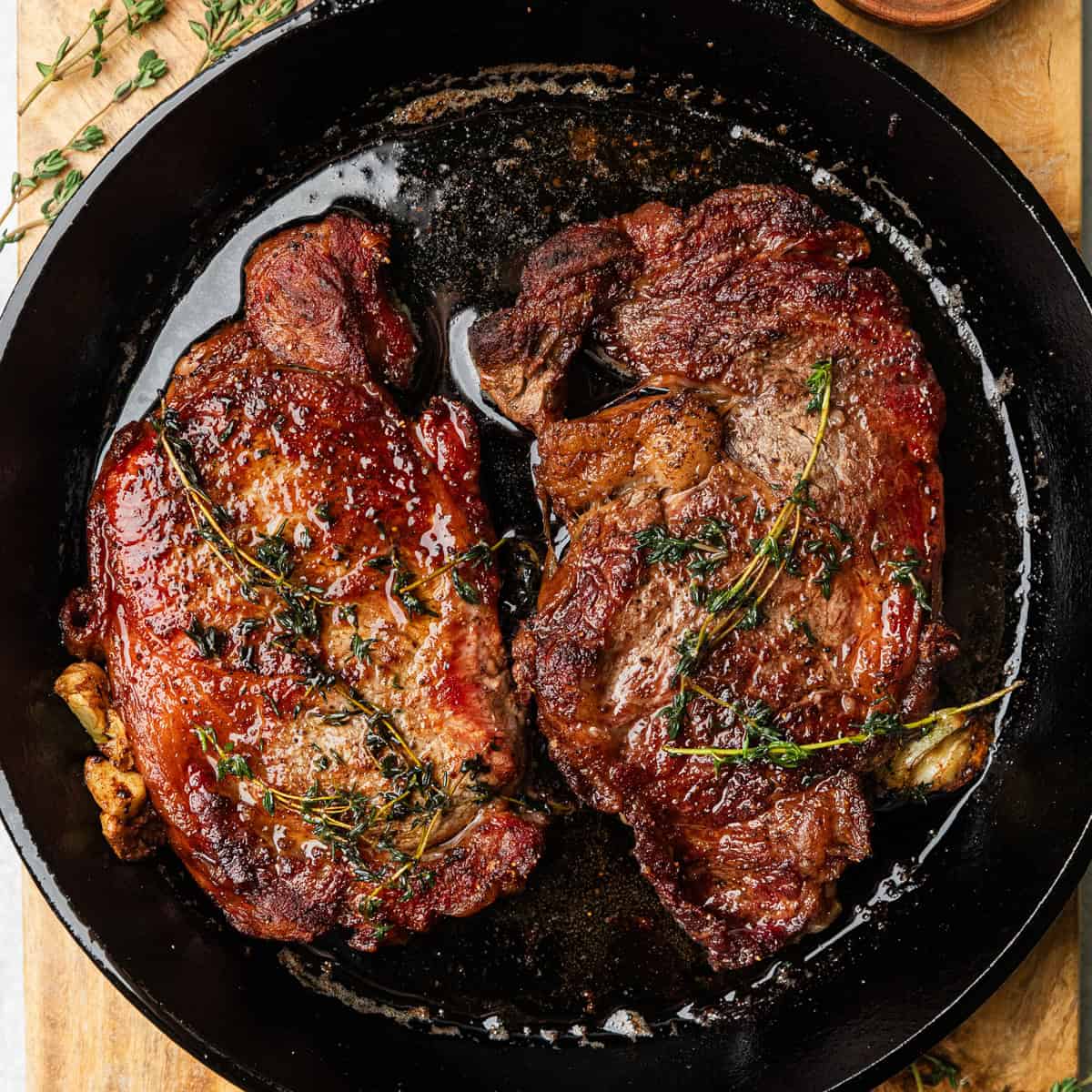
Choose ribeye steaks about one to one and a half inches thick. Thicker steaks cook well in a cast iron skillet and stay juicy inside. Marbling means small white fat streaks inside the meat. More marbling adds flavor and tenderness. Pick steaks with good marbling but not too much fat.
Credit: www.thetravelpalate.com
Preparing The Steak
Preparing the ribeye steak properly is the first step to a perfect meal. This step sets the stage for great flavor and texture. Taking time here makes a big difference in the final taste.
Two main points matter most: seasoning and bringing the steak to room temperature. Both help the steak cook evenly and taste delicious.
Seasoning Basics
Start with good salt and pepper. Sprinkle salt evenly on both sides. Use coarse salt for better flavor. Add freshly ground black pepper next. Press the seasoning lightly into the meat.
Keep it simple. Avoid heavy spices that can hide the steak’s natural taste. Let the ribeye shine with just salt and pepper.
Bringing Steak To Room Temperature
Take the steak out of the fridge at least 30 minutes before cooking. Cold steak cooks unevenly. The outside may burn before the inside cooks.
Room temperature steak cooks faster and more evenly. It helps create a nice crust. This step is easy but important for a perfect ribeye.
Cast Iron Skillet Setup
Setting up your cast iron skillet properly is key to cooking a perfect ribeye steak. A well-prepared skillet helps create a nice crust and locks in flavor. This section guides you through the essential steps to prepare your skillet for cooking.
Follow these simple tips to ensure your skillet is ready for the heat and your steak cooks evenly.
Preheating Techniques
Preheat your cast iron skillet slowly on medium heat. Avoid high heat from the start to prevent warping. Let the skillet warm for about 5 minutes. Test the temperature by sprinkling a few drops of water. If the water sizzles and evaporates quickly, the skillet is ready.
Selecting The Right Oil
Choose an oil with a high smoke point for searing ribeye steak. Oils like avocado, canola, or grapeseed work well. Avoid butter or olive oil at this stage as they burn easily. Add a small amount of oil and spread it evenly in the skillet. This helps to create a crisp, golden crust on the steak.
Credit: healthyrecipesblogs.com
Searing The Ribeye
Searing the ribeye steak in a cast iron skillet creates a rich flavor and a beautiful crust. This step locks in juices and adds texture. A good sear makes the steak more delicious and juicy. The key is high heat and quick cooking. Prepare your pan well before adding the steak to get the best result.
Achieving A Perfect Crust
Start with a dry steak. Pat it with a paper towel to remove moisture. Moisture prevents browning. Preheat your cast iron skillet until very hot. Add a small amount of oil with a high smoke point. Place the steak in the pan carefully. Do not move it for a few minutes. Let the steak form a brown crust. Flip the steak only once for even cooking.
Timing And Temperature Control
Keep the skillet on medium-high heat. Too low heat creates no crust. Too high heat burns the outside. Cook the steak about 3 to 4 minutes per side for medium-rare. Use a timer for accuracy. Check the internal temperature with a meat thermometer. Aim for 130°F to 135°F for medium-rare. Rest the steak for 5 minutes after cooking. This lets juices spread evenly inside the meat.
Finishing Touches
Finishing touches bring out the best flavor in your ribeye steak. After searing, these steps add richness and ensure every bite is tender and juicy. Small details make a big difference in taste and texture.
Adding Butter And Aromatics
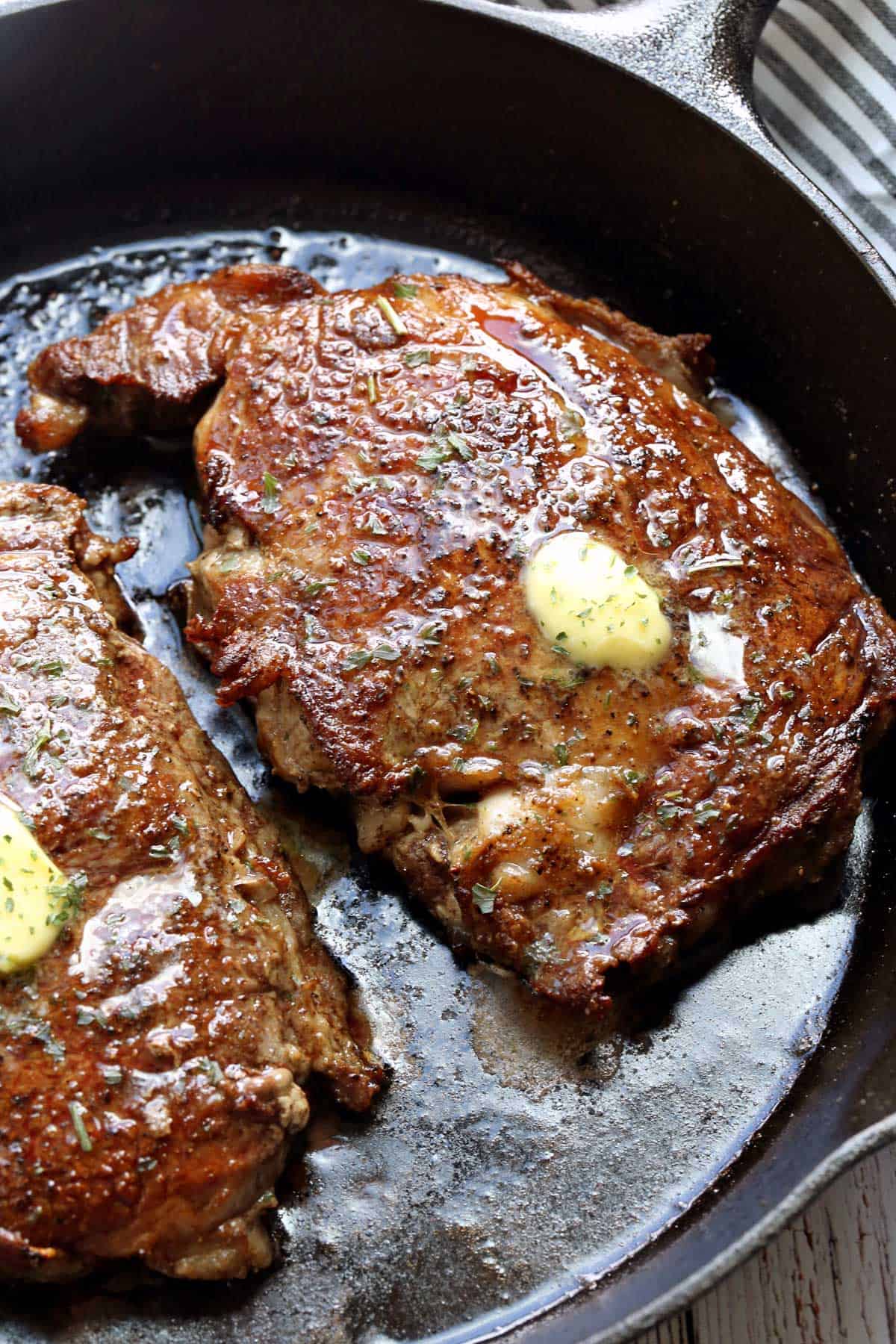
After cooking the steak, add a few tablespoons of butter to the hot skillet. Toss in garlic cloves, fresh rosemary, or thyme. Spoon the melted butter over the steak repeatedly. This adds deep flavor and a beautiful shine to the meat. The butter also helps keep the steak moist.
Resting The Steak
Remove the ribeye from the skillet and place it on a plate. Let it rest for about 5 to 10 minutes. Resting allows the juices to settle inside the steak. Cutting too soon causes juices to spill out, making the steak dry. Cover the steak loosely with foil to keep it warm during resting.
Serving Suggestions
Serving a ribeye steak cooked in a cast iron skillet is about more than just the steak itself. The right sides and sauces can make your meal special. These choices bring out the rich flavors of the ribeye and create a balanced plate.
Best Side Dishes
Roasted vegetables are a perfect match for ribeye. Carrots, asparagus, or Brussels sprouts add color and crunch. Mashed potatoes offer creamy comfort and soak up steak juices well. A simple green salad with light dressing adds freshness. Grilled corn on the cob brings a smoky sweetness. These sides keep the meal hearty but not heavy.
Recommended Sauces
A classic option is garlic butter. It melts over the steak and adds richness. Chimichurri sauce gives a fresh, herby punch. Peppercorn sauce delivers a bold, spicy kick that complements the beef. For a creamy touch, try blue cheese sauce. These sauces add flavor without overpowering the steak.
Common Mistakes To Avoid
Cooking ribeye steak in a cast iron skillet can be simple and delicious. Avoiding common mistakes helps get the best flavor and texture. Some errors can ruin the steak or make it tough. Knowing what to avoid makes the cooking process smooth and enjoyable.
Overcrowding The Pan
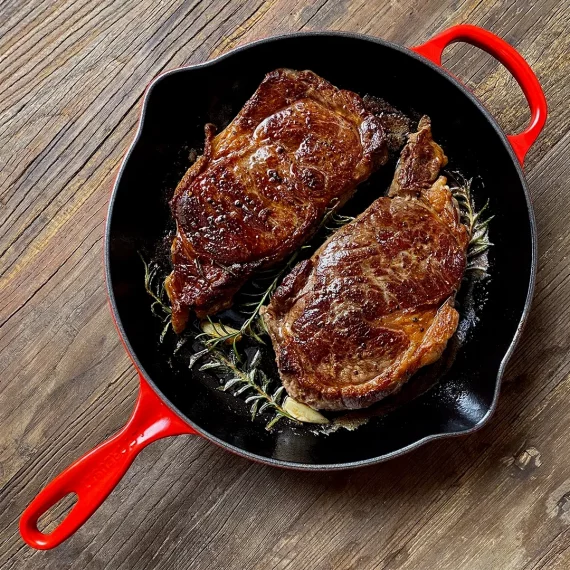
Putting too many steaks in the pan lowers the temperature. This stops the steak from searing properly. Instead of a nice crust, the meat steams and becomes soggy. Cook one or two steaks at a time for a perfect sear. Give each steak enough space to touch the pan fully.
Skipping The Rest Period
Cutting the steak right after cooking lets juices run out. This makes the meat dry and less tasty. Let the steak rest for 5 to 10 minutes after cooking. The juices will settle inside, keeping the steak juicy and tender. Resting also helps the steak finish cooking evenly.
Credit: thesaltedpotato.com
Frequently Asked Questions
How Long To Cook Ribeye In Cast Iron Skillet?
Cook ribeye steak for 4-5 minutes per side for medium-rare. Adjust time for desired doneness. Rest steak 5 minutes before serving to retain juices.
Should Ribeye Be Room Temperature Before Cooking?
Yes, let ribeye sit at room temperature for 30 minutes. This ensures even cooking and better searing in the cast iron skillet.
What Oil Is Best For Cooking Ribeye Steak?
Use high smoke point oils like avocado, canola, or grapeseed oil. These oils prevent burning and enhance the sear on ribeye steak.
How To Tell Ribeye Is Cooked Perfectly?
Use a meat thermometer; 130°F for medium-rare. Steak should feel firm but springy. Resting allows juices to redistribute evenly.
Conclusion
Cooking ribeye steak in a cast iron skillet brings out rich flavor. The high heat creates a perfect crust while keeping the inside juicy. Simple steps make the process easy and quick. Season well, preheat the skillet, and watch the steak sizzle.
Let it rest before cutting to keep juices inside. This method fits any kitchen and tastes delicious every time. Give it a try for a hearty, tasty meal that feels special. Perfect for dinner or a weekend treat.