
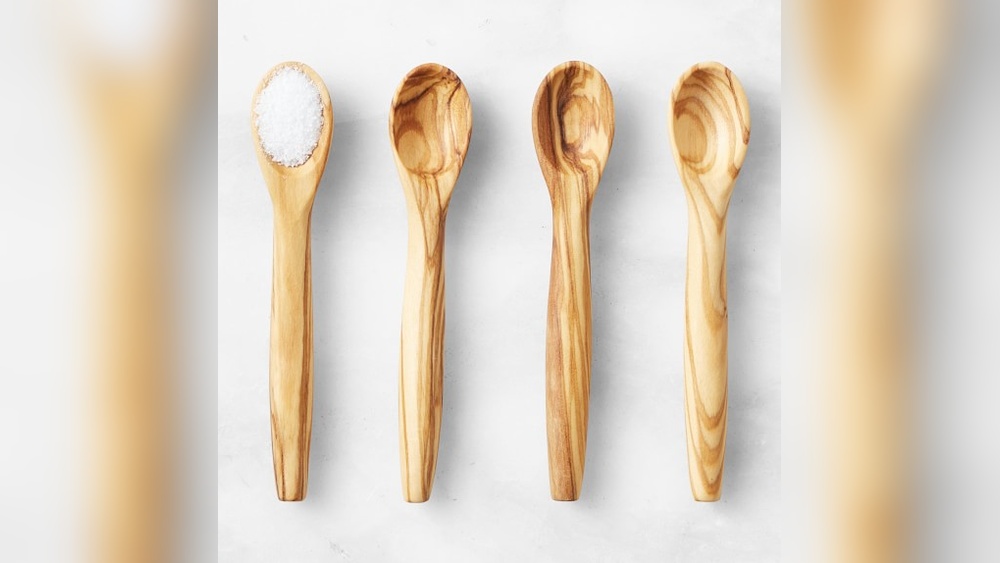
Are you wondering if it’s safe to toss your wooden utensils into the dishwasher for a quick clean? You’re not alone.
Wooden spoons, spatulas, and other kitchen tools have a natural charm and durability that make them kitchen favorites—but when it comes to cleaning, they need special care. Using a dishwasher might seem convenient, but it can seriously damage your wooden utensils.
You’ll discover why wooden utensils don’t belong in the dishwasher, how to properly clean and maintain them, and simple tips to keep them looking and feeling great for years. Keep reading to protect your kitchen essentials and make the most out of your wooden utensils every time you cook.
Dishwasher Impact On Wood
Wooden utensils often face harsh treatment inside dishwashers. The combination of heat, water, and detergent can harm their natural texture and shape. Understanding the dishwasher impact on wood helps protect your kitchen tools.
Wood is porous and sensitive to sudden changes in temperature and moisture. Dishwasher cycles are too intense for most wooden utensils. This section explains how heat, moisture, and physical stress affect wood during dishwashing.
Heat Effects On Wood
High dishwasher temperatures dry out wooden utensils quickly. This heat removes natural oils that keep wood strong and flexible. Without these oils, wood becomes brittle and weak. Over time, heat exposure causes discoloration and rough surfaces.
Moisture Damage Risks
Wood absorbs water easily, causing it to swell during washing. Prolonged exposure to moisture leads to softening and loss of strength. Damp wood can develop mold or mildew if not dried properly. Dishwasher cycles keep wood wet for too long, increasing damage risks.
Warping And Cracking Issues
Rapid changes in heat and moisture cause wood to expand and contract. This movement leads to warping, twisting, or cracking of utensils. Cracks allow water to enter deeper layers, worsening damage. Warped utensils lose their shape and become hard to use.

Credit: www.amazon.com
Hand Washing Techniques
Hand washing wooden utensils is the safest way to keep them in good shape. It helps prevent damage caused by heat and water exposure. Proper care extends their life and maintains their beauty. Follow simple steps to clean your wooden utensils effectively.
Choosing The Right Soap
Select a mild dish soap for washing wooden utensils. Harsh detergents can strip the wood’s natural oils. A gentle soap cleans without causing dryness or cracking. Avoid bleach or strong chemicals that weaken the wood fibers.
Proper Washing Steps
Use warm water and a soft sponge to wash your utensils. Scrub gently to remove food particles without damaging the surface. Rinse thoroughly to remove all soap residue. Dry immediately with a clean towel to prevent moisture absorption.
Avoiding Soaking
Do not soak wooden utensils in water. Prolonged soaking causes the wood to swell and crack. It also promotes mold and bacteria growth. Wash and rinse quickly, then dry right away to keep them safe and clean.
Drying And Maintenance
Proper drying and maintenance keep wooden utensils strong and beautiful. Water can damage the wood if it stays wet too long. Drying and caring for wooden utensils helps prevent cracking, warping, and bacteria growth.
Effective Drying Methods
After washing, dry wooden utensils quickly. Use a clean towel to remove water. Place them in a dish rack with good air flow. Avoid putting them in a closed space while wet. Let air dry completely before storing. This stops mold and wood damage.
Using Mineral Oil
Apply food-safe mineral oil to wooden utensils regularly. It keeps the wood from drying out and cracking. Use a soft cloth to rub oil into the wood. Let it soak in for a few hours or overnight. Wipe off any extra oil before use. This process extends the life of your utensils.
Preventing Wood Dryness
Wood dries out from heat and air exposure. Avoid leaving wooden utensils near stoves or heaters. Do not soak them in water for long. Use mineral oil often to keep moisture inside the wood. Proper care stops splitting and keeps utensils smooth.
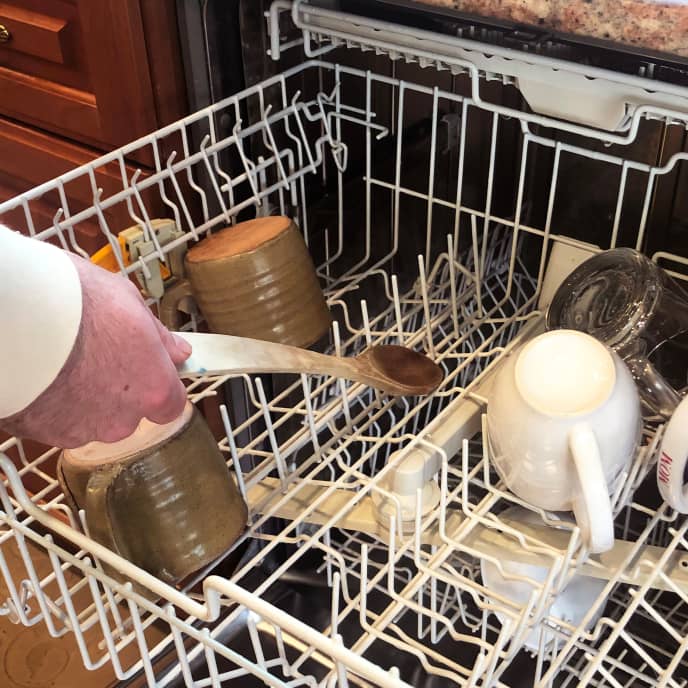
Credit: www.americastestkitchen.com
Materials That Resist Dishwasher
Some kitchen materials handle dishwasher cycles better than wood. Heat and water can damage wood, causing cracks and warping. Other materials resist these effects and stay durable after many washes. Understanding which wooden utensils or combinations last longer helps keep your kitchen tools in good shape.
Wooden Handles And Silicone Tips
Wooden handles on utensils may tolerate brief dishwasher exposure. But prolonged heat and water cause wood to swell and crack. Silicone tips attached to wooden handles resist dishwasher heat well. Silicone stays flexible and does not absorb water. This combo works better than full wood in dishwashers. Still, hand washing is safer for wooden handles over time.
Wooden Bowls And Platters
Wooden bowls and platters often have finishes that protect against moisture. These finishes help resist dishwasher damage. Yet, high heat inside dishwashers can break down the finish. Water can seep in and cause warping or splitting. Some wooden bowls have a durable, sealed coating that lasts through gentle cycles. Still, washing by hand extends their life and keeps them looking new.
Cutting Boards
Cutting boards made from wood usually do not resist dishwasher heat well. Water and heat cause them to warp and crack. Thicker boards resist damage longer than thin ones. Boards with oil or wax finishes offer some protection. But repeated dishwasher use damages these finishes. It’s best to clean wooden cutting boards by hand. Dry them quickly to stop moisture damage.
Tips For Long-lasting Utensils
Wooden utensils need special care to last longer and stay safe to use. Proper maintenance keeps wood strong and prevents damage. Follow simple tips to protect your utensils and enjoy them for years.
Regular Care Routine
Wash wooden utensils by hand with warm, soapy water. Avoid soaking them in water. Rinse well and dry immediately with a cloth. Let them air dry completely before storing. Apply food-safe mineral oil once a month to keep wood hydrated. This stops cracking and warping.
Storing Wooden Utensils
Store utensils in a dry, well-ventilated place. Avoid keeping them in damp drawers or containers. Use a utensil holder that allows air to circulate. Do not store wooden utensils near heat sources. Proper storage prevents mold and helps the wood last longer.
Signs Of Wear To Watch
Check utensils often for cracks, splinters, or rough spots. These signs show the wood is drying out or damaged. Stop using any utensil that splits or chips. Sand rough areas gently with fine sandpaper. Reapply mineral oil to restore smoothness and strength.

Credit: www.reddit.com
Frequently Asked Questions
What Is The Best Way To Wash Wooden Utensils?
Wash wooden utensils by hand using warm, mild soapy water. Rinse thoroughly and dry immediately with a soft cloth. Avoid soaking or dishwashers to prevent warping and cracking. Regularly apply food-safe mineral oil to maintain wood quality and prevent drying out.
Why Can’t You Wash Wooden Spoons?
You can’t wash wooden spoons in a dishwasher because heat and water cause warping, cracking, and splitting. Always hand wash with mild soap and dry immediately to preserve their quality. Avoid soaking wood to prevent damage and maintain durability.
What Happens If Wood Goes In The Dishwasher?
Putting wood in the dishwasher causes warping, cracking, and splintering due to high heat and moisture. Hand wash wooden items with mild soap and dry immediately to maintain their quality.
Can You Put Wooden Items In A Dishwasher?
Do not put wooden items in a dishwasher. High heat and moisture cause warping, cracking, and splitting. Hand wash with mild soap, rinse, and dry immediately to preserve wood quality. Apply food-safe mineral oil occasionally to maintain and protect wooden utensils.
Conclusion
Wooden utensils do not belong in the dishwasher. Heat and moisture cause them to warp and crack. Always wash wooden utensils by hand with warm, soapy water. Dry them thoroughly right after washing. Applying mineral oil now and then keeps the wood strong.
Taking care of your wooden utensils helps them last longer. Simple steps make a big difference in their life. Keep your kitchen tools safe and in great shape. Wooden utensils deserve gentle cleaning to stay useful and beautiful.