
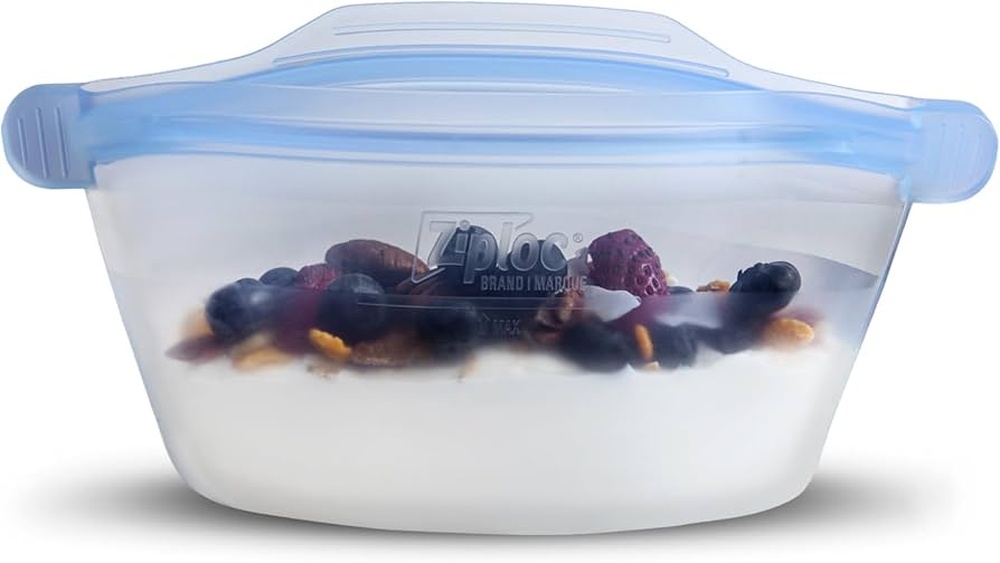
Are you wondering if your silicone food containers are safe to use in the microwave? It’s a common question because you want to heat your meals quickly without risking your health or ruining your containers.
Silicone has become popular for food storage, thanks to its flexibility and easy cleaning, but is it truly microwave-safe? You’ll discover the truth about microwaving silicone containers, important safety tips you need to know, and how to make the most out of these handy kitchen tools.
Keep reading to ensure your food stays safe and your containers last longer every time you heat your meals.
Silicone Containers And Microwaves
Silicone containers offer a flexible and reusable option for food storage. Many wonder if they are safe to use in microwaves. Understanding how silicone interacts with microwave heat helps to use these containers properly.
Microwaving with silicone containers is common. Their safety depends on the silicone type and heat resistance. Knowing the material’s properties is key to safe microwave use.
Food-grade Silicone Properties
Food-grade silicone is non-toxic and safe for cooking. It does not release harmful chemicals when heated. This type of silicone is approved for contact with food by health authorities. It is flexible and durable for repeated use. Food-grade silicone containers do not absorb odors or stains. This makes them ideal for microwaving leftovers or reheating meals.
Heat Resistance And Stability
Silicone can withstand high temperatures without melting. Most food-grade silicone resists heat up to 428°F (220°C). This temperature is well above typical microwave heat levels. Silicone remains stable and does not deform easily under microwave heat. It also does not leach chemicals into food. Still, lids should be vented or removed to prevent steam buildup. Avoid microwaving damaged silicone containers to ensure safety.

Credit: www.ja2go.com
Safety Tips For Microwave Use
Using silicone food containers in the microwave can be safe with the right precautions. Follow simple safety tips to prevent accidents and keep your food fresh. Proper handling helps maintain the container’s quality and avoids health risks.
Check For Microwave-safe Labels
Always look for a “microwave-safe” label on the container. This label means the silicone is food-grade and tested for microwave use. Using containers without this label may cause melting or chemical release.
Remove Or Vent Lids
Take off the lid or open the vent before microwaving. This lets steam escape and prevents pressure build-up. Sealed lids can cause containers to warp or burst in the microwave.
Avoid Damaged Containers
Do not use cracked, warped, or discolored silicone containers. Damage weakens the material and can release harmful substances. Replace damaged containers to keep your food safe.
Handle High-fat Foods Carefully
High-fat foods heat faster and can get hotter than other foods. This may cause the silicone to overheat and soften. Heat these foods in short intervals and check the container often.
Lid Safety Considerations
Some silicone lids are not microwave-safe, even if the container is. Use only microwave-safe lids or remove the lid completely. Avoid tightly sealing lids to prevent steam build-up during heating.
Silicone Vs Plastic In Microwaves
Choosing between silicone and plastic containers for microwave use matters for safety and health. Both materials are common in kitchens but differ in how they handle heat and chemicals. Understanding these differences helps pick the best option for reheating food without risk. Below, we compare silicone and plastic in microwaves.
Chemical Stability Comparison
Silicone is highly stable at microwave temperatures. It does not melt or release harmful chemicals when heated. This quality makes silicone containers safer for reheating food. Plastic, in contrast, can soften or warp under high heat. Some plastics may leach chemicals like BPA or phthalates into food. These chemicals can pose health risks, especially with repeated use. Silicone resists these problems due to its strong molecular structure.
Health And Environmental Benefits
Silicone containers do not contain toxic additives. They are hypoallergenic and do not react with food. This reduces the chance of contaminating meals during microwaving. Plastic containers can contain harmful chemicals that affect health over time. Environmentally, silicone lasts longer and withstands heavy use. It is also more recyclable than many plastics, which often end up in landfills. Choosing silicone helps reduce plastic waste and protects personal health.

Credit: dreamroo.com
Potential Risks With Silicone
Silicone food containers are popular for their flexibility and heat resistance. Despite their benefits, potential risks exist when using silicone in the microwave. Understanding these risks helps you use silicone containers safely and protect your health.
Toxin Release Concerns
Food-grade silicone is generally safe and stable at normal microwave temperatures. Yet, low-quality silicone or non-food-grade products may release harmful chemicals. These toxins can leach into food, especially when heated. Avoid containers without proper certification to reduce this risk.
Impact Of Overheating
Silicone withstands high heat but can degrade if overheated. Prolonged heating, especially with high-fat foods, may cause the silicone to break down. This breakdown can affect the container’s structure and safety. Always follow heating guidelines and avoid overheating your containers.
Effects Of Damaged Containers
Cracks, tears, or discoloration in silicone containers increase health risks. Damaged silicone can release particles or chemicals into your food. Using intact containers helps maintain safety and extends the product’s life. Inspect containers regularly and replace damaged ones immediately.
Additional Uses For Silicone Containers
Silicone food containers offer more than just microwave convenience. Their flexible, durable nature makes them useful in many kitchen tasks. Understanding these additional uses can help you get the most out of your silicone containers.
Freezer Compatibility
Silicone containers handle freezing temperatures very well. They do not crack or become brittle like some plastics. This makes them ideal for storing soups, sauces, or leftovers in the freezer. Their airtight seal helps prevent freezer burn, keeping food fresh longer. You can also freeze fruits or dough in silicone containers safely.
Dishwasher Safety
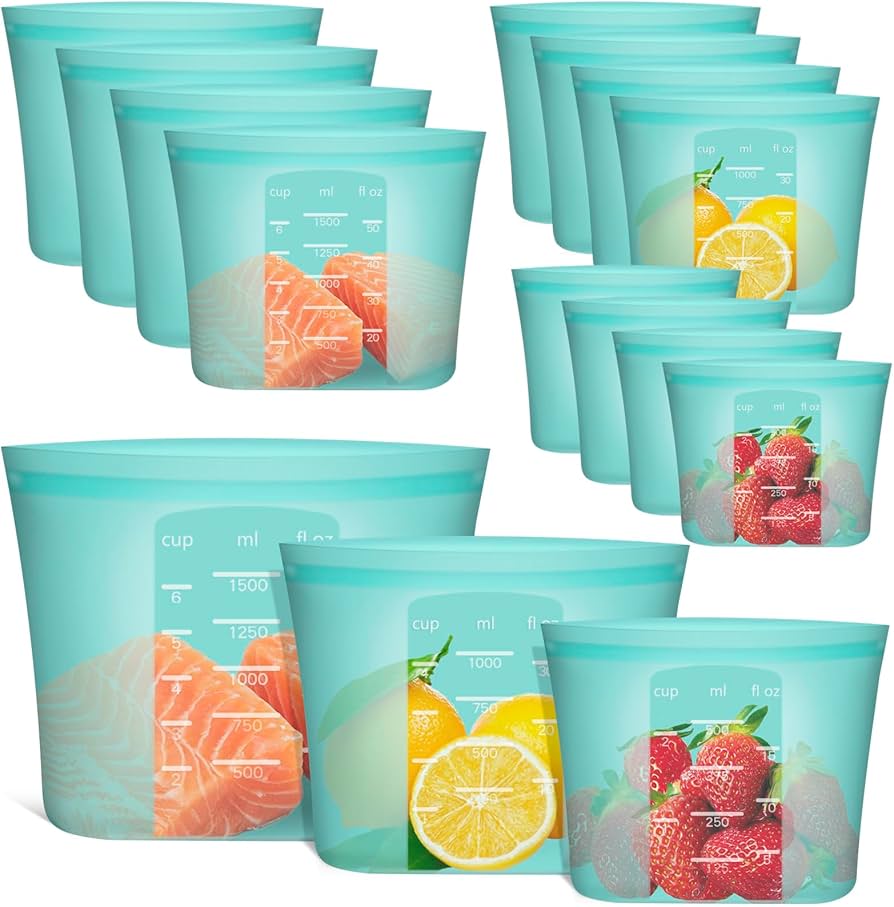
Cleaning silicone containers is simple. Most silicone containers are dishwasher safe, saving time and effort. They resist stains and odors, unlike some plastic containers. Place them on the top rack for best results. Their flexibility helps water and soap reach all corners, ensuring thorough cleaning. This feature adds to their convenience and hygiene.
Credit: www.amazon.com
Choosing Quality Silicone Containers
Choosing quality silicone containers is essential for safe microwave use. Poor-quality silicone may release harmful substances or degrade under heat. Good silicone containers last longer and keep food fresh without risk. Focus on selecting containers made from genuine, food-grade silicone. This choice ensures safety, durability, and microwave compatibility.
Identifying Food-grade Silicone
Food-grade silicone is safe for cooking and storing food. It meets strict FDA or LFGB standards. Look for labels that mention “food-grade” or “FDA approved.” Genuine silicone feels flexible but sturdy. It does not have a strong chemical smell. Clear or slightly translucent colors often indicate pure silicone. Avoid containers without certification or clear labeling.
Avoiding Fillers And Low-quality Products
Some silicone containers contain fillers that reduce safety and durability. Fillers may cause the container to release toxins when heated. Low-quality products often feel stiff or brittle. They may have an odd smell or discoloration. Choose products from trusted brands with good reviews. Avoid very cheap containers that seem too good to be true. Investing in quality silicone protects your health and your food.
Frequently Asked Questions
Is It Safe To Microwave Food In Silicone Containers?
Yes, food-grade silicone containers are safe for microwaving. Remove or vent the lid to prevent pressure buildup. Avoid damaged containers and monitor high-fat foods to prevent overheating.
Does Silicone Release Toxins When Heated?
Food-grade silicone does not release toxins when heated. It remains stable and safe under typical cooking temperatures. Avoid using damaged silicone products to ensure safety.
What Happens To Silicone In A Microwave?
Silicone remains stable and safe in microwaves, resisting heat without melting or releasing toxins. Always vent or remove lids before heating. Avoid microwaving damaged silicone or heating high-fat foods for long to prevent overheating.
Is 100% Silicone Microwave Safe?
Yes, 100% food-grade silicone is microwave safe. Always remove or vent the lid before heating to avoid pressure. Avoid damaged containers and monitor high-fat foods to prevent overheating.
Conclusion
Silicone food containers made from food-grade silicone are safe for microwaving. Always check the label to confirm microwave safety. Remove or vent the lid before heating to prevent steam buildup. Avoid using damaged containers to keep your food safe. Be careful with high-fat foods as they can get very hot.
Proper use helps maintain the container’s quality and safety. Silicone containers offer a practical option for reheating and storing food. They also work well in freezers and dishwashers. Choose quality silicone containers for safe and easy microwave use.