
Have you ever wondered if coffee beans and espresso beans are actually the same? If you’re someone who enjoys a good cup of coffee or a rich espresso shot, this question might have crossed your mind more than once.
You might be surprised to learn that the difference isn’t as simple as just the name. Understanding what sets espresso beans apart from regular coffee beans can completely change how you brew and enjoy your coffee at home. Stick with me, and you’ll discover the secrets behind these beans, how they affect flavor, and what you should really choose to make your perfect cup every time.
Ready to unlock the truth about your coffee? Let’s dive in.

Credit: colipsecoffee.com
Espresso Vs Coffee Beans
Espresso and coffee beans often cause confusion. Many think they are different types of beans. Actually, espresso beans are not a distinct variety. The main difference lies in how they are roasted and prepared. Understanding these differences helps in choosing the right beans for your brew.
Roast Levels
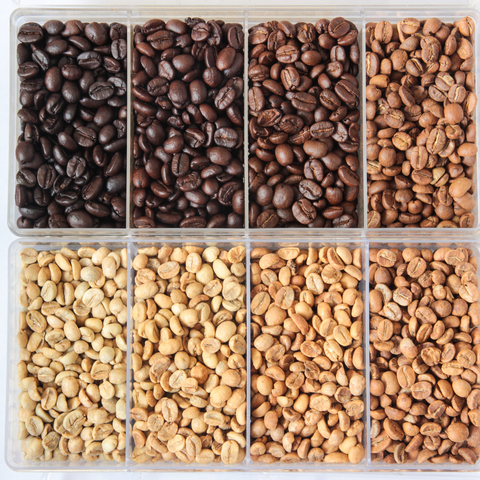
Espresso beans usually have a darker roast. Dark roasts bring out bold, rich flavors. Coffee beans for drip or pour-over may have lighter roasts. Light roasts keep more of the bean’s original acidity and fruity notes. Medium roasts offer a balance between acidity and body. Dark roasting helps espresso stand strong against milk and water.
Flavor Profiles
Espresso often has a deep, intense flavor. It can taste chocolatey, nutty, or smoky. This is due to the dark roasting and concentrated brewing method. Regular coffee beans can have a wide range of flavors. They might be bright, floral, or even sweet. The brewing style greatly affects the final taste. Espresso beans are crafted for richness and crema.
Bean Selection
Producers select beans differently for espresso and regular coffee. Espresso blends often mix beans from various regions. This creates a balanced and consistent flavor. Regular coffee beans might come from a single origin for unique taste. Arabica beans dominate both types, prized for smoothness. Robusta beans add strength and crema in espresso blends. Freshness is key for both to ensure the best cup.
Credit: parachutecoffee.com
Brewing Methods And Bean Use
Brewing coffee involves different methods that affect how beans are used. Espresso and regular coffee beans can be the same type but are prepared differently. Understanding the brewing process helps you choose the right beans and grind size for each method.
The way you brew impacts the flavor and texture of your coffee. Each brewing method requires a specific grind and extraction time. This section explains how espresso machines, drip coffee makers, and grind size matter in the brewing process.
Espresso Machines
Espresso machines use high pressure to force hot water through finely ground coffee. This method extracts strong flavors quickly, usually within 25-30 seconds. Beans for espresso are often dark roasted for a bold taste. However, any coffee bean can be used if ground very fine. The pressure and short brew time create a rich, creamy shot with crema on top.
Drip Coffee Makers
Drip coffee makers brew coffee by slowly dripping hot water over medium-ground beans. This method takes several minutes to extract flavors gently. Beans used here can be light, medium, or dark roasted. The longer brewing time allows more acidity and subtle notes to come through. Grind size is coarser than espresso to avoid over-extraction and bitterness.
Grind Size Importance
Grind size controls how water interacts with coffee grounds. Fine grinds increase surface area, speeding up extraction. This is perfect for espresso machines that use pressure. Coarser grinds slow extraction, ideal for drip coffee makers. Using the wrong grind size can lead to sour or bitter coffee. Consistent grind size ensures balanced flavor and smooth texture. A burr grinder helps achieve this consistency.
Can You Use Regular Beans For Espresso?
Can you use regular coffee beans for espresso? Yes, espresso is a brewing method, not a type of bean. Regular coffee beans can be used to make espresso. The taste and texture may differ from espresso beans. Adjustments in grind and brewing help improve the shot. Freshness and quality of beans still matter a lot.
Flavor Expectations
Regular coffee beans often have lighter or medium roasts. These roasts bring more acidity and less boldness to espresso. Espresso beans are usually dark roasted for a stronger taste. Using regular beans can highlight unique flavors but may lack the classic espresso richness. Expect a different balance of taste and aroma.
Crema Differences
Crema is the creamy foam on top of espresso. Dark roasted espresso beans produce more crema due to higher oil content. Regular beans, especially older ones, may produce less crema. The freshness of beans also affects crema quality. Less crema does not mean bad espresso, just a different look and feel.
Adjusting Grind And Brew
Grind size is key for espresso extraction. Regular beans need to be ground very fine, like powdered sugar. Fine grind helps proper pressure extraction in the espresso machine. Use a burr grinder for consistent grind size. Experiment with brewing time to find the best taste from your beans.
Tips For Better Espresso Shots
Getting a great espresso shot takes more than just any coffee beans. Small changes in your process can lead to big flavor improvements. Follow these simple tips to enjoy richer and smoother espresso every time.
Focus on freshness, grind size, and roast level. These factors shape the taste and crema of your espresso.
Choosing Fresh Beans
Fresh beans make a big difference in espresso quality. Look for beans roasted within the last two weeks. Avoid beans that have been sitting on shelves for months. Store your beans in an airtight container away from light and heat. Fresh beans release more oils and give better crema. Using stale beans leads to dull and flat espresso shots.
Using A Burr Grinder
A burr grinder provides even and consistent grind size. This consistency allows water to extract flavors evenly. Blade grinders create uneven grounds, causing over or under-extraction. Grind your beans just before brewing to keep the flavors fresh. Adjust your grinder to a fine setting for espresso. A good grinder helps control the flow and pressure during extraction.
Experimenting With Roast Levels
Espresso beans are often dark roasted, but lighter roasts can work too. Dark roasts bring bold, smoky flavors and thicker crema. Medium roasts offer balanced acidity and fruity notes. Light roasts highlight unique flavors but may produce less crema. Try different roast levels to find what suits your taste. Adjust grind size and brewing time based on the roast for best results.
Common Myths About Espresso Beans
Many people believe a lot about espresso beans that are not true. These myths can confuse those new to coffee or espresso brewing. Understanding the facts helps in choosing the right beans and making better espresso at home.
Let’s clear up some common myths about espresso beans.
Espresso Beans Are Different Beans
Many think espresso beans are a special type of coffee bean. They are not. Espresso beans are the same coffee beans used for drip coffee. The difference lies in how they are roasted and ground. Any coffee bean can be used to make espresso.
Only Dark Roasts Work
Espresso is often linked to dark roasted beans. This is not a rule. Light and medium roasts can also produce great espresso. Dark roasts tend to give a bold taste, but lighter roasts offer more fruity and floral flavors. The choice depends on personal taste.
Crema Depends Solely On Beans
Crema is the foam on top of an espresso shot. Some believe only certain beans create good crema. While bean freshness and oil content matter, crema also depends on the brewing method. Grind size, water pressure, and extraction time play big roles too.
Exploring Flavor Variations
Exploring flavor variations in coffee and espresso beans reveals a world of taste differences. The roast level plays a key role in shaping these flavors. Each roast level offers unique characteristics that impact the espresso experience. Understanding these helps in choosing the right beans for your preferred taste.
Light Roasts In Espresso
Light roasts keep most original coffee flavors intact. They often taste fruity, floral, or acidic. Using light roasts for espresso can create a bright and complex shot. The crema might be lighter in color and less thick. These roasts highlight subtle flavor notes often lost in darker roasts.
Medium Roasts For Balance
Medium roasts strike a balance between acidity and body. They offer a smoother taste with some brightness and sweetness. Espresso made from medium roasts usually has a richer crema and fuller flavor. This roast level suits those who want a mild but flavorful espresso. It combines the best of light and dark roast qualities.
Dark Roasts For Boldness
Dark roasts produce bold, intense espresso shots. They feature strong bitterness and smoky, chocolaty notes. The crema is thicker and darker, with a rich mouthfeel. Dark roasts often mask some original bean flavors but add depth and strength. These are ideal for lovers of strong, robust espresso flavors.
Summary Of Key Differences
Coffee beans and espresso beans often cause confusion. Many think they are different types of beans. Actually, they are the same beans but prepared differently. The key differences lie in terminology, roasting, and brewing methods. Understanding these points helps you choose the right beans for your coffee style.
Terminology Clarification
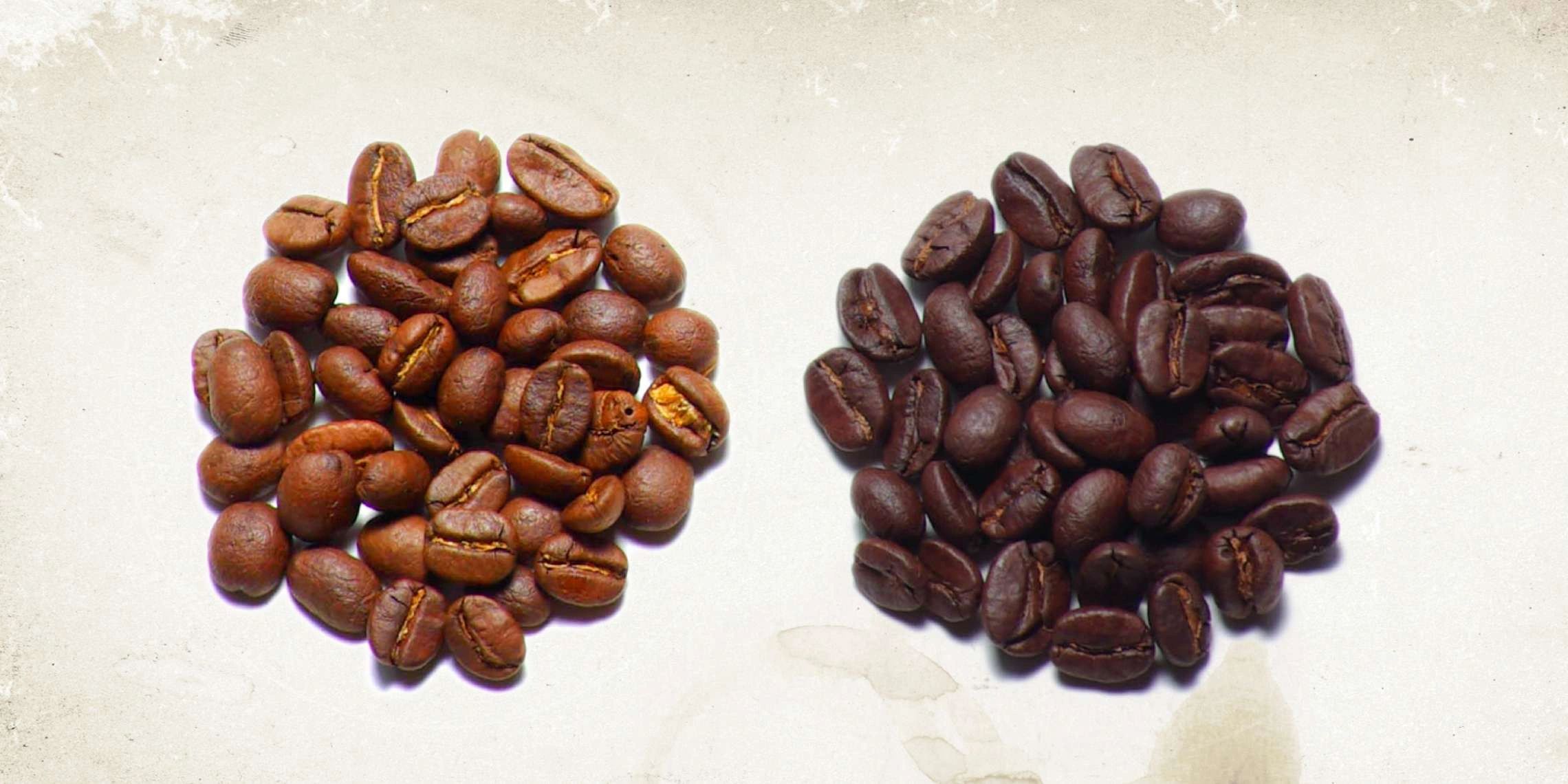
The term “espresso beans” refers to coffee beans roasted and sold for espresso brewing. These are not a special bean variety. They can be any coffee bean type, Arabica or Robusta. The label mainly describes the roasting style. Usually, espresso beans are roasted darker than regular coffee beans. This gives a stronger, bolder flavor ideal for espresso shots.
Regular coffee beans cover all beans used for drip, pour-over, or French press methods. These beans might have lighter or medium roasts. The lighter roast preserves more of the bean’s original flavors. The term “coffee beans” is more general and includes all roast levels and brew uses.
Roasting Vs Brewing Impact
Roasting affects taste and bean color. Espresso beans are roasted longer and darker. This process reduces acidity and enhances bitterness. It creates a rich, full-bodied flavor that holds up to espresso’s short extraction. Dark roasts also produce more oils, which helps create espresso’s signature crema.
Brewing also plays a vital role. Espresso uses high pressure and a fine grind for quick extraction. This method pulls intense flavors and body from the beans. Regular coffee brewing methods use lower pressure and coarser grinds. They extract flavors more slowly, highlighting different taste profiles.
Choosing espresso beans for espresso brewing generally yields better results. Still, you can use regular coffee beans if ground fine and brewed correctly. The taste will differ due to roasting and extraction, but quality beans and fresh grinding improve any cup.
Credit: darienecoffee.com
Frequently Asked Questions
Can I Use Regular Coffee Beans For Espresso?
Yes, you can use regular coffee beans for espresso since espresso refers to the brewing method, not the bean type. Regular beans may yield a different flavor, often less bold and more acidic. Grind beans finely and use fresh, high-quality beans for better results.
What’s The Difference Between A Coffee Bean And An Espresso Bean?
Coffee beans and espresso beans are the same type but differ in roast and grind size. Espresso beans usually have a darker roast and finer grind to suit espresso machines, creating a richer, bolder flavor. Regular coffee beans vary more in roast and grind, fitting various brewing methods.
Does Espresso Coffee Use Different Coffee Beans?
Espresso uses the same coffee beans as regular coffee. The difference lies in the brewing method and grind size. Many prefer dark-roasted beans for espresso to achieve a bolder, richer flavor. However, any coffee bean can be used if ground finely for espresso machines.
What Is The Difference Between Filter Coffee Beans And Espresso Beans?
Filter coffee beans are usually medium roasted for balanced flavor and clarity. Espresso beans are darker roasted to deliver bold, intense taste and crema. The key difference lies in roast level and brewing method, affecting flavor, grind size, and extraction style.
Conclusion
Coffee beans and espresso beans start from the same source. The main difference lies in the roasting and grind size. Espresso beans are usually darker roasted and ground finer for the espresso machine. Regular coffee beans vary more in roast and grind depending on the brewing method.
Using either can work, but expect different flavors and crema quality. Choosing fresh, high-quality beans improves your coffee experience. Experimenting helps you find your favorite taste. Understanding these differences makes your coffee moments better and more enjoyable.