
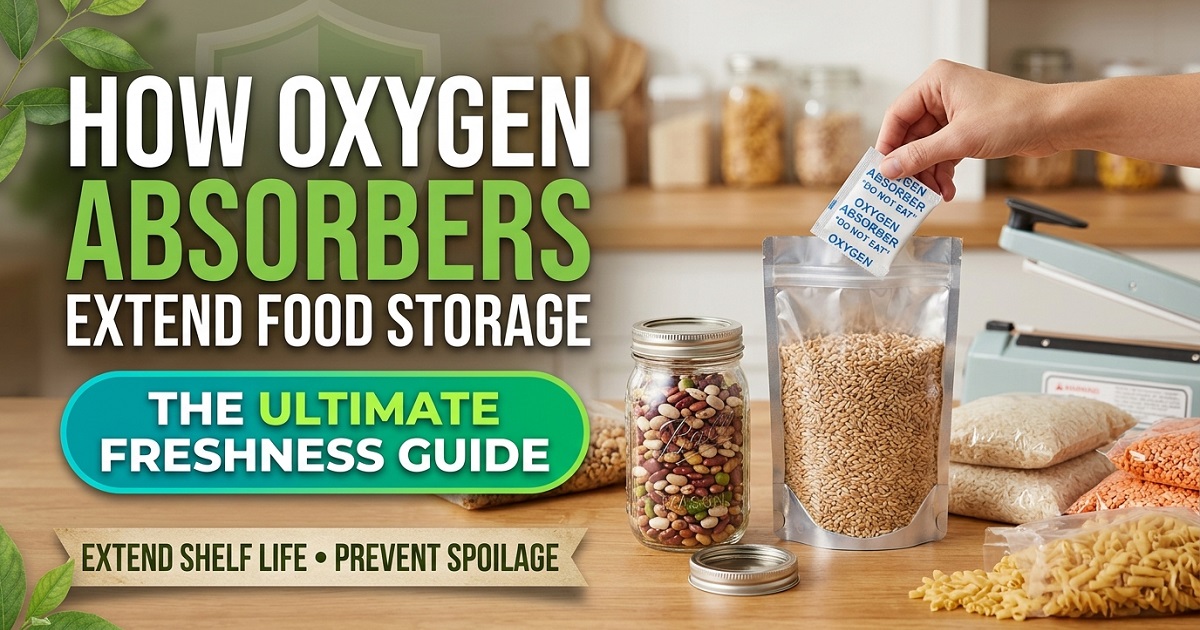
Have you ever opened a pantry item only to find it stale or spoiled far sooner than you expected? If you want your food to stay fresh longer and reduce waste, oxygen absorbers could be the simple solution you need.
These tiny packets work quietly behind the scenes to remove oxygen, which is a main culprit in food spoilage. By using oxygen absorbers correctly, you can extend the shelf life of your dry foods, keep flavors intact, and protect your supplies from pests and mold.
Keep reading to discover how oxygen absorbers work, how to use them effectively, and why they might become your new best friend for food storage. Your future self—and your taste buds—will thank you.
Role Of Oxygen Absorbers
Oxygen absorbers play a crucial role in preserving the freshness and quality of stored food. They help remove oxygen from sealed containers. This process slows down the growth of bacteria, mold, and insects. It also reduces oxidation, which can spoil food and cause rancidity. Using oxygen absorbers extends the shelf life of many dry foods.
How They Work
Oxygen absorbers contain iron powder that reacts with oxygen. When sealed in a container, they pull oxygen out of the air. This creates a low-oxygen environment inside the package. Without oxygen, harmful bacteria and mold cannot grow. The absorbers turn the oxygen into iron oxide, similar to rust. This simple chemical process helps keep food safe and fresh.
Benefits For Food Storage
Oxygen absorbers protect food from spoilage and waste. They keep dry foods like rice, beans, and pasta fresh for years. The absorbers also prevent insect infestations inside sealed containers. They maintain the food’s color, taste, and nutrients longer. This helps reduce food loss and saves money over time. Using oxygen absorbers is an easy step to improve food storage quality.
Choosing The Right Containers
Choosing the right containers is key for extending food storage with oxygen absorbers. The container must block air completely. This stops oxygen from spoiling the food. Picking good containers also keeps food fresh and safe for long periods.
Types Of Airtight Containers
Mylar bags are popular for oxygen absorber use. They block air and moisture well. Glass jars with airtight lids work great too. Plastic containers with tight seals can be used if they do not let air in. Vacuum-sealed bags are another option to keep oxygen out. Each type works best for different foods and storage times.
Preparing Containers For Use
Clean containers before filling to avoid contamination. Make sure they are fully dry to prevent mold. Fill containers with dry food, leaving little empty space. Add oxygen absorbers on top of the food quickly. Seal containers immediately to trap no oxygen inside. Label each container with the packing date. Store unused absorbers in sealed jars or bags to keep them fresh.
Selecting Suitable Foods
Selecting the right foods is key to making oxygen absorbers work well. These absorbers remove oxygen, which helps slow down spoilage. Choosing suitable foods ensures longer freshness and better taste. Not all foods benefit from oxygen absorbers. Some foods may even spoil faster if stored incorrectly.
Focus on foods that stay dry and have low moisture. Moist foods can cause mold and bacteria growth inside sealed containers. Understanding which foods fit this method helps avoid food waste and keeps your storage safe.
Low-moisture Foods Ideal For Absorbers
Dry foods like rice, beans, and pasta work great with oxygen absorbers. These foods have very little moisture, making them perfect for long storage. Grains, dried herbs, and powdered milk also keep well this way. Freeze-dried meals and dehydrated fruits are good choices too. These foods stay safe and fresh much longer with reduced oxygen.
Foods To Avoid
Do not use oxygen absorbers with fresh fruits, vegetables, or meats. These foods have high moisture that can cause spoilage inside sealed containers. Cheese, bread, and cooked foods also do not work well. Moisture can lead to mold or bacteria growth. Avoid storing liquids with oxygen absorbers as well. Using absorbers with these foods may cause faster spoilage and waste.
Credit: www.premiumvials.com
Using Oxygen Absorbers Effectively
Using oxygen absorbers correctly is key to extending food storage life. These small packets remove oxygen, slowing down spoilage and preserving freshness. Proper use ensures your food stays safe and tasty for longer periods.
Handling oxygen absorbers with care maximizes their effectiveness. Quick action and correct amounts matter. Sealing your containers tightly prevents oxygen from entering. Understanding these steps helps you store food efficiently.
Correct Packet Quantity
Use the right number of oxygen absorber packets for your container size. Too few packets leave oxygen inside, causing spoilage. Too many packets waste resources and may cause moisture issues. Check the absorber instructions for guidance on packet quantity.
Step-by-step Packaging Process
Begin with clean, dry containers like mylar bags or glass jars. Fill the container with dry foods such as rice, beans, or pasta. Pack food tightly to reduce air pockets. Open the absorber packet and add it on top of the food. Work fast since absorbers start working when exposed to air. Avoid puncturing or eating the packets.
Sealing Techniques
Seal the container immediately after adding oxygen absorbers. Use a heat sealer for mylar bags to create an airtight seal. For glass jars, tighten the lid securely. Label the container with the packaging date for easy tracking. Store unused absorbers in a sealed jar or bag to keep them fresh for next use.
Handling And Storage Tips
Handling and storing oxygen absorbers correctly helps keep your food fresh longer. These small packets remove oxygen from sealed containers. Oxygen causes spoilage and makes food go bad faster. Proper care of absorbers makes them work better and last longer.
Follow these simple tips to make sure your oxygen absorbers stay effective. Use them the right way to protect your stored food.
Working Quickly To Preserve Absorbers
Oxygen absorbers begin working as soon as you open the package. Act fast to place them in your airtight container. The longer they stay exposed to air, the less effective they become. Open only the number of packets you need. Seal your food container immediately after adding absorbers. This stops oxygen from entering and keeps your food safe.
Storing Unused Packets
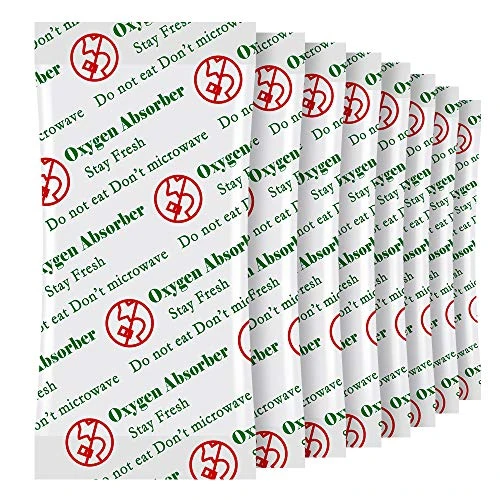
Keep unused oxygen absorbers fresh for future use. Place them in a sealed container like a mason jar or a mylar bag. Remove as much air as possible before sealing. Store the container in a cool, dry place away from sunlight. Avoid opening this container often to prevent oxygen exposure. Proper storage extends the life of unused absorbers and saves money.

Credit: www.amazon.com
Common Mistakes To Avoid
Using oxygen absorbers correctly helps keep food fresh longer. Mistakes reduce their effectiveness and can spoil stored food. Avoiding common errors ensures the absorbers work well and protect your food.
Using Absorbers With Moist Foods
Oxygen absorbers are designed for dry foods only. Moist foods like fruits, vegetables, or cheese can cause mold or bacteria growth inside the container. The absorbers cannot remove moisture, leading to spoilage. Always use absorbers with low-moisture items such as rice, beans, or dried pasta.
Reusing Old Packets
Once opened, oxygen absorbers start absorbing oxygen immediately. Using old or previously opened packets reduces their power. They may no longer remove enough oxygen to protect your food. Always use fresh, unopened packets for each storage project. Store unused packets in an airtight container to keep them fresh.
Improper Sealing
Proper sealing is vital for oxygen absorbers to work. If the container is not airtight, oxygen will leak in and spoil the food. Use heat sealers for mylar bags or tightly screw lids on jars. Check seals carefully to prevent air from entering. A weak seal defeats the purpose of using absorbers.
Maximizing Shelf Life
Maximizing shelf life is key to keeping food fresh and safe for longer periods. Oxygen absorbers help by removing oxygen, which slows down spoilage and prevents mold growth. Using these absorbers correctly can extend the life of your stored food significantly.
Proper storage techniques combined with oxygen absorbers create the best conditions for long-term food preservation. Here are some ways to maximize shelf life effectively.
Combining With Vacuum Sealing
Vacuum sealing removes air from the package, reducing oxygen levels. Adding oxygen absorbers inside the vacuum-sealed bag improves freshness. This combination protects food from oxidation and pests. It also helps maintain flavor, texture, and nutrients for months or even years.
Labeling And Rotation
Label each container with the packing date and contents. This helps you track how long food has been stored. Use the oldest items first to avoid waste. Regularly check your stored food for any signs of spoilage. Keeping a rotation system ensures you always eat fresh, safe food.

Credit: foodal.com
Practical Applications
Oxygen absorbers have many practical uses in food storage. They remove oxygen inside sealed containers. This slows down spoilage and keeps food fresh longer. Using oxygen absorbers is simple and effective for different storage needs.
Long-term Food Storage
Oxygen absorbers help preserve dry foods like rice, beans, and pasta. They stop oxygen from causing mold, bugs, and rancidity. This extends the shelf life by years. People store bulk foods safely for months or years. It is ideal for storing freeze-dried meals and dehydrated fruits.
Emergency Preparedness
Oxygen absorbers are essential for emergency food kits. They keep food safe during power outages or disasters. Long-lasting food means less worry about spoilage. These absorbers allow you to prepare meals in advance. Ready-to-eat food stays fresh for quick access.
Home Pantry Management
Using oxygen absorbers improves regular pantry storage. They protect opened packages of grains, nuts, and snacks. It prevents stale flavors and insect damage. This reduces food waste and saves money. It also keeps bulk purchases fresh longer after opening.
Frequently Asked Questions
How To Use Oxygen Absorbers For Food Storage?
Place dry food in an airtight container. Add the correct oxygen absorber packets on top. Seal immediately to lock out oxygen. Store unused packets in a sealed bag. Use for low-moisture foods only to extend shelf life effectively.
What Foods Cannot Be Stored With Oxygen Absorbers?
Avoid storing moist foods like cheese, fresh produce, or oily items with oxygen absorbers. Do not use them with salt, sugar, or vacuum-sealed products. Oxygen absorbers work best with dry, low-moisture foods to prevent spoilage and maintain freshness effectively.
Can Oxygen Absorbers Extend Shelf Life?
Oxygen absorbers remove oxygen from sealed containers, slowing spoilage and preventing mold. They effectively extend dry food shelf life. Use them with airtight packaging and dry foods for best results. Avoid using with moist foods, as absorbers work best on low-moisture items.
What Is The Disadvantage Of An Oxygen Absorber?
Oxygen absorbers can lose effectiveness if exposed to air too long before sealing. They don’t work well with moist foods. Incorrect use may cause spoilage or packet damage. They also add extra cost to packaging. Proper handling and airtight sealing are essential for best results.
Conclusion
Oxygen absorbers help keep food fresh much longer. They remove oxygen, which slows down spoilage. Using airtight containers with absorbers blocks air from entering. This stops mold, bacteria, and insects from growing. Foods like grains, pasta, and dried meals stay safe and tasty.
Always seal containers tightly and use fresh absorbers each time. Store unused packets properly to keep them effective. Small steps like these make a big difference in food storage. Try oxygen absorbers to protect your food and reduce waste.