
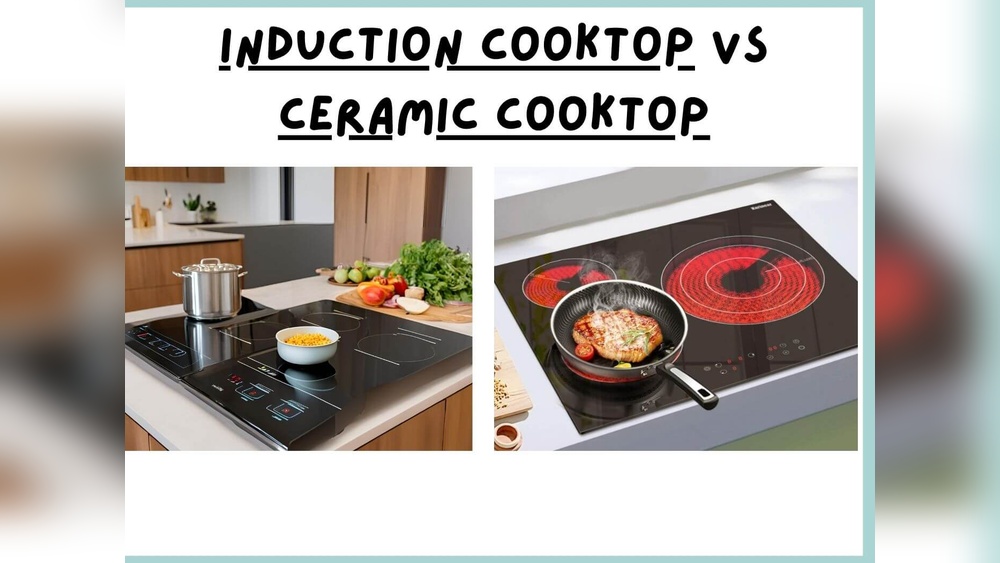
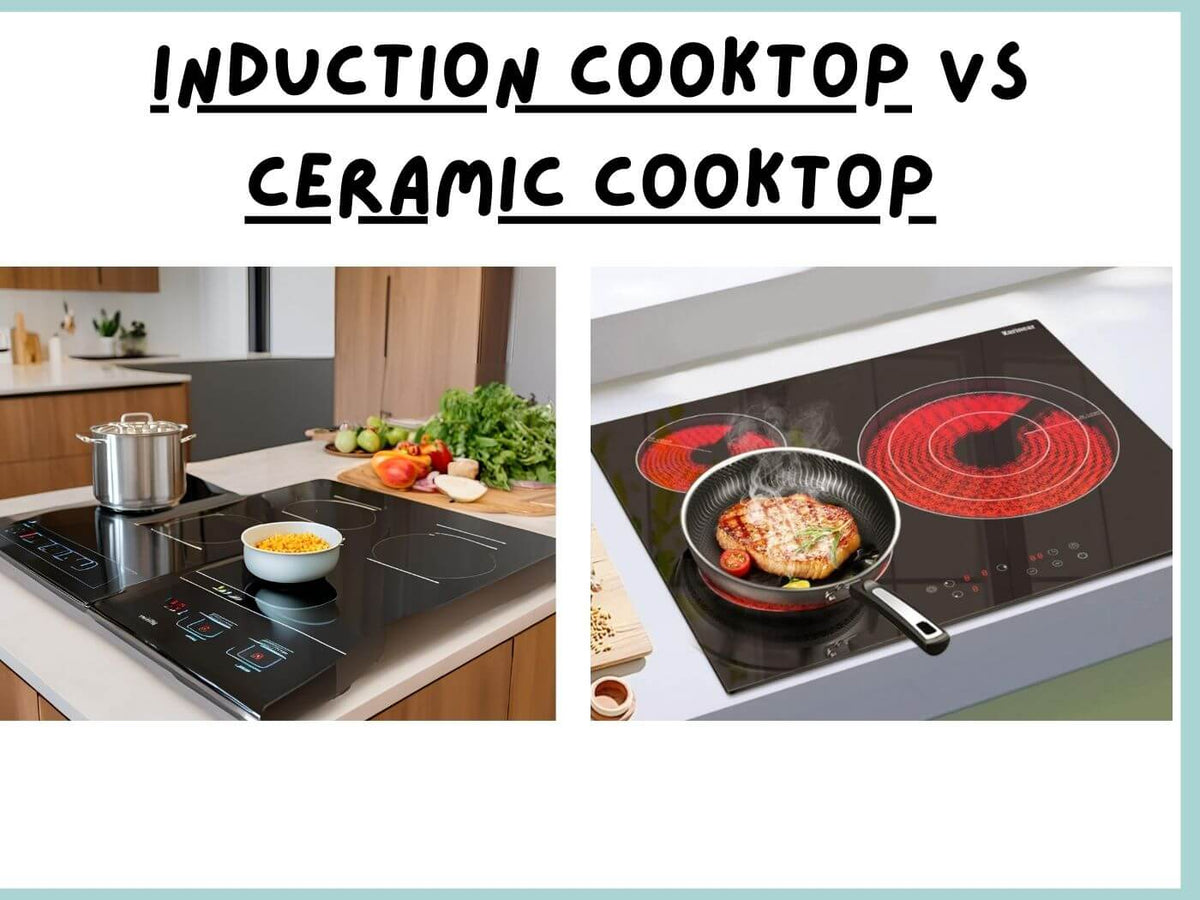
Choosing the right cooktop can change the way you prepare your meals every day. If you’re torn between an induction cooktop and a ceramic cooktop, you’re not alone.
Both offer sleek designs and modern cooking features, but they work very differently—and that can affect your cooking speed, safety, and even the kind of pots and pans you use. You’ll discover the key differences that matter most to you, helping you pick the perfect cooktop to fit your kitchen and lifestyle.
Ready to find out which one matches your needs? Let’s dive in.
Induction Cooktop Basics
Induction cooktops offer a modern way to cook food quickly and safely. They use magnetic fields to heat pots and pans directly. This method makes cooking faster and more energy-efficient than traditional cooktops. Understanding the basics of induction cooktops helps to see how they compare with ceramic cooktops.
How Induction Heating Works
Induction cooktops use electromagnetic energy to heat cookware. The cooktop creates a magnetic field that generates heat inside the pot or pan. The surface itself stays cool, making it safer to touch. This direct heating cuts down cooking time and reduces wasted energy.
Cookware Compatibility
Not all cookware works with induction cooktops. They need pots and pans made from magnetic materials like cast iron or stainless steel. Cookware made from glass, aluminum, or copper will not heat on induction surfaces. Testing with a magnet can check if your cookware is compatible.
Energy Efficiency
Induction cooktops use less energy than other types. They heat food faster and lose less heat to the air. This efficient use of energy lowers electricity bills. It also means cooking is quicker, saving time in the kitchen.
Ceramic Cooktop Essentials
Ceramic cooktops are popular for their sleek look and smooth surface. They blend well in modern kitchens. Understanding their basics helps you use them safely and efficiently.
This section covers the heating mechanism, cookware needs, and surface material. These points explain how ceramic cooktops work and what suits them best.
Heating Mechanism
Ceramic cooktops use electric heating elements beneath the glass surface. The elements heat up and transfer heat to the ceramic glass. The glass then heats the cookware directly. This method takes a little time to warm up and cool down.
Cookware Requirements
Cookware must have a flat bottom to touch the cooktop fully. Materials like stainless steel, cast iron, and aluminum work well. Avoid glass or ceramic pots as they may not heat evenly or scratch the surface. Using proper cookware improves cooking results and protects the cooktop.
Surface Material
The cooktop surface is made from tough, heat-resistant ceramic glass. It looks smooth and shiny. This surface is easy to clean but can scratch if you slide rough cookware. Avoid dropping heavy items to prevent cracks. The ceramic glass spreads heat evenly across the cooking area.
Cost Comparison
Comparing costs between induction and ceramic cooktops helps buyers choose wisely. Costs vary in purchase price, cookware needs, and energy use over time. Understanding these factors reveals the true expenses of each option.
Initial Purchase Price
Induction cooktops usually cost more upfront than ceramic models. The advanced technology in induction drives the price higher. Ceramic cooktops have simpler designs, making them cheaper to buy. Budget-conscious buyers often prefer ceramic for this reason.
Cookware Expenses
Induction cooktops need magnetic cookware like cast iron or some stainless steel. If your current pots do not work, you must buy new sets. Ceramic cooktops heat any type of cookware, so no extra cost is needed. This makes ceramic cooktops more flexible in cookware use.
Long-term Energy Costs
Induction cooktops use energy more efficiently than ceramic ones. They heat pots directly, wasting less electricity. Ceramic cooktops lose more heat to the air, raising energy bills. Over time, induction cooktops can save money on electricity.
Credit: karinearappliances.com
Performance And Control
Performance and control are crucial when choosing between induction and ceramic cooktops. These features affect cooking speed, accuracy, and overall ease of use. Understanding how each cooktop performs can help you decide which fits your kitchen needs better.
Heating Speed
Induction cooktops heat up very fast. They use magnetic fields to directly warm the cookware. This means heat goes straight to the pot or pan, saving time and energy.
Ceramic cooktops take longer to heat. They use electric coils under a glass surface. Heat must pass through the glass before reaching the cookware. This can slow down cooking.
Temperature Precision
Induction cooktops offer excellent temperature control. You can adjust heat in small steps. This helps avoid burning or undercooking food.
Ceramic cooktops provide less precise control. Heat changes slower because the glass surface retains warmth. It takes time for the cooktop to cool or heat again.
User Experience
Induction cooktops feel responsive and easy to control. The surface stays cooler, reducing burn risks. Many models have touch controls and safety features.
Ceramic cooktops are simple but less responsive. The glass surface can get very hot, so caution is needed. Controls often use knobs, which some users prefer.
Safety Features
Safety features play a major role when choosing between an induction cooktop and a ceramic cooktop. Both types offer unique safety benefits and risks that affect daily use. Understanding these aspects helps you make a safer choice for your kitchen.
Burn Risks
Induction cooktops heat only the cookware, not the cooktop surface. This reduces the chance of burns from touching the stove. Ceramic cooktops heat the entire surface, which stays hot longer after cooking. The risk of accidental burns is higher with ceramic cooktops. Caution is needed when using both types, but induction offers quicker cool-down times.
Electrical Concerns
Induction cooktops use strong electromagnetic fields to heat pans. They require proper electrical wiring and grounding to avoid shocks. Ceramic cooktops run on electric heating elements under the glass surface. Both types must meet safety standards for electrical use. Induction cooktops may pose higher risks if not installed correctly.
Impact On Medical Devices
Induction cooktops generate electromagnetic fields that may interfere with pacemakers and other medical devices. People with these devices should consult a doctor before using induction cooktops. Ceramic cooktops do not create electromagnetic fields, making them safer for those users. Always check your health situation before choosing a cooktop.
Maintenance And Durability
Maintenance and durability are key factors when choosing between an induction cooktop and a ceramic cooktop. Both types need care to keep them looking good and working well. Their surface materials and heating technologies affect how you clean and how long they last. Understanding these differences helps you pick the best option for your kitchen.
Cleaning Tips
Induction cooktops have smooth glass tops that cool quickly. Wipe spills immediately with a soft cloth and mild cleaner. Avoid abrasive pads that can scratch the surface.
Ceramic cooktops also feature glass surfaces but may get hotter after use. Use a scraper carefully to remove burnt food. Clean with a gentle cleaner and soft cloth to keep it shiny.
Scratch Resistance
Induction cooktops are less prone to scratches thanks to their tough glass. Still, rough cookware can leave marks. Use flat-bottomed pots made for induction.
Ceramic cooktops can scratch more easily. Cookware with rough or uneven bottoms can damage the surface. Handle pots and pans gently to avoid scratches.
Longevity
Induction cooktops often last longer due to efficient heat control and fewer hot spots. Proper care extends their lifespan significantly.
Ceramic cooktops wear down faster if not cleaned well or if scratched. Regular maintenance helps preserve their look and function over time.
Power Dependency
Power dependency plays a crucial role in choosing between an induction cooktop and a ceramic cooktop. Understanding how each type relies on electricity helps in making a practical decision. Both cooktops need power, but the way they use it and their behavior during power issues differ significantly.
Working During Outages
Induction cooktops stop working when the power goes out. They depend entirely on electricity to create heat using magnetic fields. Without power, there is no heat, so cooking halts immediately.
Ceramic cooktops also need electricity but use electric heating elements under the glass surface. When power fails, they too cannot function. Neither cooktop works without electricity, unlike gas stoves that can operate during outages.
Energy Source Considerations
Induction cooktops use electromagnetic energy to heat only the cookware. This method is efficient and fast, reducing wasted energy. It requires special magnetic pots and pans to work properly.
Ceramic cooktops use electric resistance coils to heat the cooking surface. The surface then transfers heat to the cookware. This process is slower and less efficient than induction, but any type of cookware can be used.
Both cooktops rely on a stable electrical supply. If electricity costs or availability are concerns, these factors must be considered before buying.
Noise And Sensory Factors
Noise and sensory factors play a key role in choosing between induction and ceramic cooktops. These elements affect comfort and overall cooking experience. Understanding the differences helps in making a better decision for your kitchen.
Buzzing Sounds
Induction cooktops can produce a buzzing or humming noise. This sound usually happens at higher power levels. The noise comes from the magnetic field interacting with the cookware. Some people find this sound distracting, while others hardly notice it. Ceramic cooktops, by contrast, are mostly silent during use. They heat through electric coils beneath the glass, which do not generate buzzing. If a quiet kitchen matters, ceramic cooktops may feel more peaceful.
Visual Indicators
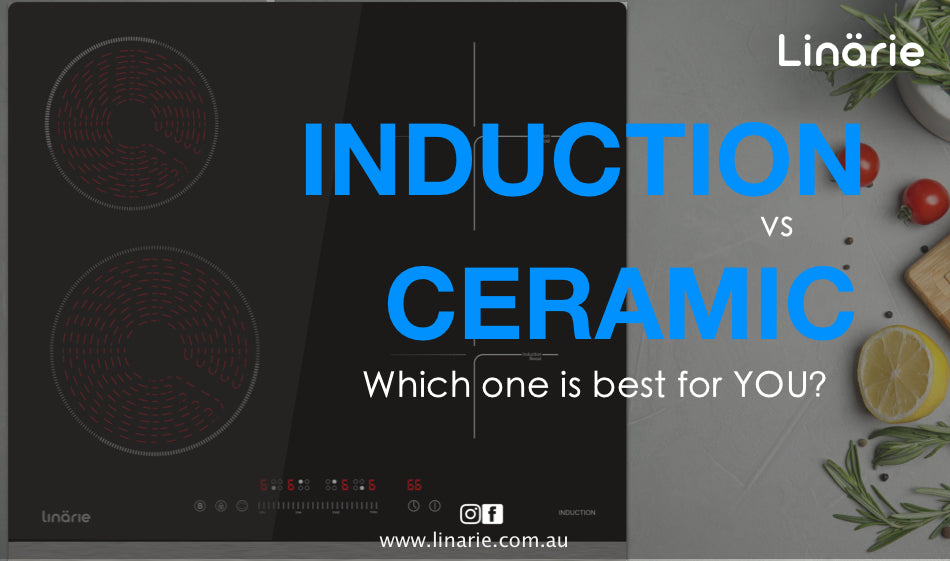
Both cooktops offer clear visual cues for safety and control. Induction cooktops often light up specific zones to show active heating. These lights turn off quickly after cooking stops. Ceramic cooktops glow red when hot, warning users to avoid touching the surface. This glowing fades slowly as the cooktop cools. Visual indicators help prevent burns and give instant feedback on cooking status. They add an important layer of safety in busy kitchens.
Cooking Styles And Adaptation
Choosing between an induction cooktop and a ceramic cooktop involves understanding how each affects cooking styles. Both cooktops heat differently, requiring cooks to adapt their methods. The adjustment impacts how quickly food cooks and how easily temperature changes happen. Learning to handle these differences helps improve cooking results and kitchen efficiency.
Learning Curve For Induction
Induction cooktops heat food using magnetic energy. This method heats faster than traditional cooktops. Cooks must get used to rapid temperature changes. Instant heat means less waiting but more attention. Precise control helps avoid burning or overcooking food. New users may find the fast heating surprising. It takes practice to adjust cooking times properly.
Adjusting To Ceramic Heat
Ceramic cooktops use electric coils beneath a glass surface. Heat spreads slowly and cools down gradually. Cooking requires patience and careful timing. Cooks must allow extra time to change temperatures. The slower response means less chance of sudden burns. Ceramic surfaces stay hot after use, so caution is needed. Learning to manage residual heat improves safety and cooking quality.
Credit: linarie.com.au
Environmental Impact
Choosing the right cooktop affects the environment in many ways. Energy use and materials both matter. Induction and ceramic cooktops differ in these areas. Understanding their environmental impact helps make better choices for the planet.
Energy Consumption
Induction cooktops use electromagnetic energy to heat pots directly. This method wastes less heat and cooks food faster. It uses about 80-90% of the energy efficiently. Ceramic cooktops use electric heating elements under glass. They lose more heat to the air, using only 60-70% of energy efficiently. Lower energy use means less electricity demand and fewer carbon emissions. Induction cooktops help reduce energy bills and carbon footprints.
Sustainability Aspects
Induction cooktops often last longer due to fewer moving parts. Their glass surfaces are easy to clean, reducing the need for harsh chemicals. Ceramic cooktops also have glass tops but can be more fragile and prone to cracking. Both types require electricity, but induction’s faster cooking reduces total energy use. Manufacturing impact varies; induction units involve complex electronics, while ceramic cooktops have simpler designs. Recycling options depend on local facilities, but fewer parts in ceramic cooktops can ease recycling. Choosing durable, energy-efficient cooktops supports sustainability goals.

Credit: www.fixr.com
Frequently Asked Questions
What Is The Downside Of An Induction Cooktop?
Induction cooktops cost more upfront and need magnetic cookware. They don’t work during power outages and may cause buzzing sounds or surface scratches.
What Are The Disadvantages Of A Ceramic Cooktop?
Ceramic cooktops scratch easily and can crack from heavy impacts. They heat slower and retain heat longer, risking burns. Cleaning requires care to avoid damage. They consume more energy compared to induction models and may not distribute heat evenly.
What Cannot Be Cooked On Induction?
Induction cooktops cannot heat non-magnetic cookware like glass, ceramic, copper, aluminum, and some stainless steel pans. They also fail with damaged or warped pots.
Can I Use Cast Iron On Induction?
Yes, cast iron works well on induction cooktops because it is magnetic and heats efficiently. It may take longer to adjust temperature.
Conclusion
Choosing between an induction and ceramic cooktop depends on your needs. Induction cooktops heat food quickly and use less energy. Ceramic cooktops are usually cheaper and work with all cookware. Induction requires special pots and pans but offers precise temperature control.
Ceramic is easier to use and fits well in many kitchens. Think about your budget, cooking habits, and kitchen setup before deciding. Both types have pros and cons that affect daily cooking. Pick the one that matches your lifestyle for the best experience.