
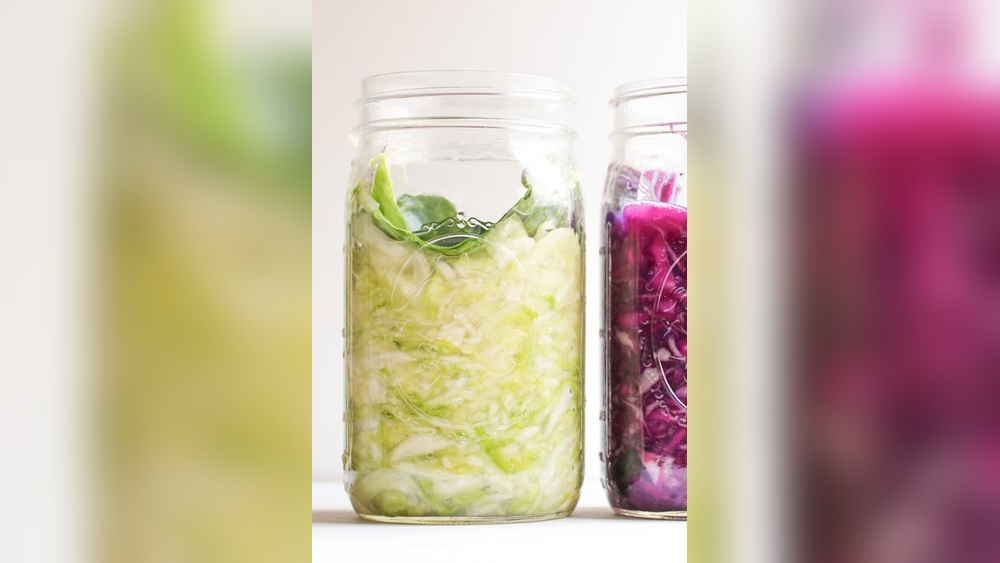
If you’ve ever wondered how to make your own sauerkraut right at home, you’re in the perfect place. Making sauerkraut in a mason jar is simpler than you think, and it’s a great way to enjoy fresh, tangy, and healthy fermented cabbage anytime you want.
Imagine having a jar filled with crunchy, flavorful sauerkraut that you made yourself—no preservatives, just natural goodness. In this guide, you’ll learn step-by-step how to transform simple cabbage and salt into a delicious probiotic-rich treat using just a mason jar.
Stick with me, and by the end, you’ll be ready to create your own batch that will impress your taste buds and boost your gut health. Ready to get started? Let’s dive in!
Ingredients Needed
Making sauerkraut in a mason jar requires only a few simple ingredients. Each plays an important role in the fermentation process. Using fresh and quality items ensures the best flavor and texture. Here is what you need to prepare before starting your sauerkraut.
Choosing The Right Cabbage
Select a firm, fresh head of green cabbage. Look for tight, crisp leaves without blemishes or brown spots. Organic cabbage is a good choice to avoid pesticides. Medium to large heads work well for mason jars. The cabbage should weigh about two to three pounds for one quart jar.
Selecting The Salt
Use pure, non-iodized salt for fermentation. Sea salt or kosher salt is ideal because they do not contain additives. Avoid table salt with anti-caking agents. Salt helps draw water from the cabbage and controls harmful bacteria. The recommended amount is about 1 to 3 tablespoons per five pounds of cabbage.
Optional Flavor Additions
Add spices or herbs to customize your sauerkraut flavor. Caraway seeds, juniper berries, or mustard seeds add a classic taste. Garlic cloves or sliced onions bring extra zest. Fresh dill or bay leaves can also enhance aroma. These extras are optional but make your sauerkraut more interesting.
Credit: www.thekitchn.com
Preparing The Cabbage
Preparing the cabbage is the first important step in making sauerkraut in a mason jar. Fresh, clean cabbage creates the best base for fermentation. Proper preparation helps the cabbage release its natural juices. These juices are essential for the fermentation process.
Each step in preparing the cabbage affects the final taste and texture. Take your time washing, slicing, and massaging the cabbage. These actions ensure a crisp and flavorful sauerkraut.
Washing And Cleaning
Start by removing any wilted or damaged outer leaves. Rinse the cabbage under cold running water. Clean it thoroughly to remove dirt and insects. Pat the cabbage dry with a clean towel. This step prevents unwanted bacteria from spoiling your sauerkraut.
Slicing Techniques
Cut the cabbage into quarters and remove the core. Slice the cabbage thinly for even fermentation. Thin slices release more juice and ferment faster. Use a sharp knife or a mandoline slicer for best results. Uniform slices help the salt mix evenly.
Massaging With Salt
Place the sliced cabbage in a large bowl. Sprinkle sea salt evenly over the cabbage. Use about 1 to 2 tablespoons of salt per pound of cabbage. Massage the salt into the cabbage with clean hands. Press and squeeze until the cabbage softens and releases liquid. This liquid will become the natural brine that ferments the sauerkraut.
Packing The Mason Jar
Packing the Mason jar is an important step in making sauerkraut. It ensures the cabbage ferments properly and stays submerged in its juices. Proper packing prevents mold and creates the right environment for good bacteria to grow.
Follow simple steps to fill your jar correctly. This helps you get crunchy, flavorful sauerkraut every time.
Choosing The Right Jar
Select a clean Mason jar with wide mouth for easy packing. A quart size jar works well for small batches. Glass jars do not react with the acid in sauerkraut, keeping flavors pure. Avoid jars with cracks or chips to prevent leaks.
Layering The Cabbage
Start by loosely packing shredded cabbage into the jar. Press it down firmly using your fist or a tamper. This releases natural juices that help fermentation. Leave about two inches of space at the top for expansion. Layer evenly to avoid air pockets that cause spoilage.
Adding Weights For Fermentation
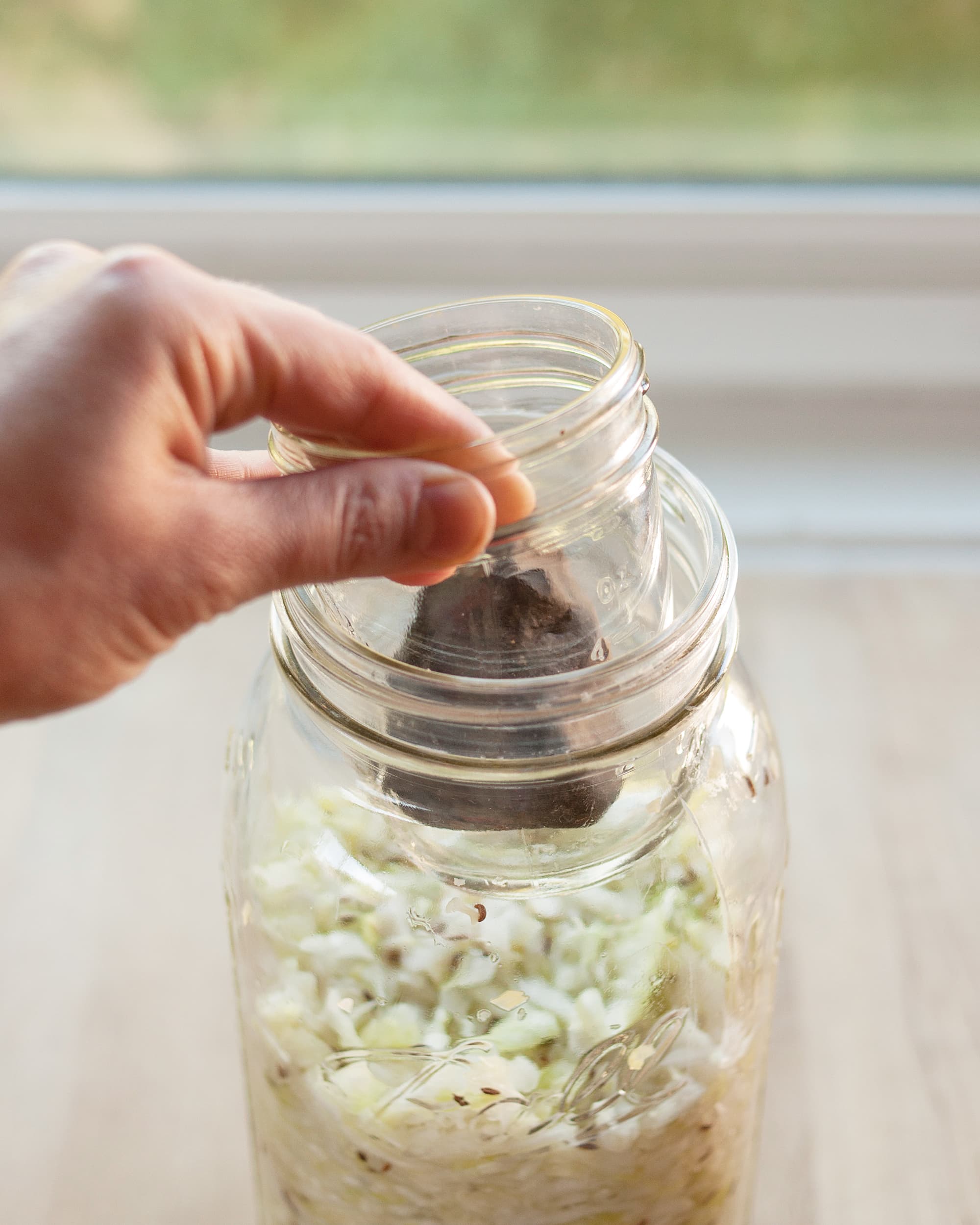
Keep the cabbage submerged under its liquid by using weights. You can use a smaller jar filled with water or a clean fermentation weight made for Mason jars. This prevents exposure to air, which can spoil your sauerkraut. Cover the jar with a cloth or lid to keep dust out but allow gases to escape.
Fermentation Process
The fermentation process is the heart of making sauerkraut in a mason jar. It transforms fresh cabbage into a tangy, flavorful treat. During fermentation, natural bacteria break down sugars in the cabbage. This creates lactic acid, which preserves the sauerkraut and adds its signature sour taste.
Fermentation is simple but needs the right conditions to work well. Watch the jar closely and manage the environment to help good bacteria thrive. This ensures your sauerkraut turns out crisp and tasty every time.
Ideal Temperature Settings
Keep your mason jar in a cool spot between 65°F and 72°F. This temperature range helps the bacteria grow steadily. Too cold slows fermentation. Too hot may cause bad bacteria to grow.
A kitchen counter away from direct sunlight is perfect. Avoid places with wide temperature swings. Consistent warmth produces the best flavor and texture in your sauerkraut.
How To Burp The Jar
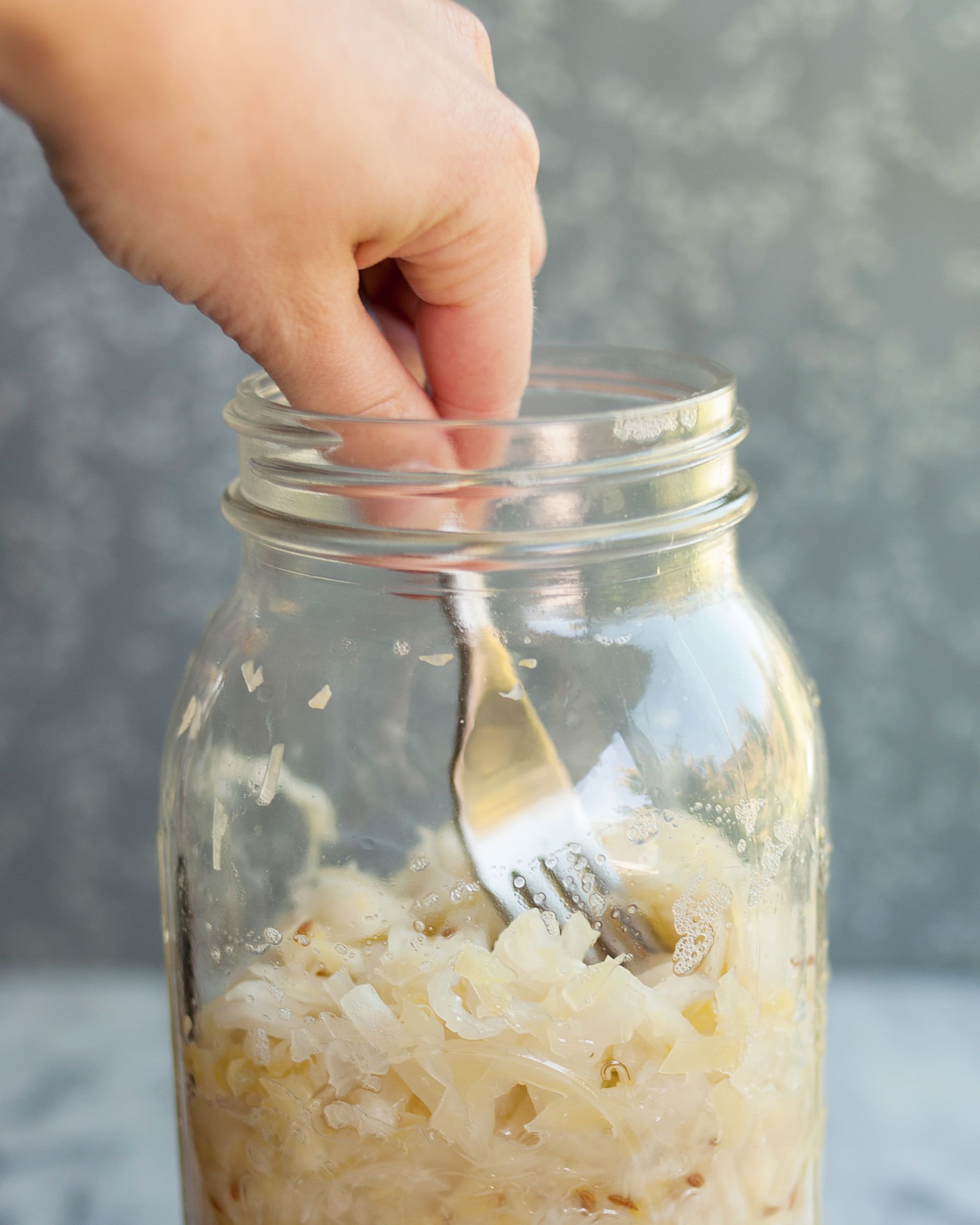
Fermentation produces gas, which builds pressure inside the jar. Burping means opening the lid briefly to release this gas safely. Do this once a day during the first week.
Open the lid slowly to avoid spills. Listen for the hiss of escaping air. After burping, seal the jar tightly again. This step prevents the jar from cracking or leaking.
Monitoring Bubbling And Fizzing
Look for small bubbles rising in the jar. Bubbling shows active fermentation. It usually starts within a day or two. The fizzing sound is a good sign that bacteria are working.
Bubbling is strongest in the first 3 days. Then it slows down as fermentation nears completion. If no bubbles appear after several days, check the temperature and salt amount. Adjust as needed to help fermentation start.
Taste Testing
Taste testing is a key step in making sauerkraut in a mason jar. It helps you know when the fermentation is just right. Sampling your sauerkraut during fermentation guides you to the perfect flavor and texture. It also helps avoid over-fermentation or under-flavoring.
When To Start Tasting
Start tasting sauerkraut after three days of fermentation. Early on, it tastes mild and slightly sweet. As days pass, the flavor changes and becomes tangier. Use a clean spoon to take a small bite. Always close the jar tightly after tasting.
Adjusting Fermentation Time
Fermentation time affects the sauerkraut’s sourness. Shorter fermentation means milder flavor. Longer fermentation creates stronger tanginess. If you want less sour kraut, refrigerate it sooner. For more sourness, leave it to ferment up to three weeks. Remember, temperature also changes how fast it ferments.
Recognizing Desired Tanginess
Desired tanginess varies for each person. Look for a balance between sour and salty flavors. The texture should feel crunchy but tender. If it tastes too sharp, fermentation went too long. If it feels bland, it needs more time. Trust your taste buds and adjust the process for the best result.
Finishing And Storage
After your sauerkraut has fermented to your liking, it is time to finish and store it properly. This step ensures your sauerkraut stays fresh and flavorful for weeks. Proper finishing and storage also prevent mold and spoilage. Follow these simple steps to keep your homemade sauerkraut safe and delicious.
Removing Weights And Leaves
Carefully take out the weights used to keep the cabbage submerged. Remove any outer leaves that have turned slimy or discolored. These leaves can affect the taste and texture of your sauerkraut. Leave the clean, crisp sauerkraut inside the jar. Always use clean hands or utensils to avoid contamination.
Sealing The Jar Properly
Use a clean lid to seal your mason jar tightly. If you used a fermentation lid, replace it with a regular jar lid for storage. Ensure the lid is screwed on firmly but not overly tight. This allows gases to escape slowly without causing pressure buildup. Proper sealing helps maintain the sauerkraut’s flavor and texture.
Refrigeration Tips
Store your sealed jar in the refrigerator for best results. Cold temperatures slow fermentation and keep sauerkraut crisp. Keep the jar away from direct sunlight and heat sources. Check the sauerkraut occasionally for any signs of mold or off smells. Proper refrigeration can keep your sauerkraut fresh for several months.
Troubleshooting Common Issues
Making sauerkraut in a mason jar is simple but some common problems may occur. These issues can affect taste, texture, and safety. Knowing how to fix them helps ensure your sauerkraut turns out great every time. Below are tips for handling the most frequent challenges.
Dealing With Mold
Mold can form on the surface during fermentation. It usually looks fuzzy and can be white, green, or blue. Remove the mold by carefully scooping it off with a clean spoon. Make sure the cabbage below looks healthy and smells sour but fresh. If mold keeps returning, check that the cabbage stays submerged in its brine. Use a weight like a small jar or fermentation stone to keep it underwater.
Preventing Off Flavors
Off flavors may come from dirty jars or poor-quality cabbage. Always start with clean jars and fresh cabbage. Use the right amount of salt; too little salt lets bad bacteria grow. Too much salt slows fermentation and can cause bitterness. Keep the jar in a cool spot, about 65-70°F (18-21°C). Avoid direct sunlight. These steps help maintain the classic tangy flavor of sauerkraut.
Handling Slow Fermentation
Slow fermentation happens when the temperature is too low. Sauerkraut ferments best at room temperature. If it is cold, the process takes longer. Move the jar to a warmer place, like near a kitchen counter. Check the cabbage is fully covered by the brine. Lack of salt or too much salt can also slow fermentation. Taste the sauerkraut after one week to see progress. Patience is key for good results.
Creative Variations
Creative variations make homemade sauerkraut exciting and unique. Experimenting with flavors lets you enjoy different tastes and textures. Small changes can brighten your sauerkraut and suit your preferences. Try these simple ideas to customize your sauerkraut in a mason jar.
Adding Caraway Seeds
Caraway seeds add a warm, nutty flavor to sauerkraut. They complement the cabbage’s natural tanginess well. Sprinkle about one tablespoon of seeds per quart of cabbage. Crush the seeds lightly to release their aroma before mixing. This variation enhances the taste without changing the fermentation process.
Mixing In Other Vegetables
Adding other vegetables brings variety and color to your sauerkraut. Shredded carrots add sweetness and a bright orange hue. Thinly sliced onions provide a mild sharpness. Try radishes for a peppery crunch. Use fresh, firm vegetables to keep the texture crisp. Chop them finely to blend well with the cabbage.
Spicing It Up
Spices create bold and interesting sauerkraut flavors. Add crushed red pepper flakes for a spicy kick. Garlic cloves give a pungent, savory note. Use mustard seeds for a subtle tangy burst. Add spices in small amounts to avoid overpowering the ferment. Taste your sauerkraut during fermentation and adjust spices as needed.
Health Benefits
Making sauerkraut in a mason jar does more than create a tasty snack. It provides many health benefits that support your body in natural ways. This fermented food is rich in nutrients and good bacteria that improve your well-being. Understanding these benefits helps you appreciate why sauerkraut is a smart addition to your diet.
Probiotics And Gut Health
Sauerkraut contains probiotics, the good bacteria that help your digestive system. These bacteria balance the microbes in your gut. A healthy gut means better digestion and stronger immunity. Eating sauerkraut regularly can reduce bloating and improve nutrient absorption. It supports a happy stomach and overall wellness.
Nutritional Value
Cabbage used in sauerkraut offers vitamins C and K. These vitamins help your body fight infections and heal wounds. Sauerkraut is low in calories but rich in fiber, which aids digestion. It also contains antioxidants that protect your cells from damage. This makes sauerkraut a nutrient-packed food that benefits your health.
Using Sauerkraut In Recipes
Sauerkraut adds flavor and nutrition to many dishes. Use it as a topping for sandwiches or hot dogs. Mix it into salads for a tangy crunch. You can cook it with meats or add it to soups. Its versatility makes it easy to include in your meals and enjoy its health benefits.
Credit: www.thekitchn.com
Credit: robustrecipes.com
Frequently Asked Questions
How Long Does It Take To Ferment Sauerkraut In A Jar?
Ferment sauerkraut in a jar for 7 to 14 days at room temperature. Taste after one week for preferred tanginess. Refrigerate once ready to slow fermentation and preserve flavor.
How To Make Sauerkraut At Home In A Jar?
Chop cabbage finely and mix with salt. Pack tightly into a clean jar, pressing to release juice. Cover with a weight and cloth. Ferment at room temperature 1-3 weeks, tasting for desired sourness. Seal and refrigerate once ready.
What Are Some Common Mistakes When Cooking Sauerkraut?
Common mistakes include using too much salt, not packing cabbage tightly, exposing it to air, fermenting at wrong temperatures, and neglecting to burp jars.
Is Eating Sauerkraut Every Day Good For Your Gut?
Eating sauerkraut daily can boost gut health by providing probiotics and fiber. Moderation is key to avoid digestive discomfort.
Conclusion
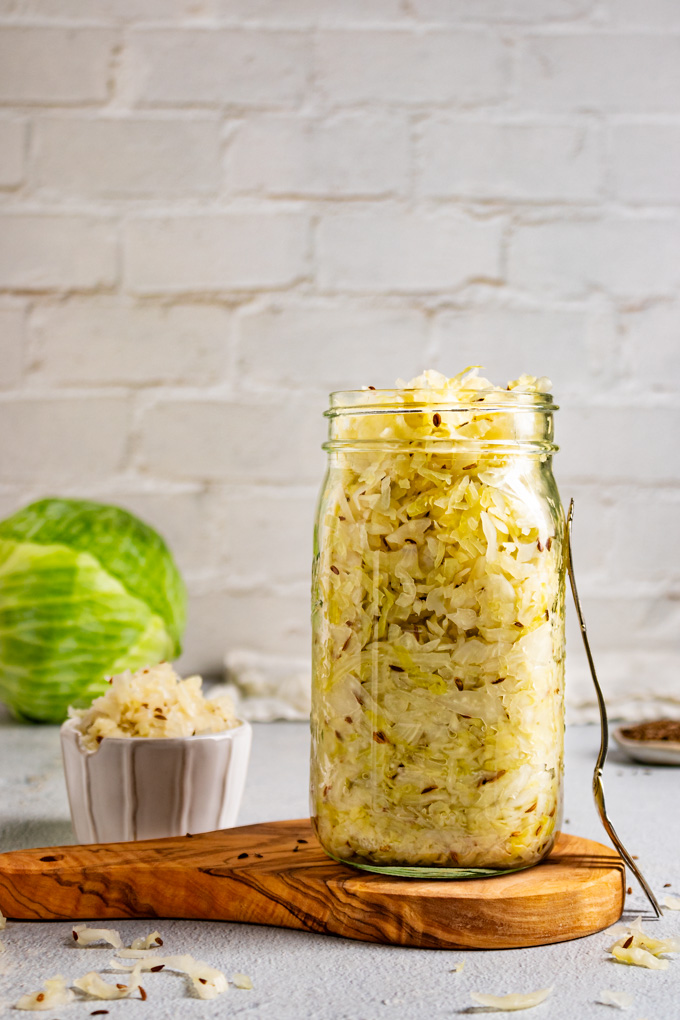
Making sauerkraut in a mason jar is simple and rewarding. Fresh cabbage, salt, and patience create a tasty, healthy snack. Watch for bubbling during fermentation—it shows good progress. Taste your sauerkraut after a week to find your favorite flavor. Store it in the fridge once it’s ready to slow fermentation.
Enjoy your homemade sauerkraut on sandwiches, salads, or as a side dish. This easy process lets you preserve food naturally at home. Give it a try and enjoy the fresh, tangy taste anytime.