
Have you ever wondered if coffee beans and cocoa beans come from the same family? You might be surprised to learn that while these two beloved ingredients often share a spot in your kitchen and even a cup in your hand, they are actually quite different.
Yet, their similarities in processing and flavor pairing can easily confuse anyone. If you want to uncover the truth behind these beans—where they grow, how they’re made, and what makes them unique—keep reading. By the end, you’ll know exactly how coffee and cocoa relate, and why their connection matters to your next delicious drink.

Credit: goodking.co
Plant Origins
Understanding the characteristics of coffee beans and cocoa beans helps reveal their differences. Both beans come from plants that thrive in warm climates. They go through fermentation and roasting processes. These steps shape their unique flavors and uses. Despite some similarities, their traits are distinct.
Coffee Beans Defined
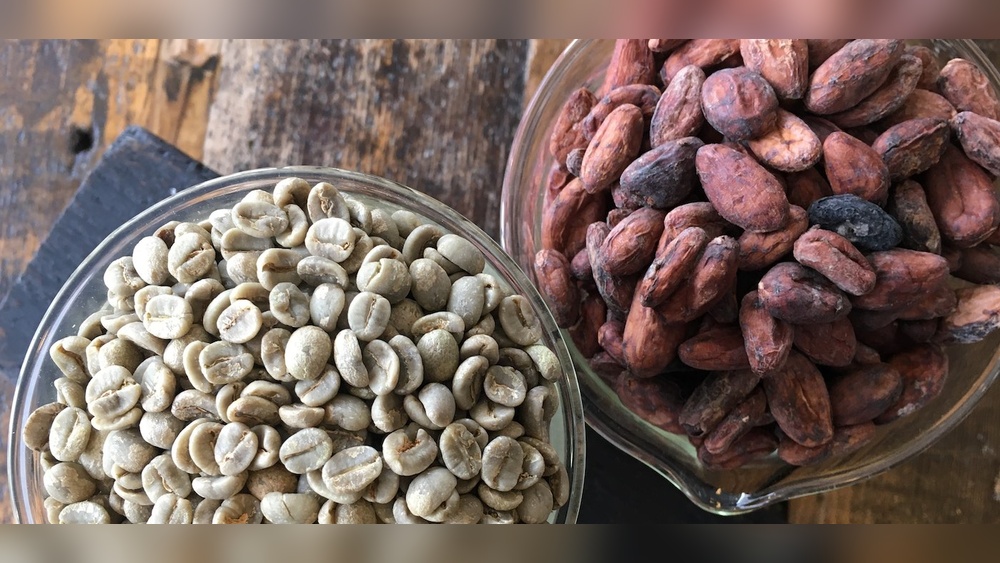
Coffee beans are seeds from the coffee cherry fruit. They grow on evergreen coffee plants. These beans vary in size and shape depending on the species. Roasting transforms them into the familiar brown coffee beans. They are used to brew the popular coffee beverage.
Cocoa Beans Defined
Cocoa beans are seeds from the cacao tree pods. The cacao tree is native to tropical regions of South America. Cocoa beans have a rough shell and a bitter taste before processing. They are fermented and roasted to develop chocolate flavors. These beans serve as the base for chocolate products.
Physical Differences
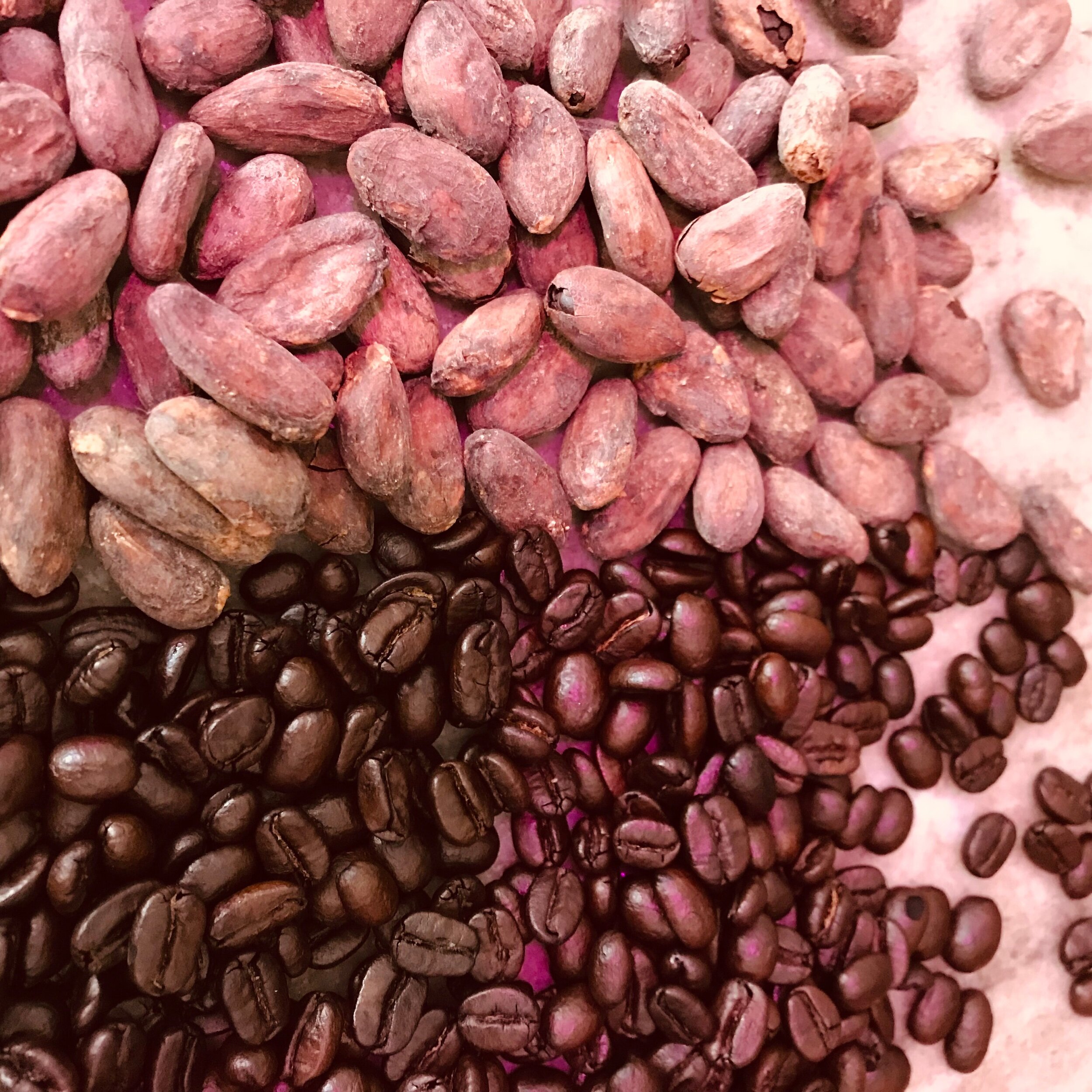
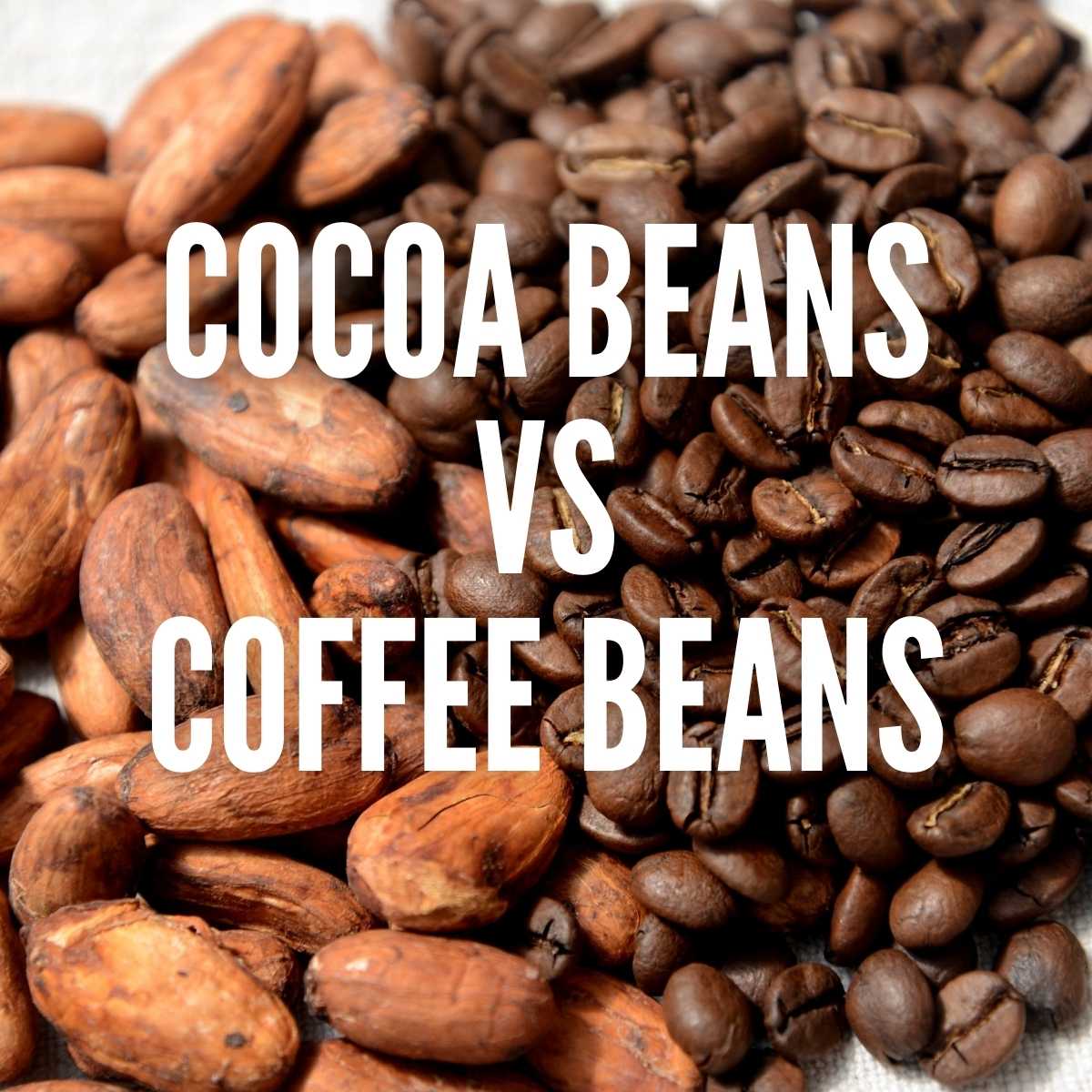
Coffee beans are generally oval and have a central groove. They are smaller and smoother than cocoa beans. Cocoa beans are larger and more irregular in shape. Their shells are thicker and harder. Coffee beans have a drier feel, while cocoa beans feel oily after roasting.
Credit: scienceofchocolate.com
Bean Characteristics
Flavor profiles reveal how coffee beans and cocoa beans differ and overlap. Both beans undergo roasting and grinding, yet their tastes and chemical contents set them apart. Understanding these flavors helps appreciate each bean’s unique qualities.
Taste Of Coffee
Coffee offers a bold, rich, and often bitter taste. It carries notes of earth, nuts, and sometimes fruit or floral hints. The roasting process deepens these flavors, creating complexity. Coffee’s taste can range from bright and acidic to dark and smoky.
Taste Of Cocoa
Cocoa has a deep, sweet, and slightly bitter flavor. Its taste is often described as chocolatey, with hints of fruit, nuts, or spice. Roasting cocoa beans brings out these warm, rich flavors. Unlike coffee, cocoa’s bitterness is balanced by natural sweetness.
Caffeine And Other Compounds
Coffee contains more caffeine than cocoa, giving it a stronger stimulating effect. Cocoa also has caffeine but in smaller amounts. Both beans contain antioxidants and other compounds that affect flavor and health. These chemical differences influence how each bean tastes and feels.
Processing Methods
Coffee beans and cocoa beans have unique roles in kitchens worldwide. Both are seeds from different plants but share a rich history in culinary use. Their flavors and textures bring depth to many dishes and drinks. Exploring their culinary uses reveals how each bean enhances food in special ways.
Coffee In Foods
Coffee is more than a morning drink. It adds bold flavor to desserts like tiramisu and coffee-flavored ice cream. Ground coffee can be used in rubs for meats, giving a smoky and rich taste. Coffee extracts and syrups enrich cakes and cookies. Its slightly bitter notes balance sweetness in many recipes.
Cocoa In Foods
Cocoa beans are essential for chocolate production. Cocoa powder is common in baking, from brownies to cakes. It brings a deep, chocolatey taste that is both rich and smooth. Cocoa butter, a fat from the beans, is used in chocolates and confections. Hot cocoa, a warm drink, uses cocoa powder for a creamy, comforting flavor.
Combining Flavors
Coffee and cocoa often appear together in recipes. Mocha blends coffee’s bitterness with cocoa’s sweetness. Chocolate-covered espresso beans offer a crunchy, flavorful snack. Combining these flavors creates a complex taste experience. Many chefs use this pairing to enhance desserts and drinks with layered notes.
Credit: www.texanerin.com
Frequently Asked Questions
Are Chocolate And Coffee Related Plants?
Chocolate and coffee come from different plants. Chocolate grows on Theobroma cacao trees. Coffee grows on coffee plants. Both thrive in similar tropical climates but are unrelated species.
Is Coffee Gotten From Cocoa?
No, coffee is not made from cocoa. Coffee comes from coffee beans, while cocoa comes from cacao beans. They are different plants and products.
What Is The Relationship Between Coffee And Chocolate?
Coffee and chocolate come from different plants; coffee from coffee beans, chocolate from cacao beans. Both are roasted and ground, sharing similar processing but distinct flavors and origins. They complement each other in taste but remain unrelated botanically.
Can You Brew Cocoa Beans Like Coffee Beans?
Yes, you can brew cocoa beans like coffee beans, but cocoa is usually processed into powder before brewing. Cocoa brews have a rich, chocolatey flavor, unlike coffee’s bitter taste. Brewing whole cocoa beans directly is less common and requires roasting and grinding first.
Conclusion
Coffee beans and cocoa beans come from different plants. Coffee grows on evergreen shrubs, while cocoa grows on tropical trees. Both beans undergo roasting and grinding, which can cause confusion. Their flavors differ: coffee tastes bitter and rich, cocoa tastes sweet and chocolatey.
People often combine them to create mocha drinks, blending their unique tastes. Understanding their differences helps appreciate each drink better. Both remain popular worldwide for distinct reasons. Enjoy your coffee or chocolate with this new knowledge in mind.