
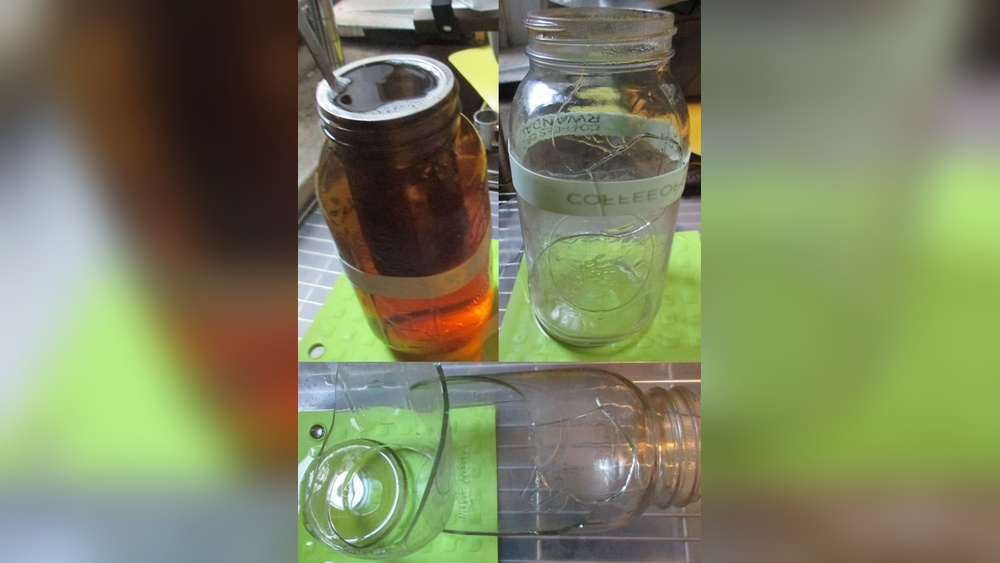
Have you ever wondered if you can pour boiling water straight into a Mason jar without any problems? Maybe you’re preparing homemade preserves, making a hot beverage, or just curious about the safety of this common kitchen practice.
The truth is, while Mason jars are designed to handle heat, pouring boiling water directly into a cold jar can be risky. You might end up with cracks, shattered glass, or even a kitchen accident. But don’t worry—understanding how heat affects these jars and the right way to handle them can save you from frustration and injury.
Keep reading to learn when and how you can safely pour boiling water into a Mason jar, and make the most of these versatile kitchen staples.
Credit: foodinjars.com
Glass Types And Heat Resistance
Understanding the type of glass used in jars is key to safely handling boiling water. Glass varies in heat resistance depending on its composition and manufacturing process. Some glasses can handle sudden temperature changes, while others break easily.
Choosing the right glass jar helps prevent accidents like shattering or burns. Learn how different glass types react to heat to know when it is safe to pour boiling water.
Standard Glass Vs Borosilicate
Standard glass jars are usually made from soda-lime glass. This glass is common and inexpensive but not very heat resistant. Pouring boiling water into a cold standard glass jar can cause it to crack or shatter.
Borosilicate glass is different. It contains silica and boron trioxide, which gives it higher thermal resistance. Borosilicate jars handle rapid temperature changes much better. They are less likely to break when exposed to boiling water.
Properties Of Soda-lime Glass
Soda-lime glass makes up most standard jars. It has low heat tolerance and expands unevenly when heated quickly. This uneven expansion leads to thermal shock, causing cracks.
Soda-lime glass is brittle and does not conduct heat well. It is not designed for high-temperature use like boiling water. Using soda-lime glass jars for hot liquids requires caution and pre-warming to avoid breakage.
Risks Of Pouring Boiling Water
Pouring boiling water directly into a mason jar carries several risks. The rapid change in temperature can cause serious damage to the glass. Understanding these risks helps prevent accidents and damage.
Thermal Shock Explained
Thermal shock happens when glass heats unevenly. The inside of the jar expands faster than the outside. Glass is fragile and cannot handle sudden temperature changes well. This uneven expansion puts stress on the glass. It may cause cracks or complete breakage.
Potential For Cracks And Shattering
Cold glass jars are not ready for boiling water. Pouring hot water into a cold jar causes it to crack. Sometimes, the jar shatters completely. Shattering sends glass shards flying. This destruction can ruin your food and create a mess.
Injury Hazards
Broken glass can cause cuts and wounds. Boiling water inside the jar can spill during breakage. Burns and scalds are common injuries. Handling hot jars without care increases the risk. Always be cautious to avoid accidents.
When Mason Jars Can Handle Heat
Mason jars are popular for preserving food and storing liquids. They are often used in canning, which involves heat. Not all glass jars tolerate heat well. Mason jars made for canning can handle heat better. Their design helps them resist breaking from hot liquids.
Understanding when and how these jars handle heat keeps you safe. It also helps keep your food fresh and uncontaminated. Learning about their design and limits is key to using them properly with hot water.
Design Features For Canning
Mason jars for canning are made from thick glass. This glass is stronger and more heat-resistant than regular glass. The jars have a wide mouth and a two-piece lid. This lid seals tightly to keep air out.
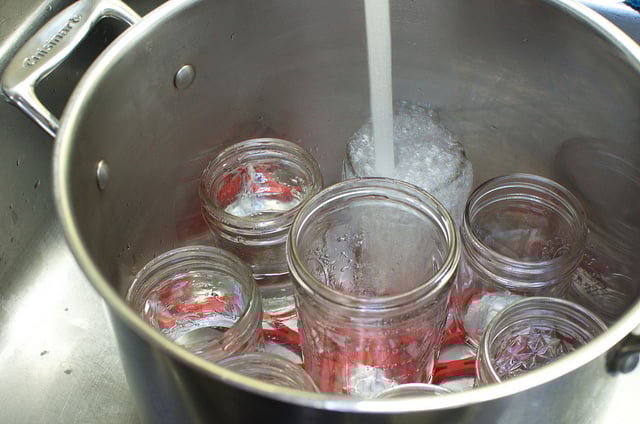
They are made to withstand boiling water in water bath canning. The jars can handle temperature changes better than normal glass. This reduces the risk of cracking during heating and cooling. Their design supports safe food preservation at high temperatures.
Limitations Of Mason Jars
Mason jars are not unbreakable. Sudden temperature changes can still cause them to crack. Pouring boiling water into a cold jar can cause thermal shock. This happens because glass expands quickly on the inside but not outside.
Jars can shatter if they are chipped or damaged. Do not use jars with cracks or scratches for hot liquids. Preheating the jar before adding boiling water helps prevent breakage. Always handle jars with care around heat.
Preparing Jars For Hot Liquids
Mason jars are popular for preserving food and storing liquids. Using them safely with hot liquids protects the jar and the user. Follow these simple steps to avoid cracks or breakage. Understanding the right method helps keep jars intact.
Submerging In Boiling Water
Place the mason jar in boiling water slowly. Do not drop it abruptly. Let the water cover the jar fully. This warms the jar evenly. It reduces stress caused by heat. Avoid sudden exposure to boiling water.
Avoiding Sudden Temperature Changes
Never pour boiling water into a cold jar. The quick temperature jump can cause cracks. Warm the jar first with hot tap water. Gradually increase the temperature. This prevents thermal shock. Always handle jars with care when hot.
Why Ovens Are Not Suitable
Ovens heat jars unevenly. The glass may expand in spots. This leads to cracks or breaks. Do not place mason jars directly in a hot oven. Use boiling water baths instead for safe heating. Always follow jar manufacturer guidelines.
Safe Practices For Using Mason Jars
Many people wonder about using Mason jars with hot or boiling water. Several myths and questions surround this topic. Understanding these can help you use Mason jars safely and effectively. Let’s clear up some common misconceptions and answer popular questions.
Can You Bake Mason Jars?
Mason jars are not made for baking. They are designed to hold liquids during canning, not to withstand direct oven heat. The glass can crack or shatter if exposed to high oven temperatures. Use only jars labeled as oven-safe if you want to bake glass containers.
Baking Mason jars may cause dangerous thermal shock. This happens when the glass heats unevenly and breaks. To stay safe, avoid putting Mason jars in the oven.
Is It Safe To Pour Boiling Water Directly?
Pouring boiling water straight into a cold Mason jar is risky. The sudden heat change causes thermal shock. This can make the jar crack or shatter.
Using jars made of heat-resistant glass reduces the risk. Preheating the jar before adding boiling water helps the glass adjust to the heat slowly. Fill the jar with warm water first, then pour out the water before adding boiling water.
Handling Cracked Jars
Do not use Mason jars that have cracks or chips. Cracks weaken the jar and can cause it to break suddenly. This is dangerous, especially with hot liquids.
If you notice any damage, discard the jar or recycle it safely. Always inspect your jars before use to prevent accidents and injuries.

Credit: www.reddit.com

Credit: www.reddit.com
Frequently Asked Questions
Is It Safe To Pour Boiling Water In A Glass Jar?
Pouring boiling water into a standard glass jar risks cracking due to thermal shock. Use heat-resistant or preheated jars for safety.
Can Mason Jars Tolerate Heat?
Mason jars tolerate heat well during canning and boiling water baths. Avoid sudden temperature changes to prevent cracking or shattering. Preheating jars reduces thermal shock risk. They are not oven-safe but handle high temperatures if heated gradually. Use only jars designed for canning to ensure safety.
Can Mason Jars Handle Boiling Water On Reddit?
Mason jars can handle boiling water if preheated to avoid thermal shock. Sudden temperature changes may cause cracks or shattering. Use jars designed for canning and warm them gradually before pouring boiling water. This prevents breakage and ensures safe use during boiling water baths.
Can You Pour Boiling Water Into A Mason Jar Safely?
Pouring boiling water into a standard mason jar is risky. It can shatter due to thermal shock. Use heat-resistant or preheated jars to reduce this risk.
Conclusion
Pouring boiling water into a standard glass jar risks cracks and breaks. Heat-resistant glass jars handle hot water better and safer. Preheating jars before adding boiling water lowers the chance of damage. Mason jars made for canning are designed to endure heat but still need care.
Always pour boiling water slowly to avoid sudden temperature changes. Use proper jars and techniques to keep your kitchen safe. Taking simple steps protects both you and your glass containers. Stay cautious and enjoy using your mason jars wisely.