
Have you ever wondered how those aromatic coffee beans make their way from the farm to your morning cup? Understanding how coffee beans are harvested can change the way you appreciate every sip.
Whether you’re a coffee lover or just curious about the process, knowing the steps behind harvesting reveals the care and skill involved. From handpicking the ripe cherries to the methods used in different regions, the journey of coffee beans is fascinating—and surprisingly complex.
Keep reading to discover how your favorite coffee starts its path to becoming that perfect brew you enjoy every day.

Credit: coffeehero.com.au
Coffee Growing Regions
Coffee growing regions are critical to the quality and flavor of coffee beans. The climate, altitude, and soil in these regions affect how coffee plants grow. These factors also influence the harvest methods and timing. Coffee thrives in specific parts of the world where conditions are just right. Understanding where coffee grows helps us appreciate the journey from bean to cup.
Global Coffee Belt
The Global Coffee Belt spans the area between the Tropic of Cancer and the Tropic of Capricorn. This zone includes parts of Latin America, Africa, and Asia. Here, temperatures, rainfall, and altitude provide ideal conditions for coffee plants. Countries like Brazil, Colombia, Ethiopia, and Vietnam are major coffee producers. Coffee farms in this belt use both hand-picking and mechanical harvesting. This region produces most of the world’s coffee supply.
Coffee In The United States
The United States grows coffee on a much smaller scale than major producers. Hawaii is the primary coffee-growing state, known for its Kona coffee. California also has some small coffee farms. These areas offer the warm climate and elevation coffee plants need. US coffee cultivation remains niche and mostly supports local markets. The unique conditions in these states allow for hand-harvesting methods.
Challenges In Us Coffee Cultivation
The US faces several challenges in growing coffee widely. Most of the country lacks the right climate for coffee plants. Coffee requires steady temperatures, high rainfall, and specific altitudes. The US also has high labor costs that increase production expenses. Water shortages and limited agricultural infrastructure add to difficulties. These factors limit coffee farming mostly to Hawaii and select California regions.
Coffee Plant Lifecycle
The coffee plant has a unique lifecycle that affects the quality of the beans. Understanding this lifecycle helps explain how coffee beans are harvested. The process starts with flowering and ends with ripe coffee cherries ready for picking. Each stage is important for the final taste of the coffee.
Flowering To Cherry Formation
Coffee plants bloom with small white flowers. These flowers have a sweet fragrance that attracts pollinators. After pollination, the flowers fall off. Tiny green coffee cherries begin to form. These cherries grow slowly over several months. The plant focuses energy on developing healthy cherries.
Ripening Process
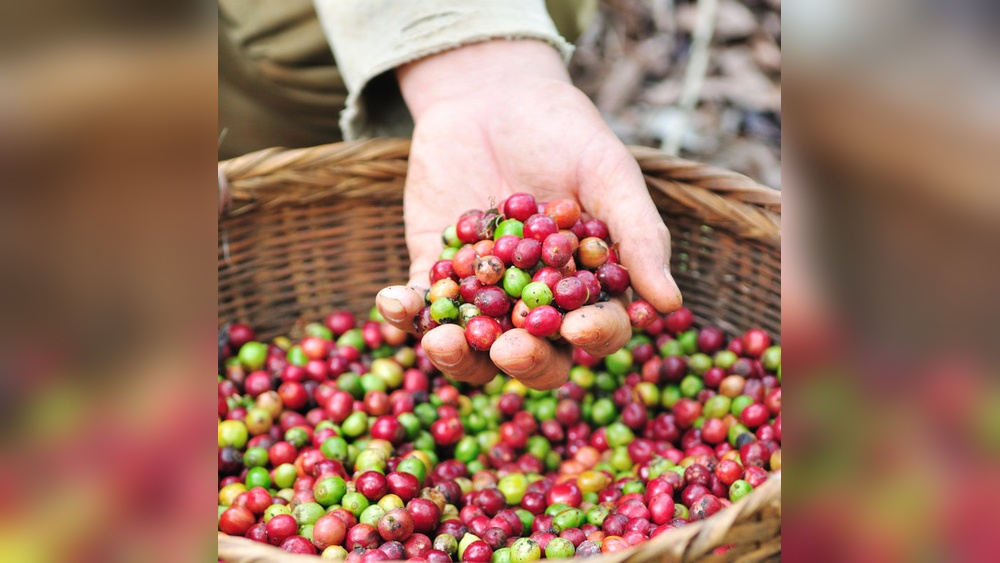
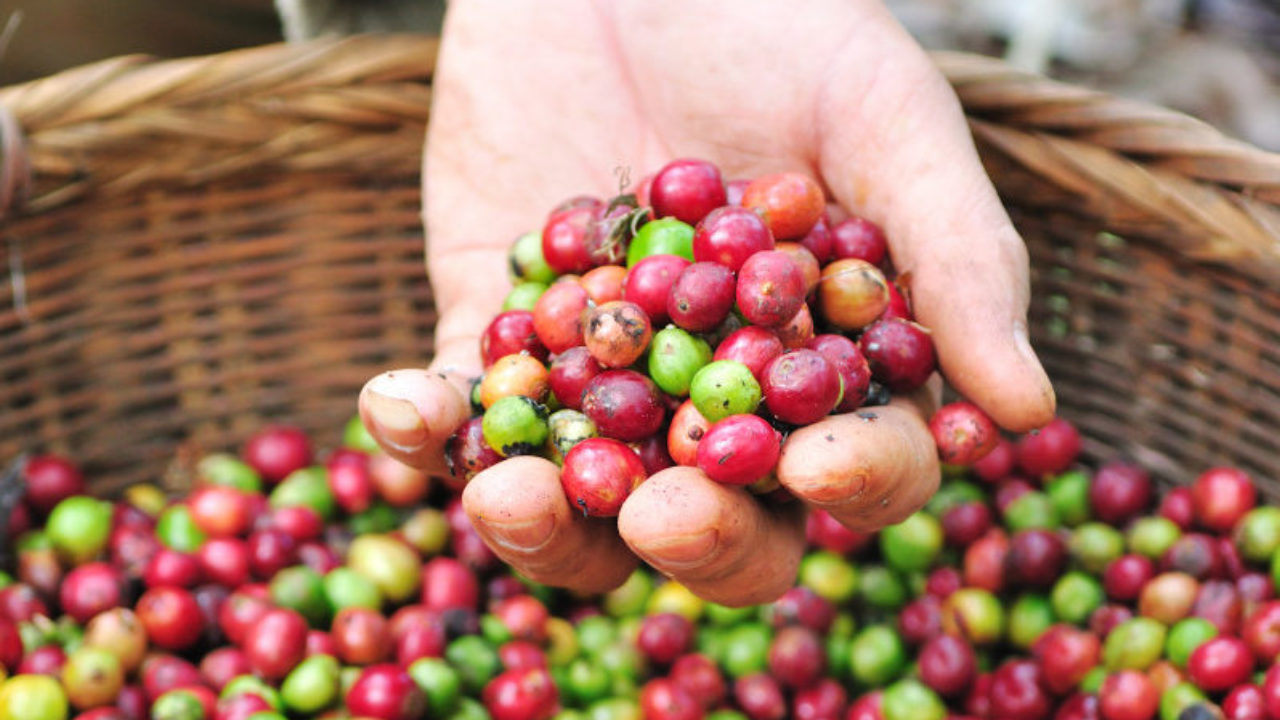
Coffee cherries change color as they ripen. They start green and turn bright red or yellow. This color change signals that the cherries are ready to harvest. Ripening depends on climate and altitude. Farmers watch the cherries carefully. Harvesting at the right time ensures the best flavor in the beans.
Harvesting Techniques
Harvesting coffee beans is a crucial step in producing quality coffee. Different methods impact the flavor and quality of the final product. Farmers choose techniques based on their resources, terrain, and the coffee variety.
Selective Handpicking
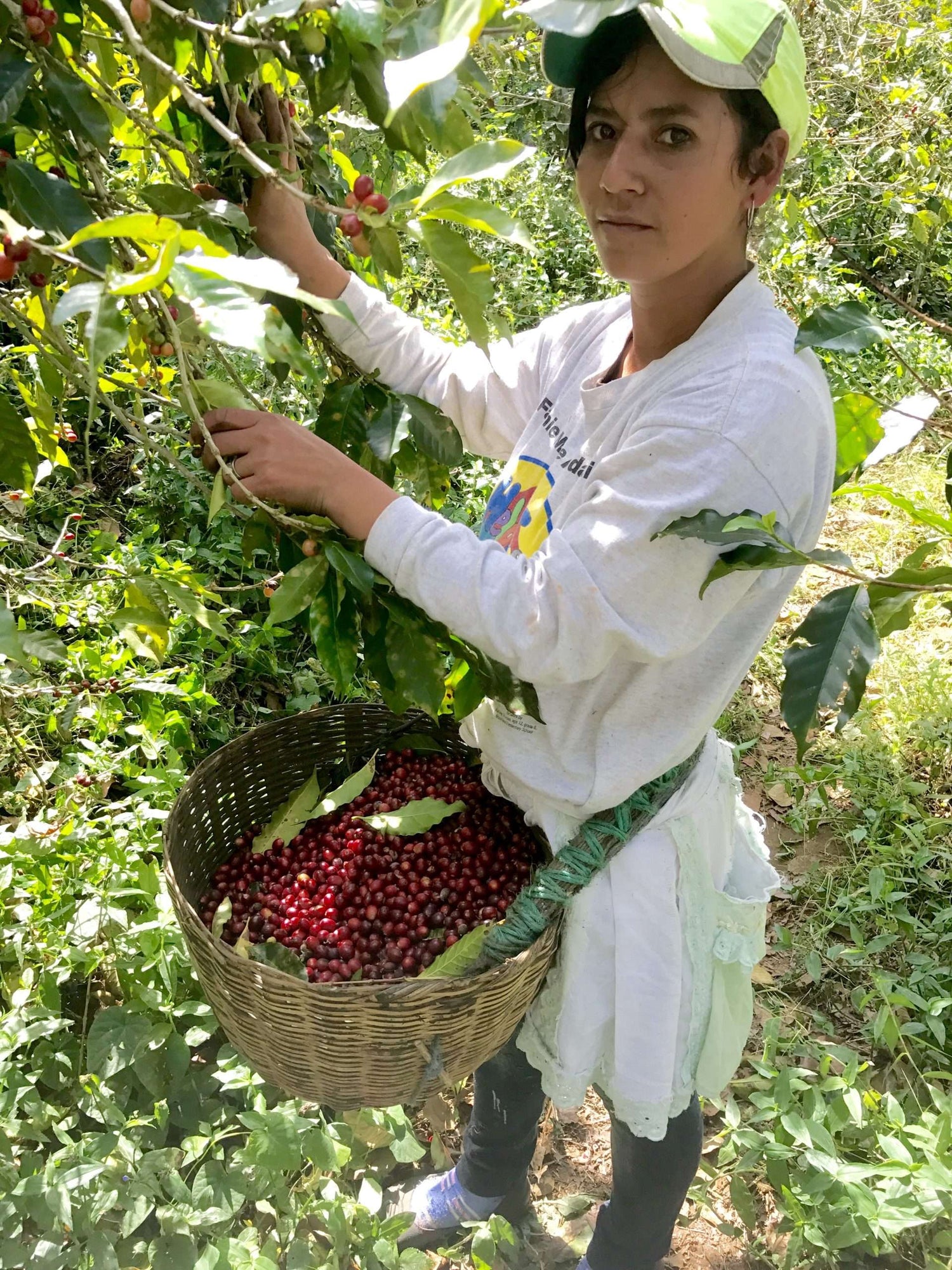
Selective handpicking means picking only ripe cherries by hand. Workers carefully select red, ripe cherries while leaving green ones on the tree. This method ensures high-quality beans and consistent flavor. It is labor-intensive but offers better control over the harvest. Many premium coffee producers use this technique.
Strip Harvesting
Strip harvesting involves removing all cherries from a branch at once. Workers strip the branch by hand or use tools to pull off cherries. This method is faster but collects both ripe and unripe cherries. It suits farms with limited labor or where speed is essential. Beans need extra sorting after harvesting to separate quality beans.
Mechanical harvesting uses machines to shake or strip cherries from trees. It saves time and reduces labor costs. Machines work best on flat or gently sloping land. This method collects all cherries, requiring thorough cleaning and sorting. Mechanical harvesting suits large farms with uniform coffee plants. It is less common in regions with steep hills or small farms.
Credit: driftaway.coffee
Handpicking Process
The handpicking process is a traditional way to harvest coffee beans. It requires skill and patience. Workers select only the ripe cherries from the coffee plants. This method helps keep the quality of the beans high. It also protects the coffee trees from damage. Handpicking is common in many coffee-growing regions.
Identifying Ripe Cherries
Ripe coffee cherries have a bright red color. Some varieties may be yellow or orange. Pickers learn to spot these ripe cherries quickly. They avoid green or unripe cherries. Only fully ripened cherries give the best flavor. This careful selection improves the final coffee taste.
Labor And Timing
Harvesting by hand takes many workers. Pickers often work in small teams. They move through the coffee plants row by row. Timing is very important for handpicking. The cherries do not ripen all at once. Pickers return to the same tree several times. This ensures only the ripe cherries are picked each time.
Benefits Of Handpicking
Handpicking helps keep coffee quality high. It reduces damage to the coffee plants. Mechanical methods can harm the branches and leaves. This method also lowers the chance of mixing unripe cherries with ripe ones. The extra care leads to better coffee flavor and aroma. Many premium coffee producers prefer handpicking for these reasons.
Strip Harvesting Method
The strip harvesting method is a quick way to collect coffee cherries from the trees. This technique removes all cherries from the branches at once. Both ripe and unripe cherries get picked during this process.
Strip harvesting often uses manual labor or machines. Workers or machines pull or shake the branches to strip off the cherries. It is common in regions where coffee trees produce fruit unevenly.
How Stripping Works
In strip harvesting, workers grab the branch and pull all cherries off. Machines can also shake or comb the branches quickly. This removes cherries in one fast motion. After stripping, cherries go to processing plants for sorting.
The method does not select only ripe cherries. All cherries fall off together. This saves time but needs extra sorting later. Stripping is useful on large farms with many trees.
Advantages And Drawbacks
Strip harvesting is faster than picking cherries one by one. It lowers labor costs and speeds up the harvest. This method fits well with mechanical harvesters on big farms.
Drawbacks include picking unripe or overripe cherries. This affects coffee quality. Extra effort is needed to separate good cherries at processing. Strip harvesting may not suit farms focusing on high-quality coffee.
The method also risks damaging branches or trees if done roughly. Some farms prefer handpicking to protect trees and pick only ripe fruit.
Mechanical Harvesting
Mechanical harvesting plays a key role in modern coffee farming. It uses machines to collect coffee cherries quickly and with less manual labor. This method suits large coffee plantations and helps meet high demand.
Machines shake or strip coffee cherries from the trees. They can work faster than handpicking but may collect unripe or damaged cherries. Mechanical harvesting reduces costs and speeds up the process, especially during peak seasons.
Types Of Machines
There are several machines designed for coffee harvesting. The most common are trunk shakers, strip harvesters, and canopy shakers. Trunk shakers attach to the tree trunk and vibrate to release cherries. Strip harvesters use rotating arms to strip cherries from branches. Canopy shakers vibrate the tree canopy to shake off ripe cherries.
Each machine has features that suit different farm sizes and tree types. Some are large and mounted on tractors, while others are smaller and portable.
Suitability And Efficiency
Mechanical harvesters work best in flat or gently sloping fields. They need space to move between rows of coffee trees. Farms with uniform tree heights and spacing benefit most from these machines.
Efficiency depends on the machine type and how well it matches the farm’s layout. Mechanical harvesting can collect cherries faster than handpicking. It reduces labor costs and harvest time. However, it may cause more damage to trees and pick unripe cherries, affecting coffee quality.
Post-harvest Handling
After coffee cherries are harvested, they enter the crucial stage called post-harvest handling. This step affects the taste and quality of the coffee. Proper care here ensures beans stay fresh and clean before roasting. The process includes sorting, cleaning, and different methods of processing. Each step removes unwanted parts and prepares beans for drying and storage.
Sorting And Cleaning
Sorting separates ripe cherries from unripe or damaged ones. Workers use machines or handpick to remove bad cherries. Cleaning removes dirt, leaves, and twigs mixed with the beans. Clean beans help avoid off-flavors in the final cup. Sorting and cleaning improve the uniformity and quality of the coffee batch.
Processing Methods
Processing removes the outer layers of the coffee cherry to reveal the bean inside. The main methods are wet, dry, and honey processing. Wet processing uses water to wash away the fruit. Dry processing dries the whole cherry under the sun. Honey processing removes the skin but leaves some pulp on the bean. Each method changes the flavor profile of the coffee.
Factors Impacting Harvest Quality
The quality of harvested coffee beans depends on several key factors. These factors influence the flavor, aroma, and overall value of the coffee. Understanding them helps farmers produce better beans and improves the coffee experience for drinkers. Three main aspects play a crucial role in harvest quality: climate and altitude, labor skill and timing, and equipment and technology.
Climate And Altitude
Coffee plants thrive in certain climates and altitudes. Ideal temperatures range from 60 to 70 degrees Fahrenheit. Too much heat or cold can harm the beans. Rainfall must be consistent but not excessive. The altitude affects the growth speed and bean density. Higher altitudes often produce beans with richer flavors. These conditions create the best environment for coffee cherries to ripen fully.
Labor Skill And Timing
Skilled workers know how to pick only ripe coffee cherries. Harvesting at the right time ensures the beans have the best taste. Picking too early or too late reduces quality. Manual picking allows for selective harvesting, preserving the best cherries. Experience and attention to detail in labor improve the final product significantly.
Equipment And Technology
Modern tools can boost harvesting efficiency and quality. Mechanical harvesters speed up the process but may damage beans if not adjusted properly. Proper drying equipment prevents mold and preserves flavor. Technology in sorting and processing helps remove defective beans. Using the right machinery supports consistent harvest quality across farms.
Sustainable Harvesting Practices
Sustainable harvesting practices in coffee farming help protect the environment and support farmers. These methods focus on careful picking and preserving natural resources. They also ensure fair benefits for local communities. Sustainability creates a balance between coffee production and nature’s health. It helps maintain soil quality, water supply, and biodiversity. Sustainable harvesting reduces waste and energy use. Farmers use techniques that avoid harming trees and wildlife. This approach leads to better coffee quality and long-term farm success.
Environmental Considerations
Sustainable coffee harvesting keeps the land healthy. Farmers avoid clear-cutting and protect shade trees. Shade trees provide homes for birds and insects. They also prevent soil erosion and keep soil moist. Using natural pest control reduces chemical use. Composting coffee waste enriches the soil naturally. Water use is carefully managed to avoid shortages. These steps help maintain clean air, water, and soil. Farms that follow these practices often gain organic or fair-trade certification.
Supporting Local Communities
Many sustainable farms focus on helping local people. Fair wages and good working conditions are key. Training programs teach farmers better harvesting methods. This improves coffee quality and farm income. Women and youth often get special support. Community projects may include schools, health clinics, or clean water. Sustainable coffee farming builds stronger, healthier villages. Buyers who choose sustainable coffee help these communities grow. This creates a cycle of care and respect for people and the planet.
Credit: www.fratellocoffee.com
Frequently Asked Questions
What Is The Process Of Harvesting Coffee Beans?
Harvesting coffee beans involves handpicking ripe cherries, stripping all cherries from branches, or using mechanical harvesters. Handpicking ensures quality by selecting only ripe cherries. Stripping removes both ripe and unripe cherries at once. Mechanical harvesting speeds up the process but may reduce selectivity.
Why Can’t The Us Grow Coffee Beans?
The US lacks suitable climate, altitude, and rainfall for coffee. High labor costs, water shortages, and limited infrastructure also hinder large-scale growth. Only Hawaii and parts of California grow coffee commercially on a small scale.
Is Starbucks Coffee 100% Arabica?
Starbucks sources 100% Arabica coffee beans for its beverages. Arabica beans provide a smoother, richer flavor preferred by Starbucks.
Which Animal Waste Is Used For Coffee?
Civet cat waste is used for kopi luwak coffee. The beans ferment in the civet’s digestive tract, enhancing flavor.
Conclusion
Harvesting coffee beans requires skill and patience. Farmers pick ripe cherries carefully by hand. Some use stripping or machines to speed up harvest. Each method affects the coffee’s final taste and quality. Growing conditions like climate and altitude play key roles.
Understanding this process helps you appreciate your coffee more. The journey from cherry to cup is truly fascinating. Next time you sip coffee, remember the work behind it.