
Are you wondering if your induction cooktop needs a vent? It’s a common question, especially if you’re upgrading your kitchen or building a new one.
While induction cooktops heat differently than gas or traditional electric stoves, they still produce steam, smoke, and cooking odors that can linger in your home. Ignoring proper ventilation can affect your comfort, air quality, and even your cooktop’s performance. You’ll discover why venting matters for induction cooking, the types of vents that work best, and how to keep your kitchen fresh and safe.
Keep reading to find out what you really need to know before installing or using your induction cooktop.
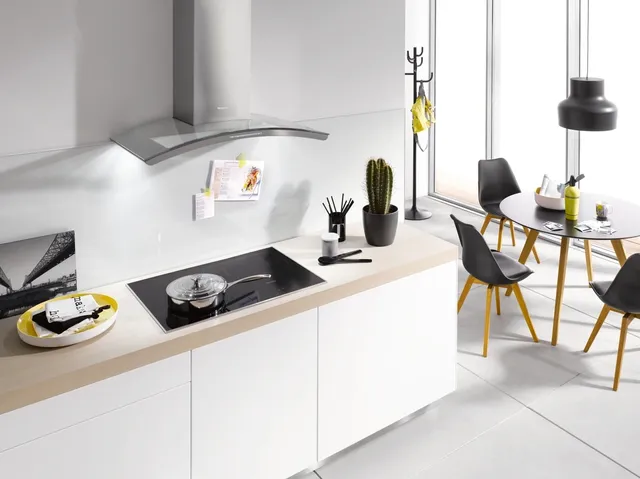
Credit: www.fusespecialtyappliances.com
Induction Cooktop Basics
Induction cooktops use a modern cooking method that differs from traditional stoves. They heat pots and pans directly, not the cooktop surface. This makes them faster and more energy-efficient. Understanding the basics of induction cooking helps explain if ventilation is necessary.
Knowing how induction heating works and the heat it produces can clarify ventilation needs. These points help to see why some people ask about vents for induction cooktops.
How Induction Heating Works
Induction cooktops use magnetic fields to heat cookware. An electric current flows through a coil below the glass surface. This creates a magnetic field that heats metal pots directly. The cooktop itself stays cool because it does not produce heat.
Only pots made of magnetic materials work with induction. The heat is created inside the cookware, not on the stove surface. This method heats food quickly and reduces wasted energy.
Heat And Emissions Produced
Induction cooktops produce less ambient heat than gas or electric stoves. The cooktop surface stays cooler, so the kitchen stays cooler too. However, the cookware and food still generate heat and steam.
Cooking releases smoke, grease, and strong smells that need to be vented out. Even though the cooktop is cooler, these emissions can affect indoor air quality. Proper ventilation removes these cooking byproducts and keeps the kitchen fresh.
Venting Needs For Induction
Induction cooktops use magnetic fields to heat pots and pans directly. This method reduces surface heat but does not eliminate cooking fumes. Ventilation remains important to keep your kitchen air clean and fresh. Understanding venting needs for induction helps maintain a healthy cooking space.
Cooking releases smoke, steam, and odors. Even with induction, these byproducts need to be removed. Proper venting helps prevent grease buildup and lingering smells. It also protects walls and cabinets from damage caused by moisture and smoke.
Why Venting Matters
Venting removes smoke and odors from the cooking area. It improves indoor air quality and comfort. Without venting, kitchens can become smoky and sticky. Grease and food particles can settle on surfaces, causing stains and damage. Good ventilation reduces these risks and helps your kitchen stay clean.
Even if induction cooktops do not produce an open flame, cooking oils can still create smoke. This smoke carries particles that venting systems capture and remove. Venting also controls humidity from boiling and frying. This keeps the kitchen environment safer and more pleasant.
Comparing Venting To Gas And Electric Cooktops
Gas cooktops produce visible flames and more heat. They release combustion gases that need strong venting. Electric cooktops generate heat through coils or radiant elements. They produce less heat and fewer fumes than gas but still need venting.
Induction cooktops produce heat directly inside the cookware. Their surfaces stay cooler, reducing ambient heat in the kitchen. This lowers the risk of heat damage and excess warmth. Still, cooking fumes and smells are present and must be vented.
Induction ventilation requirements are generally similar to electric cooktops. Both need hoods or exhaust fans to remove grease and smoke. The vent’s power depends on your cooking habits and kitchen size. Proper venting keeps air fresh regardless of cooktop type.
Types Of Ventilation Options
Choosing the right ventilation for an induction cooktop matters. Proper ventilation removes smoke, odors, and grease. It keeps your kitchen air fresh and clean. Different types of ventilation fit various kitchen layouts and cooking styles. Here are common ventilation options to consider.
Range Hoods
Range hoods install above the cooktop. They capture steam, smoke, and smells rising from cooking. These hoods vent air outside through ducts. They come in several styles like wall-mounted, island, and under-cabinet. Range hoods are effective and widely used. They help maintain good indoor air quality.
Downdraft Ventilation
Downdraft ventilation pulls air down from the cooktop level. It is built into the cooktop or countertop. This system vents air outside through ducts below the floor or cabinets. Downdraft vents work well in kitchens without space for overhead hoods. They keep the cooking area clean but may be less powerful.
Recirculating Systems
Recirculating systems filter air and return it to the kitchen. They use charcoal or carbon filters to reduce odors and grease. These systems do not require ductwork. They suit apartments or homes where venting outside is difficult. Regular filter changes are needed to keep them working well.
Installation Considerations
Installing an induction cooktop involves important ventilation decisions. Proper venting helps remove smoke, odors, and grease from cooking. This keeps the kitchen air clean and comfortable. Consider the kitchen layout and vent placement before installation. Planning ductwork and addressing island cooktop challenges is essential.
Vent Placement And Kitchen Layout
Place the vent close to the cooktop for best results. The vent must capture smoke and steam efficiently. Consider nearby walls, cabinets, and windows. The kitchen’s shape and size affect vent location. Proper placement improves airflow and removes cooking fumes quickly. This reduces lingering smells and keeps the kitchen fresh.
Ductwork Requirements
Ductwork carries air from the vent outside the home. Use smooth, straight ducts for better airflow. Avoid sharp bends and long runs to reduce resistance. The duct size must match the vent’s capacity. Proper ductwork prevents backdrafts and improves vent efficiency. Check local building codes for duct installation rules.
Island Cooktop Venting Challenges
Island cooktops need special venting solutions. Traditional wall-mounted hoods are not an option. Downdraft vents or ceiling-mounted hoods work well here. Downdraft vents pull air down through ducts under the floor. Ceiling hoods hang above the cooktop and vent upward. Both options require careful planning for duct routing. These vents help maintain good air quality around island cooktops.
Impact On Indoor Air Quality
Indoor air quality is important for a healthy kitchen environment. Cooking releases smoke, odors, grease, and moisture. These pollutants can build up quickly without proper ventilation. Even though induction cooktops heat differently, they still produce cooking emissions. Venting helps keep the air fresh and safe during meal preparation.
Removing Smoke And Odors
Cooking smoke can irritate eyes and lungs. It also leaves lingering smells in your home. An induction cooktop can produce smoke from high-heat cooking or burning food. A vent removes smoke from the kitchen, improving air quality. It helps prevent unpleasant odors from spreading to other rooms. Proper ventilation keeps your kitchen smelling clean and fresh.
Managing Cooking Grease And Moisture
Cooking releases grease particles and moisture into the air. These particles can settle on surfaces and cause stains or damage. Moisture buildup can lead to mold and mildew growth. A vent system captures grease and moisture, reducing their impact. This keeps kitchen surfaces cleaner and reduces the risk of mold. Venting also helps maintain a comfortable humidity level while cooking.
Energy Efficiency And Venting
Energy efficiency plays a key role in kitchen ventilation decisions. Induction cooktops are known for their energy-saving qualities. They heat pots and pans directly without warming the air around them. This reduces wasted energy in the cooking process. However, venting still affects energy use in the kitchen. Proper venting removes smoke, odors, and moisture but can also cause heat loss and air leakage. Managing these factors helps keep energy costs low and indoor air quality high.
Heat Loss And Air Leakage
Vents can lead to heat loss by pulling warm air out of the kitchen. This forces your heating system to work harder. Air leakage through vents also lets cold air in. This reduces overall home energy efficiency. Induction cooktops produce less heat around the cooking area. This means less heat escapes through venting compared to gas stoves. Still, poorly sealed or oversized vents can waste energy. Proper installation and sealing minimize heat loss and air leakage.
Balancing Ventilation And Energy Use
Good ventilation removes unwanted cooking fumes and keeps air fresh. It also helps prevent moisture buildup and damage. Balancing ventilation needs with energy use is important. Using a vent with adjustable fan speeds can save energy. Turn the fan on high only during heavy cooking. Use lower speeds or turn it off when not needed. Consider energy-efficient vent hoods with heat recovery systems. These systems recycle heat back into the home. This reduces the energy impact of venting.
Common Myths About Venting Induction Cooktops
Many people believe induction cooktops do not need ventilation. Myths about venting induction cooktops cause confusion. Understanding these myths helps make better kitchen choices. Venting is important for all cooktops, including induction.
No Vent Needed Because No Flames
Some think no flames mean no vent needed. Induction uses magnetic fields, not fire, to heat pots. Flames create smoke and fumes that need venting. Induction still heats food and releases steam and odors. Cooking oils can still produce smoke and grease. Venting removes these to keep air fresh and clean.
Induction Produces No Cooking Odors
Induction cooking reduces some smells but does not stop them all. Foods release odors when heated, no matter the cooktop type. Strong smells like frying or spices still fill the kitchen. Without venting, odors linger longer inside the home. Vent hoods help remove these smells quickly. They also improve kitchen air quality and comfort.
Expert Recommendations
Experts advise careful consideration of ventilation needs for induction cooktops. Even though these cooktops heat cookware directly, they still produce cooking fumes and odors. Proper ventilation ensures a clean kitchen environment and prevents grease buildup. Understanding airflow needs and consulting professionals helps choose the right vent for your space.
Cfm Ratings For Ventilation
CFM, or cubic feet per minute, measures air movement in ventilation systems. Experts recommend a vent with a CFM rating that matches your cooking habits. For most induction cooktops, a range hood with 300 to 600 CFM is sufficient. Higher CFM may be needed for frequent high-heat cooking or large kitchens. Choosing the right CFM keeps air fresh and kitchen safe.
Consulting Appliance Professionals
Appliance professionals provide tailored advice based on your kitchen layout. They assess vent placement, duct size, and airflow requirements. Their expertise ensures the vent system works efficiently with your induction cooktop. Professionals can also recommend models that fit your budget and style. Consulting them reduces installation errors and improves ventilation performance.
Alternatives When Venting Is Limited
Sometimes, installing a traditional vent hood is not possible. Small kitchens or rental homes often face this issue. Still, good air quality is necessary while using an induction cooktop. Luckily, several alternatives help manage smoke, odors, and moisture. These methods improve kitchen comfort without full venting systems.
Using Air Purifiers
Air purifiers reduce cooking smells and airborne particles. Choose models with activated carbon filters to trap odors. HEPA filters capture fine particles from smoke and grease. Place the purifier near the cooktop for best results. Run it during and after cooking to clean the air. This method does not replace venting but helps keep the kitchen fresher.
Improving Natural Airflow
Opening windows and doors allows fresh air to enter. Cross ventilation moves air through the kitchen and out of the house. Use fans to boost airflow if natural breeze is weak. Position a fan near the cooking area to push air outside. This simple step reduces heat and smoke buildup. Natural airflow works well with other air cleaning methods.
Credit: www.youtube.com
Credit: www.bosch-home.com.sg
Frequently Asked Questions
Does An Induction Cooktop Need A Vent Hood?
Yes, an induction cooktop needs a vent hood to remove cooking grease, smoke, and odors effectively. Proper ventilation improves indoor air quality.
What Are The Venting Requirements For Electric Induction Cooktops?
Electric induction cooktops need ventilation to remove cooking grease, smoke, and odors. Use a range hood with proper airflow, typically 300-600 CFM, to maintain indoor air quality.
What Is The Downside Of Induction Stoves?
Induction stoves require compatible cookware and can feel less intuitive than gas. They also need ventilation for smoke and odors.
What Happens If You Use A Regular Pan On An Induction Stove?
A regular pan won’t heat on an induction stove unless it has a magnetic base. Non-compatible pans remain cold.
Conclusion
Induction cooktops still produce smoke, grease, and cooking smells. Proper ventilation helps keep your kitchen fresh and clean. A vent removes unwanted odors and improves air quality. It also reduces moisture that can damage cabinets and walls. Even though induction cooktops run cooler, venting remains important.
Choosing the right vent depends on your cooking style and kitchen layout. Good airflow makes cooking more comfortable and safer. Don’t skip venting just because the cooktop uses induction technology. Clean air makes every meal more enjoyable.